
The Numbers
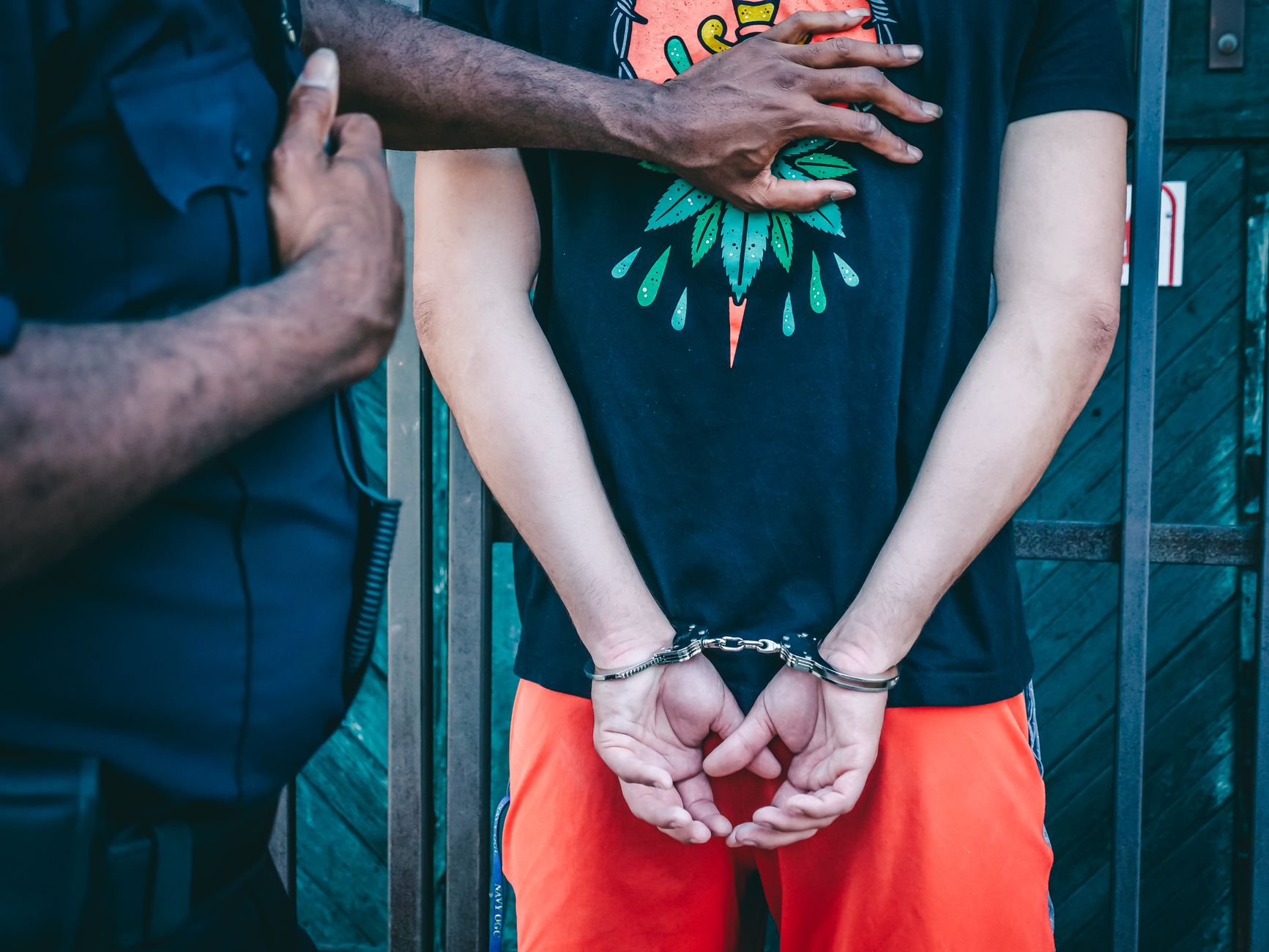
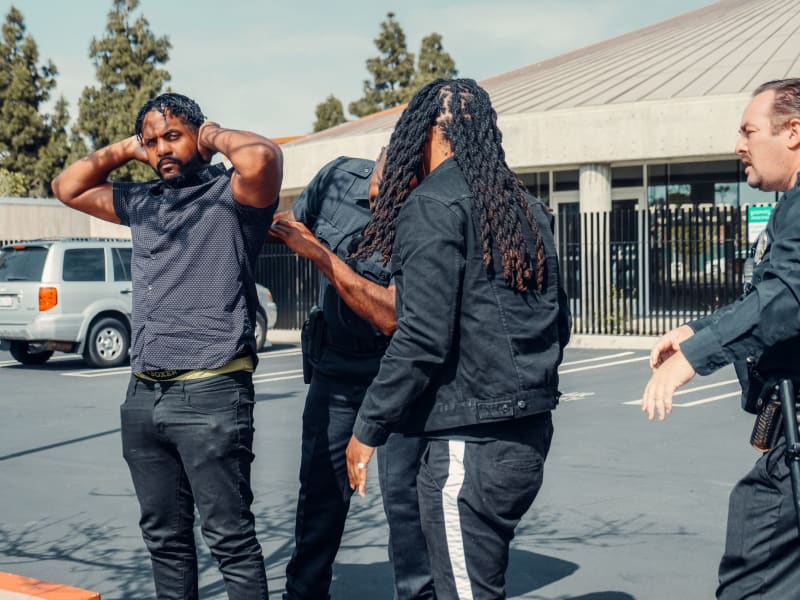
- **2** brothers, Andrew and Tristan Tate, have been apprehended in Miami, Florida, acting on newly issued UK arrest warrants, marking a significant international legal development.
- **4** distinct charges have been levied against the Tate brothers by UK authorities: rape, sexual assault, and two counts of human trafficking, highlighting the severity of the allegations.
- **2022** marks the year when the initial allegations of sexual offenses were brought forward in the UK, predating their December 2022 arrest in Romania on similar but distinct charges.
- **3** years ago, specific alleged victims initially reported these grave sexual assault and trafficking incidents to UK law enforcement, initiating the complex investigation now unfolding.
- **1** active European arrest warrant, issued by Westminster Magistrates Court, was the direct legal instrument leading to their apprehension in the United States, underscoring cross-border judicial cooperation.
- **10** different alleged victims are reportedly involved across the various UK and Romanian investigations, painting a grim picture of a potentially widespread pattern of abuse and exploitation.
Context Check
The arrest of Andrew and Tristan Tate in Miami represents a dramatic escalation in their ongoing legal battles, shifting the focus from Romania to a new international front. This apprehension was not a random event but a direct consequence of a newly issued European arrest warrant from Westminster Magistrates Court in the UK. The charges are severe, encompassing rape, sexual assault, and human trafficking, indicating a concerted effort by British authorities to bring the brothers to justice for alleged crimes that date back several years. This development underscores the persistent nature of the allegations and the determination of law enforcement agencies to pursue these cases across international borders, regardless of the defendants' attempts to evade prosecution.
This latest legal entanglement is distinct from, yet connected to, their previous arrests and ongoing legal proceedings in Romania. While the Romanian charges also involve human trafficking, rape, and forming an organized crime group, the UK warrants pertain to specific incidents and alleged victims that first came to light in 2022. The fact that these new warrants were issued while the Tates were already facing legal scrutiny highlights the breadth and depth of the allegations against them. It suggests that multiple jurisdictions have been independently investigating their activities, leading to a complex web of legal challenges that the brothers now face simultaneously.
The timing of their arrest in Miami, coming after their release from house arrest in Romania and while they were reportedly attempting to leave the country, raises questions about their intent and the coordination between international law enforcement. This incident serves as a stark reminder that individuals facing serious criminal allegations, particularly those with a high public profile, are subject to intense scrutiny and cross-border legal mechanisms. The use of a European arrest warrant in the United States demonstrates the robust framework in place for international judicial cooperation, ensuring that alleged perpetrators cannot easily escape justice by moving between countries.
Background
Andrew and Tristan Tate, figures who rose to prominence through controversial online content and a lifestyle often described as hyper-masculine, have been under intense legal scrutiny for an extended period. Their initial arrest in Romania in December 2022 sent shockwaves through their vast online following and garnered significant international media attention. These initial charges, which included human trafficking, rape, and forming an organized crime group, stemmed from allegations that they exploited women for financial gain through a webcam business. The brothers vehemently denied these accusations, portraying themselves as victims of a politically motivated smear campaign and an unfair legal system.
The Romanian investigation has been protracted and complex, involving multiple alleged victims and extensive evidence gathering. The brothers spent several months in pre-trial detention, followed by periods of house arrest, before being released on judicial control, which allowed them to travel within Romania but prohibited them from leaving the country. Throughout this period, Andrew Tate, in particular, maintained a highly active presence on social media, often using his platforms to criticize the legal process, assert his innocence, and rally support from his followers. This digital engagement further amplified the public discourse surrounding their case, making it a focal point for discussions about online influence, misogyny, and justice.
The emergence of new UK arrest warrants adds another layer of complexity and gravity to their legal predicament. These warrants are not merely a rehash of the Romanian charges but relate to distinct allegations of rape, sexual assault, and human trafficking that were reportedly made in 2022 by specific alleged victims in the UK. This indicates that the brothers' alleged criminal activities may have spanned multiple countries and involved different sets of victims, suggesting a potentially broader pattern of exploitation. The coordination between UK and US authorities to execute these warrants underscores the global reach of such investigations and the determination to hold individuals accountable for serious transnational crimes.
Winners and Losers
In this unfolding legal drama, the most immediate 'winners' are arguably the UK authorities and the alleged victims who have come forward. The issuance of new arrest warrants and their successful execution in Miami demonstrate a significant step forward in the pursuit of justice for these individuals. It sends a clear message that allegations of serious crimes like rape and human trafficking will be pursued relentlessly, regardless of the accused's public profile or attempts to evade legal processes. This development offers a glimmer of hope for those who have suffered, indicating that their voices are being heard and their claims are being taken seriously by international law enforcement agencies.
Conversely, Andrew and Tristan Tate stand as the undeniable 'losers' in this scenario. Their apprehension in Miami, based on grave new charges from the UK, represents a severe setback in their ongoing legal battles. This latest arrest not only complicates their existing legal challenges in Romania but also opens a new front in a different jurisdiction, potentially leading to extradition proceedings and further prolonged detention. Their carefully curated public image, already tarnished by previous accusations, faces further damage as these new, serious allegations become central to their narrative. The financial and personal toll of these escalating legal battles will undoubtedly be immense, impacting their freedom, reputation, and resources.
The broader implications extend to the online communities and followers who have staunchly supported the Tate brothers. For many, this news will be a jarring reality check, challenging their perception of the Tates as invincible figures immune to legal repercussions. It could lead to a re-evaluation of the narratives propagated by the brothers and spark further debate about accountability for online influencers. While some loyalists may double down on their support, others might begin to question the veracity of the Tates' claims of innocence, potentially eroding their influence and fracturing their online empire. This case serves as a critical test of how legal systems address the actions of powerful online personalities.
Analyst Perspectives
Legal analysts are emphasizing the intricate nature of international law and extradition processes in the wake of the Tate brothers' Miami arrest. Experts suggest that the UK's decision to issue a European arrest warrant, even while the Tates were under judicial control in Romania, indicates a high level of confidence in the evidence supporting the new charges. "This isn't a casual move," explains Dr. Eleanor Vance, an international law specialist. "Issuing an EAW requires substantial grounds and a belief that the accused poses a flight risk or that their presence is essential for prosecution. The coordination with US authorities for the arrest speaks volumes about the seriousness and strategic planning involved, highlighting a robust international effort to ensure justice is served." This move demonstrates the commitment of multiple jurisdictions to collaborate on complex transnational criminal cases.
Criminologists and social commentators are also weighing in on the broader societal implications of this case, particularly concerning the intersection of online influence and alleged criminal behavior. Dr. Marcus Thorne, a sociologist studying digital culture, notes, "The Tate brothers' case has become a flashpoint, illustrating the challenges of holding highly influential online figures accountable. Their ability to cultivate a massive following and generate significant revenue, even while facing serious accusations, reveals a concerning gap in how society and legal systems respond to digital-era crimes. This arrest could set a precedent for how international law enforcement tackles alleged offenses committed by those who operate primarily in the online sphere, where physical borders often seem irrelevant." The case underscores the need for evolving legal frameworks to address modern forms of exploitation.
Furthermore, human rights advocates and organizations working against human trafficking are closely monitoring the developments, viewing it as a critical test case. "The addition of human trafficking charges by UK authorities, alongside rape and sexual assault, reinforces the severity of the allegations and the potential for widespread exploitation," states Sarah Jenkins, director of a prominent anti-trafficking NGO. "This case is not just about individual alleged crimes; it's about challenging the structures and narratives that enable such exploitation, particularly those amplified through online platforms. A successful prosecution would send a powerful message globally that no one is above the law, regardless of their wealth or influence, and that victims will be heard and protected." The focus on victim protection and accountability remains paramount for these groups.

Key Questions Explained
The Outlook
The immediate outlook for Andrew and Tristan Tate is one of prolonged legal battles across multiple international fronts. Their arrest in Miami marks the beginning of what is likely to be a complex and protracted extradition process to the UK, which could take months or even years to resolve, especially if they choose to fight it vigorously. Simultaneously, their existing legal challenges in Romania remain active, creating an unprecedented situation where they must navigate two distinct, yet equally serious, judicial systems. This dual legal pressure will undoubtedly strain their resources and mental fortitude, ensuring that their immediate future is dominated by courtrooms and legal strategy.
Beyond the immediate legal proceedings, this development carries significant implications for their public image and online empire. The addition of grave new charges from the UK, particularly those involving rape and human trafficking, will further solidify a negative perception among the general public and likely lead to increased scrutiny from media and social platforms. While their loyal fanbase may remain steadfast, the broader audience is likely to view these escalating accusations with growing alarm. This could lead to a further decline in their influence, potential loss of sponsorship deals, and increased pressure on platforms to restrict their content, fundamentally altering their ability to operate in the digital sphere.
Looking further ahead, the outcome of these cases, both in the UK and Romania, will have broader ramifications for how international law enforcement handles high-profile online personalities accused of transnational crimes. A successful prosecution in either jurisdiction would set a powerful precedent, demonstrating the reach and effectiveness of international judicial cooperation in bringing alleged perpetrators to justice, regardless of their attempts to evade accountability. This case is poised to become a landmark example in the ongoing global effort to combat human trafficking and sexual exploitation, particularly when facilitated or amplified through digital platforms, reinforcing the message that no one is above the law.
















Comments
No comments yet. Be the first to comment!