
The Numbers
- At least 10 Malian soldiers were tragically killed in the ambush, a stark reminder of the immense human cost of ongoing conflict in the region.
- An additional 13 soldiers sustained serious injuries, requiring immediate medical attention and highlighting the brutal intensity of the coordinated attack.
- The attack occurred approximately 50 kilometers south of Gao city, pinpointing a specific area of heightened insurgent activity and strategic vulnerability.
- This incident marks one of the deadliest attacks on Malian forces in recent months, signaling a concerning escalation in the capabilities and audacity of armed groups.
- The ambush involved a complex assault utilizing improvised explosive devices (IEDs) followed by direct small arms fire, indicating sophisticated planning and execution by the attackers.
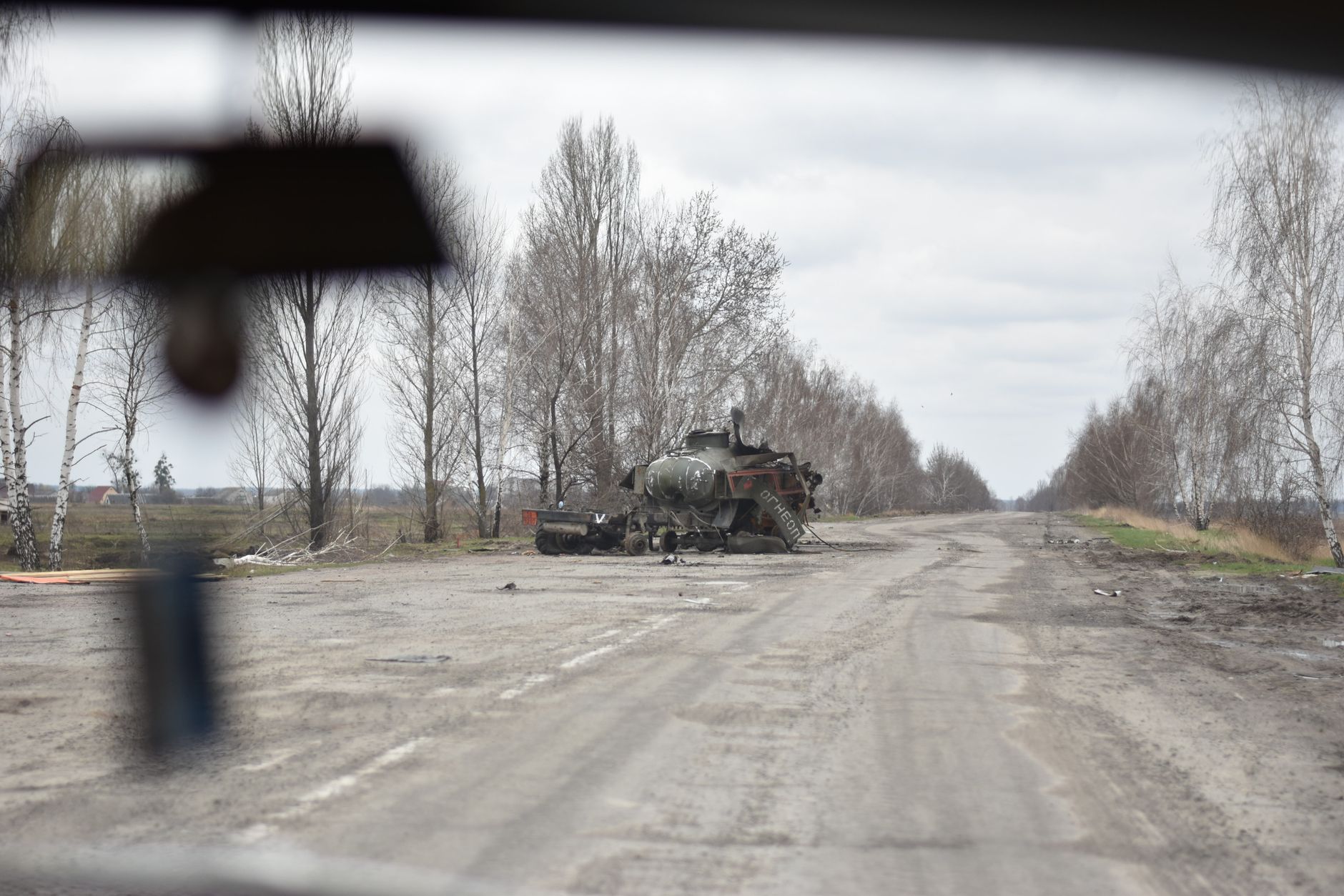
- More than five military vehicles were either destroyed or severely damaged, representing a significant material loss for the Malian armed forces and impacting their operational capacity.
- Local sources report that at least two armed groups, possibly linked to JNIM or ISIS-GS, were involved, underscoring the fragmented yet potent nature of the extremist threat.
Context Check
The latest ambush on a Malian military convoy near Gao is not an isolated incident but rather a grim continuation of a deeply entrenched and escalating conflict. Mali, particularly its northern and central regions, has been grappling with a severe security crisis since 2012, when a Tuareg rebellion was swiftly co-opted by Islamist extremist groups. Despite significant international intervention, including French and UN peacekeeping forces, the Malian state has struggled to assert full control over its vast territory, leaving swathes of land vulnerable to various armed factions. This persistent instability has created a fertile ground for extremist ideologies to flourish, attracting recruits and resources, and allowing these groups to launch increasingly sophisticated and deadly attacks against both military and civilian targets.
The withdrawal of French forces, Operation Barkhane, and the subsequent departure of the UN peacekeeping mission, MINUSMA, have significantly altered the security landscape. While the Malian transitional government has sought new security partnerships, notably with Russia, the immediate impact has been a perceived security vacuum in certain areas. Armed groups, including affiliates of Al-Qaeda (Jama'at Nusrat al-Islam wal-Muslimin, JNIM) and the Islamic State (Islamic State in the Greater Sahara, ISGS), have exploited these transitions, expanding their operational reach and intensifying their attacks. This strategic shift has placed immense pressure on the Malian Armed Forces (FAMa), who are now largely responsible for maintaining security across a vast and challenging terrain, often with limited resources and facing a resilient and adaptable enemy.
The Gao region, where this latest ambush occurred, is a critical nexus of trade routes and a historical stronghold for various armed groups. Its strategic importance makes it a frequent target for insurgent activity, aiming to disrupt government control and project power. The recurrent attacks in this area underscore the persistent challenges faced by the Malian military in securing key corridors and protecting local populations. Furthermore, the porous borders with neighboring Niger and Burkina Faso allow for the free movement of fighters and weapons, exacerbating the regional dimension of the conflict and making a purely national security response increasingly insufficient. The interconnectedness of these threats demands a more comprehensive, regional approach to counter-terrorism and stabilization.
Background
Mali's security crisis deepened significantly after the 2012 coup, which created a power vacuum that allowed Tuareg separatists and Islamist militants to seize control of the northern half of the country. Although a French-led military intervention in 2013 pushed back the jihadists, these groups merely regrouped and adapted, shifting their tactics to asymmetric warfare and expanding their influence into central Mali. The conflict has since become a complex tapestry of ethnic grievances, political instability, and the relentless pursuit of power by extremist organizations. The Malian state has struggled to provide essential services and security to its citizens, leading to widespread disillusionment and, in some cases, a willingness among local populations to tolerate or even support armed groups who offer a semblance of order or justice.
The transition of power in Mali, marked by two military coups since 2020, has further complicated the security situation. These political upheavals have strained relationships with traditional international partners, leading to the eventual withdrawal of French anti-jihadist forces and the UN peacekeeping mission. The Malian transitional government has since pivoted towards new alliances, particularly with Russia, which has seen the deployment of military advisors and equipment. This shift, while intended to bolster the Malian military's capabilities, has also raised concerns among human rights organizations and Western nations regarding transparency and accountability. The evolving geopolitical landscape within Mali directly impacts the operational environment for its armed forces and the effectiveness of their counter-insurgency efforts.
The specific region of Gao has long been a flashpoint for violence. Situated along the Niger River, it is a crucial logistical hub and a historical center for various communities, making it a contested territory. Armed groups frequently target convoys, military bases, and even civilian infrastructure to demonstrate their reach and undermine government authority. The use of improvised explosive devices (IEDs) has become a hallmark of these attacks, designed to inflict maximum casualties and psychological impact. This particular ambush underscores the persistent threat posed by these groups, their capacity for coordinated operations, and the urgent need for enhanced security measures and intelligence gathering to protect Malian forces and civilians alike. The ongoing violence in Gao is a microcosm of the broader instability plaguing the entire Sahel region.
Winners and Losers
In the immediate aftermath of this brutal ambush, the clear 'winners' are the armed groups responsible for the attack. They achieve several strategic objectives: demonstrating their continued operational capability, inflicting casualties and material losses on the Malian military, and sowing further fear and instability among the populace. Such attacks boost their morale, potentially attract new recruits, and allow them to project an image of strength and defiance against the state. Furthermore, these incidents often serve to undermine public confidence in the government's ability to provide security, thereby weakening the state's legitimacy in the eyes of its citizens and creating a vacuum that extremist ideologies can exploit.
Conversely, the most significant 'losers' are undoubtedly the Malian Armed Forces (FAMa) and, by extension, the Malian state and its citizens. The loss of life among soldiers is a profound tragedy, diminishing the military's operational strength and morale. The destruction of military assets further strains an already stretched defense budget and capability. For the Malian government, this incident represents a significant setback in its efforts to stabilize the country and assert control over its territory. It highlights the persistent challenges in securing vital supply routes and protecting personnel, undermining public trust and potentially deterring investment and development in affected regions. The broader civilian population also loses, as such violence perpetuates a cycle of fear, displacement, and economic disruption, making daily life precarious and future prospects uncertain.
The international community, particularly those invested in Sahelian stability, also faces a loss. The escalating violence suggests that current counter-terrorism strategies may not be fully effective, or that their implementation faces significant hurdles. The continuous cycle of attacks and reprisals further complicates humanitarian efforts and development initiatives, making it harder to address the root causes of extremism. While some external actors might see opportunities to expand their influence through new security partnerships, the overall instability is a net negative for regional peace and global security. Ultimately, without a comprehensive and sustained effort to address both the symptoms and causes of the conflict, the cycle of violence will continue, leading to more profound losses for all stakeholders.
Analyst Perspectives
Security analysts widely agree that the ambush in Gao is indicative of a worrying trend: the increasing sophistication and coordination of armed groups in the Sahel. Dr. Fatima Diallo, a leading expert on West African security, notes, "This wasn't a random hit-and-run. The use of IEDs followed by a coordinated ground assault points to meticulous planning and a deep understanding of military movements. It suggests that these groups are not only resilient but are also adapting their tactics, learning from past engagements, and exploiting any perceived weaknesses in government forces' operational procedures." This level of tactical evolution poses a significant challenge for conventional military responses and demands a more agile and intelligence-driven counter-insurgency approach.
Many experts also highlight the impact of the shifting geopolitical landscape on Mali's security. Jean-Pierre Dubois, a former UN security advisor in the region, argues, "The withdrawal of MINUSMA and French forces has undeniably created a vacuum, which extremist groups are aggressively filling. While Mali's pivot towards Russia aims to strengthen its military, the immediate transition period is fraught with vulnerabilities. There's a learning curve for new partners, and armed groups are capitalizing on this period of adjustment to consolidate their positions and launch more audacious attacks. The lack of a unified international front against these groups further complicates the situation, allowing them to operate with greater impunity." This perspective underscores the complex interplay between internal politics and external partnerships.
Furthermore, analysts emphasize that military solutions alone are insufficient to address the multifaceted crisis in Mali. Dr. Aisha Khan, a researcher focusing on conflict resolution in the Sahel, states, "While military operations are crucial for maintaining security, the long-term stability of Mali hinges on addressing the root causes of the conflict: poverty, governance deficits, ethnic grievances, and a lack of economic opportunities. Without parallel efforts in development, good governance, and community engagement, even the most robust military presence will struggle to achieve lasting peace. These attacks are not just about firepower; they are about winning hearts and minds, and currently, the state is often losing that battle in remote areas." This holistic view stresses the need for integrated strategies that extend beyond mere military might.

Key Questions Explained
The Outlook
The immediate outlook for security in the Gao region and across much of Mali remains deeply concerning. The recent ambush underscores the enduring strength and adaptability of armed groups, suggesting that a swift resolution to the conflict is unlikely. The Malian military, despite its renewed efforts and new partnerships, faces a formidable and entrenched enemy. Continued reliance solely on military solutions without addressing the profound governance deficits, socio-economic disparities, and inter-communal tensions risks perpetuating the cycle of violence. Without a significant shift in strategy, including robust civilian protection and development initiatives, the human cost of this conflict will continue to mount.
In the medium term, the effectiveness of Mali's new security partnerships will be a critical determinant of future stability. While the influx of Russian military support aims to bolster the FAMa, its long-term impact on counter-insurgency efforts and human rights remains to be seen. The international community, while having scaled back some direct interventions, still holds a vested interest in preventing a wider regional collapse. This necessitates a renewed focus on diplomatic engagement, humanitarian aid, and support for regional initiatives that promote stability and address the root causes of radicalization. The path forward requires a delicate balance of security operations and comprehensive nation-building efforts.
Looking further ahead, achieving sustainable peace in Mali will require a multi-faceted approach that transcends military might. This includes genuine political reconciliation, strengthening state institutions, promoting inclusive governance, and fostering economic development in marginalized regions. Engaging with local communities, building trust, and providing viable alternatives to joining armed groups are paramount. The international community must continue to press for accountability, human rights, and a political process that involves all stakeholders. Without these fundamental changes, Mali risks remaining a crucible of instability, with profound implications for the entire Sahel and beyond. The future hinges on a comprehensive strategy that prioritizes both security and human development.









Comments
No comments yet. Be the first to comment!