
Key Takeaways
- The United States has initiated new military strikes against targets within Iran, marking a significant escalation in the long-standing geopolitical rivalry between the two nations and signaling a more aggressive posture.
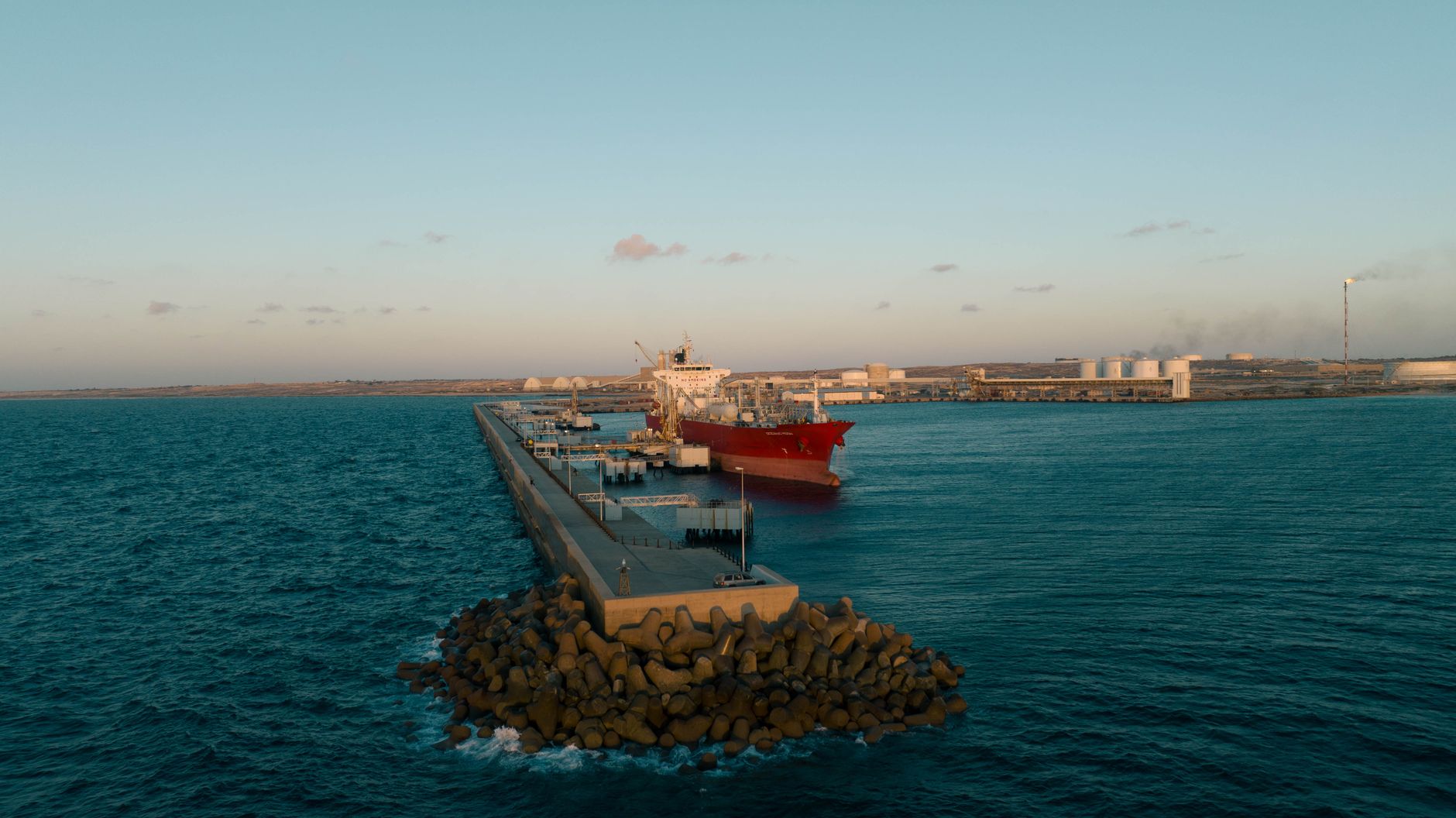
- Iran has responded by issuing explicit threats to target critical shipping infrastructure and energy facilities in the Persian Gulf, raising serious concerns about the safety of international maritime trade and global energy supplies.
- This latest wave of hostilities follows a period of heightened tensions, including previous skirmishes and cyber warfare, indicating a dangerous trajectory towards direct military confrontation that could destabilize the entire region.
- International diplomatic efforts are intensifying, with various global powers urging de-escalation and calling for restraint from both Washington and Tehran to prevent a full-blown conflict that would have devastating consequences.
- The economic ramifications are potentially severe, with oil prices already showing volatility and the prospect of disrupted shipping routes in the Strait of Hormuz threatening global supply chains and economic stability.
- Regional allies and adversaries are closely monitoring the situation, with many expressing deep concern over the potential for a wider conflict that could draw in other nations and exacerbate existing proxy conflicts across the Middle East.
Background
The relationship between the United States and Iran has been fraught with tension for decades, characterized by periods of intense hostility, economic sanctions, and proxy conflicts across the Middle East. This deep-seated animosity stems from historical grievances, differing geopolitical ambitions, and ideological clashes that have consistently fueled mistrust and confrontation. The 1979 Iranian Revolution and the subsequent hostage crisis fundamentally reshaped the dynamics, leading to a severance of diplomatic ties that has largely persisted to this day. Subsequent events, including Iran's nuclear program and its support for various non-state actors in the region, have only served to deepen the chasm between the two powers, creating a volatile environment ripe for escalation.
Recent years have seen a significant deterioration in relations, particularly following the US withdrawal from the Joint Comprehensive Plan of Action (JCPOA), commonly known as the Iran nuclear deal, in 2018. This decision, coupled with the re-imposition and tightening of crippling economic sanctions, was perceived by Tehran as an act of economic warfare and a clear breach of international agreements. Iran, in response, gradually scaled back its commitments under the deal, leading to concerns about its nuclear ambitions. This period also witnessed a series of provocative actions, including attacks on oil tankers, drone incidents, and cyberattacks, which brought both nations to the brink of direct military conflict on multiple occasions, underscoring the precarious balance of power in the region.
The current escalation is not an isolated incident but rather the latest chapter in a long-running saga of tit-for-tat actions and strategic maneuvering. Both sides have consistently accused the other of destabilizing the region, with each action often triggering a reciprocal response. The US maintains that its strikes are defensive, aimed at deterring Iranian aggression and protecting its interests and allies, while Iran views them as unprovoked acts of aggression against its sovereignty. This cycle of accusation and retaliation has created a dangerous feedback loop, making de-escalation increasingly challenging and raising the specter of a broader conflict that could engulf the entire Gulf region and beyond, with potentially catastrophic global consequences.
Why It Matters
The escalating conflict between the United States and Iran carries profound implications that extend far beyond the immediate geographical confines of the Middle East. At its core, this confrontation directly threatens global energy security. The Persian Gulf, particularly the Strait of Hormuz, is a critical chokepoint through which a significant portion of the world's oil and liquefied natural gas (LNG) transits daily. Any disruption, whether through direct military action or Iranian targeting of shipping, could lead to a dramatic surge in oil prices, triggering economic instability and potentially pushing already fragile global economies into recession. The ripple effects would be felt by consumers and industries worldwide, from rising fuel costs to increased manufacturing expenses, underscoring the urgent need for stability in this vital region.
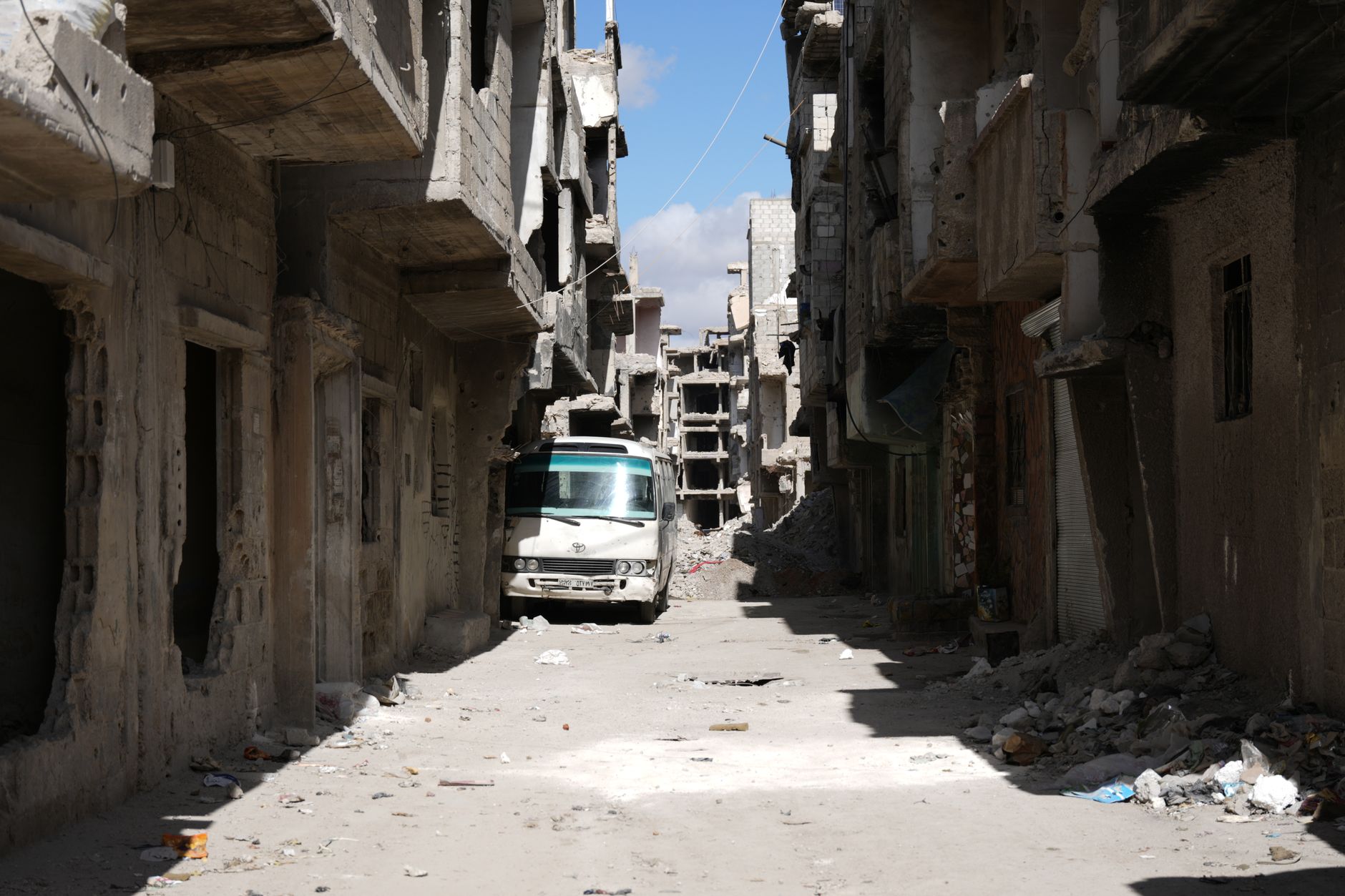
Beyond economics, the potential for a wider regional conflict is a deeply concerning prospect. The Middle East is already a complex tapestry of alliances and rivalries, with numerous proxy conflicts involving state and non-state actors. A direct military confrontation between the US and Iran could easily draw in regional powers such as Saudi Arabia, Israel, and other Gulf states, transforming existing proxy battles into a full-scale regional war. Such a scenario would lead to immense human suffering, mass displacement, and further destabilization, creating a humanitarian crisis of unprecedented scale. The delicate balance of power, painstakingly maintained through various diplomatic and military efforts, would be shattered, paving the way for unpredictable and dangerous outcomes.
Furthermore, this escalation poses a significant challenge to international law and global diplomatic norms. The use of military force, even in perceived self-defense, risks undermining multilateral institutions and the principles of peaceful conflict resolution. It sets a dangerous precedent for how international disputes are handled, potentially emboldening other nations to resort to military action rather than diplomatic engagement. The international community has a vested interest in de-escalating this conflict, not only to protect global commerce and prevent a humanitarian catastrophe but also to uphold the framework of international cooperation and prevent a slide into a more chaotic and unpredictable global order. The stakes are incredibly high, demanding concerted and immediate diplomatic action from all major global players.
Ground Reality
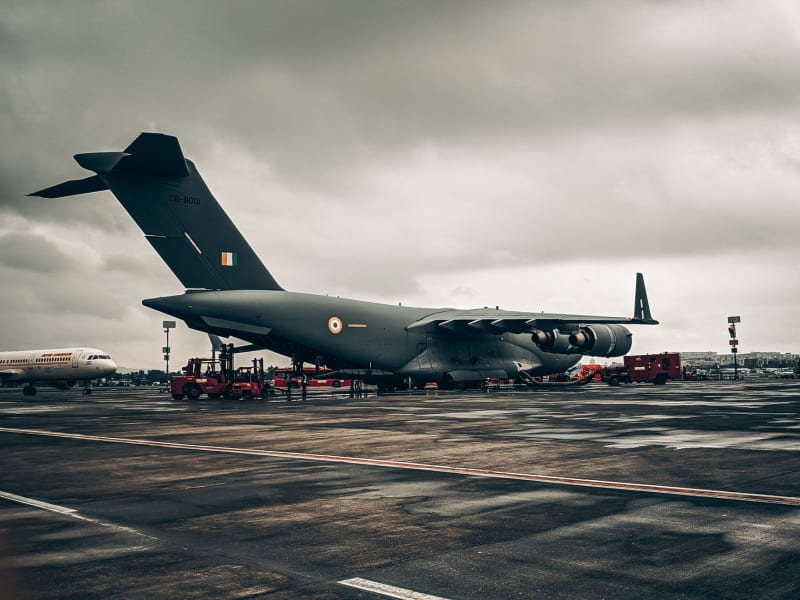
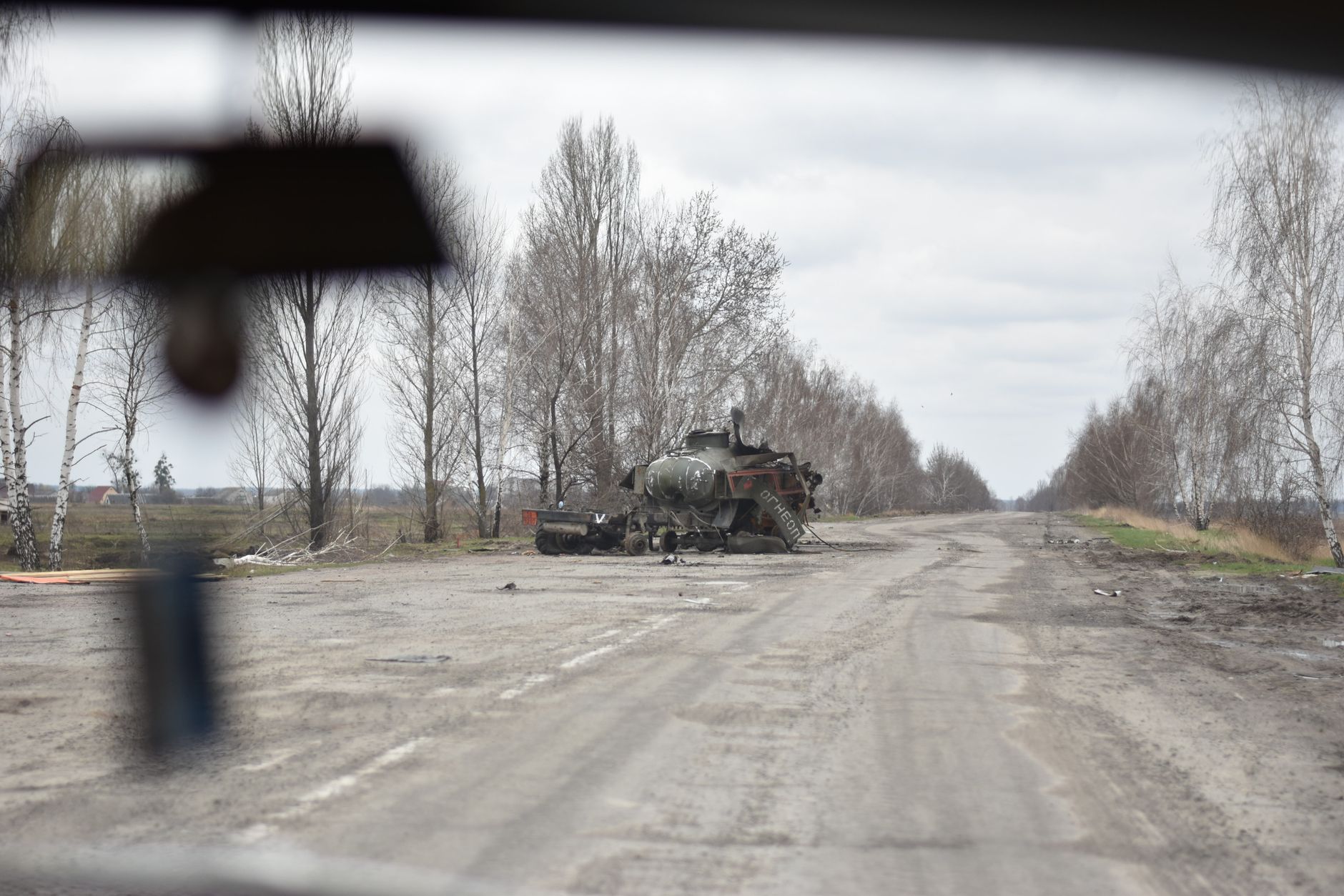
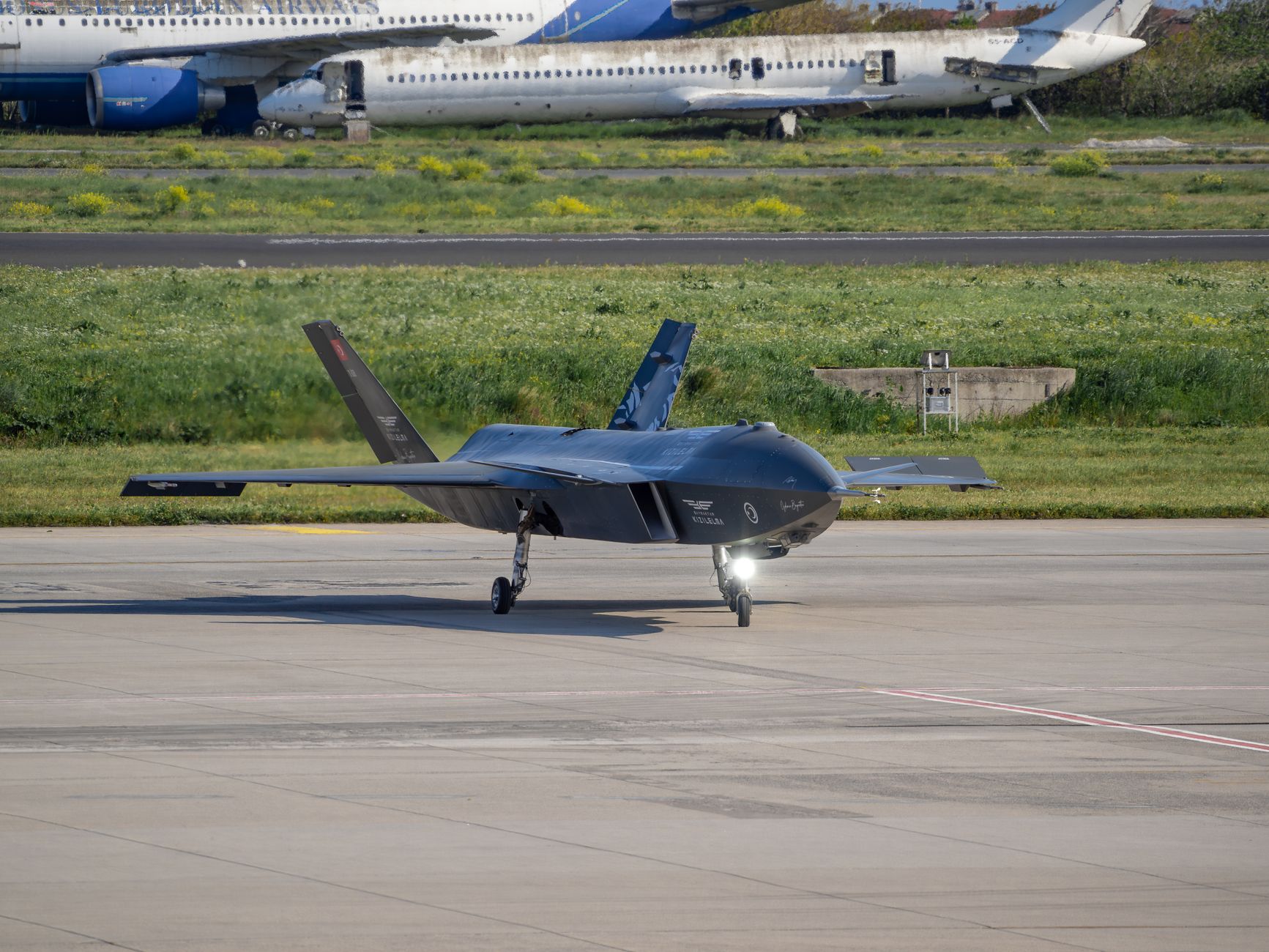
On the ground, the situation is characterized by heightened military readiness and palpable tension across the region. US forces in the Gulf, including naval assets and air defense systems, are operating under increased alert levels, prepared for potential retaliatory actions from Iran. Similarly, Iranian military units, including the Islamic Revolutionary Guard Corps (IRGC) and its naval arm, have been observed conducting exercises and deploying assets in strategic locations, signaling their readiness to defend against perceived threats and execute their stated intentions. This visible military posturing creates an extremely volatile environment where miscalculation or accidental engagement could trigger a rapid and uncontrollable escalation, pushing both sides past the point of no return. The presence of numerous military assets in close proximity amplifies the risk of unintended clashes, making the region a powder keg.
Local populations in Gulf nations are experiencing a growing sense of anxiety and uncertainty. The constant threat of conflict casts a long shadow over daily life, impacting economic activity, tourism, and investment. Businesses are wary of the instability, leading to capital flight and a slowdown in development projects. Residents live with the fear of potential attacks, whether from missiles, drones, or cyber warfare, which could disrupt essential services and endanger lives. The psychological toll of living under such persistent threat is significant, affecting public morale and trust in regional stability. Many are concerned about the long-term implications for their communities and the future prospects of their children in an increasingly volatile region.
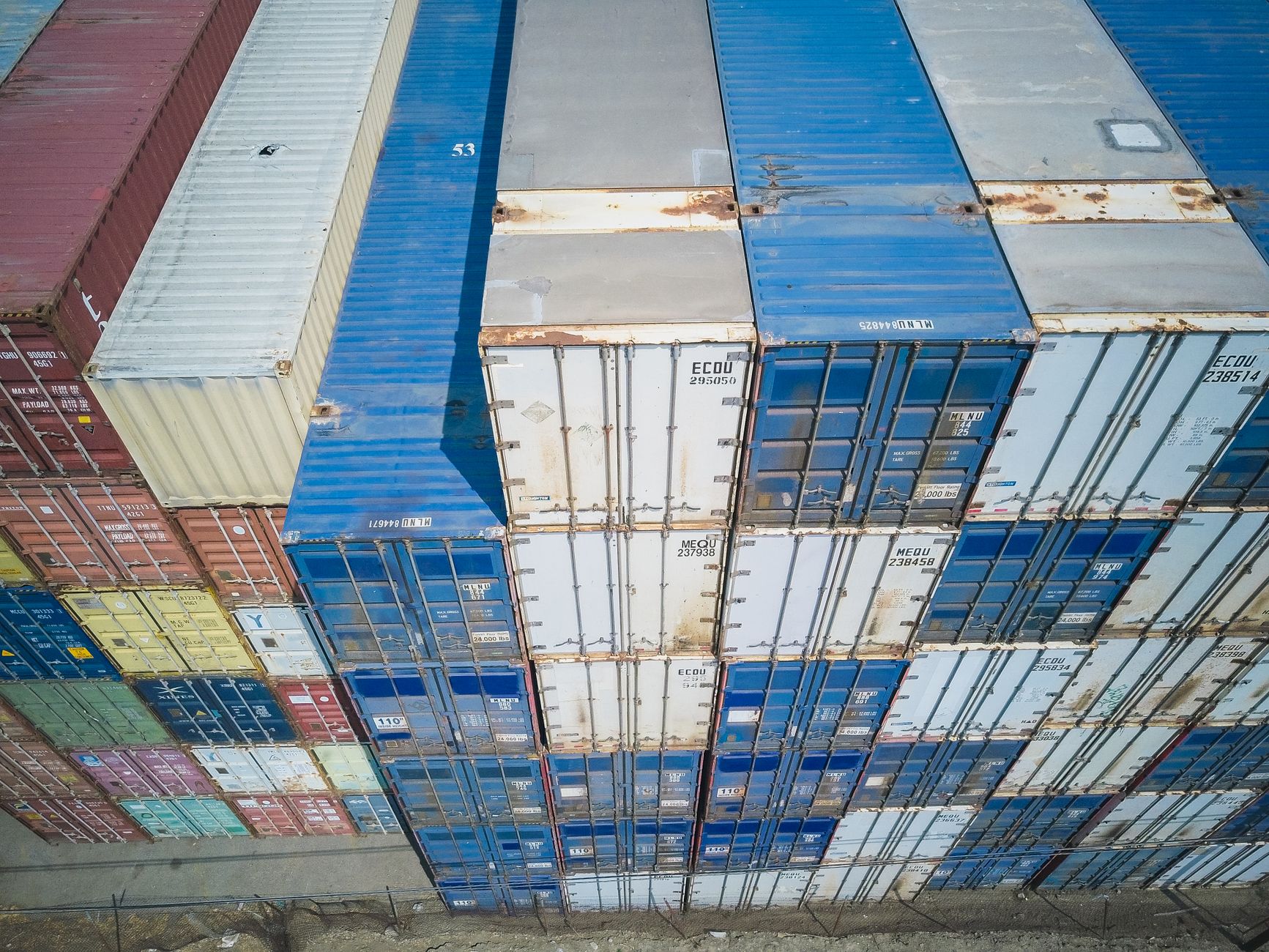
The threats issued by Iran to target Gulf shipping sites are not mere rhetoric; they are backed by a demonstrated capability to disrupt maritime traffic in the Strait of Hormuz. Iran possesses a range of naval assets, including fast attack craft, submarines, and anti-ship missiles, which could be deployed to harass or interdict commercial vessels. Past incidents, such as attacks on tankers and the seizure of ships, underscore Iran's willingness to use these capabilities to exert leverage and retaliate against perceived aggressions. The international shipping community is already on high alert, with insurance premiums soaring and shipping companies reassessing their routes and security protocols. This direct threat to global commerce transforms the regional conflict into an immediate international problem, demanding a robust and coordinated response to ensure the safety of vital trade routes.
What Experts Are Saying
Security analysts are largely in agreement that the current situation represents one of the most dangerous periods in US-Iran relations in decades. Dr. Sarah Khan, a Middle East security expert at the Royal United Services Institute, notes, "We are witnessing a perilous dance on the precipice of direct conflict. Both sides are employing a strategy of brinkmanship, but the margin for error is shrinking rapidly. The risk of miscalculation, or an unintended incident spiraling out of control, is higher than ever before. The lack of direct communication channels exacerbates this danger, making it incredibly difficult to de-escalate once a critical threshold is crossed." Her analysis highlights the inherent instability of the current standoff and the urgent need for diplomatic off-ramps.
Economists and energy market specialists are particularly concerned about the potential impact on global oil prices and supply chains. John Peterson, a senior energy analyst at S&P Global Platts, states, "The Strait of Hormuz is non-negotiable for global energy markets. Any sustained disruption, even a partial one, would send shockwaves through the global economy. We could see crude oil prices spike dramatically, potentially reaching levels not seen in years, triggering inflationary pressures and significantly impacting consumer spending and industrial output worldwide. The insurance market for shipping in the Gulf is already reflecting this heightened risk, with premiums skyrocketing, which ultimately adds to the cost of goods globally." This perspective underscores the immediate and tangible economic threats posed by the escalation.
Diplomatic observers emphasize the critical role of international mediation. Ambassador David Miller, a former US envoy to the region, argues, "The absence of a robust, multilateral diplomatic initiative is deeply troubling. Relying solely on deterrence through military force is a dangerous gamble. What is desperately needed is a concerted effort by neutral parties, perhaps European powers or the UN, to establish back-channel communications and explore avenues for de-escalation. Without a clear diplomatic pathway, both Washington and Tehran are locked into a cycle of escalation that neither side can truly win. The international community must step up and provide a credible alternative to military confrontation before it's too late." This highlights the urgent need for a diplomatic solution to avert a full-scale war.
Frequently Asked Questions
What Happens Next
The immediate future hinges on the response from both Washington and Tehran. Analysts anticipate a period of heightened vigilance and potential further retaliatory actions from Iran, likely targeting maritime assets or regional interests of the US and its allies. The nature and scale of these responses will dictate the next steps from the US, which has consistently affirmed its commitment to protecting its forces and interests. This cycle of action and reaction creates a precarious situation where each move could either de-escalate or further inflame tensions, making the coming days and weeks critical for regional stability. The international community will be closely watching for any signs of restraint or, conversely, further provocative actions.
Diplomatic channels, however limited, will likely be working overtime in the background. European powers, the United Nations, and other neutral states are expected to intensify their efforts to mediate and establish back-channel communications aimed at preventing a full-blown war. These efforts will focus on urging de-escalation, exploring potential off-ramps, and perhaps even proposing frameworks for a temporary ceasefire or a return to some form of dialogue. The challenge lies in finding common ground when both sides feel compelled to demonstrate strength and resolve, making any diplomatic breakthrough incredibly difficult but absolutely essential to avert a wider conflict.
Economically, global markets will remain highly sensitive to any developments. Oil prices will continue to fluctuate wildly, reflecting the perceived risk of supply disruptions in the Gulf. Shipping companies and insurers will adjust their operations and premiums, potentially leading to increased costs for consumers worldwide. Businesses with investments or operations in the Middle East will be reassessing their risk exposure and contingency plans. The long-term outlook will depend heavily on whether a diplomatic solution can be found to stabilize the region, or if the current trajectory leads to a prolonged period of instability and conflict with severe global economic repercussions.








Comments
No comments yet. Be the first to comment!