
At a Glance
- The World Economic Forum in Davos is currently underway, bringing together an influential assembly of global leaders, corporate executives, and policymakers to address the most pressing issues facing humanity.
- This year's summit is acutely focused on navigating a fragmented world, with discussions heavily weighted towards geopolitical conflicts, economic uncertainties, and the accelerating climate crisis, demanding innovative and collaborative solutions.
- Key themes include the ongoing conflicts in Ukraine and the Middle East, the precarious state of the global economy, the rapid advancements and ethical implications of artificial intelligence, and the urgent need for climate action.
- Attendees are grappling with the challenge of fostering international cooperation in an era marked by increasing protectionism and ideological divides, seeking common ground amidst divergent national interests.
- A significant portion of the agenda is dedicated to exploring the future of work, the digital transformation, and ensuring equitable access to technology and economic opportunities across diverse populations.
- The forum serves as a critical platform for informal diplomacy and strategic partnerships, where high-level discussions often lay the groundwork for future policy initiatives and international agreements.
The Record
The World Economic Forum (WEF), an independent international organization for public-private cooperation, has convened its annual meeting in Davos, Switzerland, since 1971. Initially conceived by Professor Klaus Schwab as the 'European Management Forum,' it quickly evolved into a global platform, bringing together leaders from business, government, academia, and civil society to discuss and shape global, regional, and industry agendas. Over its five-decade history, the WEF has become synonymous with high-level dialogue, often serving as a barometer for the world's most pressing challenges and a crucible for potential solutions. Its influence stems from its unique ability to gather decision-makers from across the spectrum, fostering an environment where complex issues can be addressed through multi-stakeholder collaboration.
Historically, Davos has been the backdrop for significant diplomatic breakthroughs and the launch of major global initiatives. For instance, it played a crucial role in the reconciliation efforts between North and South Korea in 1989 and facilitated crucial discussions during the post-Cold War era. In more recent times, the forum has been instrumental in advancing conversations around climate change, global health, and technological governance. While often criticized for being an exclusive gathering of the elite, proponents argue that its capacity to convene disparate powerful actors under one roof is unparalleled, enabling candid conversations that are difficult to replicate elsewhere. The forum's consistent focus on 'improving the state of the world' underscores its enduring mission, even as the global landscape continually shifts.
This year's gathering is particularly poignant, unfolding against a backdrop of escalating geopolitical tensions, persistent economic volatility, and an urgent climate crisis. The theme, 'Rebuilding Trust,' reflects a deep recognition that international cooperation and collective action are more vital, yet more elusive, than ever before. Leaders are confronted with the daunting task of navigating a world increasingly defined by fragmentation and distrust, where traditional alliances are strained and new power dynamics are emerging. The discussions are expected to be robust, challenging participants to move beyond rhetoric and commit to tangible actions that can address the multifaceted crises threatening global stability and prosperity. The stakes are undeniably high, demanding a level of courage and foresight from all attendees.
Who Knew and When
The anticipation for this year's Davos meeting has been building for months, with global analysts and policymakers keenly aware of the converging crises that would dominate the agenda. Experts from institutions like the International Monetary Fund (IMF) and the World Bank had already issued stark warnings about persistent inflation, potential recessionary pressures in key economies, and the escalating debt crises in developing nations. These economic forecasts, widely disseminated since late last year, set a somber tone, indicating that the 'soft landing' many hoped for might be elusive. The pre-Davos briefings highlighted the need for coordinated fiscal and monetary policies to avert a deeper global downturn, a consensus that emerged from various economic summits and reports throughout the latter half of the previous year.
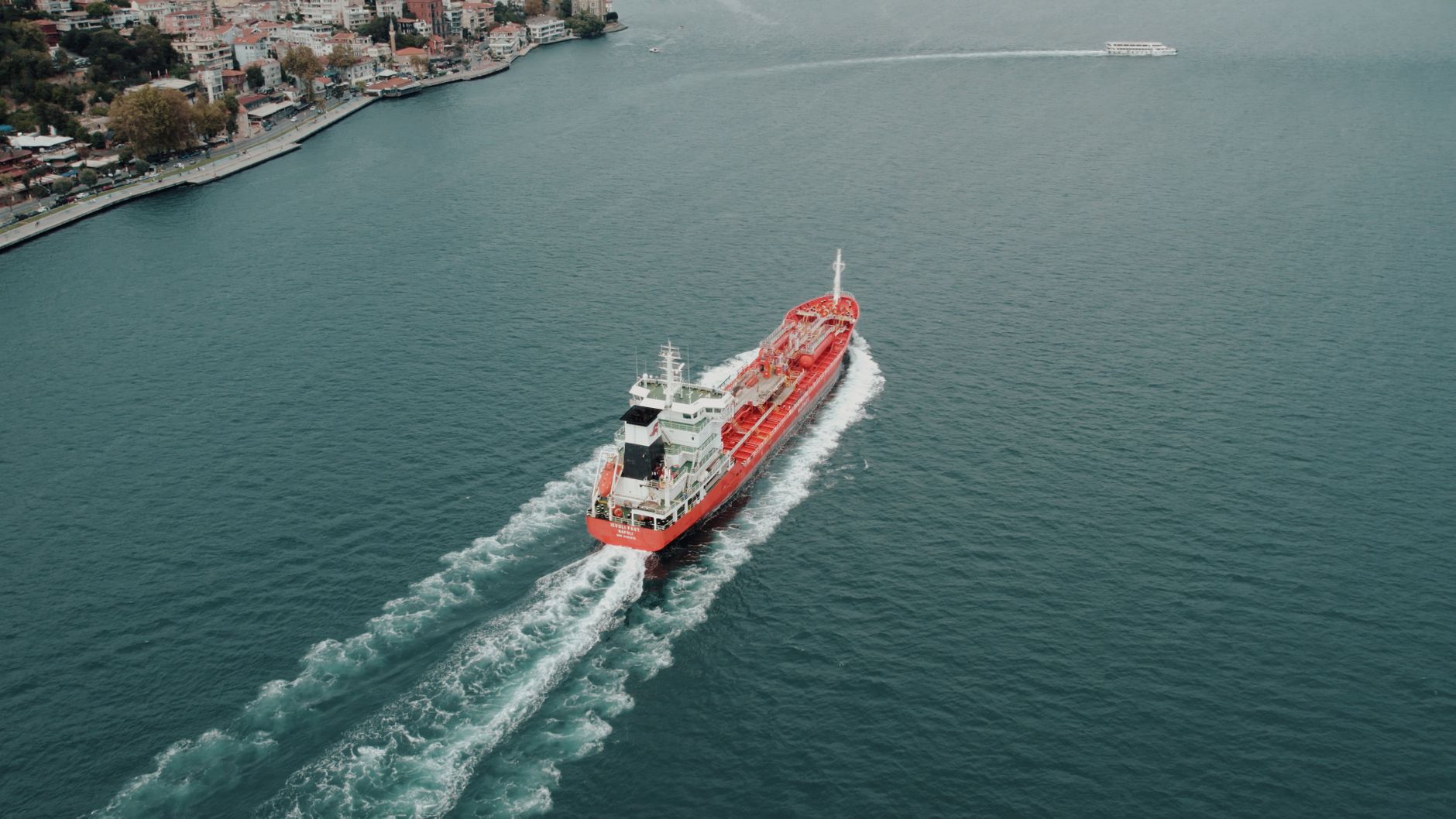
On the geopolitical front, the ongoing war in Ukraine and the deepening humanitarian crisis in the Middle East have been front-page news for considerable time, making their prominence at Davos entirely predictable. Diplomatic circles and intelligence agencies have been sounding alarms about the potential for these regional conflicts to destabilize broader international relations and supply chains. Leaders have been aware of the need for renewed diplomatic efforts and humanitarian aid long before arriving in Davos, with numerous bilateral and multilateral discussions preceding the forum. The sheer scale of human suffering and the economic ripple effects of these conflicts have been well-documented, ensuring they would be central to any serious global discourse.
Furthermore, the urgency of climate action and the transformative, yet disruptive, potential of artificial intelligence have been subjects of intense public and expert debate for at least the past year. Scientific consensus on climate change continues to strengthen, with reports from the IPCC and other bodies consistently underscoring the dwindling window for effective intervention. Similarly, the rapid advancements in AI, particularly generative AI, have prompted widespread discussions among technologists, ethicists, and governments about regulation, job displacement, and societal impact. These topics were not sudden revelations at Davos; rather, they represent the culmination of sustained global conversations and research, signaling a critical juncture where policy frameworks and international cooperation are desperately needed to manage their profound implications.
Voices from the Ground
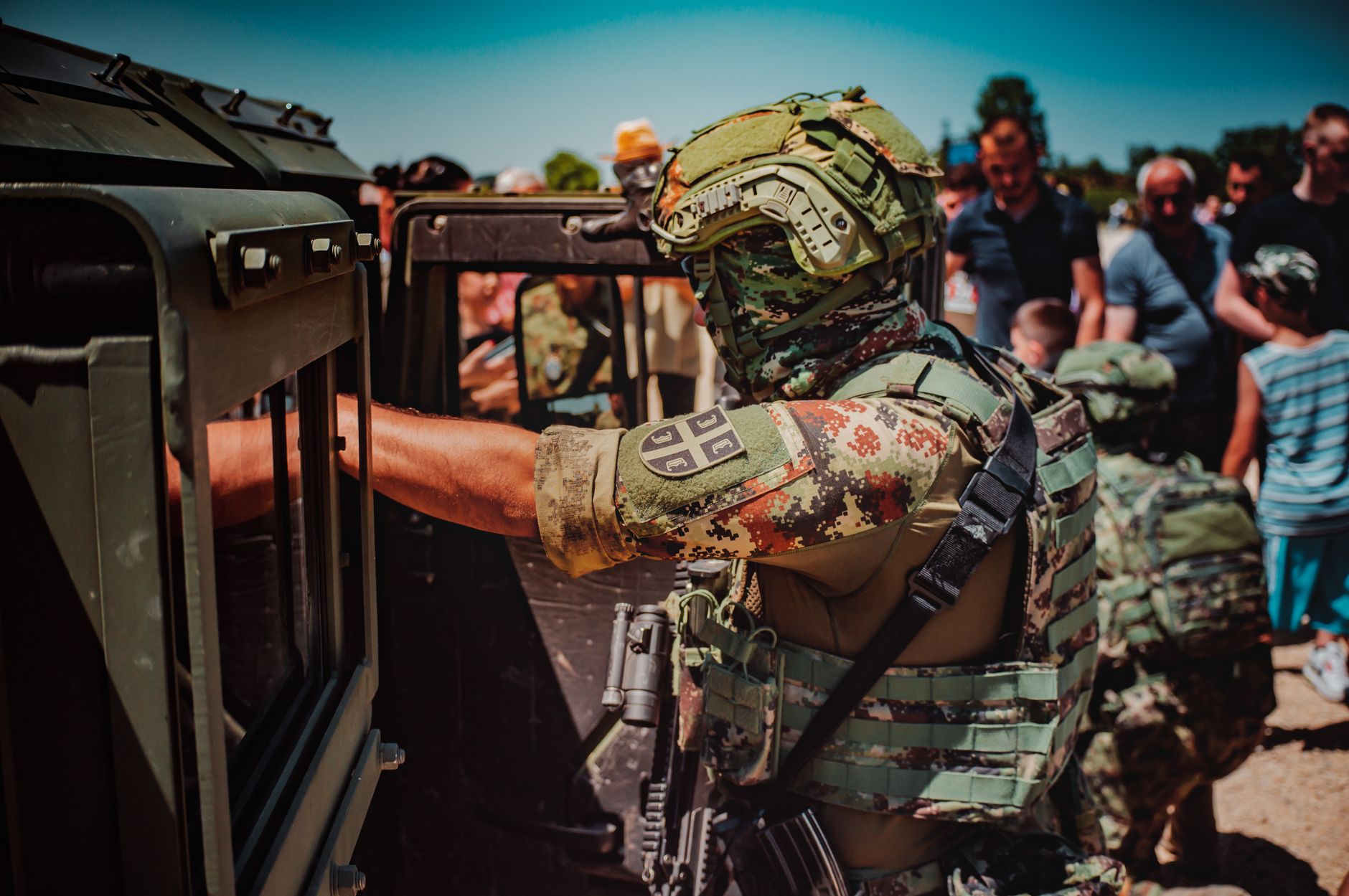
While world leaders and corporate titans deliberate in the rarefied air of Davos, the ground reality for millions remains starkly different. In war-torn regions like Ukraine and Gaza, the voices are of displacement, loss, and an urgent plea for peace and humanitarian aid. Aid workers on the front lines report unprecedented levels of suffering, with basic necessities like food, water, and medical supplies critically scarce. "We hear talk of geopolitical strategy, but what we see are children starving and hospitals overwhelmed," stated a representative from Doctors Without Borders, highlighting the profound disconnect between high-level discussions and the immediate, desperate needs on the ground. These are the voices that underscore the human cost of the conflicts being debated.
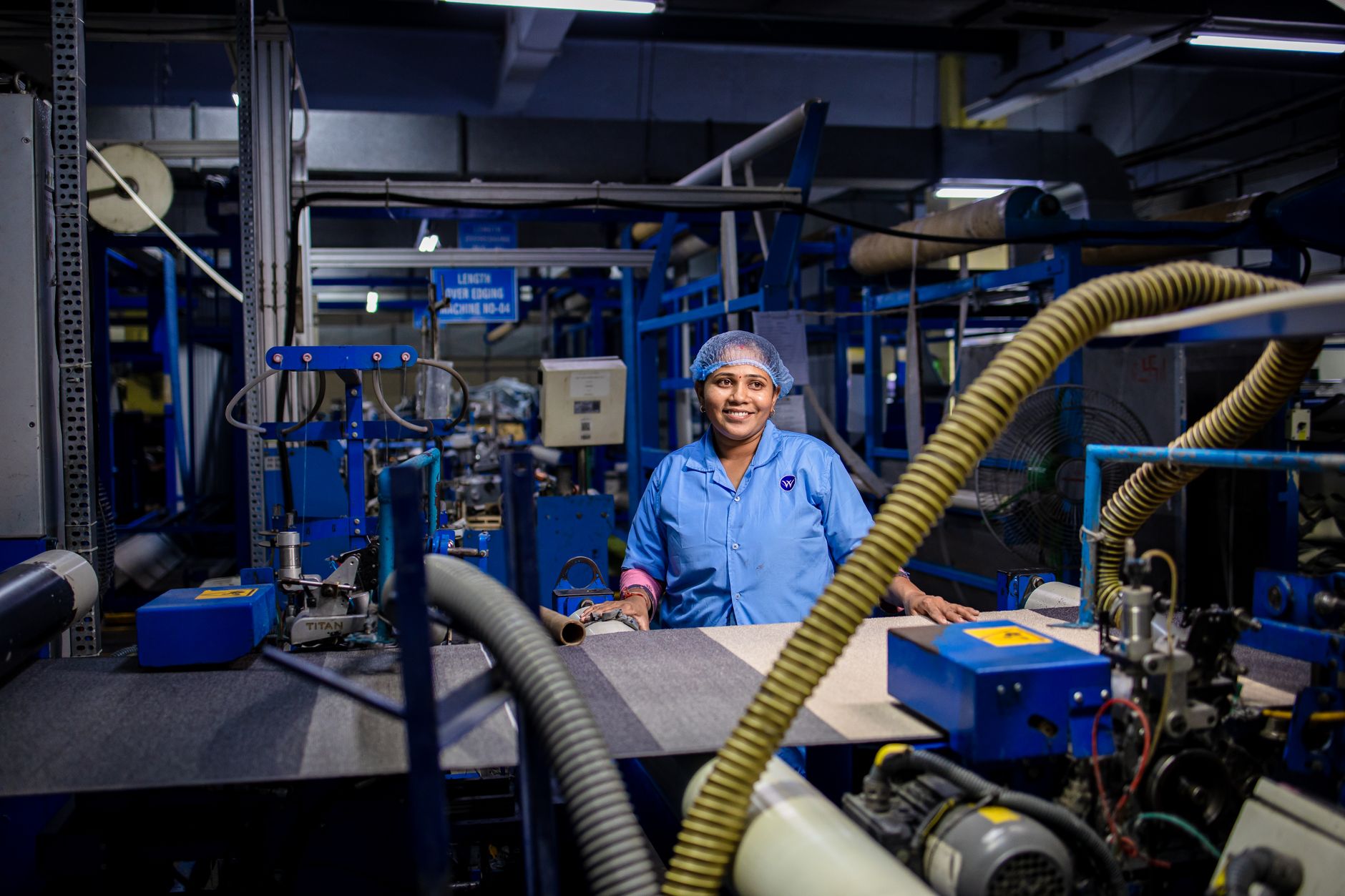
Economically, the impact of global inflation and supply chain disruptions is felt most acutely by ordinary citizens. Small business owners in developing nations describe a daily struggle to keep their enterprises afloat amidst rising costs and dwindling consumer purchasing power. "When they talk about interest rates and economic growth, I think about whether I can afford to buy flour next week," shared a baker from Nairobi, whose business has been hit hard by fluctuating commodity prices. These testimonies reveal the tangible consequences of macroeconomic policies, demonstrating how decisions made in distant boardrooms directly impact livelihoods and household stability, often pushing vulnerable populations further into poverty.
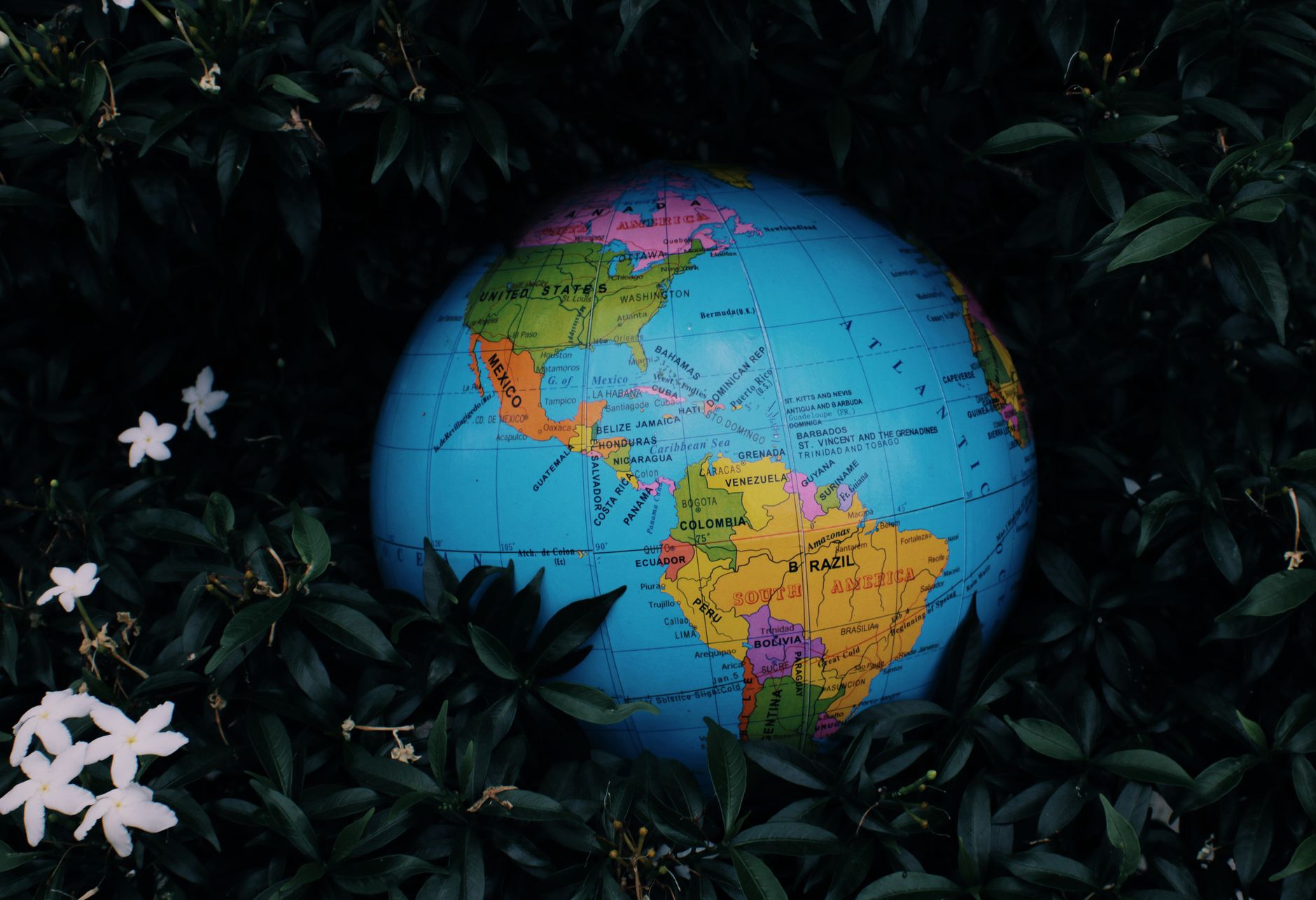
Regarding climate change, communities on the front lines of environmental degradation express a mixture of frustration and resignation. Indigenous leaders from the Amazon, farmers facing unprecedented droughts in Africa, and island nations grappling with rising sea levels articulate a sense of urgency that often seems to elude global policymakers. "We have been warning about this for decades, and still, the pace of change is too slow," remarked an environmental activist from a Pacific island, emphasizing that for many, climate change is not a future threat but a present reality. Their voices serve as a powerful reminder that the abstract concept of climate action translates into immediate survival for countless individuals and communities.
The Debate
The central debate at Davos revolves around the efficacy of multilateralism in an increasingly multipolar and fractured world. One school of thought, championed by many European leaders and international organizations, argues for the urgent necessity of strengthening global institutions and fostering greater cross-border cooperation to tackle shared challenges like climate change, pandemics, and economic instability. Proponents emphasize that no single nation can effectively address these complex issues alone, advocating for renewed commitment to international agreements and frameworks. They believe that collective action, even with its inherent compromises, remains the most viable path to global stability and prosperity, urging a return to a rules-based international order.
Conversely, a growing number of voices, particularly from nations prioritizing national interests and sovereignty, question the effectiveness and fairness of existing multilateral structures. This perspective often highlights the perceived failures of global governance to prevent conflicts, address economic inequalities, or respond adequately to crises. Critics argue that multilateralism, in its current form, is often slow, bureaucratic, and dominated by a few powerful states, failing to represent the diverse interests of all nations. They advocate for more flexible, issue-specific coalitions and bilateral agreements, suggesting that a more pragmatic, less ideological approach to international relations is needed in a world where national self-preservation often takes precedence.
A third, more nuanced perspective seeks to bridge this divide, proposing a 'reformed multilateralism' that acknowledges the limitations of current systems while still recognizing the indispensable role of global cooperation. This viewpoint suggests that while traditional institutions may need modernization and greater inclusivity, abandoning them entirely would be catastrophic. Advocates for this approach call for innovative solutions that combine top-down global frameworks with bottom-up, localized initiatives, empowering diverse stakeholders beyond just national governments. The debate is not merely academic; its outcome will profoundly shape the future of international relations, determining whether the world moves towards greater integration or further fragmentation in response to its most pressing challenges.

Your Questions Answered
What Accountability Looks Like
Ensuring accountability for the commitments made at Davos is a perennial challenge, given the forum's nature as a discussion platform rather than a legislative body. However, accountability can manifest in several crucial ways. Firstly, the WEF itself publishes reports and tracks the progress of initiatives launched or discussed at its meetings, providing a degree of transparency on whether stated goals are being pursued. This includes monitoring the advancement of specific projects, such as those related to climate finance or digital inclusion, and publicly reporting on their status. While not legally binding, this public record serves as a benchmark against which participants' subsequent actions can be measured, fostering a sense of responsibility among attendees.
Secondly, the presence of a global media contingent and civil society watchdogs at Davos plays a vital role in holding leaders accountable. Journalists scrutinize statements and pledges, comparing them against real-world actions and outcomes. Non-governmental organizations (NGOs) often organize parallel events and issue critical reports, directly challenging leaders to move beyond rhetoric and implement concrete changes. This external pressure from media and advocacy groups creates a powerful incentive for attendees to follow through on their commitments, as their reputations and public trust are on the line. The court of public opinion, amplified by these stakeholders, serves as a significant accountability mechanism.
Ultimately, true accountability for the discussions at Davos rests with the individual leaders and organizations themselves. When heads of state pledge to address climate change or CEOs commit to ethical AI development, their respective governments and companies are expected to translate these intentions into policy and practice. Citizens, shareholders, and constituents then become the ultimate arbiters of whether these commitments are honored. The impact of Davos is not just in the conversations held, but in the subsequent actions taken by its powerful participants, making their ongoing performance in their respective spheres the most significant measure of the forum's long-term effectiveness and their personal accountability.







Comments
No comments yet. Be the first to comment!