
Key Takeaways
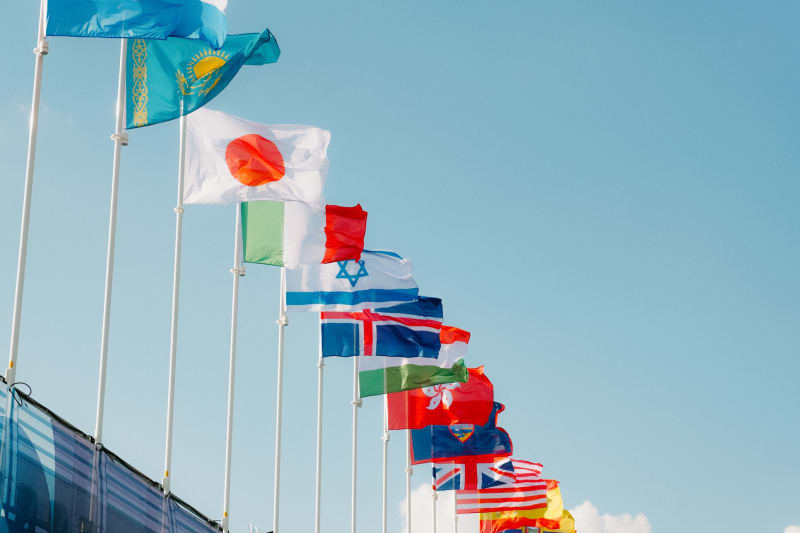
- The G7 summit in Biarritz, France, is currently underway, bringing together the leaders of the world's most industrialized democracies to address pressing global challenges and coordinate policy responses.
- A significant focus of the summit is the unexpected diplomatic opening between the United States and Iran, following weeks of heightened tensions and concerns over potential military confrontation in the Persian Gulf.
- French President Emmanuel Macron has taken a proactive role in facilitating dialogue, inviting Iranian Foreign Minister Javad Zarif to Biarritz for impromptu talks, signaling a concerted effort to de-escalate the situation.
- While direct talks between President Trump and Iranian officials have not yet materialized, the presence of Zarif at the summit's periphery represents a crucial step towards potential future negotiations and a reduction in regional instability.
- Beyond the Iran issue, G7 leaders are grappling with a complex agenda including escalating trade disputes, the ongoing climate crisis, the digital economy's regulation, and the future of global alliances in an increasingly multipolar world.
- The summit's outcome will heavily influence international relations and economic stability in the coming months, with leaders under immense pressure to demonstrate unity and effective leadership on these critical global issues.
Background
The annual G7 summit, comprising Canada, France, Germany, Italy, Japan, the United Kingdom, and the United States, serves as a pivotal forum for discussing and coordinating responses to global economic and political challenges. This year's gathering in Biarritz, France, under the presidency of Emmanuel Macron, was already set to be a high-stakes affair, with a packed agenda ranging from trade wars and climate change to the future of multilateralism. However, the sudden, dramatic development concerning US-Iran relations has undeniably overshadowed many of these pre-planned discussions, thrusting the summit into an unexpected role as a potential mediator for one of the world's most volatile geopolitical standoffs.
Tensions between Washington and Tehran have been escalating steadily since the US unilaterally withdrew from the Joint Comprehensive Plan of Action (JCPOA), commonly known as the Iran nuclear deal, in May 2018. This withdrawal was followed by the re-imposition of crippling economic sanctions by the Trump administration, designed to pressure Iran into negotiating a new, more comprehensive agreement. Iran, in response, has gradually reduced its commitments under the nuclear deal, leading to fears of a full-blown nuclear crisis and military confrontation in the strategically vital Persian Gulf, impacting global oil supplies and regional stability.
Against this backdrop of heightened rhetoric and military posturing, French President Macron has emerged as a key diplomatic player. His persistent efforts to de-escalate the situation, including direct communication with both US and Iranian leaders, culminated in the surprising invitation of Iranian Foreign Minister Javad Zarif to Biarritz. This bold move, while not guaranteeing a breakthrough, has injected a much-needed element of hope into a situation previously characterized by impasse and escalating threats, demonstrating a proactive approach to prevent a wider conflict and foster dialogue.
Why It Matters
The potential for a diplomatic breakthrough between the US and Iran at the G7 summit carries immense global significance. A direct confrontation in the Persian Gulf would not only devastate the region but also send shockwaves through the global economy, particularly impacting oil prices and international trade routes. The stakes are incredibly high, making any movement towards de-escalation a critical development for global stability. Failure to find a diplomatic path could plunge the world into a new era of uncertainty and conflict, with far-reaching humanitarian and economic consequences that no nation can afford to ignore.
Beyond the immediate crisis, the G7's handling of this situation will serve as a crucial test of multilateralism in an era often defined by unilateral actions and protectionist tendencies. If the world's leading democracies can collectively facilitate dialogue and de-escalation, it could reinvigorate faith in international cooperation as a means to resolve complex geopolitical challenges. Conversely, a failure to make progress could further erode the credibility of international institutions and collaborative diplomacy, pushing nations towards more isolationist or confrontational approaches to foreign policy.
Furthermore, the summit's ability to address other pressing issues, such as climate change, digital taxation, and global trade imbalances, is directly impacted by the overshadowing Iran crisis. While the focus on Iran is understandable given its urgency, neglecting these other critical areas could have long-term detrimental effects on global prosperity and sustainability. The leaders must demonstrate their capacity to multitask, managing immediate crises while also laying groundwork for future challenges, ensuring that the G7 remains a relevant and effective forum for global governance.
Ground Reality
The ground reality in Biarritz is a delicate dance of high-stakes diplomacy, where every gesture and statement is meticulously scrutinized. While Iranian Foreign Minister Javad Zarif's presence marked a significant symbolic step, it's crucial to understand that direct, face-to-face negotiations between President Trump and Iranian officials have not yet occurred. The initial talks involved Zarif meeting with French officials, and later, with British and German counterparts, aiming to build consensus and a framework for potential broader discussions. This indirect approach highlights the deep mistrust and complex political hurdles that still need to be overcome before any substantive breakthrough can be achieved.
Inside the summit, leaders are grappling with differing approaches to the Iran issue. While France and other European nations advocate for de-escalation and preserving the nuclear deal, the US position remains firm on maximum pressure and a new, more comprehensive agreement. This divergence in strategy complicates the path forward, requiring skillful negotiation to find common ground that satisfies all parties, or at least creates enough space for further dialogue. The challenge lies in bridging these ideological and strategic gaps without alienating key allies or emboldening adversaries.
Meanwhile, the broader G7 agenda continues to unfold, albeit with less media attention. Discussions on global trade, particularly the ongoing US-China trade war, are proving contentious, with leaders struggling to find common ground on protectionism versus free trade. Climate change remains a significant point of contention, with some nations pushing for more aggressive action while others express reservations. The summit's ability to deliver concrete outcomes on these diverse issues, while simultaneously navigating the Iran crisis, will ultimately define its success or failure in the eyes of the international community.
What Experts Are Saying
Analysts are largely cautiously optimistic about the diplomatic opening, but many warn against premature celebration. Dr. Emma Ashford, a senior fellow at the Atlantic Council, noted, "While Zarif's presence is a positive sign, it's merely the first step in what will be a long and arduous process. The fundamental disagreements between the US and Iran remain, and bridging that gap will require significant concessions from both sides, which are not yet evident." This perspective underscores the deep-seated issues that cannot be resolved with a single meeting, emphasizing the need for sustained, patient diplomacy.
Regional security experts, such as Professor Michael Eisenstadt from the Washington Institute for Near East Policy, highlight the critical role of European mediation. "Macron's initiative is crucial because it provides a neutral ground for initial contact, bypassing the direct communication barriers that have plagued US-Iran relations," Eisenstadt stated. "However, the real test will be whether this initial contact can translate into a concrete roadmap for de-escalation and eventual negotiations, rather than just a photo opportunity. The risk of miscalculation remains high without clear communication channels." This emphasizes the importance of the European role in facilitating dialogue.
Economists are also weighing in, emphasizing the potential economic benefits of de-escalation. "A reduction in US-Iran tensions would immediately ease pressure on global oil markets and reduce geopolitical risk premiums," explained Dr. Sarah Bloom Raskin, a former Federal Reserve governor. "This could provide a much-needed boost to global economic sentiment, which is currently fragile due to ongoing trade disputes. However, sustained economic stability requires a lasting diplomatic solution, not just a temporary reprieve." Her analysis points to the broader economic implications of the current geopolitical climate.
Frequently Asked Questions
What Happens Next
The immediate aftermath of the G7 summit will be closely watched for any concrete follow-up actions regarding US-Iran relations. While a direct meeting between Trump and Zarif did not materialize in Biarritz, the groundwork for future dialogue may have been laid. The next steps will likely involve continued back-channel diplomacy, potentially through European intermediaries, to establish a more formal framework for negotiations. Both sides will need to signal a genuine willingness to compromise, and the specific terms for any future talks, including the agenda and preconditions, will be subject to intense negotiation and scrutiny.
Beyond Iran, the G7 leaders will return to their respective capitals with the task of implementing any agreements or understandings reached on other critical issues. This includes navigating ongoing trade disputes, particularly between the US and China, and translating climate change rhetoric into actionable policies. The effectiveness of the G7's collective response to these challenges will be tested in the coming months, as nations grapple with economic uncertainties and the urgent need for environmental action. The world will be looking for tangible results, not just declarations, from these powerful leaders.
The success or failure of the Biarritz summit in fostering de-escalation and cooperation will significantly influence the trajectory of international relations for the remainder of the year. A positive outcome could inject much-needed confidence into multilateral institutions, demonstrating that even the most intractable problems can be addressed through dialogue. Conversely, if the diplomatic efforts falter, the risk of renewed tensions and geopolitical instability will undoubtedly rise, leaving the global community facing a more uncertain and potentially perilous future. The stakes remain incredibly high for all involved.







Comments
No comments yet. Be the first to comment!