
The Story in Brief
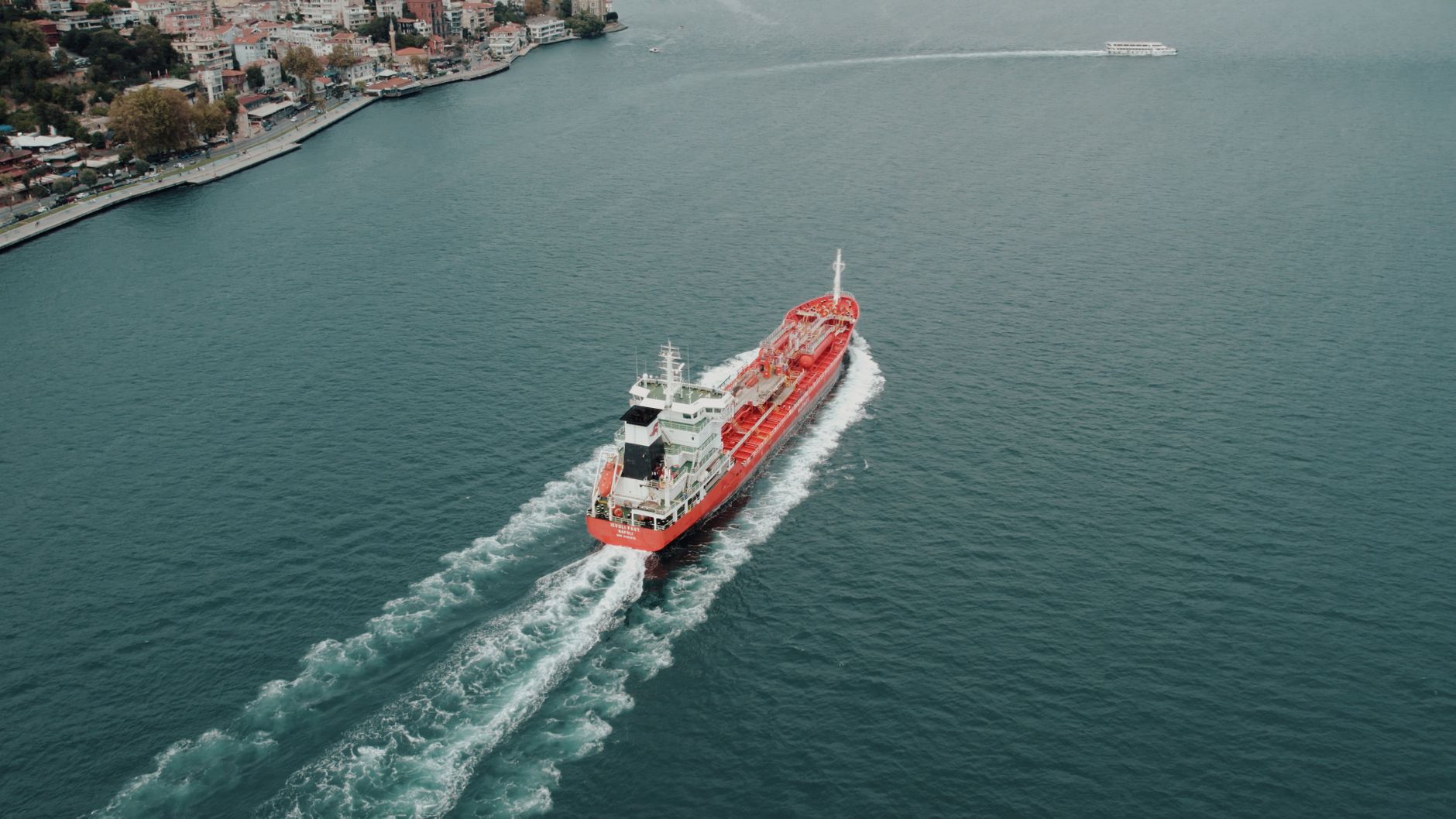
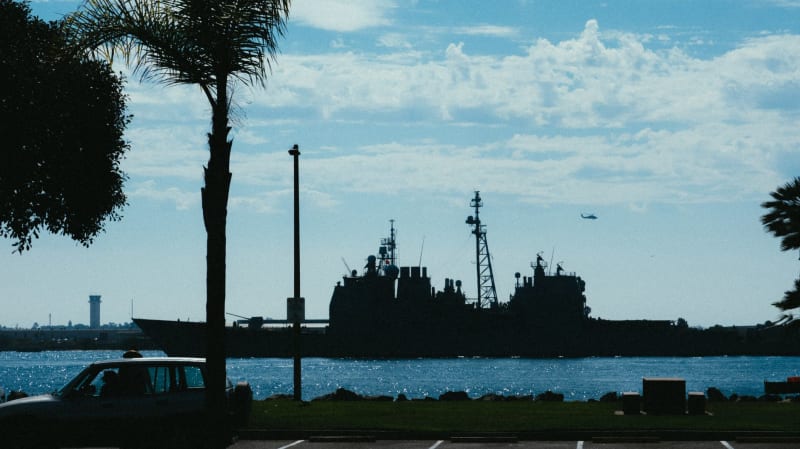
- The United States military has significantly escalated its operations in the Persian Gulf, directly targeting and disabling an Iranian naval vessel as part of an intensified effort to enforce a strategic blockade.
- This aggressive action marks a critical turning point in the long-standing tensions between Washington and Tehran, moving beyond sanctions and rhetoric to overt military engagement in international waters.
- The disabled Iranian ship, reportedly a logistics or intelligence gathering vessel, was rendered inoperable following precision strikes, effectively removing it from active service and disrupting Iran's maritime capabilities.
- The blockade aims to choke off critical supply lines and prevent the illicit transfer of weapons and resources, which the US alleges are fueling regional instability and supporting proxy groups.
- International observers are expressing grave concerns that this direct confrontation could quickly spiral into a wider regional conflict, drawing in other major powers and destabilizing global energy markets.
- Both the US and Iran have issued strong statements, with Washington asserting its right to protect international shipping and Tehran condemning the act as a blatant violation of its sovereignty and an act of war.
The Human Face
While the headlines focus on naval maneuvers and geopolitical chess, the human cost of escalating tensions in the Persian Gulf is often overlooked. Fishermen, merchant sailors, and coastal communities in the region live under a constant shadow of uncertainty, their livelihoods and daily lives directly impacted by every military escalation. The recent disabling of an Iranian vessel, regardless of its military designation, sends ripples of fear through these populations, many of whom rely on the stability of maritime trade for their very survival. Their quiet routines are now punctuated by the distant thud of naval exercises and the ever-present threat of conflict.
For families living along the Strait of Hormuz, a vital chokepoint for global oil supplies, the stakes are incredibly high. Children grow up accustomed to the sight of warships, and parents constantly worry about the safety of their loved ones who work at sea. The economic repercussions of disrupted shipping lanes, increased insurance premiums, and the potential for environmental disasters from damaged vessels would devastate these communities, pushing already vulnerable populations further into hardship. This isn't just about abstract national interests; it's about the very real struggles of people trying to make ends meet in an increasingly volatile environment.
Beyond the immediate dangers, the psychological toll of living in a perpetual state of heightened alert is immense. The constant threat of conflict fosters anxiety and distrust, eroding the fabric of daily life. Aid organizations are already bracing for potential humanitarian crises, understanding that any significant military engagement would displace thousands and create urgent needs for food, shelter, and medical care. The human face of this geopolitical standoff is one of resilience, yes, but also of profound vulnerability, a stark reminder that military actions have far-reaching and deeply personal consequences for ordinary citizens caught in the crossfire.
How We Got Here
The current escalation is the culmination of decades of fraught relations between the United States and Iran, punctuated by periods of intense hostility and fleeting attempts at diplomacy. Following the 1979 Iranian Revolution, the two nations embarked on a path of mutual distrust, exacerbated by events such as the hostage crisis and Iran's pursuit of nuclear capabilities. Sanctions, covert operations, and proxy conflicts have been the primary tools of engagement, creating a deeply entrenched adversarial dynamic that has proven incredibly difficult to de-escalate. Each perceived provocation from one side has historically been met with a proportionate, or often disproportionate, response from the other, fueling a dangerous cycle.
A pivotal moment in recent history was the US withdrawal from the Joint Comprehensive Plan of Action (JCPOA), commonly known as the Iran nuclear deal, in 2018. This decision, made by the Trump administration, dismantled a painstakingly negotiated agreement designed to curb Iran's nuclear program in exchange for sanctions relief. The subsequent re-imposition of crippling economic sanctions by the US severely impacted Iran's economy, leading Tehran to gradually roll back its commitments under the deal and intensify its regional activities, including support for various non-state actors and expansion of its ballistic missile program. This move effectively removed a critical diplomatic off-ramp and pushed both nations closer to direct confrontation.
In the immediate lead-up to this recent military action, there has been a significant uptick in maritime incidents in the Persian Gulf and surrounding waters. These have included attacks on oil tankers, drone incursions, and seizures of commercial vessels, all attributed by various intelligence agencies to either Iran or its proxies. The US has consistently cited these incidents as justification for its increased military presence and the need to secure international shipping lanes. The disabling of the Iranian ship represents a dramatic shift from defensive posturing to offensive action, indicating a strategic decision by the US to enforce its blockade with kinetic force, signaling a new and dangerous phase in this long-running geopolitical drama.
Why This Cannot Be Ignored
The disabling of an Iranian vessel by US forces is not merely an isolated incident; it represents a profound escalation that carries immense global ramifications. This direct military engagement in a highly volatile region significantly increases the risk of a full-scale conflict, which could quickly draw in other regional and international powers. The Strait of Hormuz, where many of these incidents occur, is a critical chokepoint for global oil supplies, with approximately 20% of the world's petroleum passing through it daily. Any sustained disruption to this vital artery would send shockwaves through the global economy, leading to skyrocketing oil prices, supply chain chaos, and potential recessions in energy-dependent nations.
Beyond economic instability, a broader conflict in the Middle East would have devastating humanitarian consequences. Millions of people could be displaced, exacerbating existing refugee crises and straining international aid resources to their breaking point. The loss of life, both civilian and military, would be immense, and the long-term destabilization of the region could create fertile ground for extremist groups, further complicating future peace efforts. The ripple effects of such a conflict would be felt far beyond the immediate battlegrounds, impacting global security, international alliances, and the very principles of international law.
Furthermore, this incident challenges the delicate balance of power and international norms. The use of kinetic force to enforce a blockade, even if justified by previous provocations, sets a dangerous precedent for how nations might resolve disputes in the future. It could embolden other actors to take similar unilateral actions, leading to a more unpredictable and dangerous world order. Diplomatic channels, already strained, face immense pressure to de-escalate the situation before it spirals out of control. The world cannot afford to ignore this development; the potential for widespread instability and human suffering is too great, demanding immediate and concerted international attention.
Possible Paths Forward
Navigating the current crisis demands a multifaceted approach, with several distinct paths forward, each fraught with its own set of risks and potential rewards. One immediate option is a robust diplomatic offensive, involving multilateral negotiations facilitated by neutral parties. This would entail opening direct communication channels between Washington and Tehran, potentially with the involvement of European powers or the UN, to establish clear red lines, de-escalate military posturing, and explore avenues for a renewed nuclear agreement or a broader regional security framework. The goal would be to move away from the brink of conflict through dialogue, even if initial talks are difficult and contentious. This path prioritizes long-term stability over short-term military gains.
Another path involves maintaining the current posture of heightened military pressure, coupled with targeted sanctions, to compel Iran to alter its behavior. This strategy assumes that sustained pressure, including the enforcement of blockades and readiness for further military action, will eventually force Tehran to return to the negotiating table on more favorable terms. However, this approach carries significant risks, as it could provoke further retaliatory actions from Iran, leading to an uncontrolled escalation. The delicate balance between deterrence and provocation would need to be meticulously managed to avoid tipping into open warfare, demanding constant reassessment of the situation and clear communication of intentions to avoid miscalculation.
A third, more concerning path, is the possibility of further military escalation, either through deliberate action or miscalculation. Should either side misinterpret the other's intentions or respond disproportionately to a perceived threat, the conflict could rapidly expand beyond maritime skirmishes. This could involve strikes on land-based targets, cyberattacks on critical infrastructure, or even direct clashes between air forces. The international community must exert maximum pressure to prevent this scenario, advocating for restraint and emphasizing the catastrophic consequences of a full-blown war in the region. Ultimately, the path chosen will determine not only the fate of US-Iran relations but also the stability of the entire Middle East and, by extension, global security and economic well-being.
Questions People Are Actually Asking
What to Watch
- **Iranian Response:** Closely monitor any official statements or military actions from Tehran. Will they retaliate directly, through proxies, or opt for a more diplomatic but firm condemnation? The nature and scale of their immediate response will be a critical indicator of their strategic intentions.
- **Diplomatic Engagements:** Watch for any signs of back-channel diplomacy or official statements from international bodies like the UN, or major powers like China and Russia. Are there efforts to mediate or de-escalate, or is the international community largely divided on the issue?
- **Oil Market Volatility:** Keep a keen eye on global oil prices and shipping insurance rates in the Persian Gulf. Significant spikes would indicate market fear of further disruptions and a potential broader conflict, impacting global economic stability.
- **US Military Posture:** Observe any further deployments of US naval or air assets to the region, or changes in their rules of engagement. An increased military footprint could signal preparations for further actions or a sustained enforcement of the blockade.
- **Regional Proxy Activity:** Monitor the activities of Iran-backed groups in Yemen, Iraq, Syria, and Lebanon. An uptick in attacks or provocations from these groups against US interests or allies could indicate an indirect Iranian response to the US action.
- **Statements from Allies:** Pay attention to how key US allies, particularly European nations and Gulf states, react. Their unified or fractured responses will influence the international pressure on both Washington and Tehran, potentially shaping future diplomatic or military strategies.














Comments
No comments yet. Be the first to comment!