
At a Glance
- President Zelenskyy has controversially dismissed his defense minister, sparking a significant political upheaval within Ukraine's wartime government.
- The dismissal comes amidst mounting allegations of corruption within the Ministry of Defense, fueling public outrage and calls for greater transparency.
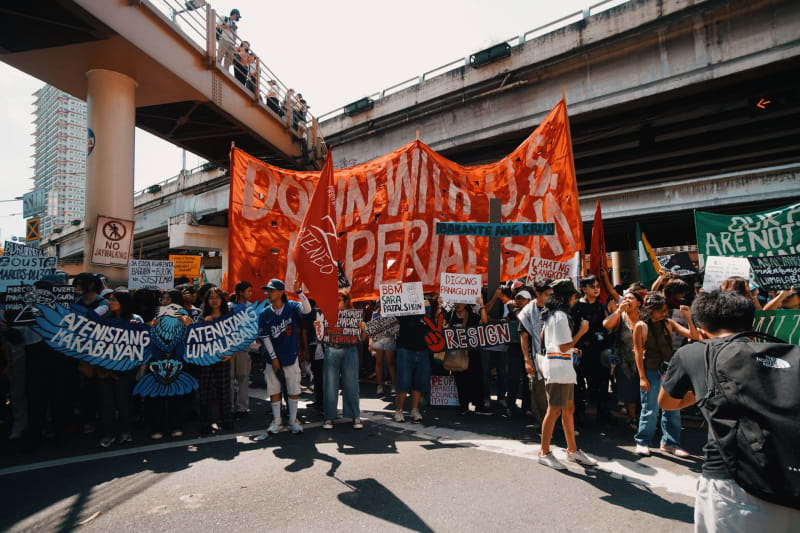
- Widespread protests have erupted across major Ukrainian cities, with citizens demanding accountability and expressing deep concerns over governmental integrity during a national crisis.
- International allies are closely monitoring the situation, with many emphasizing the critical need for Ukraine to maintain stability and uphold democratic principles to secure continued support.
- The timing of this leadership change is particularly sensitive, occurring as Ukraine navigates a protracted conflict and prepares for crucial counter-offensives against invading forces.
- This internal political turmoil risks distracting from the urgent military objectives and could potentially undermine both domestic morale and international confidence in Ukraine's leadership.
The Record
The decision by President Volodymyr Zelenskyy to remove his defense minister marks a pivotal moment in Ukraine's wartime governance. While the exact reasons cited for the dismissal remain somewhat veiled, it is widely understood to be a direct response to a burgeoning scandal involving alleged corruption within the defense ministry. This move, though decisive, has ignited a firestorm of debate both domestically and among Ukraine's international partners, raising critical questions about the stability of the government and its commitment to anti-corruption efforts amidst an existential conflict.
The former defense minister, a figure who had been instrumental in coordinating international military aid and bolstering Ukraine's defenses, found himself increasingly embroiled in accusations of malfeasance. These allegations, ranging from procurement irregularities to embezzlement, have cast a long shadow over the ministry's operations, threatening to erode public trust at a time when national unity is paramount. The president's action, therefore, can be seen as an attempt to decisively address these concerns and demonstrate a firm stance against corruption, a persistent challenge in Ukrainian politics.
However, the timing and abruptness of the dismissal have also fueled speculation and political maneuvering. Critics argue that while accountability is necessary, such a high-profile change in leadership during active hostilities could destabilize the war effort and create an impression of disarray. Supporters, conversely, contend that swift action against corruption is precisely what is needed to maintain morale, ensure efficient use of resources, and reassure international donors that their aid is being managed responsibly. The fallout from this decision will undoubtedly shape Ukraine's political landscape for months to come.
Who Knew and When
The whispers of corruption within the Ministry of Defense were not new; they had been circulating in Ukrainian media and among anti-corruption activists for several months prior to the official dismissal. Early reports, often dismissed as speculative, began to gain traction as investigative journalists uncovered more concrete evidence of questionable procurement practices, particularly concerning supplies for the armed forces. These initial revelations, though met with official denials, laid the groundwork for the eventual public outcry and the president's intervention.
As the evidence mounted, particularly through detailed reports from independent media outlets and NGOs, the pressure on President Zelenskyy's administration intensified. Key figures within the government, including some parliamentary deputies and advisors, were reportedly made aware of the gravity of the situation weeks before the public announcement. Internal discussions likely revolved around the political ramifications of such a high-profile dismissal during wartime, weighing the need for decisive action against the potential for internal instability and external perception challenges.
The decision to act appears to have been solidified as the allegations became too widespread and credible to ignore, threatening to undermine both domestic support for the war effort and crucial international aid. The timing of the public announcement, following a period of intense internal deliberation, suggests a strategic move to preempt further damage to the government's reputation and to demonstrate a commitment to transparency. This indicates that while the public was surprised by the suddenness, the move was likely the culmination of weeks, if not months, of internal awareness and mounting pressure.
Voices from the Ground
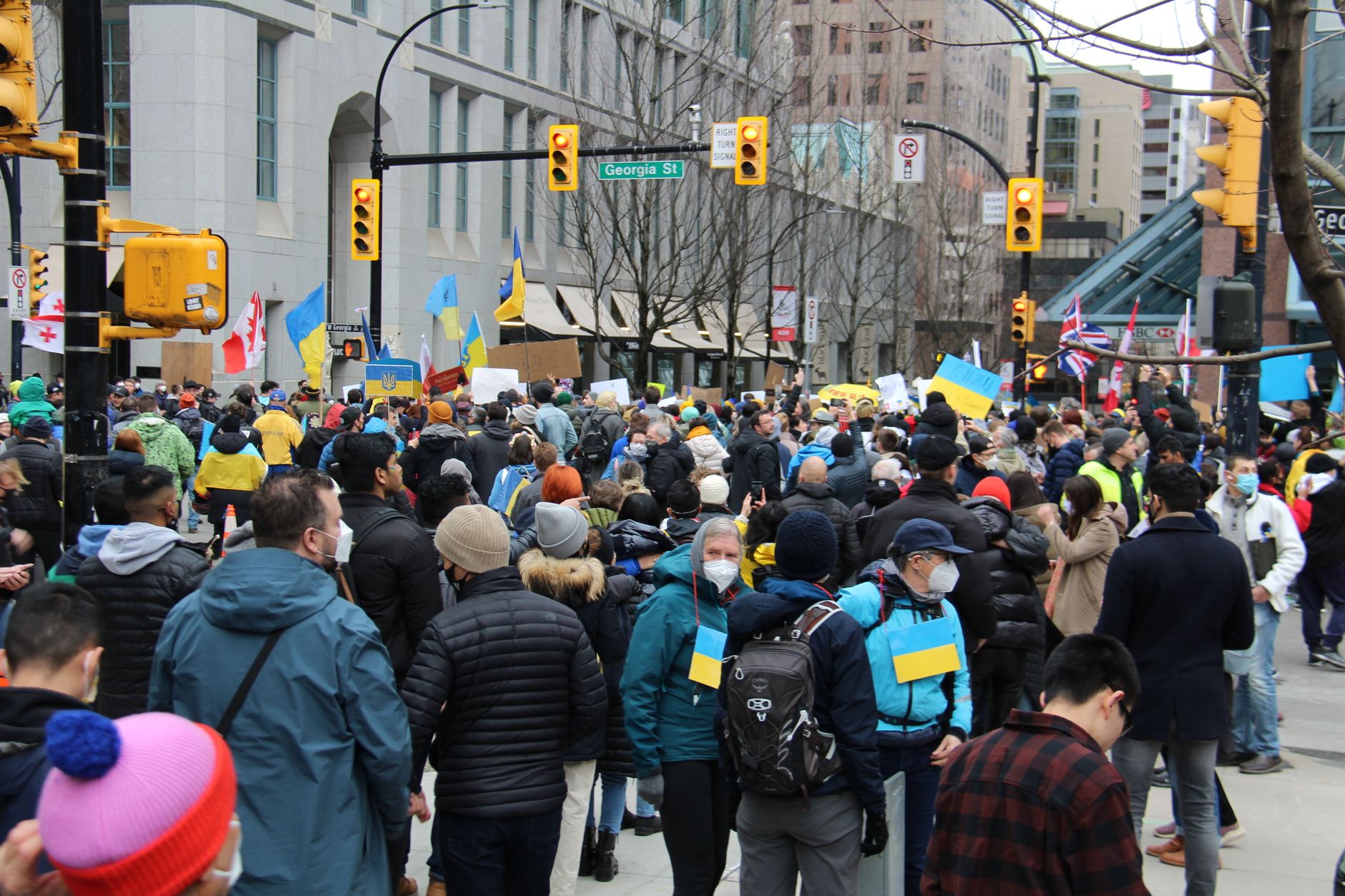
Across Ukraine, the public reaction to the defense minister's dismissal has been a complex mix of anger, relief, and apprehension. In Kyiv, thousands have taken to the streets, their chants echoing demands for justice and an end to systemic corruption. "We are fighting for our freedom against an external aggressor, but we also need to fight against internal enemies like corruption," stated Oksana Bilozir, a student protesting near Maidan Nezalezhnosti. "Our soldiers are dying, and some officials are enriching themselves. This is unacceptable and a betrayal of their sacrifice."
Soldiers on the front lines, many of whom rely on the very supplies allegedly subject to corruption, have expressed a profound sense of betrayal. A sergeant, who preferred to remain anonymous for security reasons, shared from a trench near Bakhmut: "When we hear about money being stolen from defense funds, it feels like a stab in the back. We need every bullet, every piece of equipment. This affects our morale directly. We hope this change brings real accountability and better support." Their voices underscore the immediate, tangible impact of corruption on those bearing the brunt of the conflict.
Conversely, some citizens and political observers express cautious optimism, viewing the dismissal as a necessary, albeit painful, step towards greater transparency and good governance. "It's tough to make such changes during a war, but it shows that no one is above the law, not even in critical positions," commented Serhiy Kovalenko, a retired teacher from Lviv. "For our international partners to continue trusting us, we must show we are serious about reforms. This is a difficult but essential decision for Ukraine's future." This sentiment reflects a hope that the crisis can be leveraged for positive institutional change.
The Debate
The political discourse surrounding the defense minister's dismissal is sharply divided, reflecting the immense pressures on Ukraine's leadership. One prominent argument posits that President Zelenskyy's swift action was not only justified but absolutely essential to preserve public trust and maintain the integrity of the state during wartime. Proponents of this view emphasize that allowing corruption to fester, especially within the defense sector, would have been far more damaging to national morale and international standing than any temporary disruption caused by a leadership change. They argue that demonstrating a zero-tolerance policy for corruption reinforces Ukraine's commitment to democratic values, which is crucial for continued Western support.
Conversely, a significant segment of critics contends that while accountability is vital, the timing of such a high-profile dismissal carries considerable risks. These voices express concern that removing a key figure responsible for military logistics and international coordination in the midst of active combat operations could create a vacuum, disrupt supply chains, and potentially undermine the effectiveness of the ongoing counter-offensive. They suggest that a more measured approach, perhaps an internal investigation followed by a less abrupt transition, might have mitigated these operational risks. Furthermore, some fear that the public nature of the scandal could be exploited by Russia as propaganda, portraying Ukraine as unstable and corrupt.
The debate also extends to the broader implications for Ukraine's democratic development and its relationship with international partners. Some analysts believe this move signals a renewed commitment to institutional reform, which is a prerequisite for future EU and NATO integration. Others, however, worry that the political instability generated by such events could deter foreign investment and humanitarian aid, diverting attention and resources from the immediate war effort. The tension between the imperative for wartime stability and the demand for robust anti-corruption measures defines the core of this complex national conversation.
Your Questions Answered
What Accountability Looks Like
True accountability in this unfolding crisis extends far beyond the mere dismissal of a high-ranking official. It demands a comprehensive and transparent investigation into the alleged corruption, ensuring that all individuals involved, regardless of their position, are held responsible through due legal process. This means swift, impartial judicial proceedings, the recovery of any embezzled funds, and the implementation of punitive measures that serve as a genuine deterrent against future malfeasance. Anything less would be perceived as a superficial gesture, failing to address the systemic issues at play.
Furthermore, accountability must manifest in tangible institutional reforms within the Ministry of Defense and other government bodies. This includes overhauling procurement systems to eliminate loopholes, establishing robust internal audit mechanisms, and empowering independent oversight agencies to scrutinize defense spending without political interference. The goal is to create a culture of integrity where transparency is the default, not the exception, thereby rebuilding public trust and assuring international partners that their aid is being managed with the utmost responsibility and efficiency.
Ultimately, the measure of accountability will be whether these actions lead to a noticeable reduction in corruption and a strengthening of democratic institutions in Ukraine. It's not just about punishing past wrongs, but about establishing a resilient framework that prevents future abuses of power. The international community, alongside the Ukrainian public, will be closely watching to see if this crisis is transformed into an opportunity for profound and lasting positive change, solidifying Ukraine's commitment to the rule of law even amidst the exigencies of war.










Comments
No comments yet. Be the first to comment!