
At a Glance
- Former President Trump is scheduled to deliver a prime-time address, focusing on his long-standing allegations of widespread fraud in the 2020 presidential election.
- This speech marks a significant escalation in his efforts to challenge the legitimacy of the previous election, potentially reigniting intense political divisions and public debate.
- The address is expected to detail specific claims and present what Trump's team asserts is new evidence, aiming to galvanize his base and influence future political narratives.
- Critics and election officials have consistently debunked these claims, citing numerous audits, court rulings, and investigations that found no evidence of systemic fraud capable of altering the election outcome.
- The timing of this speech is crucial, occurring amidst ongoing discussions about election integrity and the lead-up to future electoral cycles, making its impact potentially far-reaching.
- Political analysts are closely watching to see how the media, opposing political figures, and the general public react to this renewed focus on past election controversies.
The Record
Former President Donald Trump has consistently maintained that the 2020 presidential election was marred by widespread fraud, leading to an illegitimate outcome. These allegations began surfacing immediately after the election results were projected and have persisted through numerous public statements, rallies, and legal challenges. Despite his persistent claims, a comprehensive review of the electoral process, including multiple state-level audits, recounts, and court cases, has consistently affirmed the integrity of the 2020 election results. This unwavering stance has become a cornerstone of his post-presidency political identity, deeply influencing his supporters' perceptions of the democratic process and fueling ongoing debates about election security.
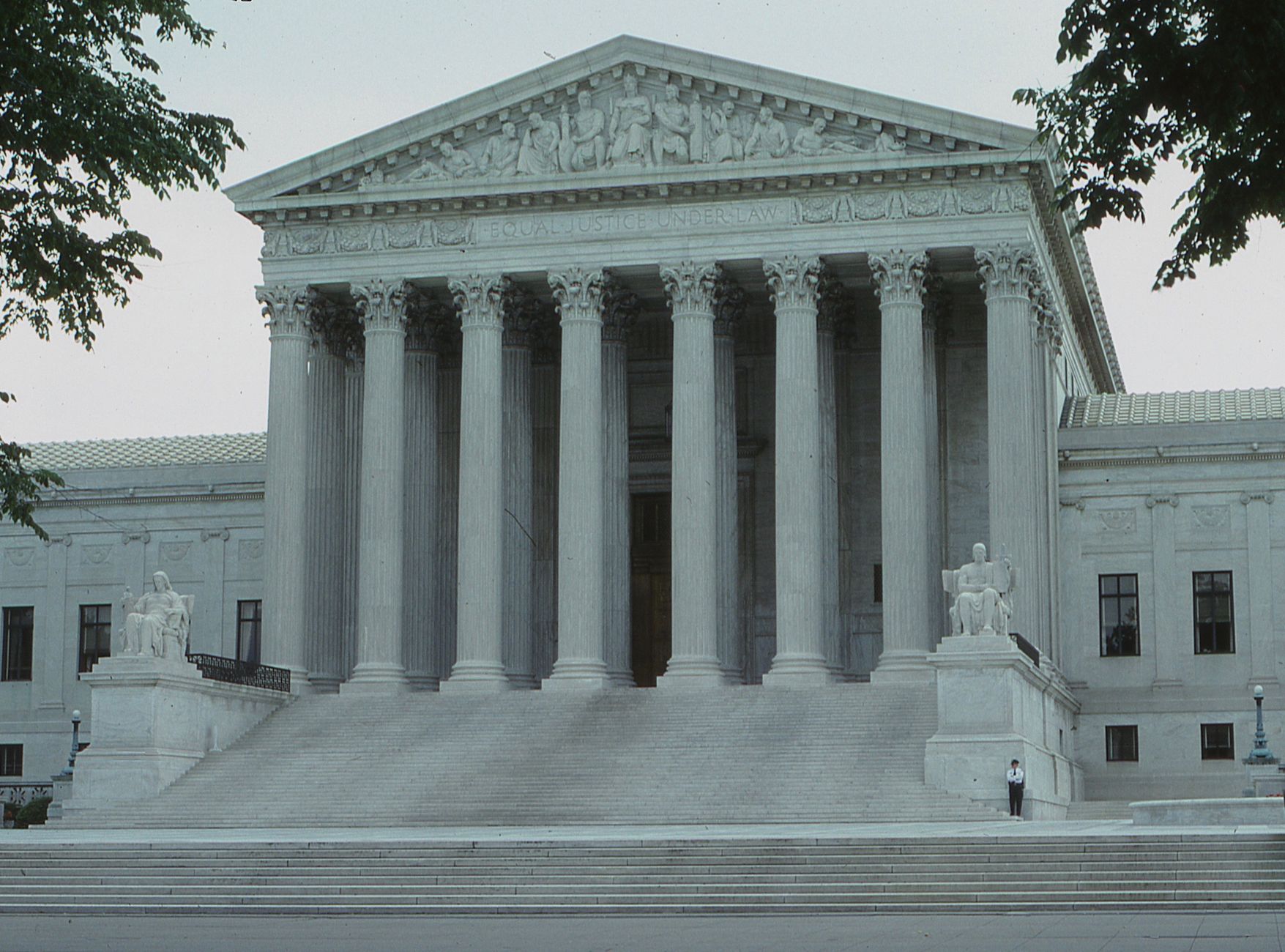
The legal battles initiated by Trump's campaign and his allies after the 2020 election were largely unsuccessful. Over 60 lawsuits challenging the results were filed across various states, with nearly all being dismissed or rejected by both state and federal courts, including the Supreme Court. Judges, many of whom were appointed by Republican administrations, repeatedly found no credible evidence of the widespread fraud alleged. These judicial rulings, coupled with statements from high-ranking election officials from both parties, underscored the robustness of the electoral system, even under unprecedented pandemic conditions. The consistent judicial consensus provides a critical counter-narrative to the claims of a stolen election.
Beyond the courtroom, various governmental and independent investigations have also scrutinized the 2020 election. The Cybersecurity and Infrastructure Security Agency (CISA), under the Department of Homeland Security, declared the 2020 election "the most secure in American history." Furthermore, bipartisan election commissions and academic studies have found no evidence of systemic irregularities that would have changed the election's outcome. These findings collectively form a robust body of evidence that contradicts the narrative of a fraudulent election, yet the former president continues to press his claims, setting the stage for this upcoming prime-time address.
Who Knew and When
The allegations of a compromised 2020 election began to surface almost immediately following Election Day, November 3, 2020. As vote counts continued and Joe Biden's lead solidified, then-President Trump and his campaign initiated a concerted effort to challenge the results, primarily through public statements and social media. Key figures within his administration and campaign were aware of the developing narrative, with some actively supporting and amplifying the claims, while others, particularly those in legal and cybersecurity roles, privately or publicly expressed skepticism or outright refuted the allegations. This created an immediate internal divide within the Republican Party and the administration itself, setting the stage for prolonged contention.
By mid-November 2020, numerous state election officials, including Republican secretaries of state in key battleground states, had publicly affirmed the integrity of their respective election processes. They detailed the rigorous auditing procedures, ballot security measures, and the transparency of the counting process. These officials, who were directly responsible for overseeing the elections, possessed firsthand knowledge of the procedures and the lack of systemic fraud. Their early and consistent refutations directly contradicted the narrative being pushed by the Trump campaign, highlighting a significant disconnect between the claims being made and the on-the-ground reality of election administration.
As the legal challenges mounted, the judiciary became a critical arbiter. Judges across the country, from local courts to the Supreme Court, were presented with the Trump campaign's claims and the alleged evidence. Their rulings, often issued swiftly, indicated that the legal teams were failing to present compelling or sufficient proof of fraud. This judicial consensus, emerging throughout November and December 2020, provided an authoritative assessment that the claims lacked merit. Therefore, by the time the Electoral College certified the results in December, a broad spectrum of governmental and judicial bodies had already concluded that the election was legitimate, making the continued propagation of fraud claims a matter of public and political defiance rather than a pursuit of verifiable truth.
Voices from the Ground
The persistent allegations of a stolen election have deeply impacted election workers, many of whom are dedicated public servants. These individuals, often volunteers or low-paid staff, faced unprecedented scrutiny, harassment, and even death threats following the 2020 election. Their voices, frequently overlooked in the broader political discourse, reveal the immense pressure and personal toll exacted by baseless accusations. Many have spoken out about the emotional strain of being accused of fraud while simply performing their civic duty, emphasizing the meticulous, often tedious, work involved in ensuring every vote is counted accurately. Their experiences paint a vivid picture of the ground reality for those tasked with upholding democratic processes.
Voters themselves have been profoundly affected, with a significant portion of the electorate expressing diminished trust in election outcomes, particularly among those who believe the fraud claims. This erosion of confidence poses a serious threat to democratic participation and civic engagement. Many citizens, especially those in communities targeted by misinformation, feel disenfranchised or believe their votes may not truly matter. The narrative of a fraudulent election creates a chasm of doubt, making it harder for the public to accept legitimate results and undermining the foundational principles of a representative government. This sentiment is not merely political; it strikes at the heart of civic faith.
State and local election officials, from Secretaries of State to county clerks, have also voiced their frustration and concern. They have repeatedly defended the integrity of their processes, often providing detailed explanations of security protocols and audit trails. These officials, who are on the front lines of election administration, have had to dedicate significant resources to debunking false claims and reassuring the public, diverting attention and funds from other critical electoral preparations. Their appeals for evidence-based discourse and respect for the democratic process highlight the real-world consequences of sustained misinformation on the very individuals charged with safeguarding our elections.
The Debate
The debate surrounding the 2020 election allegations is sharply polarized, reflecting a fundamental divide in how different segments of the population perceive the legitimacy of democratic institutions. On one side, proponents of the fraud narrative, primarily staunch supporters of former President Trump, argue that significant irregularities and illegal activities occurred, fundamentally altering the election's outcome. They often cite anecdotal evidence, statistical anomalies, and unverified claims, insisting that a deeper investigation is required to uncover the 'truth.' This perspective is often fueled by a distrust of mainstream media and government institutions, leading to a belief that a cover-up is in progress. The upcoming prime-time speech is expected to further solidify this viewpoint among his base, potentially deepening the existing chasm.
Conversely, a broad coalition of election experts, government officials, legal scholars, and fact-checkers vehemently rejects the claims of widespread fraud. They point to the overwhelming body of evidence—including numerous audits, recounts, court rulings, and investigations—that found no systemic fraud or irregularities sufficient to change the election results. This side emphasizes the robustness of the electoral process, the dedication of election workers, and the importance of adhering to established legal and constitutional procedures. They argue that perpetuating these unsubstantiated claims undermines public faith in democracy, erodes civic discourse, and can incite dangerous actions, as witnessed on January 6th. Their focus is on defending the integrity of the electoral system against what they view as politically motivated attacks.
The ongoing debate is not merely about past events; it has significant implications for future elections and the stability of American democracy. The persistent questioning of election integrity creates a fertile ground for voter apathy, political extremism, and challenges to peaceful transitions of power. The upcoming prime-time address will undoubtedly intensify this debate, forcing a renewed examination of the evidence (or lack thereof) and prompting further discussion about the responsibilities of political leaders in upholding democratic norms. The challenge lies in bridging this divide and fostering a shared understanding of electoral facts, a task made increasingly difficult by the entrenched nature of these opposing viewpoints.

Your Questions Answered
What Accountability Looks Like
Accountability in the context of the 2020 election allegations encompasses multiple dimensions, starting with the responsibility of political leaders to present verifiable facts. For those making claims of widespread fraud, accountability means providing concrete, demonstrable evidence that can withstand legal scrutiny and independent verification. When such evidence is consistently absent, as has been the case with the 2020 election challenges, the accountability shifts to acknowledging the findings of courts and election officials. This includes retracting unsubstantiated claims and refraining from propagating misinformation that can undermine public trust in democratic processes. The standard for political discourse must be rooted in truth, especially when discussing the foundational elements of governance.
For the media and information platforms, accountability involves rigorous fact-checking and clear labeling of content. In an era of rapid information dissemination, the responsibility to differentiate between verified facts, unsubstantiated claims, and outright misinformation is paramount. This means providing context, citing authoritative sources, and actively debunking false narratives rather than merely amplifying them. The public relies on these institutions to provide an accurate picture of events, and a failure to do so can exacerbate polarization and make it harder for citizens to make informed decisions. The upcoming prime-time speech will test this accountability, as outlets decide how to cover and contextualize the former president's renewed allegations.
Ultimately, accountability also rests with the electorate. Citizens have a responsibility to seek out diverse, credible sources of information, to critically evaluate claims, and to engage in civic discourse based on shared facts rather than partisan narratives. While political leaders and media play crucial roles, an informed and discerning public is the ultimate bulwark against misinformation and the erosion of democratic norms. Encouraging media literacy and critical thinking skills among the populace is essential for fostering an environment where accountability can truly thrive, ensuring that the integrity of elections is preserved and respected by all.












Comments
No comments yet. Be the first to comment!