

Key Takeaways
- A devastating series of severe storms, violent tornadoes, and sudden landslides has claimed at least fifteen lives across multiple provinces in China, highlighting the country's vulnerability to sudden climate shocks.
- Emergency rescue teams and local authorities have been deployed in force to search for survivors trapped under collapsed buildings and mudslides, working under highly hazardous and unstable conditions.
- Meteorologists point to a dangerous convergence of warm, moist air masses and strong atmospheric instability as the primary driver behind this unusually intense wave of convective weather.
- The economic toll is mounting rapidly, with widespread destruction of agricultural fields, severe damage to critical power grids, and the complete collapse of residential structures in rural communities.
- National disaster management agencies have raised emergency response levels, urging local municipalities to proactively evacuate high-risk zones before the next wave of torrential rain hits.
- Climate scientists warn that these extreme weather events are becoming more frequent and intense, demanding urgent upgrades to urban drainage systems and rural geological monitoring networks.
Background
Over the past decade, East Asia has experienced a marked increase in the frequency and severity of extreme convective weather events. China's vast geography, spanning subtropical zones in the south to temperate regions in the north, makes it highly susceptible to diverse meteorological hazards. During the transition seasons, the clash between cold continental air masses from the north and warm, moisture-laden maritime air from the south creates a volatile atmospheric breeding ground for severe storms, hail, and violent tornadoes.
The recent disaster is not an isolated incident but part of a broader, deeply concerning trend of intensifying weather patterns across the country. Historical data indicates that regions previously considered relatively safe from tornadoes are now experiencing these destructive phenomena with greater regularity. This shift has caught many local communities off guard, as traditional building designs and local emergency response protocols were not originally conceived to withstand the sheer mechanical force of high-intensity tornadic winds.
Furthermore, rapid urbanization and land-use changes over the last thirty years have altered natural drainage pathways and destabilized hillside soils. In mountainous and hilly provinces, heavy rainfall quickly saturates the topsoil, leading to sudden, catastrophic landslides. The intersection of changing climatic baselines and human-altered landscapes has significantly amplified the destructive potential of these seasonal storms, presenting an unprecedented challenge for national and regional planners.
Why It Matters
The loss of fifteen lives and the widespread displacement of thousands of citizens serve as a stark reminder of the human cost associated with rapid climate destabilization. Beyond the immediate tragedy, these events disrupt vital supply chains, destroy local agricultural yields, and place an immense financial burden on regional governments already struggling with economic recovery. When critical infrastructure like power grids, highways, and communication towers fail simultaneously, entire regions are effectively cut off from emergency services.
This crisis also exposes critical vulnerabilities in rural infrastructure compared to highly fortified urban centers. While major metropolitan areas boast advanced early warning systems and robust flood defenses, smaller villages and agricultural communities often lack the resources to implement similar protective measures. This disparity in climate resilience means that the most vulnerable populations continue to bear the brunt of extreme weather disasters, exacerbating regional socioeconomic inequalities.
On a global scale, China's struggle with escalating weather extremes reflects a shared planetary challenge. As the world's largest emitter of greenhouse gases, the nation's domestic response to climate adaptation and mitigation carries immense geopolitical weight. The recurring devastation from these storms underscores the absolute necessity for aggressive decarbonization coupled with massive, immediate investments in climate-resilient infrastructure to protect human lives and stabilize global economic networks.
Ground Reality
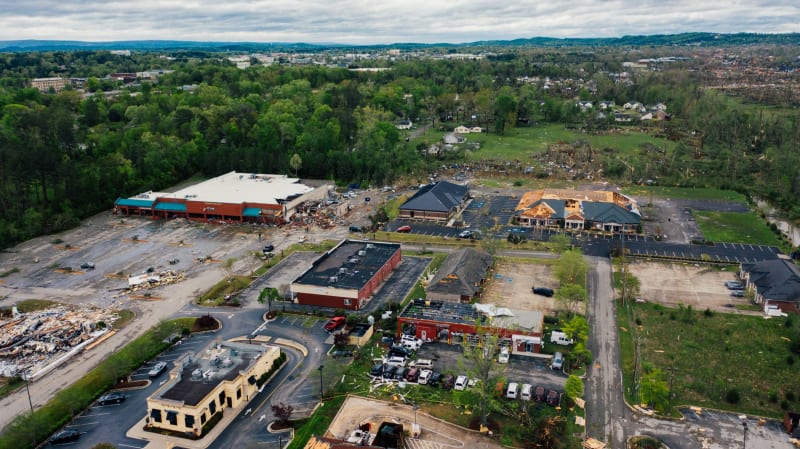
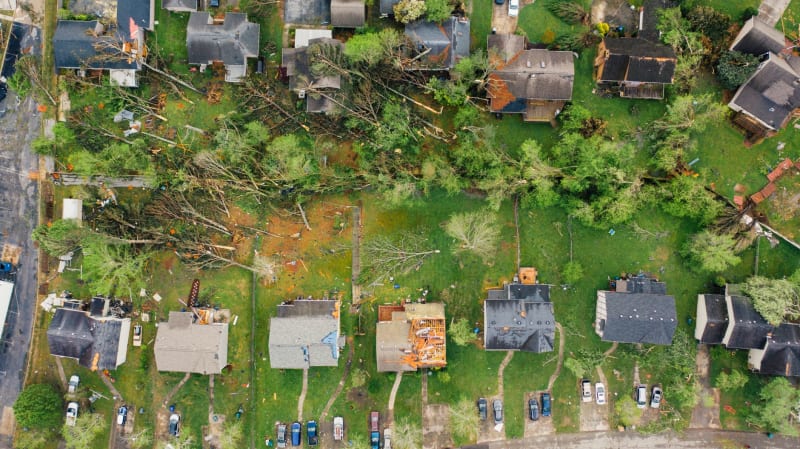
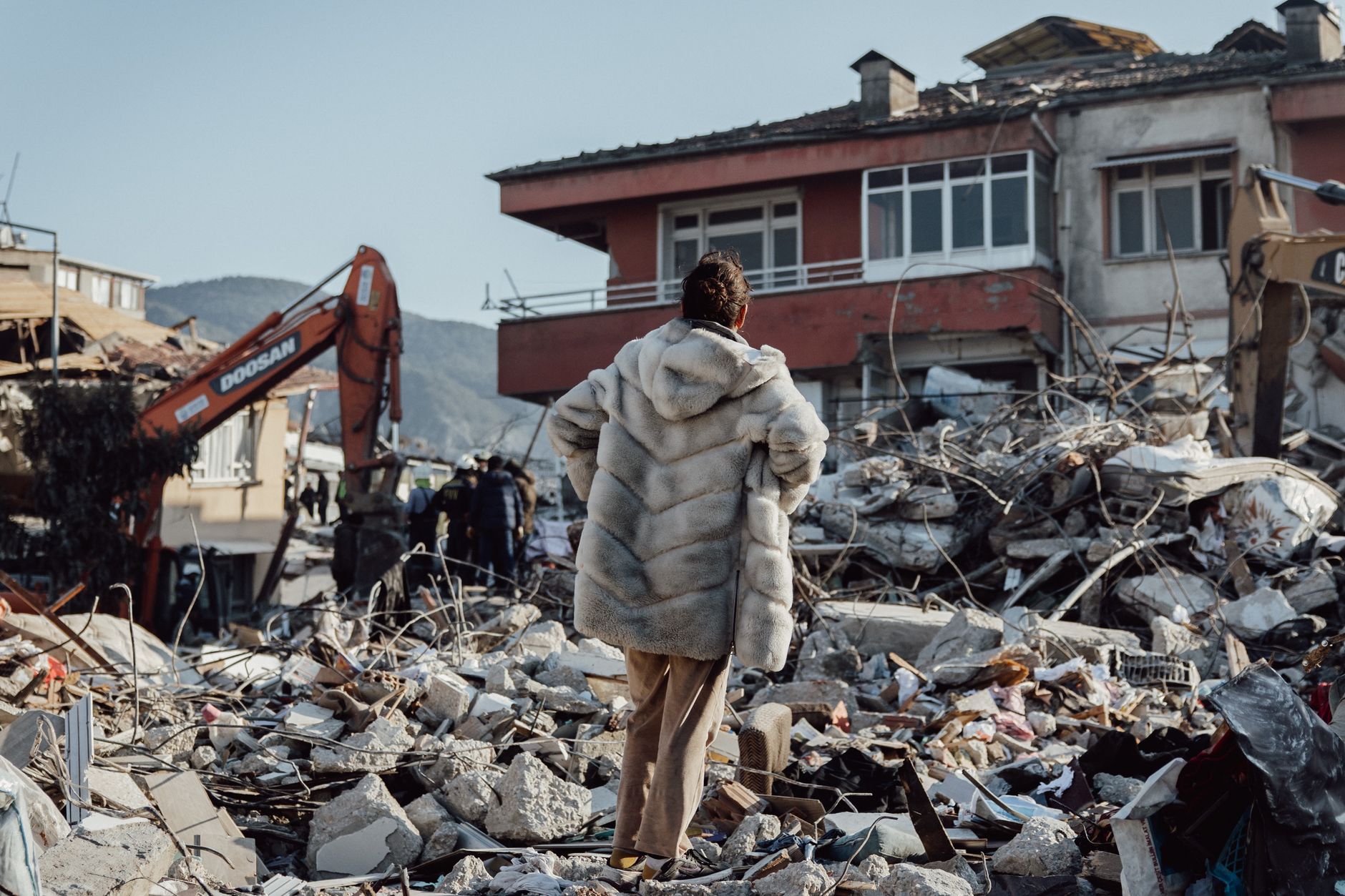
On the ground, the scenes are of utter devastation as rescue workers navigate fields of debris, uprooted trees, and collapsed concrete structures. In the hardest-hit villages, the force of the tornadoes literally ripped roofs off houses and tossed vehicles into nearby agricultural fields. Mudslides have buried key access roads, forcing emergency personnel to travel on foot carrying heavy rescue equipment to reach isolated survivors who have been cut off from the outside world for days.
Local residents describe a terrifyingly rapid onset of the storms, with skies turning pitch black in the middle of the afternoon followed by deafening winds and torrential downpours. Many had only minutes to seek shelter in interior rooms or basements before the winds struck. Temporary shelters have been hastily erected in school gymnasiums and community centers, where displaced families are receiving basic medical care, clean drinking water, and psychological support to cope with the trauma.
Power grid operators and telecommunication companies are working around the clock to restore basic services, but progress is slow due to ongoing rain and the threat of secondary landslides. Heavy machinery is being used to clear thousands of tons of mud and rock from blocked highways, which is essential for allowing supply trucks to deliver food, blankets, and medical supplies to the affected regions. The atmosphere remains tense as rescue dogs search the ruins for any signs of life.
What Experts Are Saying
Meteorologists and climate scientists are pointing to a clear thermodynamic link between rising global temperatures and the increased intensity of convective storms. They explain that a warmer atmosphere holds more moisture, which acts as high-octane fuel for developing storm systems. When this highly energetic, moisture-laden air is forced upward by advancing cold fronts, it triggers violent updrafts that can easily organize into supercells capable of producing large hail, destructive straight-line winds, and deadly tornadoes.
Structural engineers are calling for an immediate and comprehensive review of building codes, particularly in rural and semi-urban areas. They argue that traditional wood-frame and unreinforced masonry homes are entirely inadequate for resisting the extreme wind loads generated by modern tornadoes. Upgrading these structures with wind-resistant anchors, reinforced concrete cores, and impact-resistant windows could dramatically reduce casualties during future extreme weather events, saving countless lives.
Disaster management experts emphasize that technology alone cannot solve this crisis; community-level preparedness is equally vital. They advocate for regular disaster drills, localized sirens, and mobile-based alert systems that can reach citizens even when the main power grid fails. Building a culture of resilience where every citizen knows exactly where to go and what to do when a severe weather warning is issued is the most effective way to minimize casualties.
Frequently Asked Questions
What Happens Next
In the immediate term, the focus remains entirely on saving lives, recovering the missing, and stabilizing damaged infrastructure to prevent secondary disasters. Emergency services will continue to clear debris from blocked roadways and restore electricity and clean water to cut-off communities. Meteorological agencies are keeping a close watch on the skies, as secondary weather systems could bring additional rainfall to already saturated soils, raising the risk of further landslides.
Over the coming weeks, regional governments will begin the arduous process of assessing the total economic damage and planning for long-term reconstruction. This will involve distributing financial aid to displaced families, rebuilding destroyed schools and hospitals, and repairing agricultural land to secure local food supplies. There will also be a strong push to implement more robust geological monitoring systems along vulnerable hillsides to provide earlier warnings for landslides.
Looking further ahead, this disaster is expected to accelerate national policy discussions regarding climate adaptation and infrastructure resilience. Policymakers will likely allocate more funding toward upgrading urban drainage networks, reinforcing rural housing, and expanding meteorological radar coverage. By integrating climate risk assessments directly into future urban planning, the nation aims to build a more resilient society capable of weathering the inevitable storms of tomorrow.












Comments
No comments yet. Be the first to comment!