
The Story in Brief
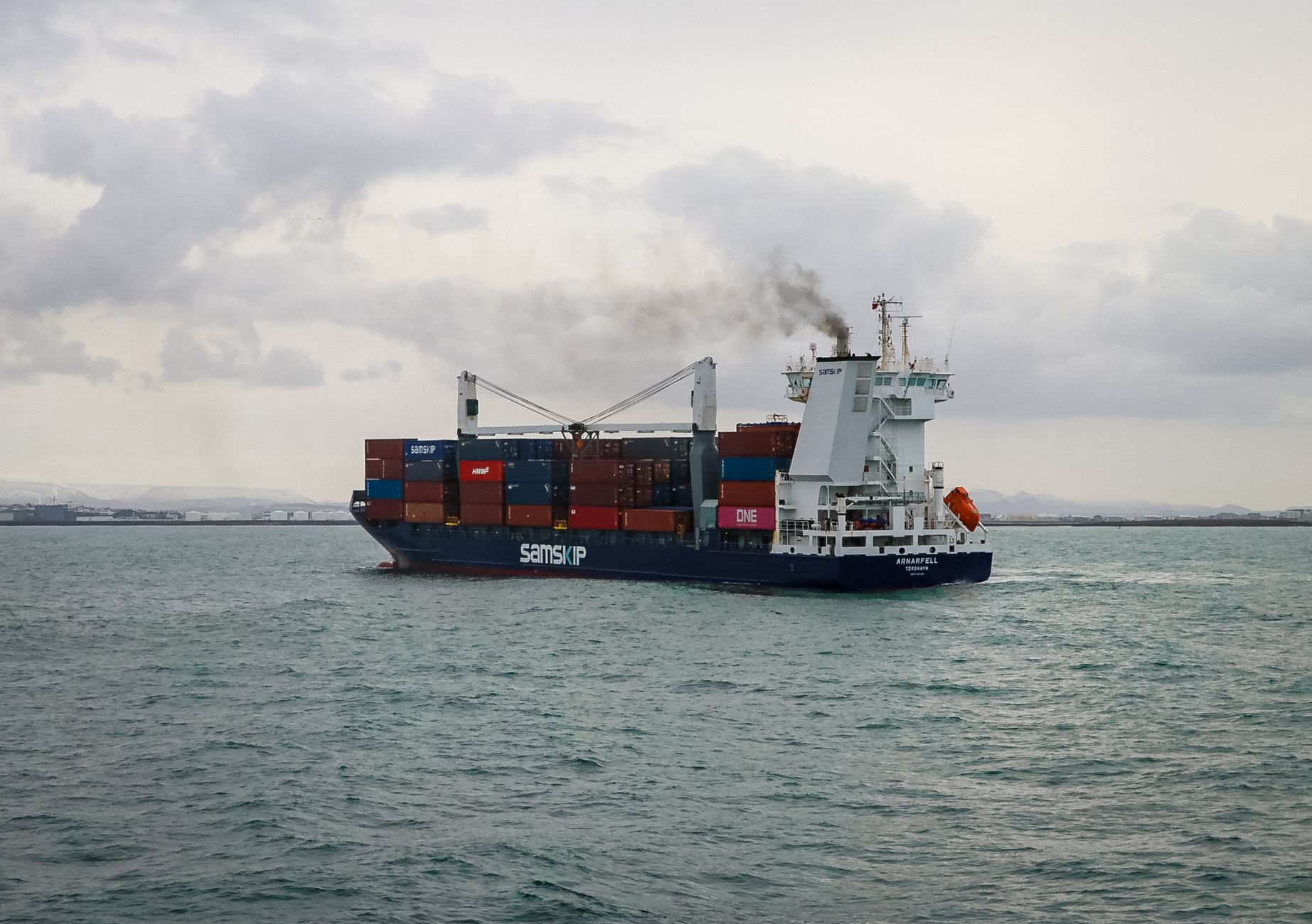
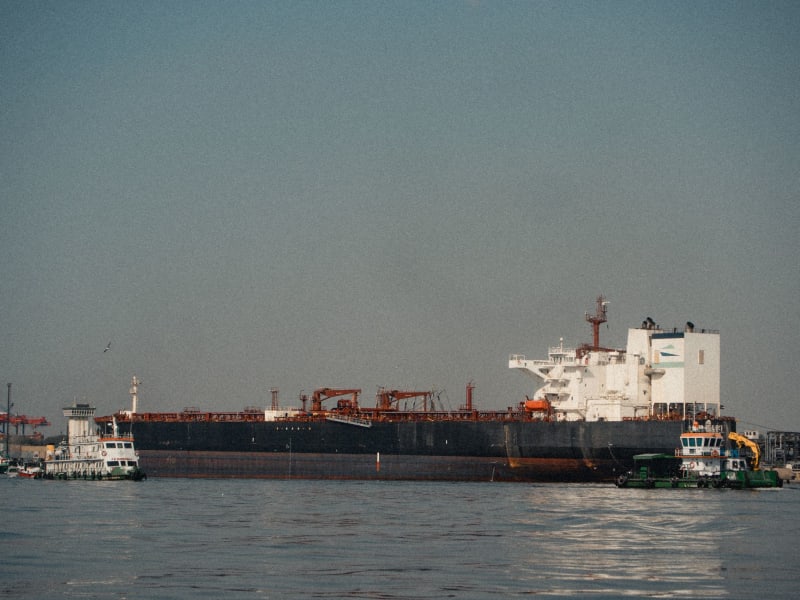
- A commercial tanker operating in the Strait of Hormuz, a critical international waterway, was struck by an unidentified projectile, leading to a significant fire onboard the vessel.
- The incident occurred off the coast of Oman, specifically within a highly sensitive maritime zone known for its strategic importance to global oil shipments and regional security.
- Emergency response protocols were immediately activated, with naval assets and maritime rescue teams dispatched to the scene to assess the damage, contain the blaze, and ensure the safety of the crew.
- Initial reports indicate significant damage to the tanker, raising urgent questions about the origin of the projectile and the potential implications for maritime safety and freedom of navigation in the region.
- This event has triggered widespread concern among international shipping bodies and governments, highlighting the persistent threats faced by commercial vessels transiting through volatile areas.
- The precise nature of the projectile and the responsible party remain under investigation, with global powers closely monitoring the situation for any signs of escalation or broader geopolitical ramifications.
The Human Face
The immediate aftermath of such an attack is always centered on the human element: the crew. These are not just vessels, but floating homes and workplaces for dedicated seafarers who navigate some of the world's most dangerous waters. The sudden impact, the lurch of the ship, the terrifying eruption of flames – these are moments of sheer terror that no one should have to endure. For the families awaiting their return, every news report, every delayed communication, becomes an agonizing test of hope against fear. Their lives, and the lives of those they support, hang in the balance with every incident like this.
Beyond the immediate danger, the psychological toll on the crew who survive such an ordeal is immense. Witnessing their vessel, their livelihood, engulfed in flames, and facing the very real threat of death, leaves deep scars. Many will suffer from post-traumatic stress, struggling to return to sea or even to normal life. The maritime industry, while robust, often overlooks the long-term mental health support needed for these brave individuals, who are essential cogs in the global supply chain but often remain unseen and unheard.
This incident also affects the broader community of maritime workers and their families worldwide. It reinforces the perception of the Strait of Hormuz as a perilous zone, increasing anxieties for anyone with loved ones at sea. The constant threat of piracy, political tensions, and now direct attacks, means that every voyage through these waters is undertaken with a heightened sense of risk. Ensuring the safety and well-being of these seafarers is not just a humanitarian concern; it is fundamental to maintaining the flow of global commerce.
How We Got Here
The Strait of Hormuz, a narrow chokepoint connecting the Persian Gulf to the open ocean, has long been a flashpoint for regional and international tensions. Its strategic importance cannot be overstated, as approximately one-fifth of the world's total oil consumption, and a significant portion of its liquefied natural gas, passes through this waterway daily. This makes it a prime target during periods of heightened geopolitical friction, with any disruption having immediate and far-reaching global economic consequences. The history of incidents in this strait is long and complex, reflecting decades of unresolved conflicts and power struggles.
Over recent years, the region has witnessed a concerning pattern of maritime incidents, including drone attacks, mine placements, and direct assaults on commercial shipping. These events are often linked to the broader proxy conflicts and geopolitical rivalries playing out between regional powers, particularly Iran and its adversaries. Each incident, regardless of its scale, serves to ratchet up the tension, creating an increasingly precarious environment for international shipping and raising the specter of a wider conflict. The lack of clear attribution in many cases further complicates the situation, leading to cycles of accusation and denial.
The current attack on the tanker follows a period of renewed diplomatic efforts and, paradoxically, persistent low-level hostilities. Despite various attempts at de-escalation, the underlying issues driving instability in the Middle East remain largely unaddressed. This incident underscores the fragility of the status quo and the ease with which a single event can ignite a larger crisis. The international community has consistently called for restraint and adherence to international maritime law, yet these pleas often fall on deaf ears amidst the complex web of regional power dynamics and ideological divides.
Why This Cannot Be Ignored
This latest attack on a commercial tanker in the Strait of Hormuz is far more than an isolated maritime incident; it represents a direct threat to global energy security and the stability of international trade. With such a significant portion of the world's oil and gas transiting this narrow passage, any disruption, whether accidental or deliberate, can send shockwaves through global markets, driving up energy prices and potentially triggering economic instability worldwide. The ripple effects would be felt by consumers and industries across continents, demonstrating the interconnectedness of global supply chains and geopolitical events.
Beyond economic repercussions, this incident gravely undermines the principle of freedom of navigation, a cornerstone of international maritime law and global commerce. If commercial vessels cannot safely traverse vital waterways without fear of attack, it sets a dangerous precedent and could lead to increased insurance premiums, rerouting of ships, and ultimately, higher costs for goods globally. Such actions challenge the very fabric of international order and demand a robust, unified response from the international community to uphold these fundamental rights.
Moreover, the attack risks escalating an already volatile regional geopolitical landscape. The Strait of Hormuz is a nexus of competing interests and historical grievances, and an incident of this magnitude could easily be misconstrued or deliberately exploited, leading to retaliatory actions and a dangerous cycle of escalation. The potential for a localized conflict to spiral into a broader regional confrontation, drawing in major global powers, is a terrifying prospect that necessitates immediate and careful diplomatic engagement to prevent further destabilization.
Possible Paths Forward
One immediate path forward involves a concerted international effort to enhance maritime security in the Strait of Hormuz. This could include increased naval patrols by multinational forces, improved intelligence sharing among maritime stakeholders, and the deployment of advanced surveillance technologies to monitor vessel movements and detect potential threats. Such measures, while resource-intensive, are crucial for deterring future attacks and reassuring shipping companies that their vessels and crews are protected. A unified command structure for these security operations would be essential to ensure effectiveness and avoid jurisdictional ambiguities.
Another critical avenue is intensified diplomatic engagement aimed at de-escalating regional tensions and fostering dialogue among littoral states. This would require sustained efforts from global powers to mediate disputes, establish clear communication channels, and build confidence-building measures. Addressing the root causes of instability, such as unresolved political grievances and proxy conflicts, is paramount. Without a genuine commitment to diplomatic solutions, any security enhancements will only serve as temporary bandages on a deeper wound, leaving the region vulnerable to future flare-ups.
Finally, there must be a robust and transparent investigation into the attack, with clear attribution of responsibility. Holding perpetrators accountable is vital for deterring future aggression and upholding international law. This might involve sanctions, legal proceedings, or other punitive measures against entities found responsible. Furthermore, the international community should explore mechanisms to compensate victims and support the recovery of affected vessels and crews. A failure to act decisively could be perceived as weakness, emboldening those who seek to disrupt global commerce and destabilize the region.
Questions People Are Actually Asking
What to Watch
- The ongoing investigation into the projectile's origin and the identity of the perpetrators will be crucial for understanding the nature of the threat and formulating an appropriate international response. Any credible attribution will significantly influence diplomatic and security actions.
- Monitor the immediate response from regional powers, particularly Iran, Saudi Arabia, and Oman, as their statements and actions will indicate the potential for de-escalation or further escalation of tensions in this highly sensitive maritime zone.
- Keep an eye on global oil and gas markets; any sustained increase in prices or significant disruptions to supply chains will signal the broader economic impact of this incident and potentially influence policy decisions by major energy-consuming nations.
- Observe the deployment and activities of international naval forces in the Strait of Hormuz and surrounding waters, as an increased military presence could be a deterrent but also carries the risk of accidental confrontation.
- Watch for any new diplomatic initiatives or emergency meetings convened by international bodies like the UN Security Council or the International Maritime Organization, which could signal a concerted effort to address maritime security concerns.
- Pay attention to the rhetoric from key international actors, including the United States, European Union, and China, as their reactions and proposed solutions will shape the global response to this challenge to freedom of navigation and regional stability.













Comments
No comments yet. Be the first to comment!