

What We Know
- Amnesty International has meticulously documented extensive evidence suggesting that Sudan's Rapid Support Forces (RSF) and allied militias have perpetrated crimes against humanity in El Fasher, North Darfur, during the ongoing conflict.
- The report highlights a horrifying pattern of indiscriminate attacks against civilians, including targeted killings, widespread sexual violence, and the systematic destruction of critical infrastructure, exacerbating an already dire humanitarian situation.
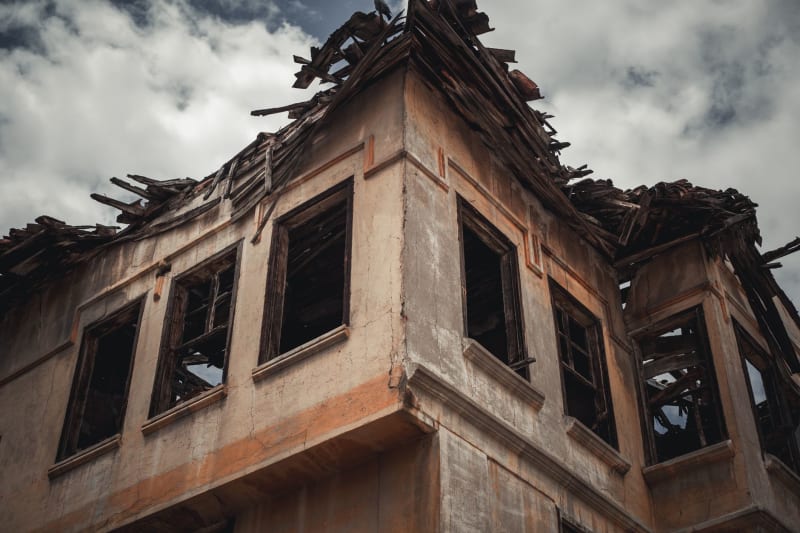
- Eyewitness accounts and survivor testimonies collected by Amnesty International paint a grim picture of deliberate attacks on hospitals, schools, and displacement camps, indicating a clear disregard for international humanitarian law and civilian protection.
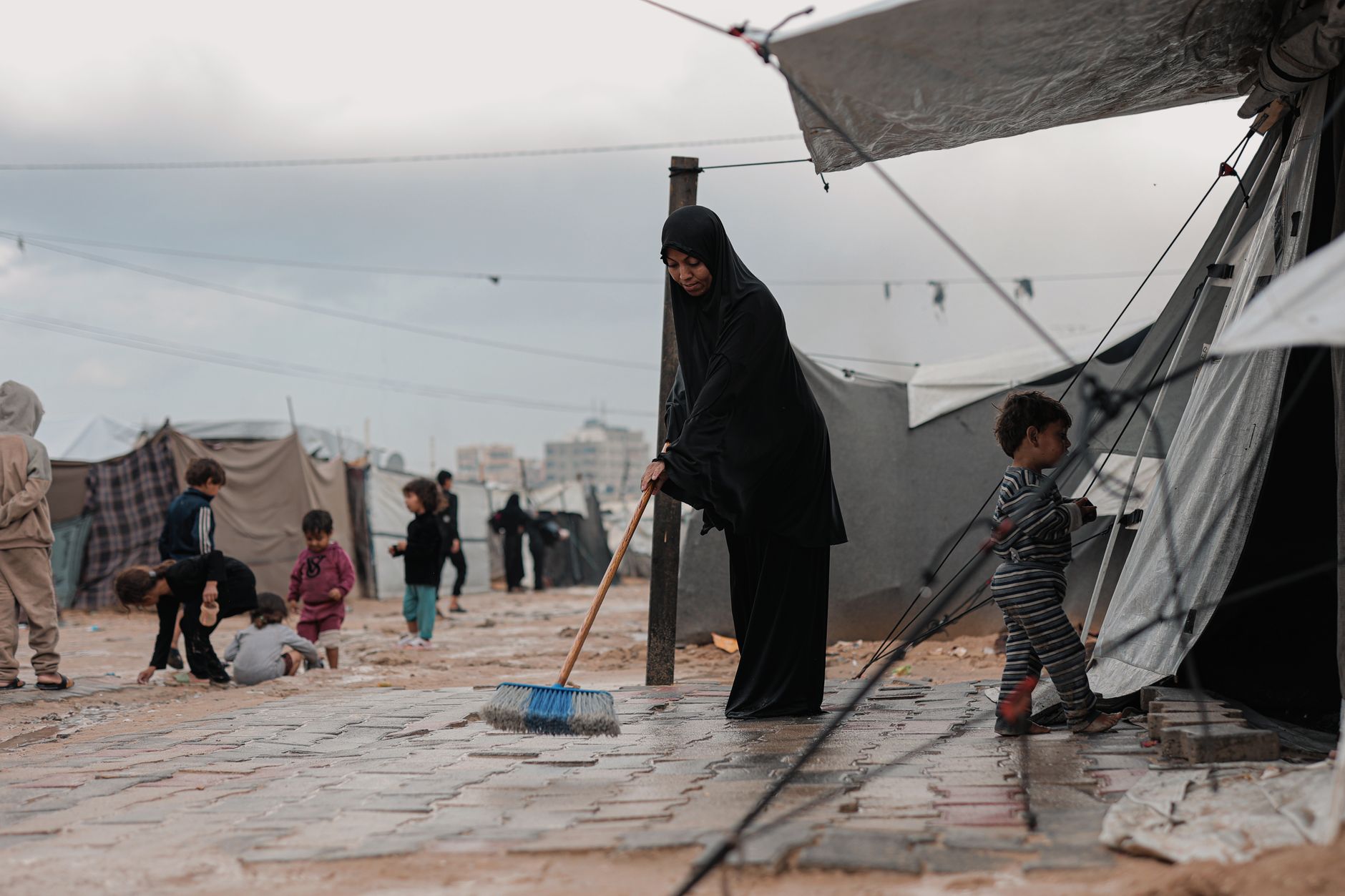
- The RSF's actions have reportedly led to mass displacement, with thousands of residents forced to flee their homes, often under threat of violence, creating an urgent need for humanitarian aid and safe passage.
- Amnesty International is unequivocally calling for an immediate, comprehensive investigation into these alleged atrocities by independent international bodies to ensure that perpetrators are held accountable and justice is served for the victims.
- The international community is urged to impose targeted sanctions on individuals and entities responsible for these grave violations and to enhance efforts to protect civilians in El Fasher and across Sudan.
What We Do Not Know Yet
- The full extent of the casualties and the precise number of individuals affected by the alleged crimes against humanity in El Fasher remain largely unconfirmed due to ongoing conflict and limited access for independent observers and humanitarian organizations.
- While Amnesty International has pointed to the RSF, the exact command structure and specific individuals within the RSF and allied militias who ordered or directly participated in these alleged atrocities are not yet fully identified or publicly disclosed.
- The precise mechanisms and timelines for an independent international investigation into these grave allegations are still being deliberated, and it is unclear which international bodies will lead such an inquiry and when it might commence.
- The level of international political will and the specific actions that global powers are prepared to take to pressure the RSF and the Sudanese government to cease hostilities and cooperate with investigations remain uncertain.
- The long-term humanitarian and societal impact on El Fasher and the broader Darfur region, particularly concerning the psychological trauma inflicted on survivors and the potential for prolonged instability, is yet to be fully assessed.
- Whether the Sudanese Armed Forces (SAF) have also committed similar violations in El Fasher or other conflict zones, and the extent of their responsibility in the broader conflict, requires further independent scrutiny and investigation.
Background
The conflict in Sudan, which erupted in April 2023, primarily pits the Sudanese Armed Forces (SAF) against the paramilitary Rapid Support Forces (RSF). This power struggle emerged from deep-seated disagreements over the integration of the RSF into the regular army and the future of Sudan's political transition following the 2021 military coup. The initial clashes quickly escalated into a full-blown civil war, devastating the capital Khartoum and rapidly spreading to other regions, most notably Darfur, which has a long and tragic history of conflict and humanitarian crises. The current fighting has exacerbated existing ethnic tensions and vulnerabilities, drawing in various armed groups and militia, further complicating the already fragile security landscape.
El Fasher, the capital of North Darfur, holds immense strategic importance. It is the last major city in Darfur not fully controlled by the RSF and serves as a critical humanitarian hub, providing refuge for hundreds of thousands of internally displaced persons (IDPs) who have fled violence from other parts of the region. Its fall to the RSF would consolidate their control over Darfur, severely limiting aid access and potentially triggering an even larger wave of displacement and a catastrophic humanitarian crisis. The city has been under siege for months, with intense fighting causing widespread destruction and civilian casualties, making it a focal point of international concern.
Amnesty International's latest report is not an isolated incident but builds upon a growing body of evidence from various human rights organizations and UN agencies detailing widespread abuses across Sudan. Since the conflict began, reports of extrajudicial killings, sexual violence, arbitrary detention, and ethnic cleansing have been alarmingly consistent. The international community has largely condemned the violence, yet concrete actions to halt the fighting and protect civilians have been slow and insufficient. This persistent failure to act decisively has allowed the conflict to fester, leading to an unprecedented humanitarian catastrophe and the erosion of human rights norms within Sudan.
Why It Matters
The documented atrocities in El Fasher, if confirmed as crimes against humanity, represent a catastrophic failure of international protection mechanisms and a profound betrayal of civilian populations. Such egregious violations erode the very foundations of international law and humanitarian principles, sending a chilling message that perpetrators can act with impunity. This situation is not merely a regional crisis; it is a global test of our collective commitment to preventing mass atrocities and upholding human dignity. The international community's response, or lack thereof, will set a precedent for future conflicts and the protection of vulnerable populations worldwide.
The humanitarian consequences of the conflict in El Fasher are spiraling out of control, threatening to unleash an even greater catastrophe. With hundreds of thousands already displaced and vital aid routes severely hampered, the continued violence risks pushing the region into an unimaginable famine and public health crisis. The deliberate targeting of civilians and essential infrastructure, as alleged by Amnesty International, directly undermines humanitarian efforts and makes it nearly impossible for aid organizations to deliver life-saving assistance. Without immediate and sustained intervention, the human cost will continue to mount, leading to widespread suffering and loss of life on an unprecedented scale.
Beyond the immediate human suffering, the unchecked violence in El Fasher has profound implications for regional stability and the future of Sudan. The consolidation of power by forces accused of such grave crimes could lead to a prolonged period of instability, further fragmenting the country and potentially spilling over into neighboring nations already grappling with their own complex challenges. Holding perpetrators accountable is not just about justice for victims; it is crucial for establishing a credible path towards peace, reconciliation, and a stable, democratic future for Sudan. Failure to do so risks entrenching a cycle of violence and impunity that could destabilize the entire Horn of Africa for decades to come.
Timeline of Events
- April 15, 2023: Intense fighting erupts in Khartoum between the Sudanese Armed Forces (SAF) and the Rapid Support Forces (RSF), marking the beginning of the nationwide conflict and immediately raising concerns about civilian safety.
- May-June 2023: The conflict rapidly expands beyond Khartoum, with significant clashes reported in Darfur, particularly in El Geneina and Nyala, leading to widespread displacement and ethnic violence.
- October 2023: RSF gains significant ground in Darfur, taking control of several state capitals, intensifying fears for El Fasher, which remains a key stronghold for the SAF and a critical humanitarian hub.
- Early 2024: Reports of escalating violence and humanitarian blockades in and around El Fasher become more frequent, with aid organizations warning of an impending catastrophe as access becomes increasingly difficult.
- April 2024: Satellite imagery and ground reports indicate a significant RSF buildup around El Fasher, signaling an imminent large-scale assault on the city, further imperiling hundreds of thousands of civilians trapped within its borders.
- May 2024: Amnesty International releases its detailed report, accusing the RSF and allied militias of committing crimes against humanity in El Fasher, based on extensive evidence and survivor testimonies, calling for urgent international action.
Rapid-Fire Q&A
What Is Coming
- Expect intensified international pressure on the Rapid Support Forces (RSF) and the Sudanese Armed Forces (SAF) to cease hostilities and allow unimpeded humanitarian access, particularly in El Fasher, following Amnesty International's damning report.
- There will likely be increased calls for the United Nations Security Council to consider stronger measures, including targeted sanctions and potentially a referral to the International Criminal Court (ICC), to address the alleged crimes against humanity.
- Humanitarian organizations will continue to advocate vociferously for greater funding and logistical support to respond to the escalating crisis in Darfur, where millions are already facing severe food insecurity and displacement.
- Further independent investigations and documentation efforts by human rights groups are anticipated, aiming to gather more evidence and identify specific perpetrators, which could bolster future legal proceedings.
- The political landscape within Sudan is expected to remain highly volatile, with both the RSF and SAF likely to resist external pressures while continuing their struggle for dominance, making a swift resolution to the conflict unlikely.
- Regional diplomatic efforts, potentially led by the African Union and IGAD, will likely intensify, seeking to mediate a sustainable ceasefire and a pathway towards a civilian-led transitional government, though past attempts have yielded limited success.















Comments
No comments yet. Be the first to comment!