
What We Know
- Two powerful earthquakes struck Venezuela in quick succession, causing widespread destruction and triggering a national emergency.
- The confirmed death toll has tragically surpassed 2,290 individuals, a number that continues to rise as search and rescue operations persist across affected regions.
- Tens of thousands of people are currently reported missing, raising grave concerns about the ultimate scale of this humanitarian catastrophe.
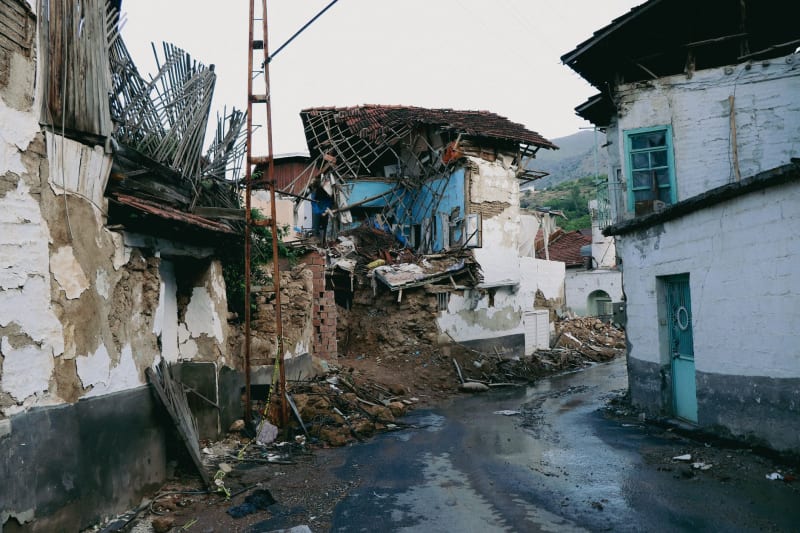
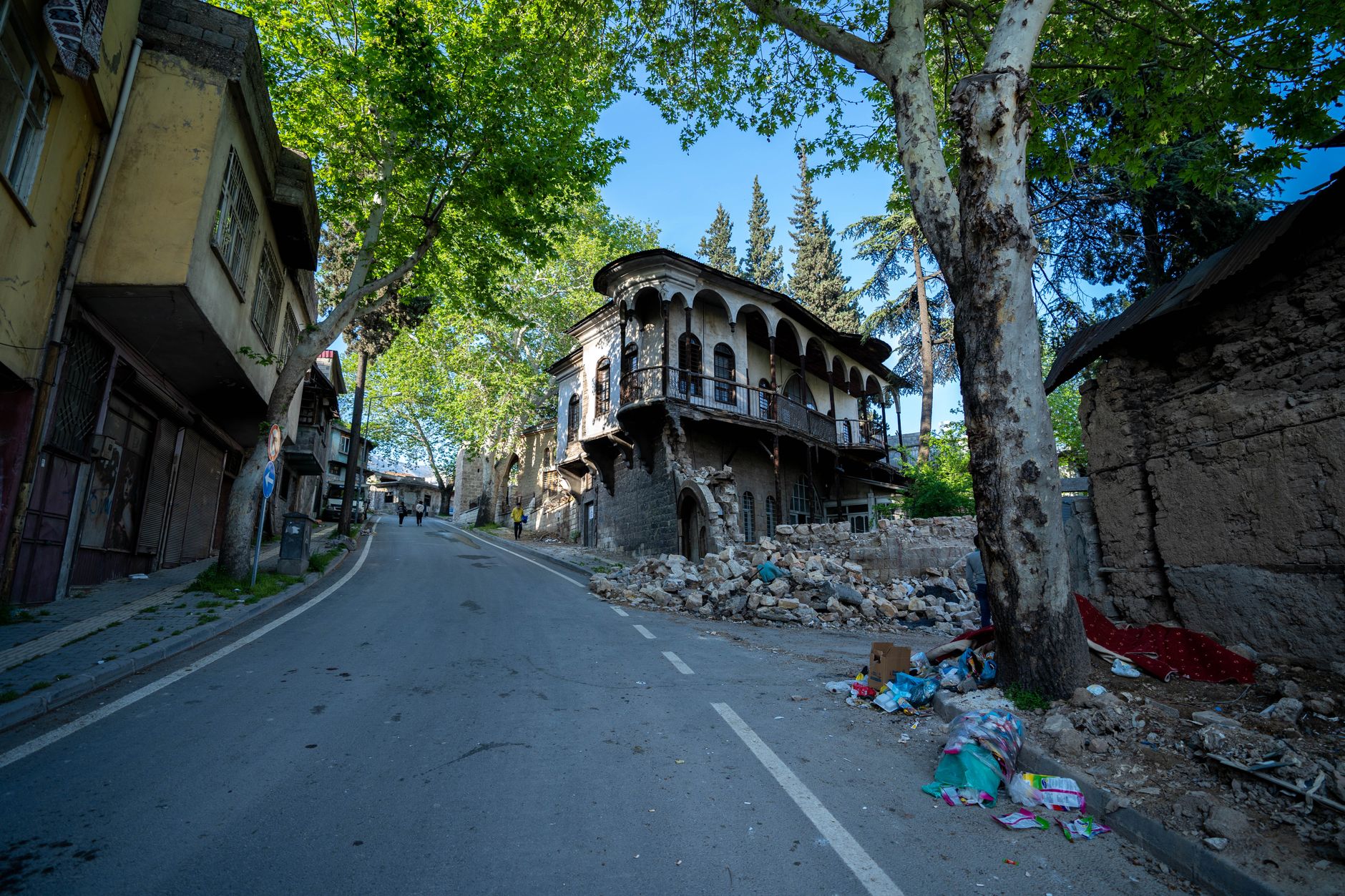
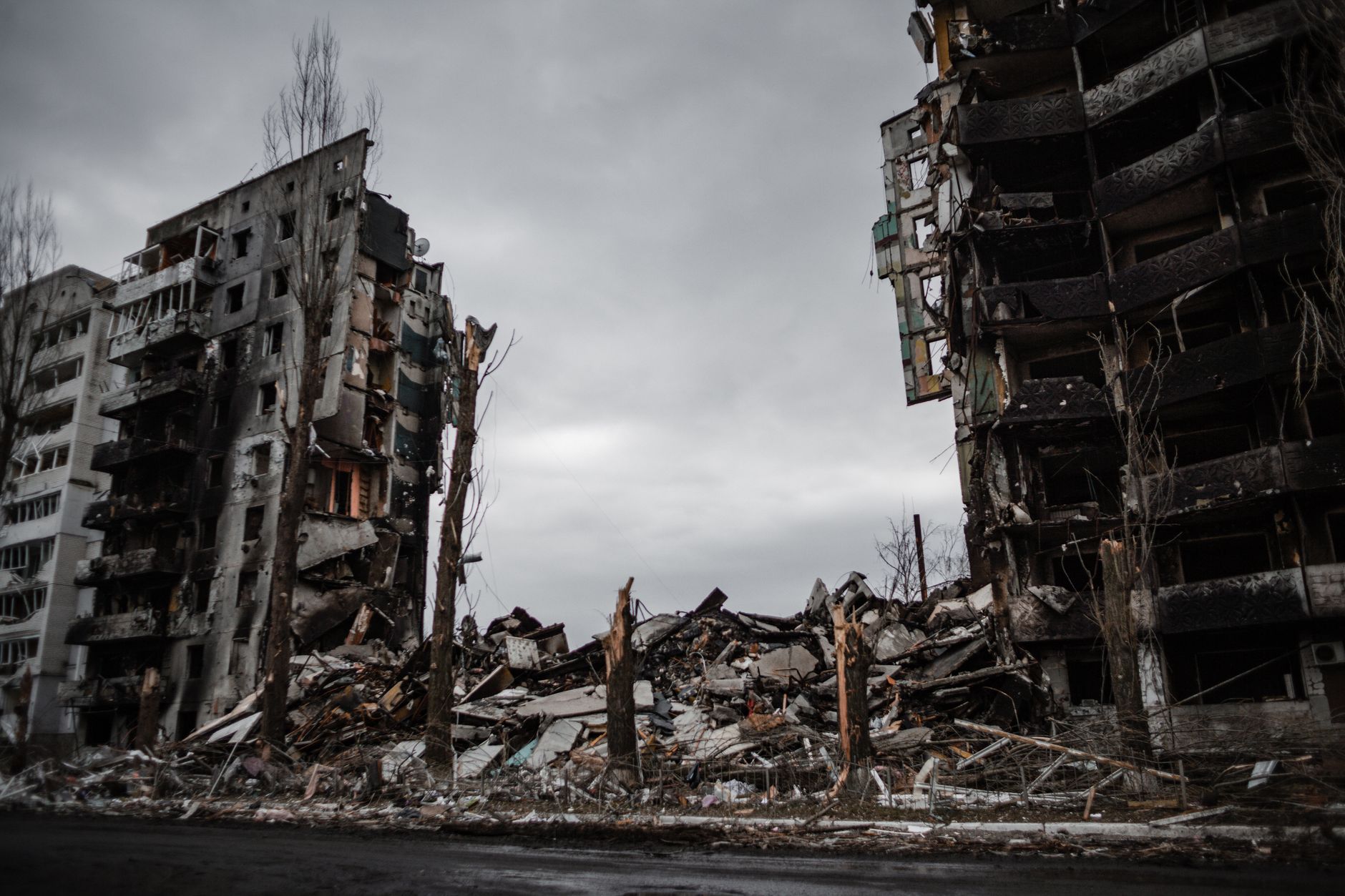
- Infrastructure, including homes, hospitals, and critical transportation routes, has suffered severe damage, complicating relief efforts and exacerbating the crisis for survivors.
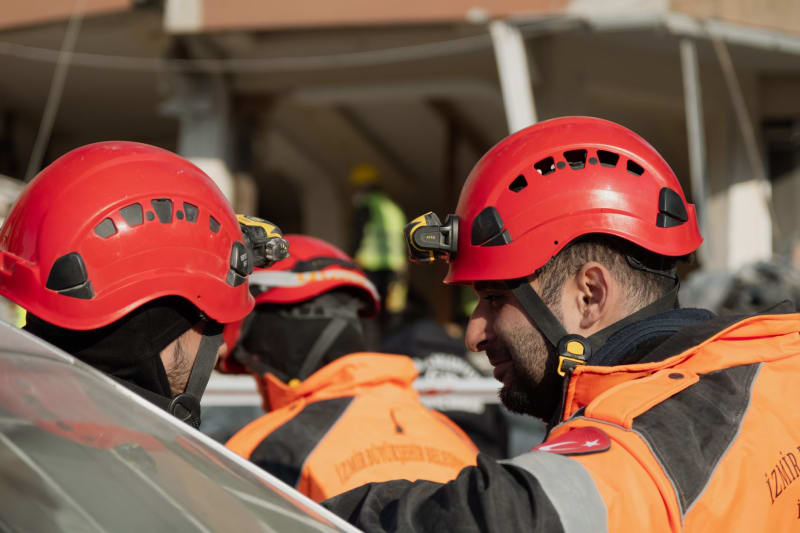
- Emergency services, both domestic and international, have been mobilized, but the sheer scale of the disaster is overwhelming existing resources.
- Many communities remain isolated, cut off by landslides and damaged roads, making it incredibly difficult to assess the full extent of the devastation and deliver essential aid.
What We Do Not Know Yet
- The precise number of people trapped under rubble or in remote, inaccessible areas remains unknown, making it challenging to estimate the final death toll.
- The full extent of the structural damage to critical infrastructure, including power grids, water treatment facilities, and communication networks, is still being assessed.
- The long-term economic impact on Venezuela, a nation already facing significant challenges, is yet to be determined, but it is expected to be profound.
- The exact locations and conditions of all missing persons are still being compiled, with frantic families desperately searching for loved ones amidst the chaos.
- The specific needs of all affected populations, particularly those in remote villages, are not fully understood, hindering targeted and effective aid distribution.
- Whether the Venezuelan government has sufficient resources and capacity to manage a disaster of this magnitude without substantial international assistance is a critical unanswered question.
Background
Venezuela, situated in a seismically active region, has a history of earthquakes, though events of this magnitude and destructive power are thankfully rare. The country lies near the Caribbean Plate boundary, where complex tectonic interactions frequently lead to seismic activity. While building codes exist, their enforcement and the resilience of older structures, particularly in densely populated urban areas and informal settlements, are often points of concern, contributing to the vulnerability of communities when powerful quakes strike.
The recent twin earthquakes represent an unprecedented challenge for Venezuela, a nation already grappling with a protracted economic crisis, political instability, and a strained healthcare system. Years of underinvestment in infrastructure and emergency preparedness have left the country ill-equipped to handle a disaster of this scale. This pre-existing vulnerability exacerbates the current crisis, making rescue and recovery efforts significantly more complex and resource-intensive than they might otherwise be.
The international community has begun to mobilize, with initial offers of aid and expert teams being extended to Caracas. However, the logistical complexities of delivering aid to affected regions, coupled with potential political sensitivities, could pose significant hurdles. The immediate priority remains locating survivors and providing urgent medical care, shelter, food, and clean water to the hundreds of thousands displaced or otherwise impacted by this catastrophic natural event.
Why It Matters
The human toll of these earthquakes is staggering, with thousands of lives lost and countless others irrevocably altered. Beyond the immediate fatalities, the trauma, displacement, and long-term health consequences for survivors will resonate for years, creating a profound humanitarian crisis. Entire communities have been shattered, and the social fabric of affected regions will require immense effort and resources to rebuild, emphasizing the urgent need for sustained support.
The economic ramifications for Venezuela are projected to be severe. Already facing hyperinflation and a struggling economy, the destruction of infrastructure, disruption of supply chains, and loss of productive capacity will undoubtedly deepen the nation's financial woes. Rebuilding efforts will require massive investment, diverting scarce resources from other critical sectors and potentially exacerbating the existing humanitarian crisis, making international financial assistance absolutely crucial.
This disaster serves as a stark reminder of the critical importance of robust disaster preparedness and resilient infrastructure, especially in seismically active zones. It highlights the global interconnectedness of humanitarian response and the need for swift, coordinated international action when a nation is overwhelmed. The world's response to Venezuela's plight will not only determine the immediate fate of its citizens but also set a precedent for future international cooperation in the face of large-scale natural catastrophes.
Timeline of Events
- Early morning, Day 1: The first major earthquake strikes, with its epicenter located in a densely populated region, causing immediate widespread structural collapses and panic among residents.
- Mid-morning, Day 1: Emergency services are immediately overwhelmed by the sheer volume of calls for help and reports of collapsed buildings, initiating a frantic but disorganized initial response.
- Late afternoon, Day 1: A second, equally powerful earthquake hits, exacerbating the damage from the first and causing further collapses, trapping more people and hindering ongoing rescue efforts.
- Evening, Day 1: The President declares a state of emergency, appealing for international assistance as the scale of the disaster becomes increasingly clear, with initial death tolls beginning to emerge.
- Day 2: International search and rescue teams, along with medical aid, begin to arrive, facing significant logistical challenges in reaching the most devastated areas due to damaged roads and infrastructure.
- Day 3-5: The focus shifts to sustained search and rescue operations, with specialized equipment deployed to locate survivors. The grim reality of the rising death toll and tens of thousands of missing persons dominates news reports and humanitarian appeals.
- Day 6 onwards: Efforts intensify to provide humanitarian aid, including temporary shelters, food, water, and medical supplies, to hundreds of thousands of displaced individuals, while the long-term recovery planning begins to take shape.
Rapid-Fire Q&A
What Is Coming
- The death toll is expected to continue rising as rescue teams reach more remote areas and uncover additional victims from collapsed structures, underscoring the ongoing tragedy.
- A massive, sustained international humanitarian response will be critical for the foreseeable future, focusing on providing shelter, food, medical care, and psychological support to hundreds of thousands of displaced and traumatized survivors.
- The long and arduous process of rebuilding homes, infrastructure, and communities will begin, requiring significant financial investment and long-term commitment from both national and international stakeholders.
- Public health concerns, including the risk of waterborne diseases and outbreaks in overcrowded temporary shelters, will become a pressing issue requiring immediate and coordinated health interventions.
- The Venezuelan government will face immense pressure to demonstrate effective leadership and transparency in managing aid distribution and reconstruction efforts, crucial for maintaining public trust and international support.
- Psychological support and trauma counseling will be increasingly vital for survivors, especially children, who have witnessed unimaginable devastation and loss, to help them cope with the profound emotional impact of this catastrophe.











Comments
No comments yet. Be the first to comment!