
Key Takeaways
- A significant aftershock has rattled Venezuela, intensifying the fear and anxiety of residents still reeling from two powerful earthquakes that struck just days prior, underscoring the ongoing seismic instability in the region.
- The recent seismic activity, including the aftershock, highlights the critical vulnerability of Venezuela's infrastructure and the urgent need for robust building codes and emergency preparedness protocols to protect its citizens.
- Psychological trauma is a growing concern among the affected population, with repeated tremors exacerbating stress and anxiety, necessitating immediate and sustained mental health support alongside physical relief efforts.
- International aid and local government responses are being tested by the persistent seismic events, requiring efficient coordination and resource allocation to address both immediate needs and long-term recovery efforts.
- The aftershock serves as a stark reminder of the unpredictable nature of seismic events and the importance of continuous monitoring and public education on earthquake safety measures to minimize future casualties.
- Communities are grappling with the potential for further seismic activity, leading to widespread displacement fears and a desperate plea for stable, secure housing solutions that can withstand future tremors.
Background
Venezuela, a nation already grappling with profound economic and social challenges, has been thrust into a new crisis by a series of unsettling seismic events. The recent aftershock follows closely on the heels of two powerful earthquakes that struck the country, leaving communities on edge and infrastructure vulnerable. These initial quakes caused widespread alarm, prompting evacuations and revealing the precarious state of many buildings across the affected regions. The cumulative stress from these events is palpable, with residents fearing what further seismic activity might bring.
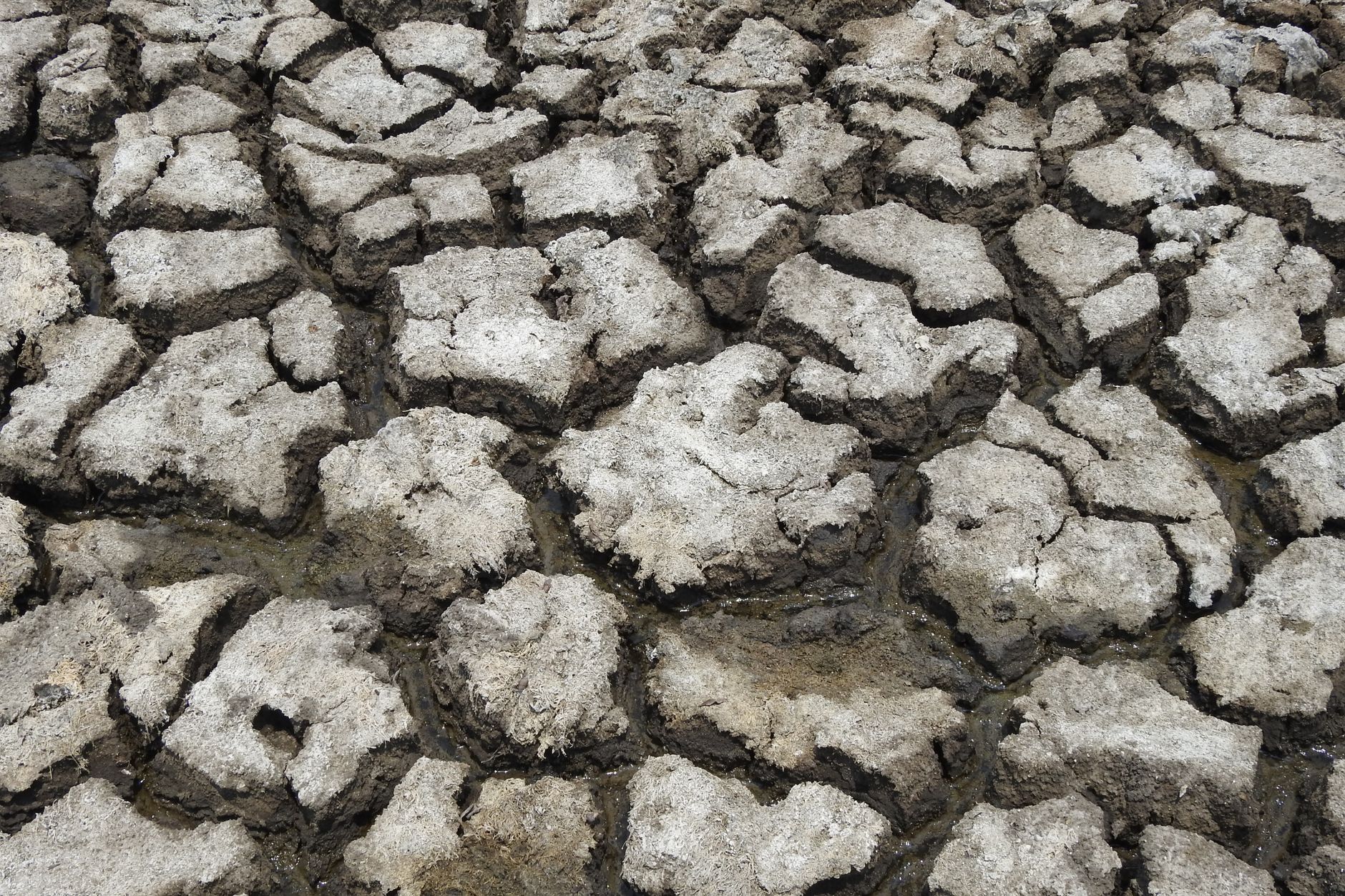
The geological context of Venezuela places it in a seismically active zone, primarily due to its proximity to the Caribbean Plate and the South American Plate boundary. This tectonic interaction frequently results in tremors, but the recent cluster of strong quakes and subsequent aftershocks has been particularly intense and unsettling. Historical data indicates that while earthquakes are not uncommon, the frequency and magnitude of these recent events have raised significant concerns among seismologists and disaster management experts. Understanding this geological backdrop is crucial for appreciating the ongoing risks faced by the Venezuelan population.
The government and various aid organizations have been working to assess the damage and provide assistance since the initial quakes. However, the persistent aftershocks complicate these efforts, creating a dynamic and unpredictable environment for emergency responders. Resources are stretched thin, and the continuous threat of further tremors makes it difficult to establish stable relief operations or begin long-term recovery planning. This ongoing instability exacerbates the humanitarian situation, demanding a more robust and adaptable response strategy from all stakeholders involved in disaster relief.
Why It Matters
The recent powerful aftershock in Venezuela is far more than just another tremor; it represents a significant escalation of an already dire situation, deepening the fear and uncertainty for millions. This event not only threatens lives and property directly but also severely impacts the psychological well-being of a population already under immense stress. The cumulative effect of multiple seismic events can lead to widespread trauma, anxiety, and a pervasive sense of insecurity, hindering daily life and long-term recovery efforts. Addressing this mental health crisis is as critical as providing physical aid.
Economically, the repeated seismic activity poses a substantial threat to Venezuela's already fragile infrastructure and economy. Damaged buildings, disrupted transportation networks, and the potential for further destruction can cripple essential services and industries. The cost of rebuilding and reinforcing structures will be astronomical, diverting scarce resources from other critical areas such as healthcare and education. This continuous cycle of destruction and recovery could set back the nation's development by years, if not decades, exacerbating existing economic hardships.
Furthermore, the international community's response to these ongoing seismic events will be a crucial test of global solidarity and humanitarian commitment. Venezuela's internal challenges make it particularly vulnerable, and the need for external support in terms of expertise, resources, and aid is paramount. The aftershock serves as a stark reminder that natural disasters do not discriminate and require a coordinated, compassionate global effort to mitigate their devastating impacts and support affected populations in their journey toward recovery and resilience.
Ground Reality
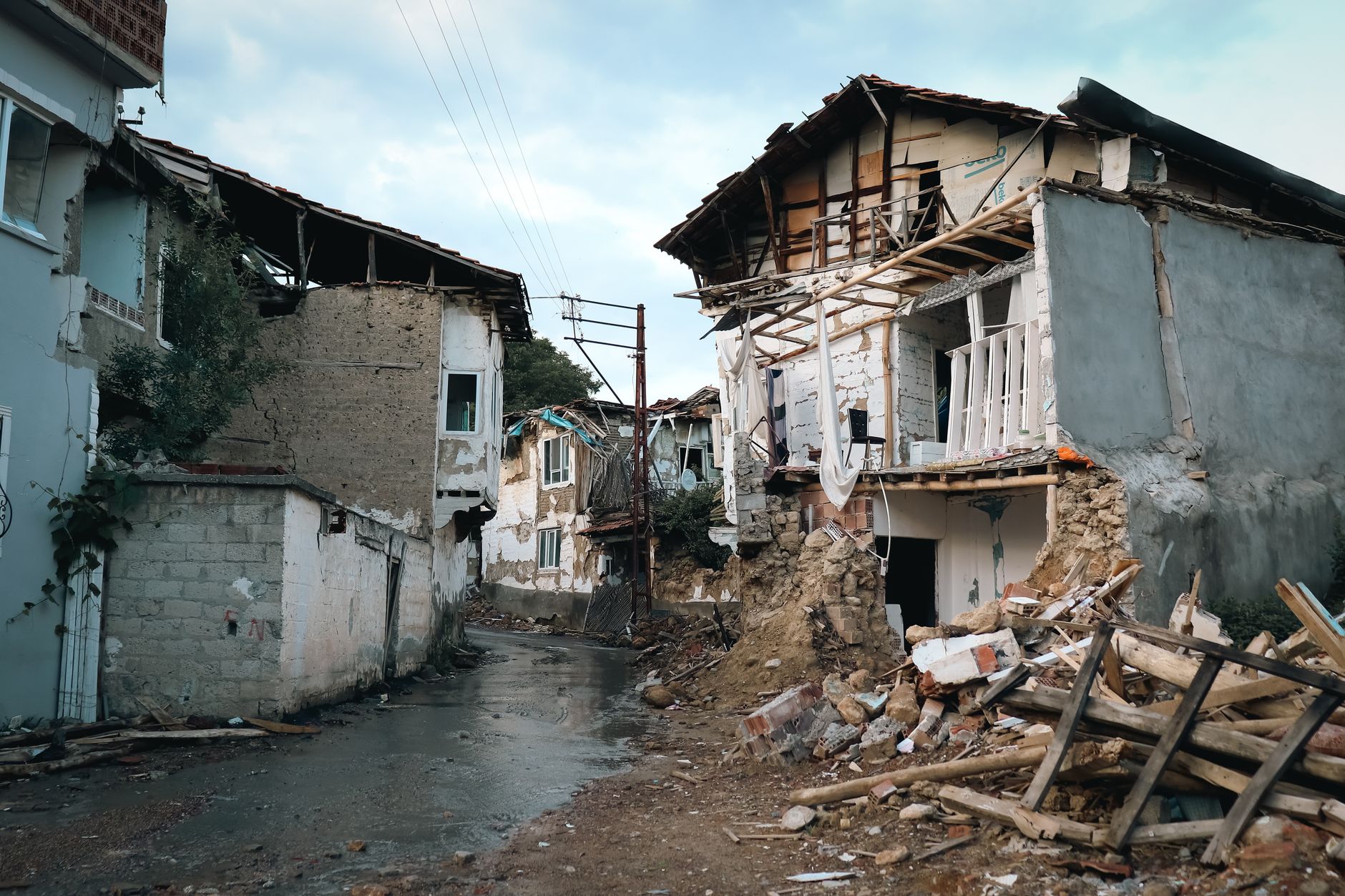
On the ground, the atmosphere in affected Venezuelan communities is one of pervasive anxiety and heightened vigilance. Residents report feeling constant tremors, even minor ones, which trigger immediate panic and a rush to safety. Many are reluctant to return to their homes, fearing structural instability or the possibility of another, more powerful quake. Makeshift shelters and open spaces have become temporary refuges for families, highlighting the profound disruption to daily life and the urgent need for secure, permanent housing solutions that can withstand future seismic activity.
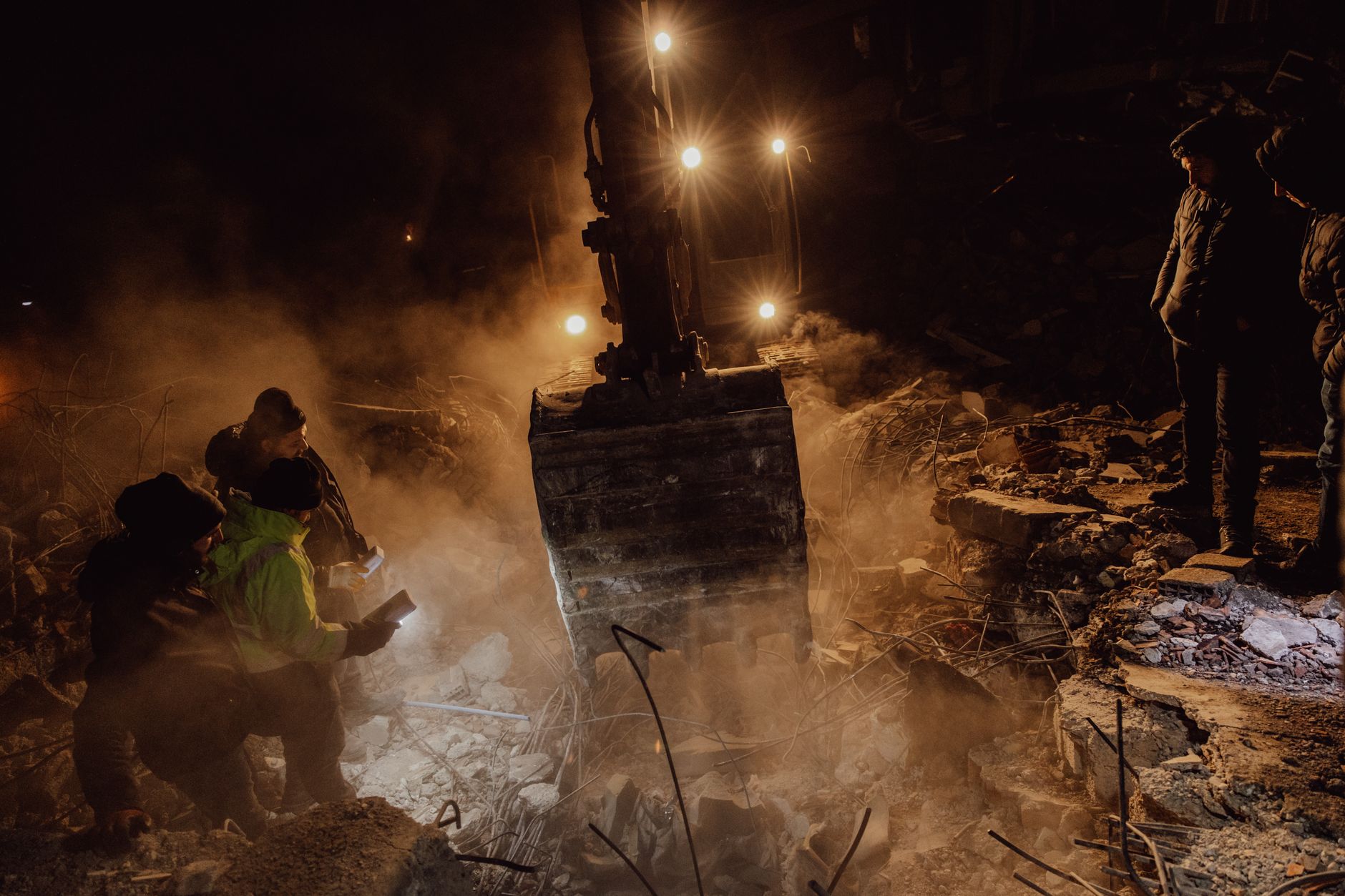
Emergency services are stretched to their limits, responding to calls for assistance, assessing structural damage, and providing medical aid. The logistical challenges are immense, with damaged roads and communication breakdowns hindering effective deployment of resources. Local hospitals are bracing for potential surges in injuries, while also dealing with the psychological toll on their staff and patients. The sheer scale of the ongoing crisis demands a more robust and coordinated national and international response to prevent further loss of life and alleviate suffering.
Beyond the immediate physical dangers, the psychological impact on the population is profound. Children are particularly vulnerable, exhibiting signs of trauma and fear. Parents struggle to provide reassurance while grappling with their own anxieties. Community leaders are working to organize local relief efforts, but they emphasize the desperate need for sustained support, including mental health services, food, water, and temporary shelter. The resilience of the Venezuelan people is being severely tested, and their calls for help resonate with an urgent plea for stability and safety amidst the relentless tremors.
What Experts Are Saying
Seismologists are closely monitoring the situation in Venezuela, emphasizing that aftershocks are a natural, though terrifying, consequence of major seismic events. Dr. Elena Ramirez, a leading geophysicist, explains, "The crust is still adjusting after the initial large quakes. Each aftershock, even if smaller, can cause further damage to already weakened structures and significantly increase public anxiety. This period of seismic unrest could continue for weeks or even months, albeit with decreasing frequency and magnitude over time." Her analysis underscores the need for continued vigilance and structural assessments.
Disaster preparedness experts, such as Professor Miguel Soto from the National University of Venezuela, are advocating for immediate and comprehensive public education campaigns. "Many residents lack basic knowledge of earthquake safety protocols," Soto states. "Simple actions like 'drop, cover, and hold on' can save lives. Furthermore, building codes need urgent review and strict enforcement to ensure new constructions can withstand future seismic activity. Retrofitting older buildings is also a critical, albeit costly, necessity." His insights highlight systemic vulnerabilities that must be addressed.
Mental health professionals are also sounding the alarm. Dr. Sofia Vargas, a psychologist specializing in trauma, warns, "Repeated exposure to seismic events, especially after initial devastating quakes, can lead to acute stress disorder and even PTSD. The collective trauma is immense. It's crucial to establish accessible mental health support services immediately, providing counseling and psychological first aid to help communities cope with the ongoing fear and uncertainty." Her perspective underscores the often-overlooked psychological aftermath of natural disasters.
Frequently Asked Questions
What Happens Next
In the immediate aftermath of this powerful aftershock, the focus will remain squarely on ensuring public safety and providing urgent humanitarian assistance. Emergency response teams will intensify their efforts to conduct rapid damage assessments, identify areas of critical need, and evacuate residents from unsafe structures. The government, in collaboration with international aid organizations, must prioritize the distribution of essential supplies, including food, clean water, and medical aid, to affected communities, many of whom are now displaced and vulnerable. The coming days will be critical for stabilizing the situation and preventing further casualties.
Looking ahead, the long-term recovery will necessitate a multi-faceted approach, beginning with comprehensive structural evaluations of buildings and infrastructure. This will inform critical decisions on rebuilding and retrofitting, with a strong emphasis on implementing and enforcing stricter, earthquake-resistant building codes. Beyond physical reconstruction, there will be an urgent need to address the widespread psychological trauma experienced by the population. Establishing accessible and sustained mental health support services will be paramount to helping communities cope with the ongoing anxiety and rebuild their lives.
Furthermore, this series of seismic events serves as a stark wake-up call for Venezuela to bolster its national disaster preparedness and response capabilities. This includes investing in advanced seismic monitoring systems, developing robust early warning protocols, and conducting regular public education campaigns on earthquake safety. International cooperation and technical assistance will be vital in these efforts, helping Venezuela build resilience against future natural disasters. The path to full recovery will be long and challenging, but proactive measures now can significantly mitigate future risks and protect its citizens.








Comments
No comments yet. Be the first to comment!