
What We Know
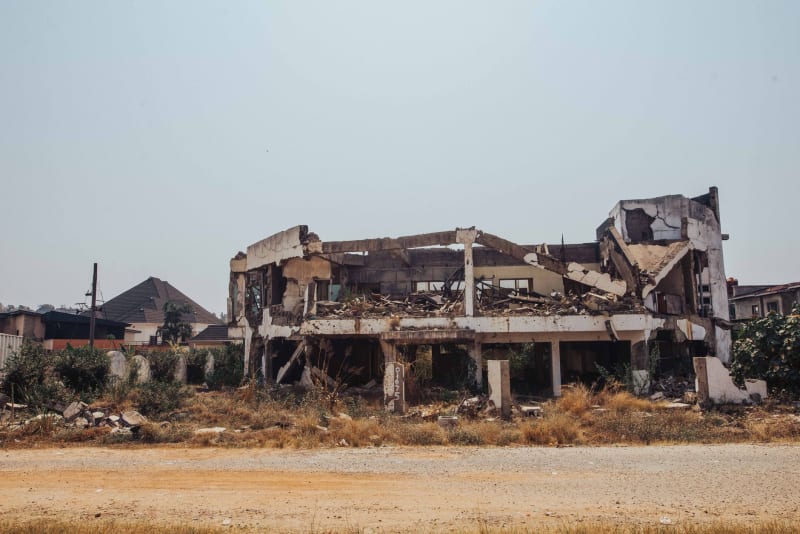
- A catastrophic magnitude 7.8 earthquake violently struck a densely populated region of Venezuela, unleashing widespread destruction across multiple cities and rural communities, causing immediate and profound devastation.
- The official death toll has tragically surged past 1,400 individuals, a figure that continues to climb as emergency responders meticulously search through the immense piles of rubble for any signs of life.
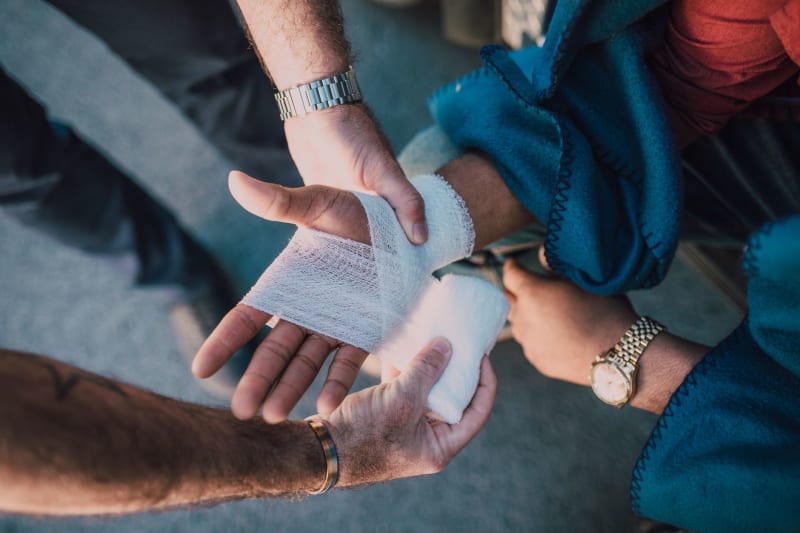
- Thousands of people have been severely injured, overwhelming local hospitals and medical facilities which are struggling to cope with the sheer volume of trauma cases and critical care needs.
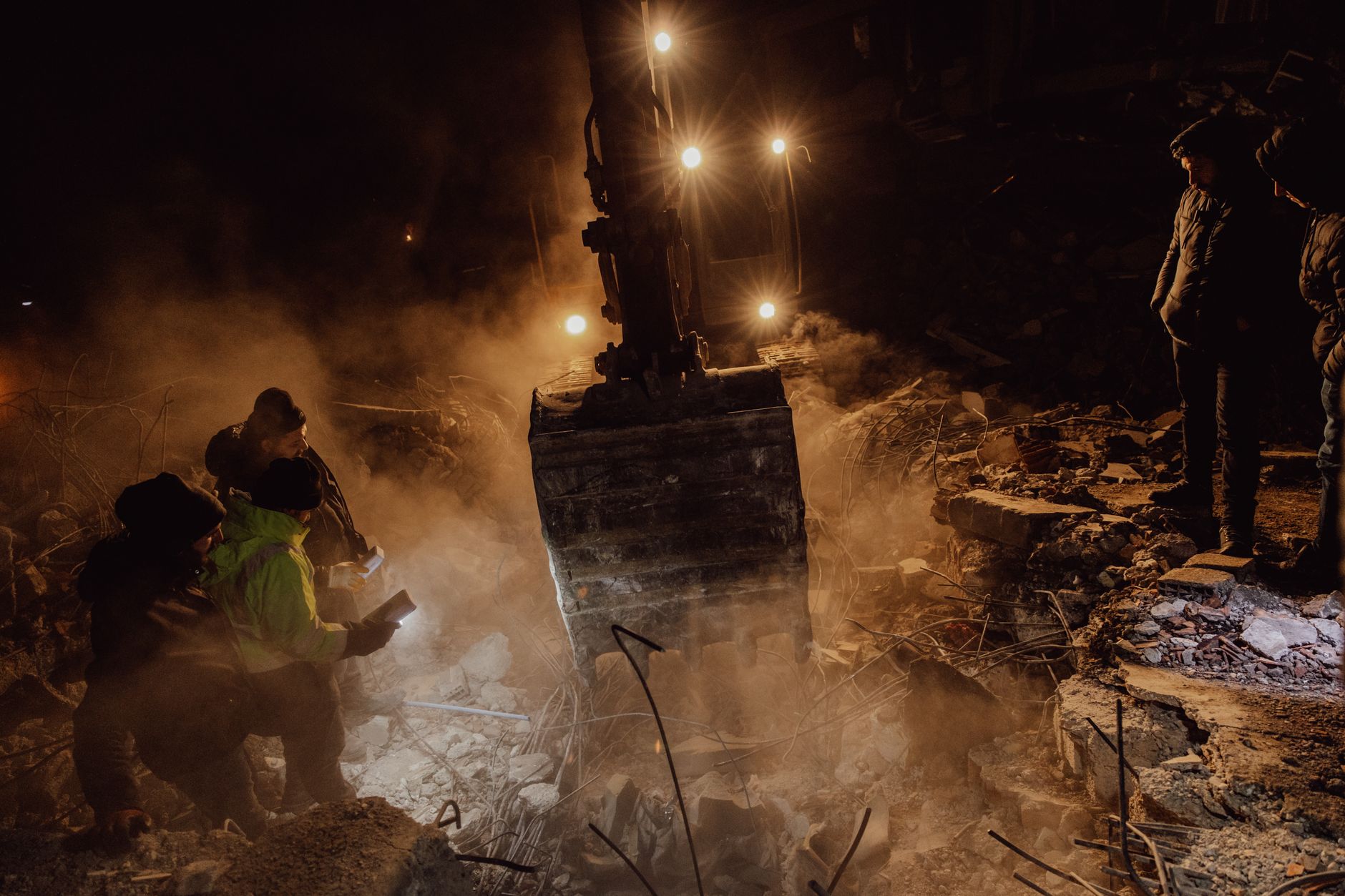
- Extensive search and rescue operations are currently underway, with local and international teams employing specialized equipment and sniffer dogs in a desperate race against time to locate and extract survivors.
- Critical infrastructure, including roads, bridges, power grids, and communication networks, has suffered significant damage, severely hampering relief efforts and isolating many affected areas from external assistance.
- International humanitarian aid, including medical teams, search and rescue experts, and essential supplies, has begun to arrive, but the logistical challenges of distribution remain formidable due to damaged infrastructure.
What We Do Not Know Yet
- The precise number of individuals still trapped beneath the debris of collapsed structures remains unknown, complicating rescue efforts and making it exceedingly difficult to accurately assess the true scale of human loss and potential survivors.
- The full extent of the damage to Venezuela's critical infrastructure, including major highways, ports, and essential utilities, is still being evaluated, which will significantly impact long-term recovery and reconstruction plans.
- How long the current phase of intensive search and rescue operations can realistically continue before transitioning to recovery efforts is a critical question, heavily dependent on resource availability and the diminishing likelihood of finding more survivors.
- The long-term economic repercussions of this catastrophic event on Venezuela's already fragile economy are yet to be fully quantified, but they are expected to be severe, impacting everything from housing to food security and national stability.
- The specific needs and vulnerabilities of displaced populations, particularly those in remote or hard-to-reach areas, are still being assessed, making it challenging to tailor humanitarian responses effectively and ensure equitable distribution of aid.
- The potential for significant aftershocks and their impact on already weakened structures poses an ongoing threat, and the exact seismic forecast for the coming weeks remains a serious concern for residents and rescue teams alike.
Background
Venezuela, situated at the complex intersection of the Caribbean and South American tectonic plates, is inherently susceptible to significant seismic activity. This geological reality means that earthquakes are not uncommon in the region, with historical records detailing numerous tremors over centuries. However, the sheer magnitude and destructive power of this particular event stand out, marking it as one of the most severe in recent memory. While smaller quakes are a regular occurrence, an earthquake of this scale, particularly impacting densely populated urban centers, presents an unprecedented challenge to the nation's infrastructure and emergency response capabilities. The country's geological setting dictates a constant vigilance, yet preparedness for an event of this intensity often falls short.
Decades of underinvestment and economic instability have left much of Venezuela's infrastructure vulnerable to natural disasters. Building codes, where they exist, are often not rigorously enforced, and many structures, especially in older or rapidly developed areas, were not constructed to withstand the powerful seismic forces unleashed by a magnitude 7.8 earthquake. This inherent fragility has undoubtedly contributed to the catastrophic scale of building collapses and the tragic loss of life. The lack of robust emergency planning and the deterioration of public services further exacerbate the crisis, making rapid and effective response incredibly difficult in a country already grappling with significant internal challenges.
Historically, Venezuela has experienced several notable earthquakes, though none have matched the recent event's immediate impact on human life and infrastructure. For instance, the 1967 Caracas earthquake, while smaller in magnitude, caused significant damage and casualties, leading to some improvements in building standards at the time. However, the economic and political landscape has shifted dramatically since then, affecting the maintenance and modernization of these standards. Understanding this historical context is crucial for appreciating the current disaster's severity, as it highlights a long-standing vulnerability that has been compounded by contemporary socio-economic conditions, making recovery a monumental task.
Why It Matters
This catastrophic earthquake transcends a mere natural disaster; it represents a profound humanitarian crisis unfolding in real-time, demanding immediate global attention and concerted action. With a death toll soaring past 1,400 and thousands more injured or missing, the human cost is staggering, leaving countless families shattered and communities decimated. Beyond the immediate fatalities, the widespread destruction of homes, schools, and hospitals means that hundreds of thousands are now displaced, facing an uncertain future without shelter, food, or access to basic medical care. The urgency of the situation cannot be overstated, as every passing hour diminishes the chances of finding survivors and exacerbates the suffering of those already affected, making rapid intervention absolutely critical.
The long-term ramifications of this seismic event will undoubtedly reshape Venezuela's social and economic landscape for years to come. The destruction of critical infrastructure, including major transportation routes and essential utilities, will severely impede economic activity, hinder recovery efforts, and deepen the country's existing challenges. Rebuilding efforts will require immense resources, both financial and material, which are scarce in the current economic climate. Furthermore, the psychological trauma inflicted upon survivors, particularly children, will necessitate extensive and sustained mental health support, adding another layer of complexity to the recovery process and highlighting the deep, enduring scars left by such a devastating event.
The international community's response to this disaster is not just about providing aid; it is a critical test of global solidarity and humanitarian commitment. Venezuela's internal political and economic complexities have often complicated international engagement, but the sheer scale of this tragedy necessitates setting aside differences to prioritize human lives. The effectiveness of aid delivery, coordination among various international bodies, and the Venezuelan government's capacity to facilitate these efforts will be under intense scrutiny. This disaster underscores the interconnectedness of global challenges, reminding us that humanitarian crises, regardless of their origin, demand a unified and compassionate response to mitigate suffering and support long-term resilience.
Timeline of Events
- **Day 1 (Early Morning):** A massive 7.8 magnitude earthquake violently jolts Venezuela, with its epicenter located near the coastal city of Cumaná, triggering immediate widespread panic and structural collapses across several states, catching residents completely off guard.
- **Day 1 (Late Morning/Afternoon):** Initial reports of widespread destruction and casualties begin to emerge from the hardest-hit areas, painting a grim picture as communication lines are severely disrupted, making it difficult to ascertain the full scope of the disaster.
- **Day 2:** The official death toll tragically begins to climb into the hundreds, prompting the Venezuelan government to declare a national state of emergency and issue an urgent appeal for international assistance to bolster overwhelmed local rescue teams.
- **Day 3-4:** Specialized international search and rescue teams from neighboring countries and beyond start to arrive, bringing vital equipment and expertise, joining local efforts in a desperate, round-the-clock search for survivors amidst the ruins.
- **Day 5-6:** The confirmed death toll tragically surpasses the 1,000 mark, intensifying the sense of urgency for rescue operations, even as logistical challenges related to damaged infrastructure continue to impede the rapid distribution of aid and resources.
- **Day 7 Onwards:** Focus begins to shift towards providing humanitarian relief to the hundreds of thousands displaced, establishing temporary shelters, and addressing critical needs for food, water, and medical care, while rescue efforts persist in diminishing hope.
Rapid-Fire Q&A
What Is Coming
- Further international aid convoys and specialized rescue teams are anticipated to arrive in the coming days, bringing crucial medical supplies, heavy equipment for debris removal, and humanitarian assistance to the most affected communities, bolstering ongoing efforts.
- The focus will gradually shift from immediate search and rescue operations to comprehensive recovery and humanitarian relief, including establishing more permanent shelters, restoring essential services, and addressing the long-term needs of displaced populations.
- Extensive damage assessments will commence across all affected regions to quantify the full economic and structural impact, which will be critical for planning the monumental task of reconstruction and securing necessary international funding.
- Public health initiatives will intensify to prevent the outbreak of waterborne diseases and other illnesses, with efforts focused on providing clean water, sanitation, and medical care in temporary settlements and damaged areas.
- Long-term psychological support programs will be crucial for survivors, especially children, to help them cope with the trauma and loss experienced during and after the earthquake, ensuring mental health is prioritized alongside physical recovery.
- Discussions around improving seismic resilience and enforcing stricter building codes are expected to gain momentum, aiming to protect future generations from similar catastrophic outcomes by strengthening infrastructure against natural disasters.













Comments
No comments yet. Be the first to comment!