

Policy Snapshot
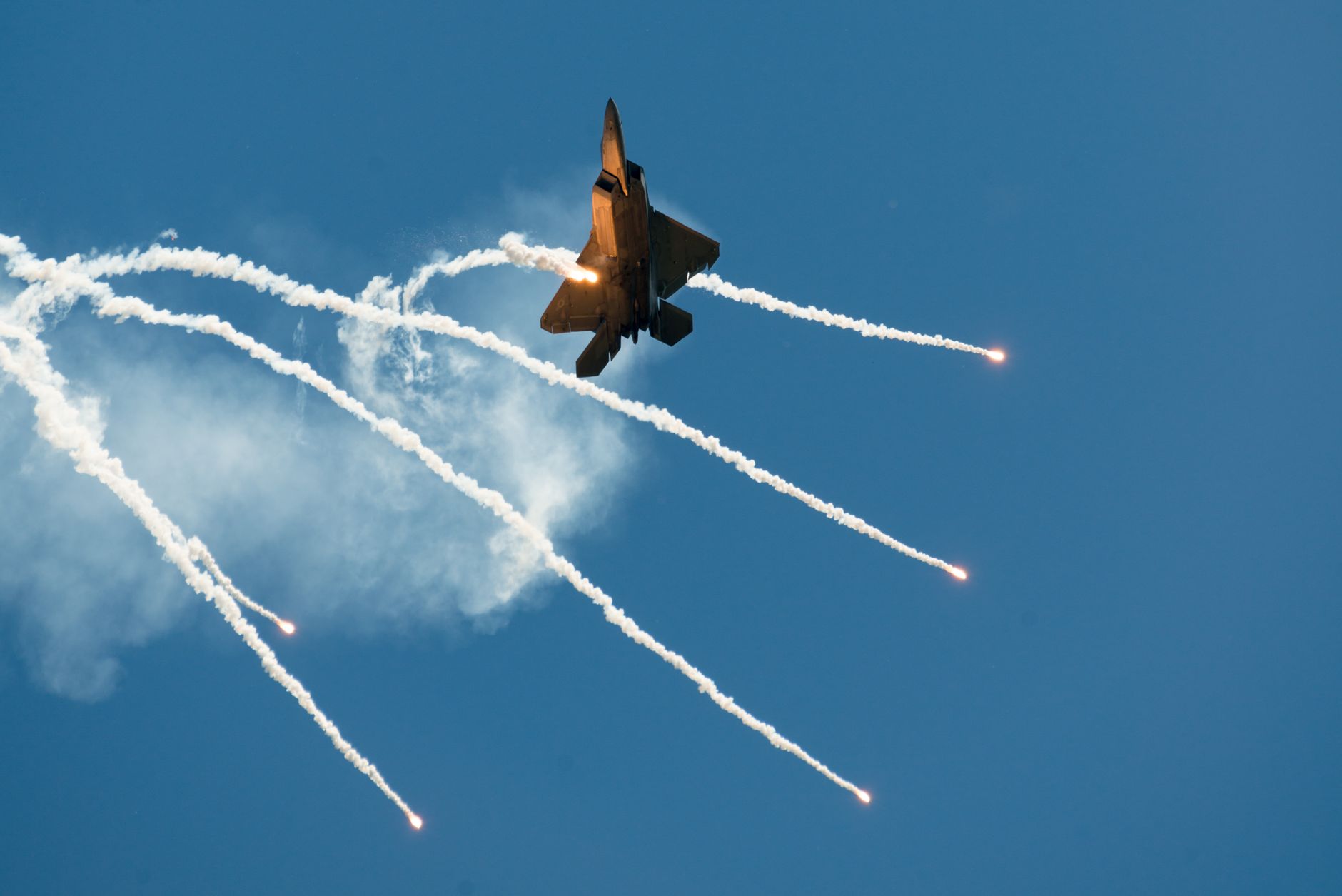
- President Zelenskyy has issued a direct and urgent appeal to international partners, specifically emphasizing the critical need for additional air defense systems to counter Russia's persistent and escalating aerial assaults.
- The recent devastating attack on Kyiv, which tragically resulted in at least 17 fatalities, serves as a stark and undeniable demonstration of the immediate and dire necessity for robust air defense capabilities across Ukraine.
- Ukrainian officials are actively engaging with allied nations to expedite the delivery of sophisticated air defense technologies, including advanced missile interceptors and radar systems, to protect vital infrastructure and civilian lives.
- Current international policy largely supports providing defensive aid to Ukraine, but the pace and scale of delivery often fall short of the urgent requirements on the ground, leading to tragic consequences.
- The policy discussions now revolve around not just the quantity but also the quality and integration of diverse air defense systems to create a multi-layered protective shield against various types of aerial threats, from ballistic missiles to drones.
- There is a growing consensus among NATO allies regarding the strategic importance of strengthening Ukraine's air defense, recognizing it as a crucial element for stabilizing the front lines and preventing further humanitarian catastrophes.
The Policy History
Since the full-scale invasion commenced in February 2022, Ukraine's air defense capabilities have been a paramount concern for both Kyiv and its international allies. Initially, Ukraine relied heavily on its Soviet-era air defense systems, which, while functional, were quickly overwhelmed by the sheer volume and sophistication of Russian missile and drone attacks. The early months saw critical infrastructure, including energy facilities and residential areas, targeted with devastating regularity, highlighting a glaring vulnerability in Ukraine's defensive posture.
The international community responded by gradually increasing military aid, with a significant focus on air defense. Systems like the German IRIS-T, the American NASAMS, and later the Patriot missile systems were pledged and delivered. These advanced systems proved highly effective in intercepting a substantial portion of incoming threats, particularly ballistic and cruise missiles, thereby saving countless lives and protecting key strategic assets. However, the scale of these deliveries has consistently lagged behind the escalating threat level, creating persistent gaps in coverage.
President Zelenskyy's repeated calls for more air defense are not new; they represent a continuous plea that has intensified with each major Russian strike. This ongoing demand underscores a critical policy challenge: how to rapidly scale up the provision of complex, high-cost defensive weaponry while navigating logistical hurdles, production capacities, and the political sensitivities of donor nations. The historical trajectory of aid has been reactive rather than proactive, often waiting for a major tragedy to spur further commitments, a pattern Ukraine desperately seeks to break.
Who Is Affected
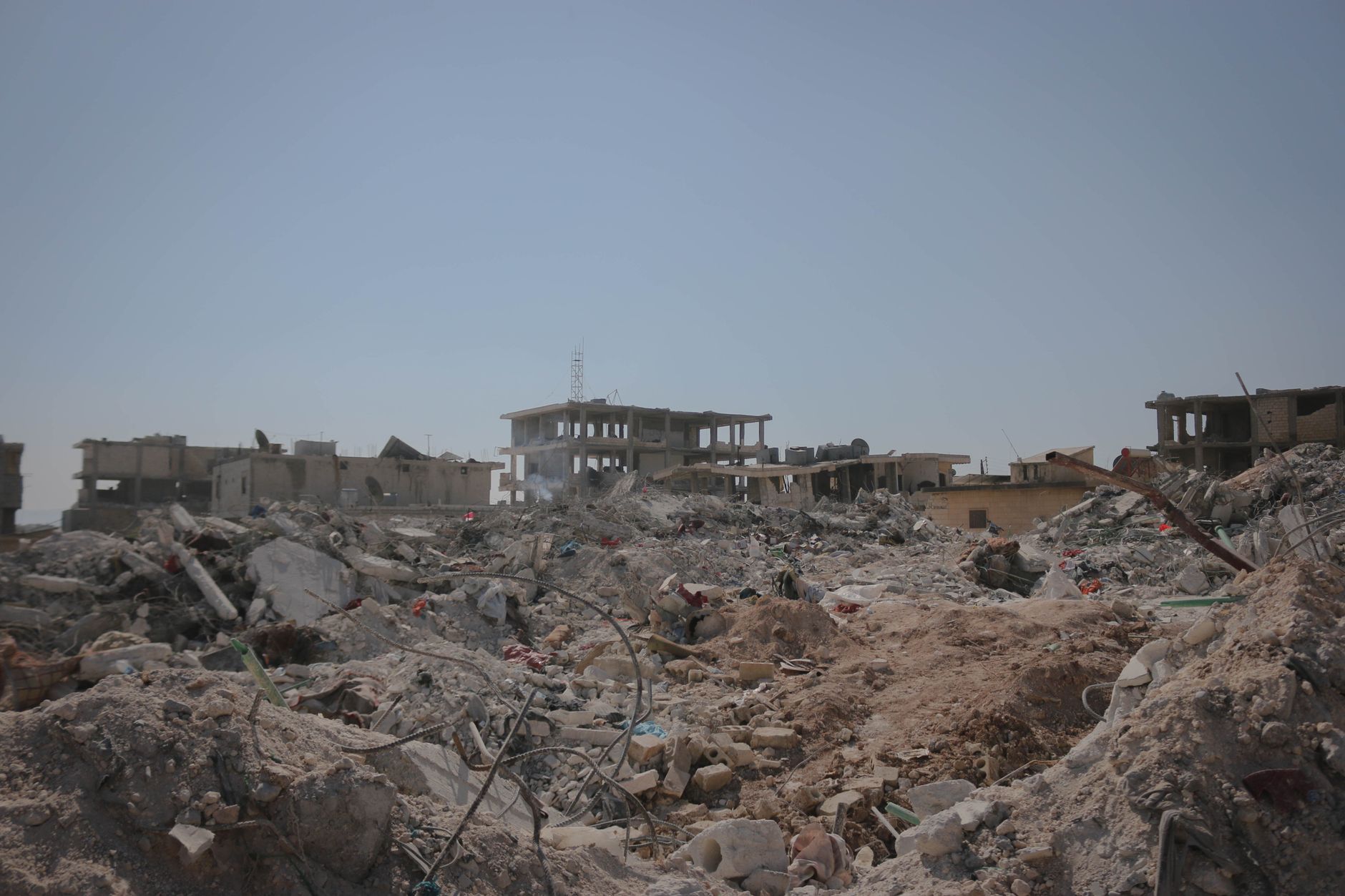
The most profoundly affected by the ongoing Russian aerial bombardments are the civilian populations across Ukraine. Cities like Kyiv, Kharkiv, Lviv, and Odesa have become frequent targets, with residential buildings, hospitals, and schools bearing the brunt of these attacks. The psychological toll on citizens living under constant threat of missile strikes is immense, leading to widespread trauma, displacement, and a pervasive sense of insecurity. Families are torn apart, homes are destroyed, and the fabric of daily life is severely disrupted, creating a humanitarian crisis of staggering proportions.
Beyond the immediate human cost, Ukraine's critical infrastructure is also severely impacted. Energy grids, water supply systems, and transportation networks are consistently targeted, aiming to cripple the nation's ability to function, especially during harsh winter months. These attacks not only cause widespread blackouts and disruptions to essential services but also necessitate costly and time-consuming repairs, diverting crucial resources from other pressing needs. The economic consequences are devastating, hindering recovery efforts and prolonging the country's dependence on international aid.
Furthermore, the military personnel on the front lines and those responsible for national defense are directly affected. While their primary role is combat, the lack of sufficient air defense diverts resources and attention, forcing them to contend with threats from above in addition to ground assaults. The constant threat of air attacks also impacts troop morale and operational planning, making strategic movements and logistical support more perilous. The international community, too, is indirectly affected, as the instability and humanitarian crisis in Ukraine have ripple effects on global security, energy markets, and diplomatic relations.
The Case For
The argument for providing more air defense to Ukraine is overwhelmingly compelling, rooted in both humanitarian imperatives and strategic necessity. From a humanitarian perspective, robust air defense systems are the most effective means of protecting civilian lives and critical infrastructure from indiscriminate Russian attacks. Each intercepted missile or drone represents lives saved, hospitals preserved, and essential services maintained. Failing to provide adequate protection is tantamount to tacitly accepting further civilian casualties and the systematic destruction of a sovereign nation's vital assets, which is morally indefensible.
Strategically, enhanced air defense is pivotal for Ukraine's ability to defend its territory and maintain its sovereignty. Without a secure sky, any ground gains are precarious, and the country remains vulnerable to devastating long-range strikes that undermine its war effort and national resilience. Moreover, a strong air defense network can deter future attacks by increasing the cost and risk for Russia, potentially leading to a de-escalation of aerial bombardments. It also frees up Ukrainian forces to focus on offensive operations and territorial defense, rather than being constantly preoccupied with protecting their cities.
Furthermore, providing advanced air defense systems to Ukraine serves the broader interests of global security and stability. It demonstrates a commitment to upholding international law, deterring aggression, and preventing the erosion of the rules-based international order. By empowering Ukraine to defend itself effectively, allied nations reinforce the principle that territorial integrity cannot be violated with impunity. This support also prevents the conflict from spilling over into neighboring countries and reduces the likelihood of a wider European confrontation, making it a sound investment in collective security.
The Case Against
While the humanitarian and strategic arguments for bolstering Ukraine's air defense are strong, there are also significant practical and political challenges that form the basis of arguments against immediate, large-scale provision. One primary concern revolves around the immense cost and scarcity of advanced air defense systems. These systems, such as Patriot or NASAMS, are incredibly expensive to procure, operate, and maintain. Furthermore, global production capacities are limited, and many allied nations are reluctant to deplete their own strategic reserves, fearing it could compromise their national security in an increasingly volatile world.
Another significant point of contention is the logistical complexity and training requirements associated with deploying sophisticated air defense technology. Integrating new, diverse systems into Ukraine's existing network requires extensive training for operators and maintenance crews, which takes considerable time and resources. There are also concerns about the supply chain for spare parts and munitions, which must be sustained over the long term. Critics argue that diverting such high-value assets and personnel might not be the most efficient use of resources, especially if they cannot be fully operationalized quickly enough to meet immediate threats.
Finally, some arguments against providing unlimited air defense stem from geopolitical considerations and the fear of escalation. There are concerns in some Western capitals that providing certain advanced systems, particularly those with offensive capabilities or very long ranges, could be perceived by Russia as a direct provocation, potentially leading to an unpredictable escalation of the conflict. While this perspective is often countered by proponents of aid, it remains a factor in the cautious approach adopted by some nations, who prefer a more measured and incremental delivery of defensive weaponry to avoid crossing perceived 'red lines.'

Policy Questions Answered
Implementation Watch
The implementation of pledges for additional air defense systems remains a critical area of focus for Ukraine and its allies. While numerous commitments have been made, the actual delivery and operational deployment often face delays due to manufacturing lead times, logistical bottlenecks, and the extensive training required for Ukrainian personnel. Monitoring these deliveries is paramount, ensuring that promised systems translate into tangible protection on the ground. The effectiveness of these systems is also contingent on their seamless integration into Ukraine's existing command and control structures, which requires ongoing technical cooperation and intelligence sharing.
Beyond the hardware, the sustained provision of munitions for these air defense systems is an equally pressing concern. Intercepting incoming missiles and drones consumes a vast quantity of expensive interceptor missiles, and maintaining an adequate supply chain is vital for continuous protection. Allied nations are working to ramp up production of these munitions, but the demand frequently outstrips supply, creating a constant challenge. This necessitates a strategic approach to ammunition management, prioritizing the most critical areas and threats while pushing for accelerated industrial output.
Looking ahead, the long-term strategy involves not just receiving more systems but also developing Ukraine's indigenous capabilities to maintain, repair, and eventually produce its own air defense components. This includes investing in local defense industries, transferring technology, and fostering a skilled workforce. The ultimate goal is to build a self-sufficient and resilient air defense architecture that can withstand prolonged conflict, reducing Ukraine's dependence on external aid and securing its skies for generations to come. This ambitious vision requires sustained international partnership and a clear roadmap for technological transfer and industrial collaboration.
















Comments
No comments yet. Be the first to comment!