

The Story in Brief
- A powerful 7.6 magnitude earthquake struck Japan's Noto Peninsula, triggering widespread destruction and an immediate tsunami warning that sent coastal residents scrambling for higher ground, though the largest waves were ultimately smaller than initially feared.
- The confirmed death toll has tragically risen to 30, with authorities warning that this number is expected to climb further as search and rescue teams continue to navigate treacherous conditions in collapsed buildings and remote areas.
- Rescue efforts are severely hampered by a relentless barrage of aftershocks, which continuously destabilize damaged structures and pose significant risks to first responders, making every step of the search operation extremely hazardous.
- Compounding the crisis, a sudden heatwave has descended upon the affected region, creating dangerous conditions for both survivors awaiting rescue and the dedicated emergency personnel working tirelessly amidst the rubble.
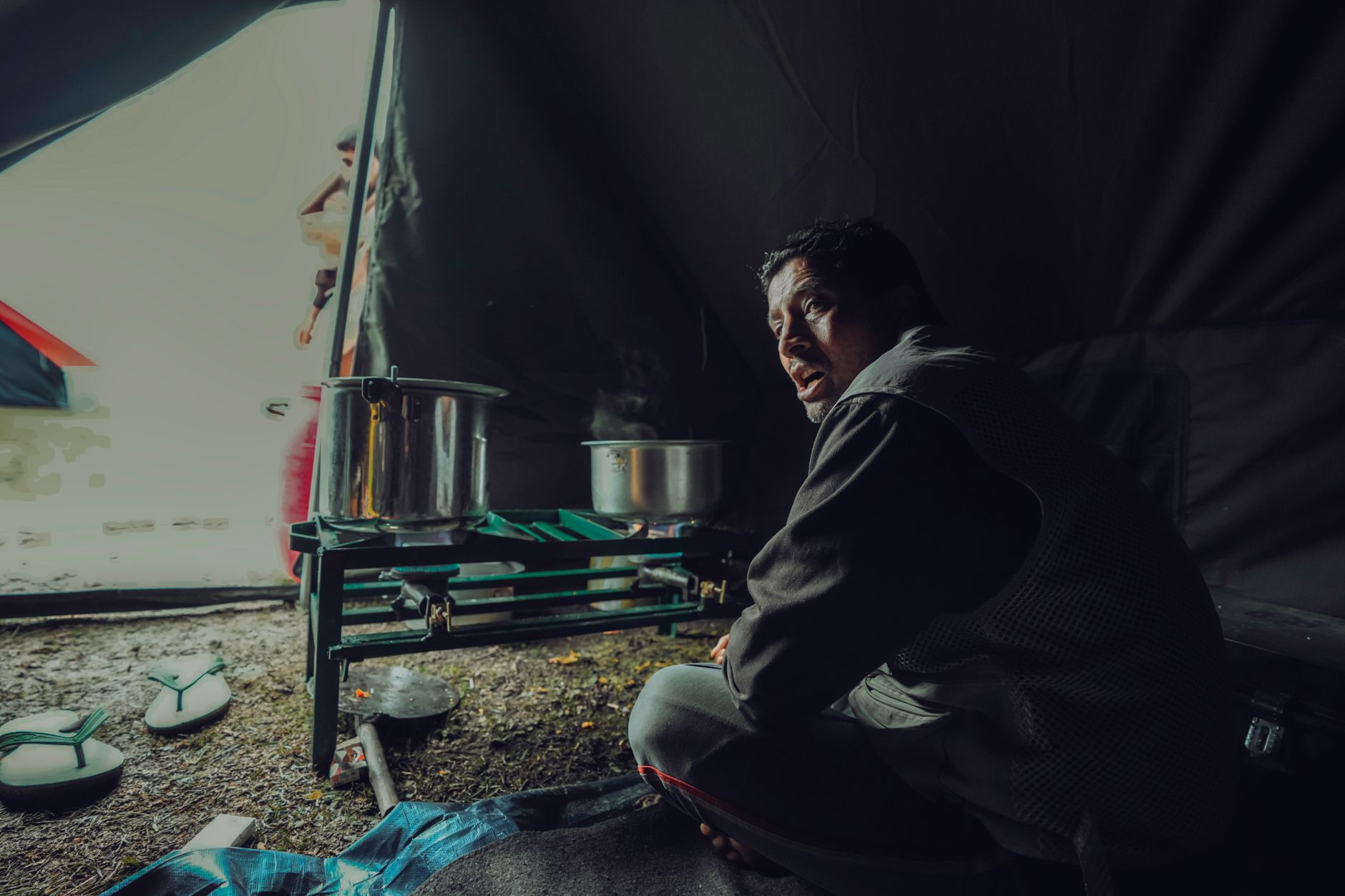
- Thousands of people have been displaced from their homes, seeking refuge in temporary shelters where access to essential supplies like food, water, and medical care remains a critical challenge, underscoring the urgent need for sustained humanitarian aid.
- The Japanese government has mobilized extensive resources, deploying military personnel and emergency services, but the sheer scale of the damage and the geographical isolation of some affected communities present formidable logistical hurdles.
- Infrastructure, including vital roads and communication networks, has suffered extensive damage, isolating many communities and making it incredibly difficult to deliver aid and evacuate the injured, creating pockets of extreme vulnerability.
The Human Face
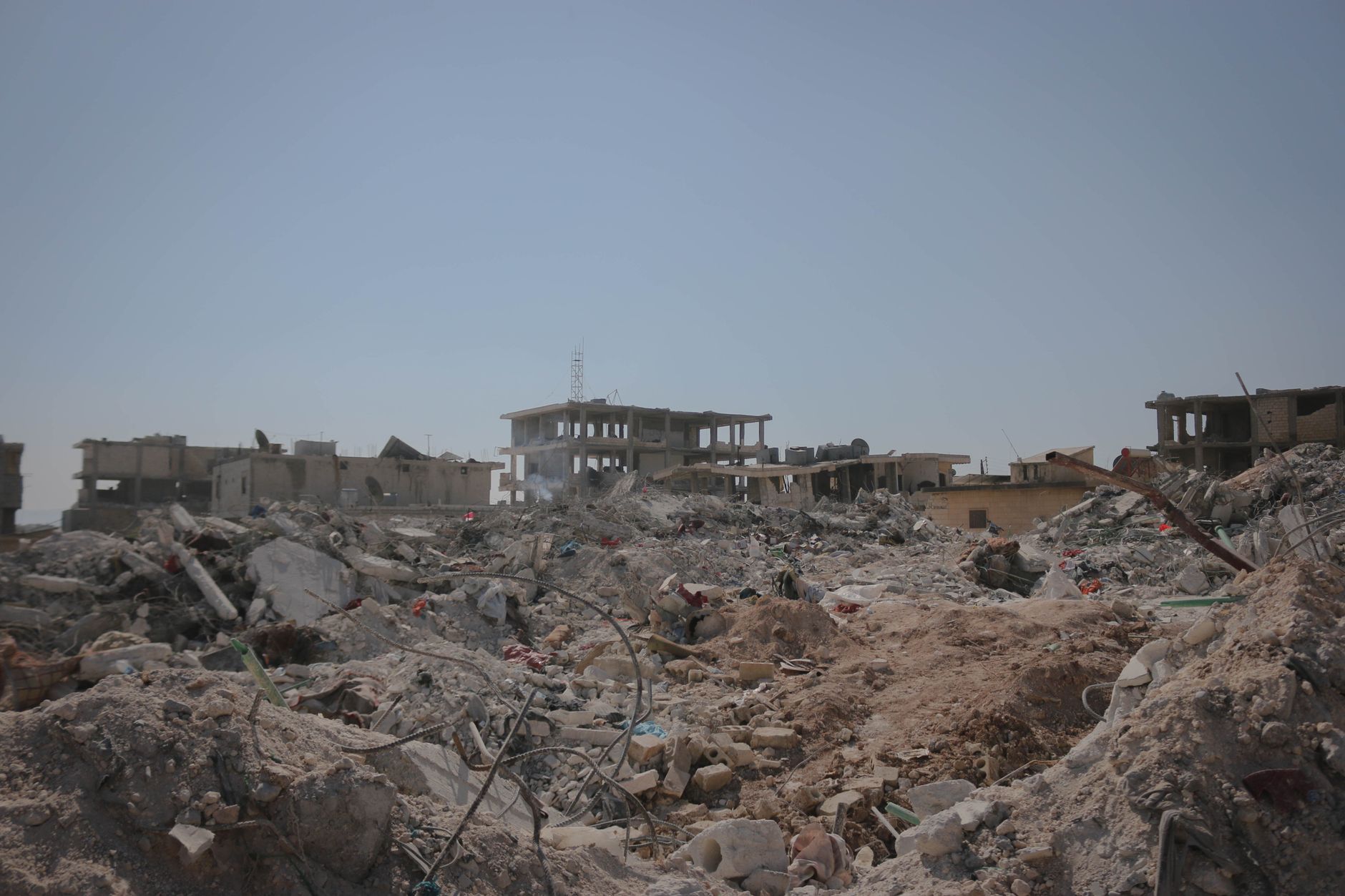
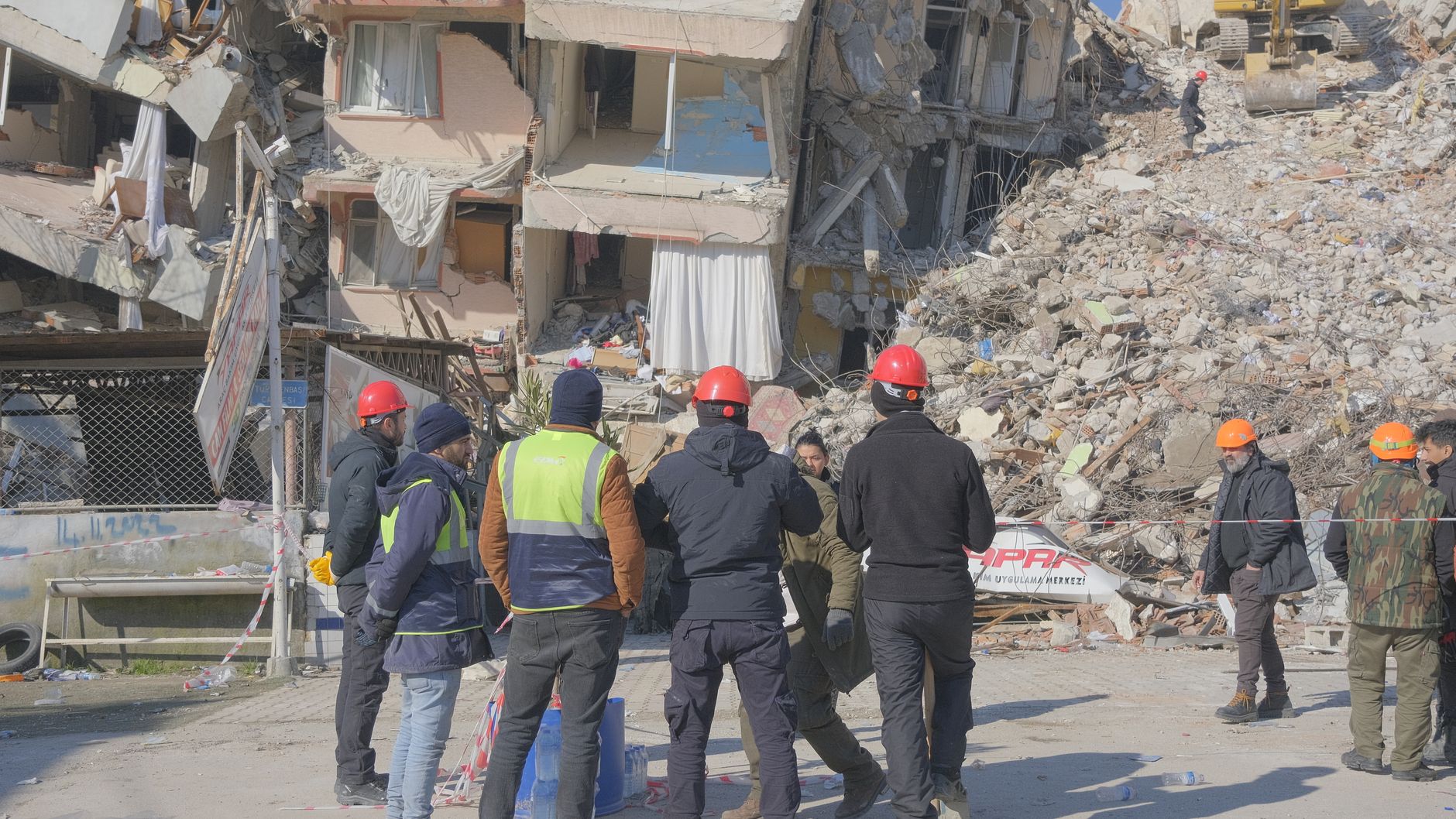
The human cost of the Noto Peninsula earthquake continues to mount, with families shattered and communities grappling with unimaginable loss. Each number in the rising death toll represents a life abruptly ended, a future extinguished, and a void left in the hearts of loved ones. Survivors recount harrowing tales of buildings collapsing around them, the earth violently shaking, and the terrifying uncertainty of not knowing if their family members were safe. Many are now living in temporary shelters, their homes reduced to rubble, facing a bleak future without the familiar comforts and security they once knew. The psychological trauma of such an event will linger long after the physical damage is addressed, requiring extensive support for mental health and community rebuilding.
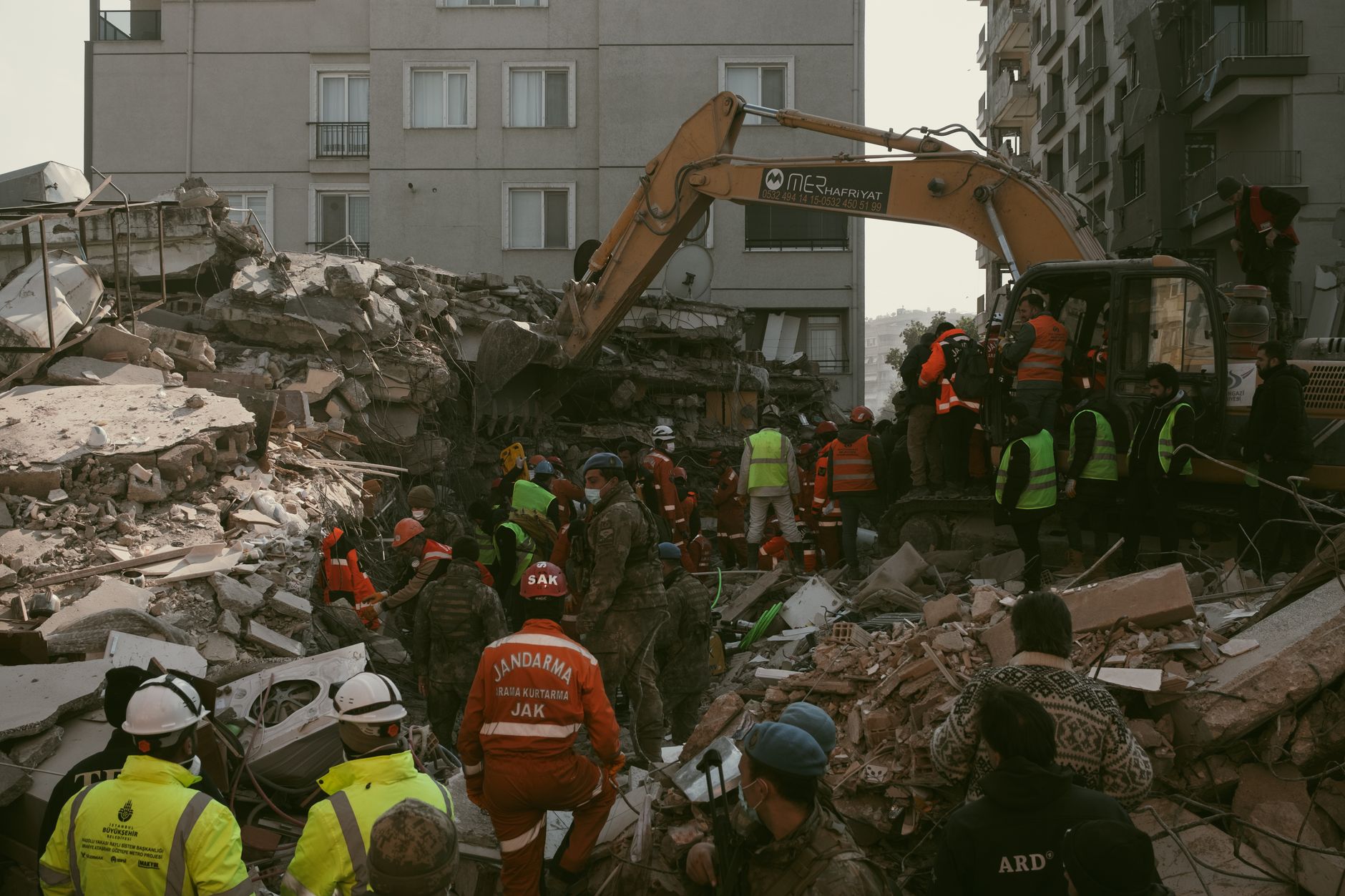
For those trapped beneath the debris, every passing hour diminishes the hope of survival. Rescue workers, often risking their own lives amidst unstable structures and continuous aftershocks, are engaged in a desperate race against time. The cries for help, though fading, fuel their relentless efforts. The emotional toll on these first responders is immense, as they witness firsthand the devastation and the suffering. Stories emerge of miraculous rescues, offering fleeting moments of joy amidst the overwhelming despair, but these are often overshadowed by the grim reality of discovering more victims. The sheer physical and emotional endurance required from both survivors and rescuers in these critical initial days is truly profound.
Beyond the immediate casualties, thousands are now displaced, their lives uprooted. The sudden heatwave, with temperatures soaring, adds another layer of suffering, particularly for the elderly, children, and those with pre-existing health conditions. Access to clean water, food, and medical supplies is inconsistent, leading to concerns about hygiene and the potential spread of illness in crowded shelters. The resilience of the Japanese people is evident, with communities coming together to support each other, sharing what little they have, but the scale of this disaster demands a coordinated and sustained humanitarian response to prevent a secondary crisis from unfolding. The individual stories of survival, loss, and resilience paint a vivid picture of the profound impact this earthquake has had on the lives of ordinary people.
How We Got Here
The Noto Peninsula was struck by a powerful 7.6 magnitude earthquake on New Year's Day, a seismic event that caught many residents off guard despite Japan's advanced earthquake preparedness systems. The quake's shallow depth, estimated at just 10 kilometers, significantly amplified its destructive power, causing widespread ground liquefaction and triggering numerous landslides across the rugged terrain of Ishikawa Prefecture. This geological vulnerability, combined with the intensity of the tremor, led to the catastrophic collapse of older wooden structures and severe damage to more modern infrastructure, including critical transportation arteries and utility networks. The initial impact was immediate and devastating, setting the stage for the unfolding humanitarian crisis.
Following the main shock, the region has been battered by a relentless series of aftershocks, some registering magnitudes strong enough to cause further damage to already weakened buildings and to endanger rescue personnel. These continuous tremors have not only hindered search and rescue operations but have also instilled a pervasive sense of fear and instability among the population, making it difficult for people to return to their homes even for brief periods to retrieve essential belongings. The frequency and intensity of these aftershocks are a critical factor in the ongoing challenges faced by emergency services, as they must constantly assess and mitigate new risks while attempting to save lives.
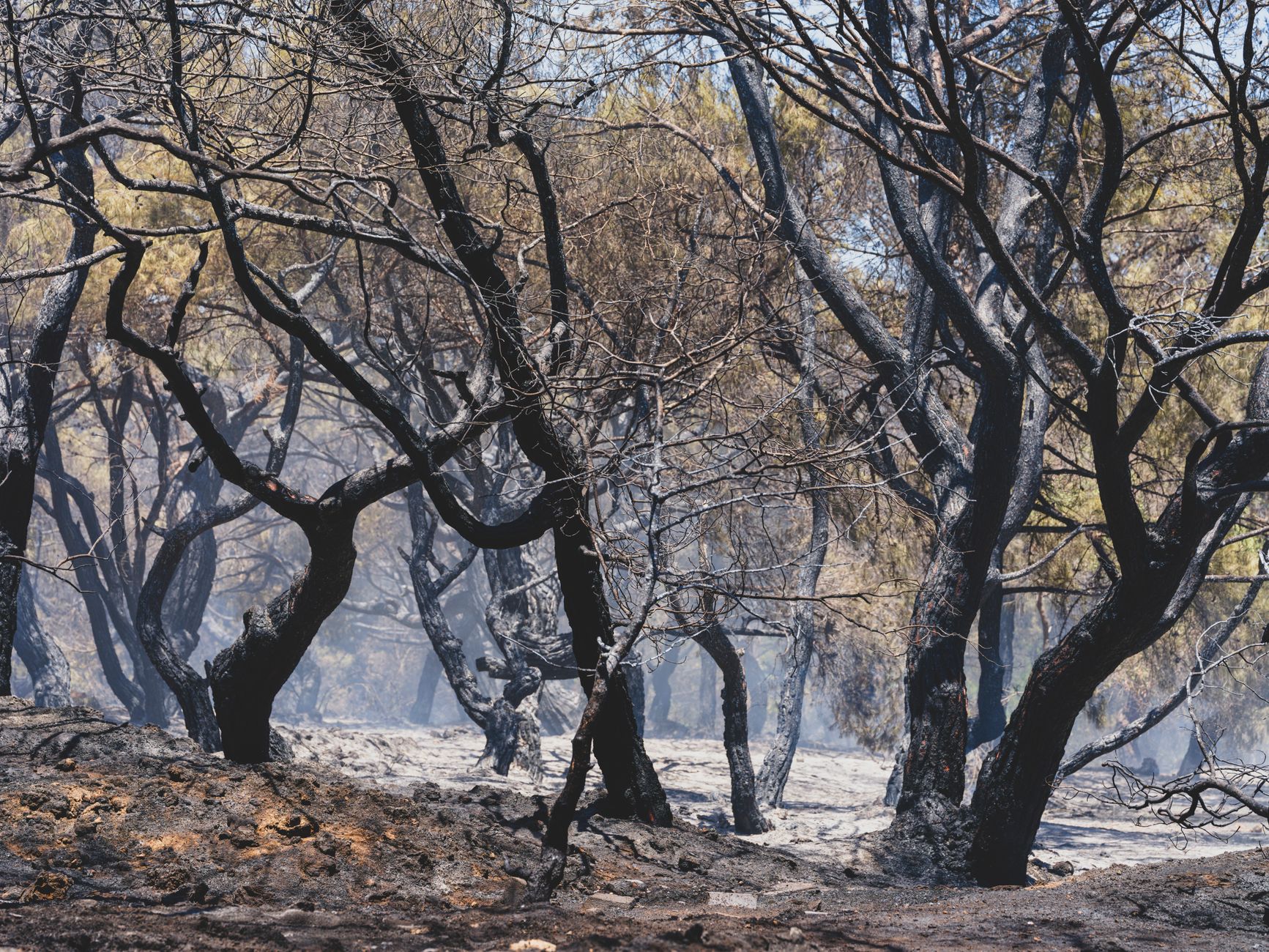
Adding a cruel twist to the disaster, a sudden and unseasonable heatwave has descended upon the affected areas. This unexpected environmental challenge has exacerbated the already dire conditions for survivors, particularly those without adequate shelter, water, or access to cooling. For rescue workers, the extreme temperatures pose a significant risk of heatstroke and dehydration, slowing down their arduous efforts in the rubble. The combination of seismic instability, infrastructure collapse, and severe weather conditions has created a complex and rapidly evolving emergency scenario, pushing the limits of Japan's renowned disaster response capabilities and highlighting the multifaceted nature of modern humanitarian crises.
Why This Cannot Be Ignored
The unfolding crisis in Japan's Noto Peninsula is not merely a regional tragedy; it is a stark reminder of the persistent vulnerability of even the most prepared nations to natural disasters. Japan, with its stringent building codes and sophisticated early warning systems, is considered a global leader in earthquake readiness. Yet, the sheer scale of this quake's destruction, the rapid escalation of the death toll, and the severe impediments to rescue efforts underscore that no amount of preparation can fully mitigate the catastrophic impact of a major seismic event. This situation demands international attention not only for humanitarian aid but also for critical lessons in disaster response and resilience that can be applied globally.
Beyond the immediate loss of life, the long-term implications for the affected communities are profound. Thousands have been displaced, their homes destroyed, and their livelihoods shattered. The economic disruption, particularly in a region reliant on fishing and agriculture, will be substantial and long-lasting. The psychological trauma experienced by survivors, especially children, will require extensive and sustained support. Ignoring this crisis would mean overlooking the fundamental human right to safety and recovery, and it would set a dangerous precedent for how the international community responds to similar events in the future. The world must recognize the ripple effects of such a disaster, extending far beyond the initial shockwaves.
Furthermore, the challenges faced by rescue teams—relentless aftershocks, damaged infrastructure, and now a sudden heatwave—highlight the complex and multi-layered nature of modern disaster response. These compounding factors create a humanitarian emergency that requires innovative solutions and sustained international cooperation. The ability to deliver aid, evacuate the injured, and restore essential services under such extreme conditions tests the very limits of emergency management. The lessons learned from this response, both successes and failures, will be invaluable for future disaster preparedness worldwide, making it imperative that the global community observes, assists, and learns from Japan's current ordeal.
Possible Paths Forward
The immediate priority for the Japanese government and international aid organizations is to intensify search and rescue operations, leveraging every available resource to locate survivors trapped under rubble. This requires deploying more specialized heavy equipment capable of navigating unstable terrain, increasing the number of trained rescue personnel, and utilizing advanced technologies like drones and thermal imaging to identify potential locations of buried individuals. Simultaneously, establishing secure, rapidly deployable field hospitals and mobile medical units is crucial to treat the injured and address the growing health concerns in temporary shelters. Ensuring a steady supply chain for essential provisions—clean water, non-perishable food, blankets, and hygiene kits—to all affected areas, especially those cut off by damaged roads, is paramount to prevent further suffering and potential secondary crises.
In the medium term, efforts must focus on providing stable, temporary housing solutions for the thousands displaced, moving beyond crowded gymnasiums to more structured and weather-resistant accommodations. This phase also necessitates a comprehensive assessment of damaged infrastructure, prioritizing the repair of critical roads, bridges, and utility networks to restore connectivity and facilitate long-term recovery. Mental health support services must be integrated into all recovery plans, offering counseling and psychological aid to survivors, rescue workers, and affected families grappling with trauma and loss. Rebuilding efforts should also incorporate enhanced seismic resilience, ensuring that new construction and repaired structures can withstand future seismic events more effectively, learning from the current devastation.
Looking ahead, the long-term recovery strategy will involve significant investment in rebuilding communities, revitalizing local economies, and strengthening disaster preparedness frameworks. This includes developing more robust early warning systems, refining evacuation protocols, and investing in public education campaigns to ensure residents are well-versed in earthquake safety. International cooperation will be vital, not just for financial aid but also for sharing expertise in resilient infrastructure development and post-disaster recovery. Japan's experience, though tragic, offers invaluable lessons for global disaster management, emphasizing the need for continuous innovation in preparedness, response, and long-term resilience strategies to protect populations from the increasing frequency and intensity of natural hazards.
Questions People Are Actually Asking
What to Watch
- The trajectory of the death toll: Authorities have warned that the number of confirmed fatalities is likely to continue rising as rescue teams access more remote areas and sift through the extensive rubble, making this a critical indicator of the disaster's full impact.
- The effectiveness and speed of ongoing search and rescue operations: The window for finding survivors is rapidly closing, and the ability of emergency services to overcome logistical challenges, aftershocks, and the heatwave will be crucial in the coming days.
- The humanitarian situation in temporary shelters: Monitor the provision of essential supplies like clean water, food, and medical care, as well as the prevention of disease outbreaks, which are significant concerns in crowded displacement centers.
- The stability of the aftershock sequence: Persistent, strong aftershocks could further destabilize damaged infrastructure, impede rescue efforts, and increase the psychological toll on survivors, making their frequency and magnitude a key factor.
- The long-term impact on local infrastructure and economy: Observe the progress of road and utility repairs, and the initial assessments of the economic damage to key industries like fishing and agriculture, which will dictate the recovery timeline.
- The level of international aid and cooperation: Watch for pledges of financial assistance, expert teams, and resources from other countries, as a coordinated global response will be vital for Japan's extensive recovery and rebuilding efforts.
- The government's strategy for long-term recovery and reconstruction: Pay attention to the plans for rebuilding homes, communities, and infrastructure, as well as measures to enhance future disaster resilience and support the mental health of affected populations.






Comments
No comments yet. Be the first to comment!