

What We Know
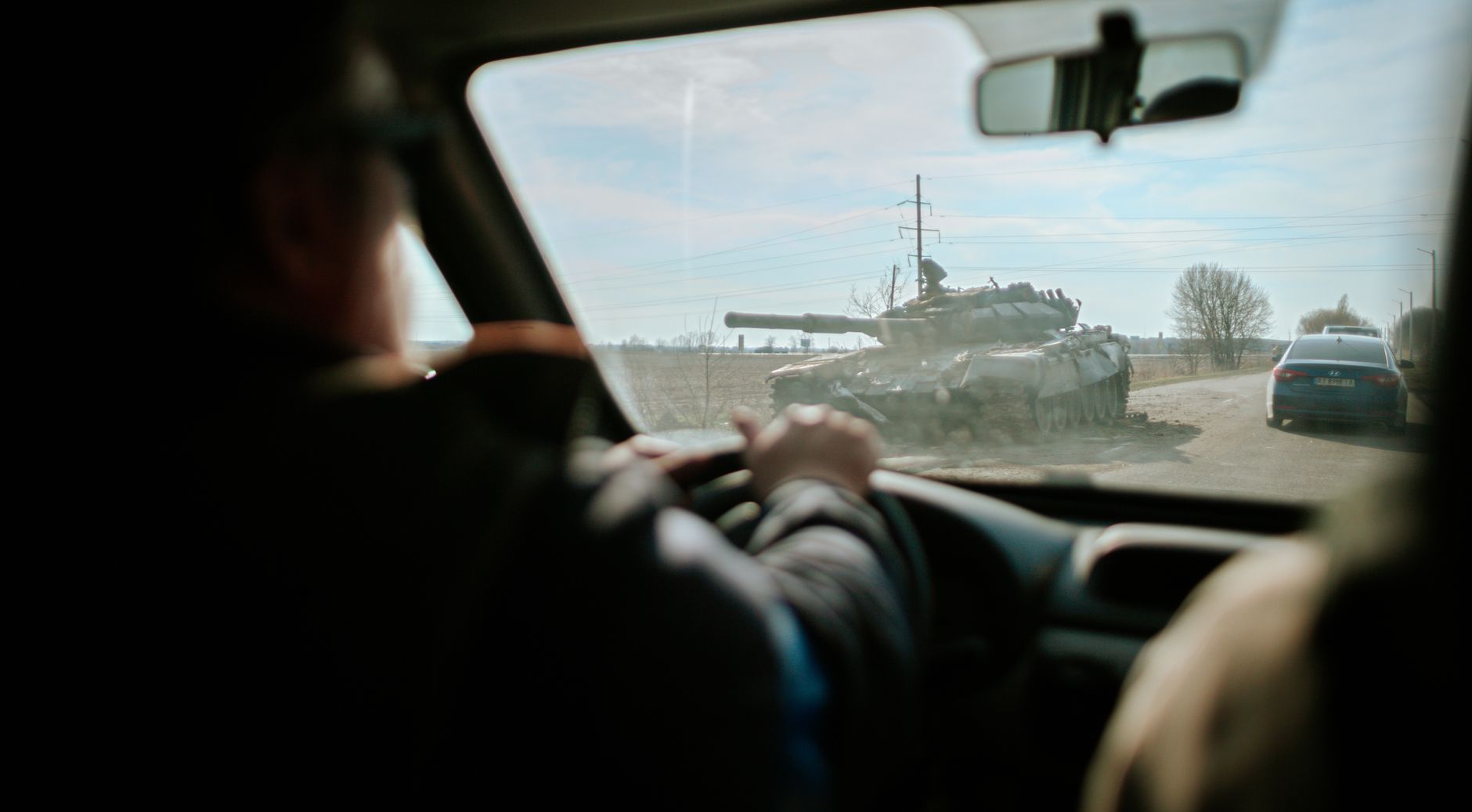
- Multiple civilians have been tragically killed in recent, intensified Russian missile and drone attacks targeting various regions across Ukraine, marking a significant escalation in the conflict's human cost.
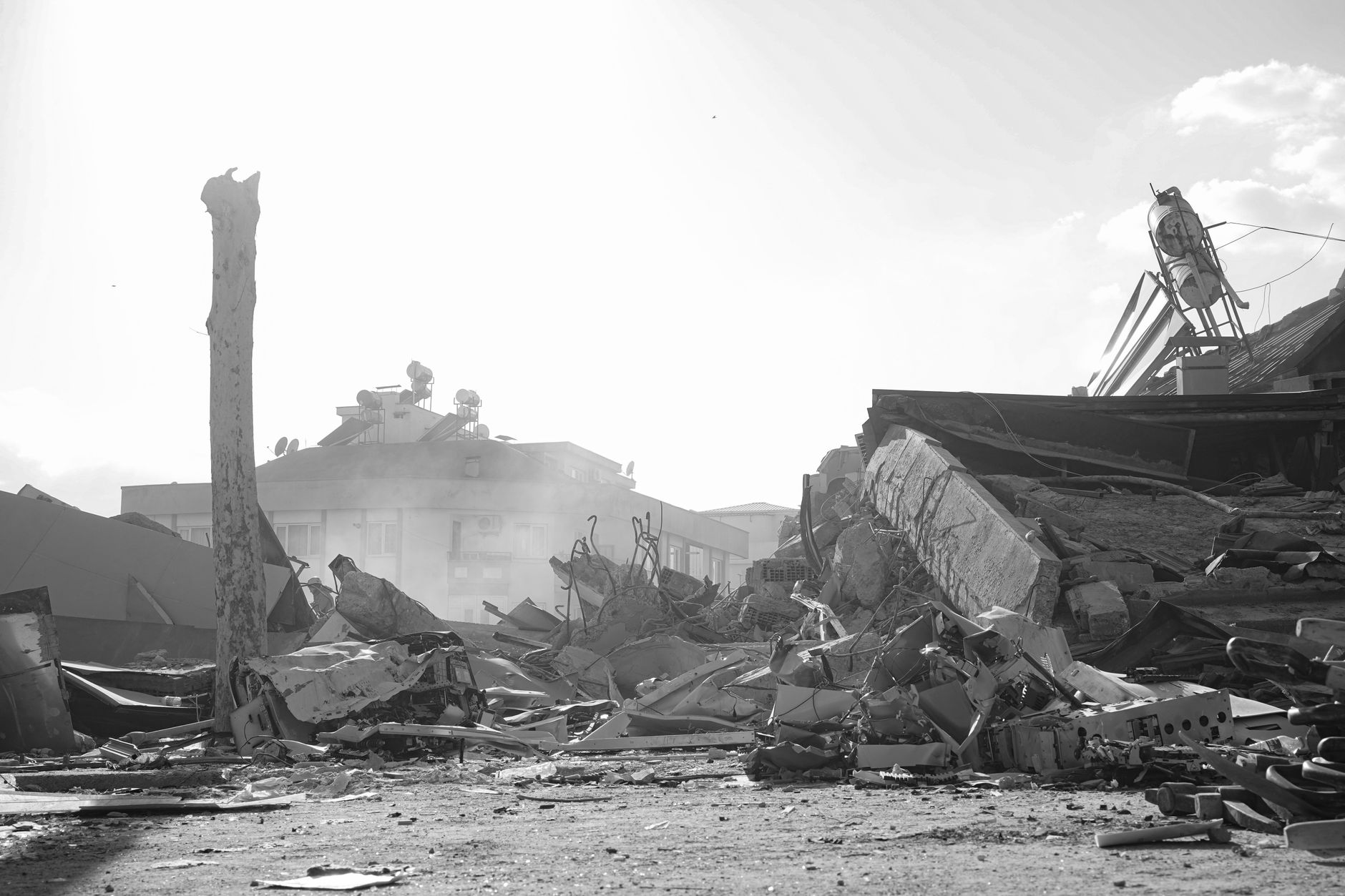
- The capital city of Kyiv and the western city of Lviv were among the primary targets, experiencing widespread destruction and prompting emergency responses from local authorities and rescue services.
- Ukrainian President Volodymyr Zelenskyy has issued a fervent appeal to international allies, emphasizing the urgent necessity for more robust air defense systems to protect Ukrainian skies and its populace.
- The latest wave of assaults demonstrates Russia's continued strategy of targeting civilian infrastructure and urban centers, aiming to sow terror and undermine Ukrainian morale and resilience.
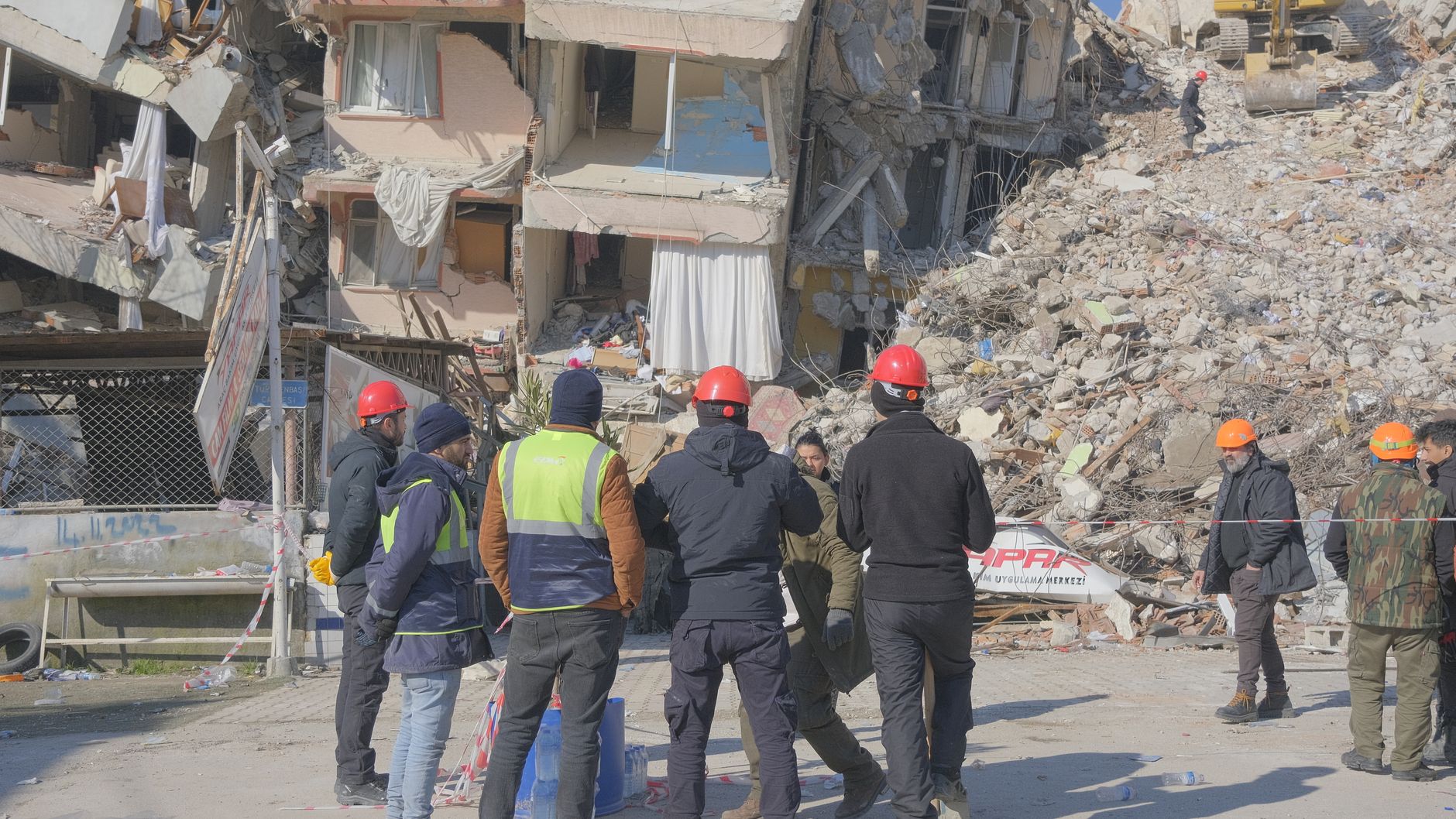
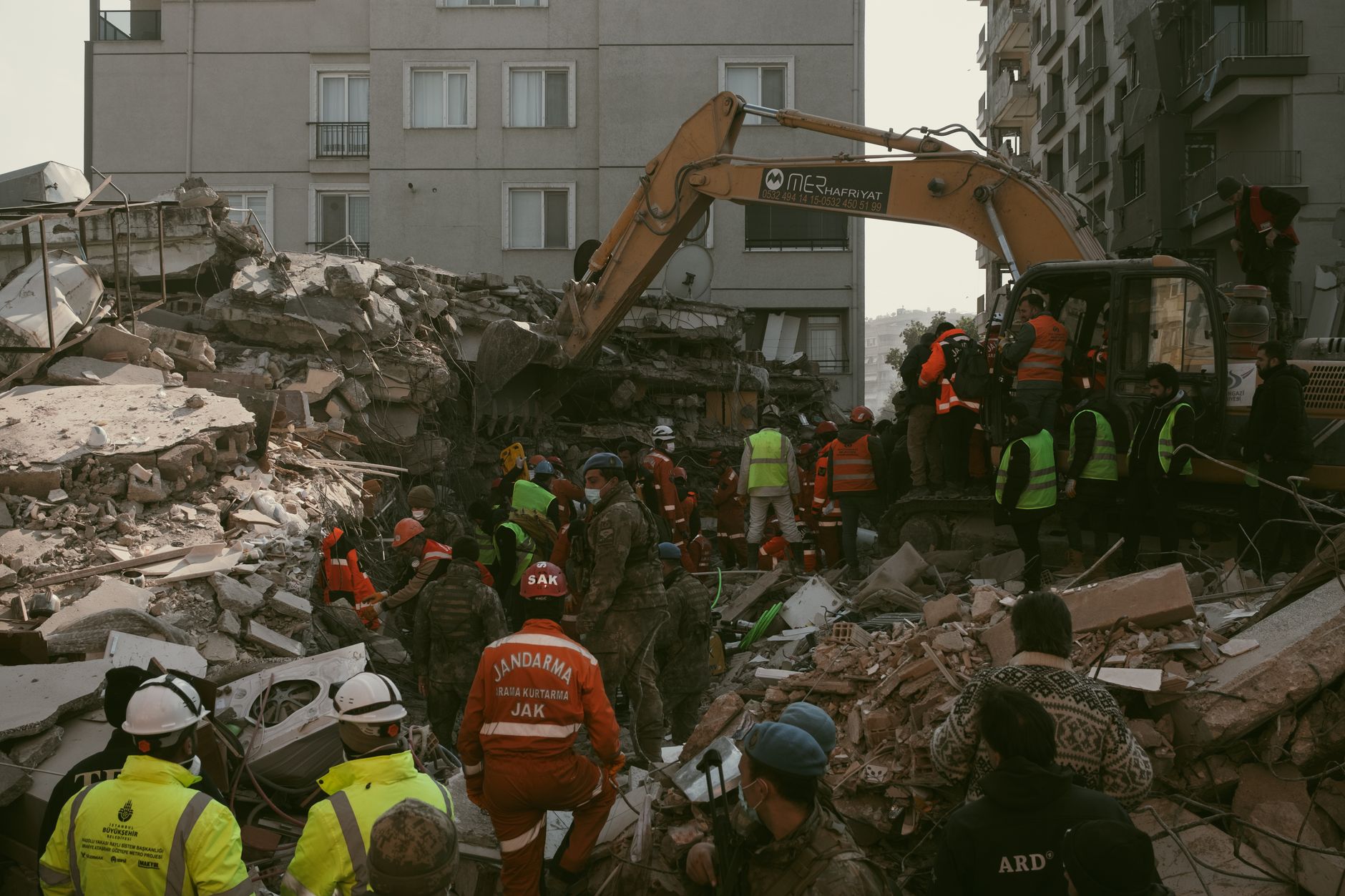
- Emergency services are actively engaged in search and rescue operations, sifting through rubble to locate survivors and recover victims, while also providing critical aid to those displaced or injured.
- International condemnation of these attacks has been swift and widespread, with numerous global leaders and organizations reiterating their support for Ukraine and calling for an end to the aggression.
What We Do Not Know Yet
- The precise, comprehensive number of casualties, both fatalities and injuries, across all affected regions is still being compiled and verified, as rescue operations continue in many locations.
- The full extent of damage to critical infrastructure, including power grids, residential buildings, and transportation networks, is not yet fully assessed, with ongoing evaluations by local authorities.
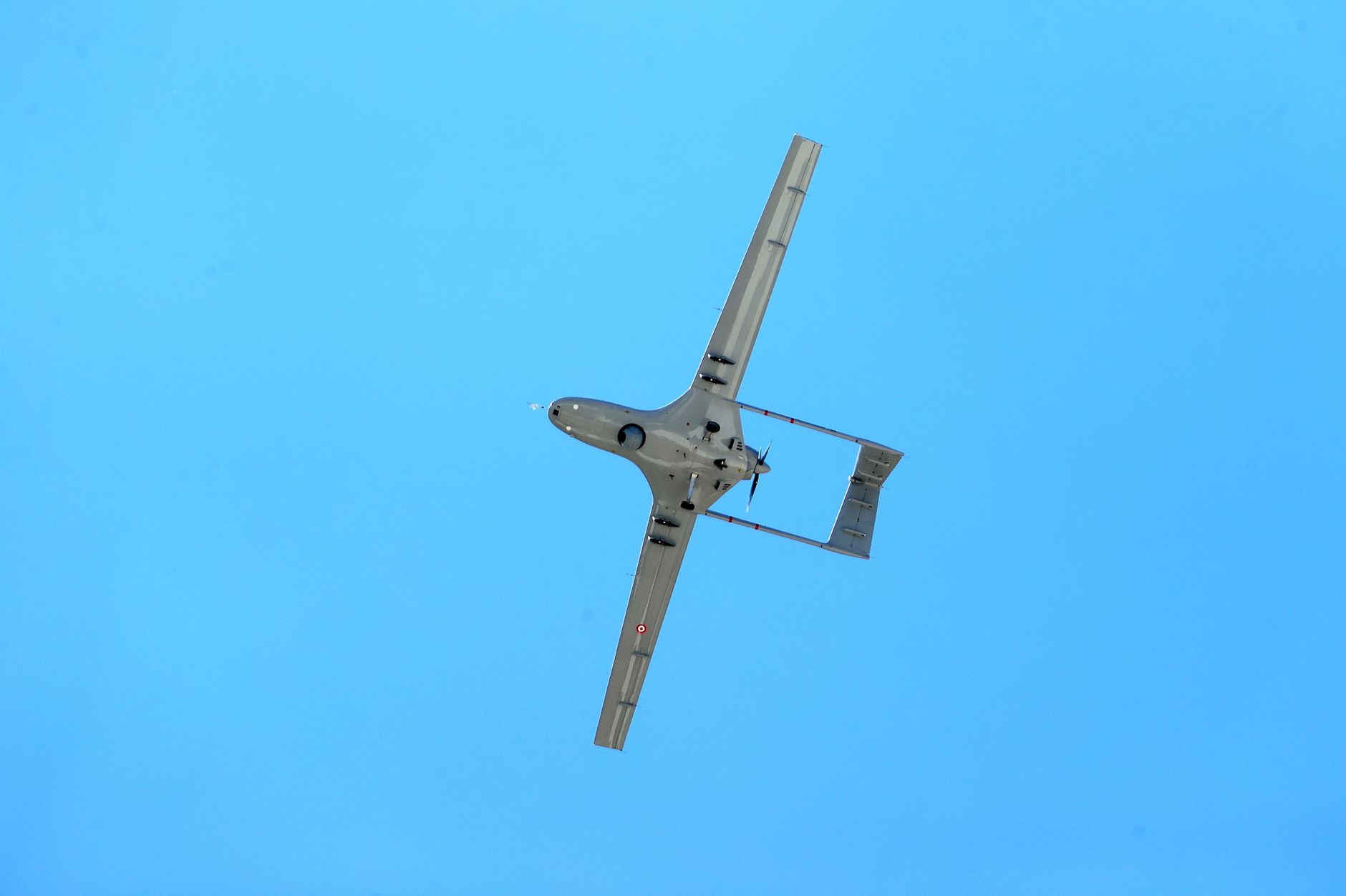
- The specific types and origins of all munitions used in these latest attacks remain under investigation by Ukrainian defense intelligence, though initial reports suggest a mix of cruise missiles and Iranian-made drones.
- How these renewed attacks will specifically influence the ongoing negotiations or diplomatic efforts, if any, between Ukraine and Russia, or between Russia and Western powers, is currently unclear.
- The immediate impact of these strikes on the morale of the Ukrainian population and military, beyond the initial shock and grief, is a developing situation that will be observed closely.
- Whether these attacks signal a new, sustained phase of intensified Russian aggression or are a retaliatory response to specific recent events is a critical question for military analysts and policymakers.
Background
The conflict in Ukraine, initiated by Russia's full-scale invasion in February 2022, has been characterized by periods of intense fighting, strategic maneuvers, and devastating attacks on civilian areas. From the outset, Russia's military objectives have included destabilizing the Ukrainian government, seizing key territories, and weakening the nation's capacity for self-defense. Despite initial rapid advances, Ukrainian resistance, bolstered by significant international support, has largely thwarted Russia's most ambitious goals, leading to a protracted and brutal war of attrition.
Throughout the past year and a half, Russia has frequently employed a strategy of targeting critical infrastructure, including energy facilities, water supplies, and residential areas, particularly during colder months. This tactic appears designed to break the will of the Ukrainian people, disrupt daily life, and create a humanitarian crisis that would pressure Kyiv into concessions. These attacks often involve a combination of cruise missiles, ballistic missiles, and unmanned aerial vehicles (UAVs), launched from various locations including the Black Sea, Russian territory, and occupied Ukrainian regions.
The international community has responded to Russia's aggression with a wide array of sanctions, military aid packages, and humanitarian assistance for Ukraine. However, the scale and speed of this support have been subjects of continuous debate, with Ukraine consistently advocating for more advanced weaponry, particularly air defense systems, to counter Russia's aerial superiority. President Zelenskyy's repeated calls for help underscore the ongoing vulnerability of Ukrainian cities and the critical need for sustained and enhanced international solidarity to protect lives and infrastructure.
Why It Matters
The latest surge in Russian attacks on Ukrainian cities is not merely a localized tragedy; it represents a significant escalation in a conflict with profound global implications. The deliberate targeting of civilian populations and essential infrastructure constitutes potential war crimes, challenging the very foundations of international humanitarian law and the principles of sovereign nationhood. Allowing such aggression to continue unchecked sends a dangerous message to authoritarian regimes worldwide, potentially emboldening them to pursue similar expansionist agendas.
For Ukraine, these attacks are an existential threat, directly impacting the lives of millions, destroying homes, and crippling the economy. The continuous need for robust air defense systems highlights a critical gap in Ukraine's ability to protect its citizens, despite the valiant efforts of its military. Without adequate protection, the human cost will continue to mount, and the country's long-term recovery and stability will be severely jeopardized, creating a ripple effect across Europe in terms of refugee flows and economic instability.
Globally, the conflict in Ukraine has already disrupted supply chains, exacerbated energy crises, and intensified geopolitical tensions. A prolonged and escalating conflict risks further destabilizing international relations, potentially drawing in more actors and creating a more unpredictable global security landscape. The international community's response to these latest attacks will be a litmus test of its commitment to upholding international law, protecting human rights, and preventing large-scale aggression in the 21st century.
Timeline of Events
- February 24, 2022: Russia launches a full-scale invasion of Ukraine, marking the beginning of a major escalation in the conflict that had simmered since 2014, with initial assaults targeting multiple fronts including Kyiv.
- March-April 2022: Ukrainian forces, with international support, successfully defend Kyiv, forcing Russian troops to withdraw from the capital region and shift their focus to the eastern and southern parts of the country.
- September 2022: Ukraine launches a series of successful counteroffensives in Kharkiv and Kherson regions, reclaiming significant territories and demonstrating its capacity to push back Russian forces.
- October 2022 - March 2023: Russia intensifies its campaign of missile and drone attacks on Ukrainian energy infrastructure, aiming to plunge the country into darkness and cold during the winter months.
- June 2023: Ukraine launches its anticipated counteroffensive in the south and east, facing heavily fortified Russian defensive lines, leading to slow but steady territorial gains in some areas.
- October 2023: The latest wave of widespread Russian missile and drone attacks targets multiple Ukrainian cities, including Kyiv and Lviv, resulting in civilian casualties and renewed calls for international aid.
- November 2023: President Zelenskyy issues an urgent plea to global leaders for advanced air defense systems and continued military assistance, emphasizing the critical need to protect Ukrainian lives and infrastructure.
- December 2023: International partners begin to discuss accelerated delivery schedules for promised military aid, including sophisticated air defense batteries, in response to the escalating Russian aggression.
- January 2024: Reports emerge of continued, albeit sporadic, Russian long-range strikes, indicating a sustained threat to Ukrainian urban centers and a persistent need for robust defensive capabilities.
- February 2024: Marking two years since the full-scale invasion, the conflict remains highly active, with both sides entrenched and international efforts focused on sustaining support for Ukraine's defense.
Rapid-Fire Q&A
What Is Coming
- Expect continued, and potentially intensified, Russian aerial assaults targeting Ukrainian cities and critical infrastructure, as Russia seeks to maintain pressure and disrupt Ukraine's war efforts and civilian life, especially as winter approaches.
- Increased diplomatic efforts and urgent discussions among international allies regarding the acceleration of military aid, particularly advanced air defense systems and interceptor missiles, are highly probable in the immediate future.
- Further calls from Ukrainian leadership for sustained and expanded international support, emphasizing the critical need for both defensive capabilities and humanitarian assistance to cope with the ongoing aggression.
- Ongoing assessment and documentation by international organizations and human rights groups of potential war crimes committed during these attacks, with a focus on accountability for those responsible.
- A heightened focus on bolstering Ukraine's energy infrastructure and civil defense capabilities to mitigate the impact of future strikes, including emergency repairs and the distribution of essential supplies to affected regions.
- Potential shifts in military strategy from both sides, as Ukraine adapts its defenses to counter evolving Russian tactics, and Russia seeks new ways to circumvent Ukrainian air defenses and inflict maximum damage.












Comments
No comments yet. Be the first to comment!