
At a Glance
- Hillsborough County has confirmed Florida's inaugural locally acquired dengue fever case of the year, marking a significant public health milestone and raising immediate concerns for residents.
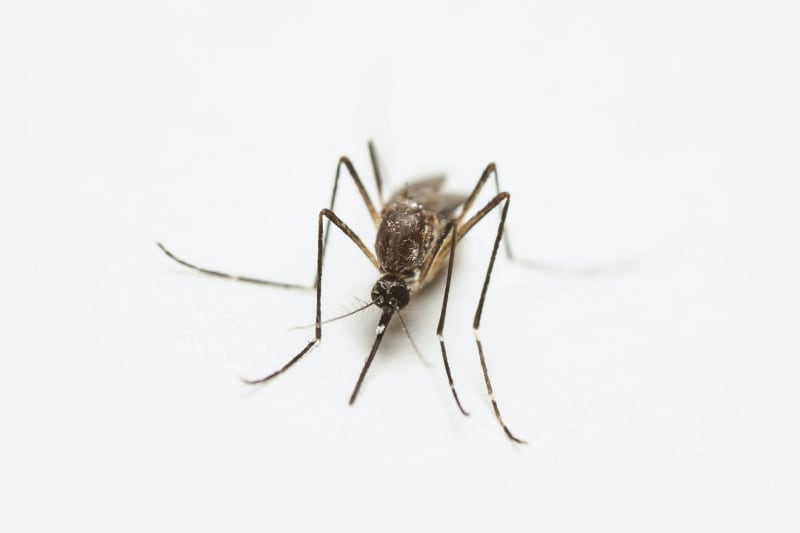
- Dengue fever is a serious mosquito-borne illness transmitted by Aedes aegypti and Aedes albopictus mosquitoes, which are prevalent in Florida's warm, humid climate.
- Symptoms often mimic the flu, including high fever, severe headache, joint and muscle pain, and rash, making early diagnosis critical for effective management and preventing severe complications.
- The Florida Department of Health is actively investigating the case, implementing enhanced surveillance, and intensifying mosquito control efforts in the affected Hillsborough County area.
- Residents are strongly urged to take proactive measures to eliminate mosquito breeding sites around their homes, such as emptying standing water, and to use insect repellent diligently.
- This local transmission underscores the ongoing challenge of vector-borne diseases in Florida and highlights the necessity for sustained public awareness campaigns and robust preventative strategies.
The Record
Florida's public health landscape has been significantly altered by the confirmation of the first locally acquired dengue fever case of 2024, identified in Hillsborough County. This development is not merely a statistic; it represents a tangible threat to community health, signaling that the dengue virus is actively circulating within the local mosquito population. Such an occurrence necessitates an immediate and robust response from health authorities and demands heightened vigilance from the public, especially as the warmer months typically bring increased mosquito activity and a higher risk of transmission.
The Florida Department of Health (FDOH) has swiftly initiated an epidemiological investigation to pinpoint the exact source of infection and to identify any potential links to other cases or travel-related exposures. This meticulous process involves detailed patient interviews, contact tracing, and extensive mosquito surveillance in the vicinity of the confirmed case. The goal is to understand the scope of the local transmission and to implement targeted interventions that can effectively contain the spread of the virus before it establishes a broader foothold within the community.
Historically, Florida has grappled with sporadic outbreaks of dengue, primarily linked to travelers returning from endemic regions. However, locally acquired cases, like the one now reported in Hillsborough, are particularly concerning as they indicate that the virus has successfully jumped from an infected human to local mosquitoes, which then transmit it to other residents. This cycle underscores the critical importance of both individual protective measures and comprehensive public health strategies, including community-wide mosquito control programs and public education initiatives, to break the chain of transmission.
Who Knew and When
The Florida Department of Health (FDOH) in Hillsborough County received initial notification of a suspected dengue fever case through routine disease surveillance protocols, which are designed to flag potential vector-borne illnesses. Upon receiving the preliminary laboratory results indicating dengue, health officials immediately initiated a comprehensive investigation. This rapid response mechanism is crucial for containing potential outbreaks, as every hour counts in identifying and mitigating the spread of mosquito-borne diseases. The prompt reporting by healthcare providers is a cornerstone of this early warning system, allowing public health teams to mobilize resources swiftly and effectively.
Following the initial notification, confirmatory testing was expedited at state laboratories, solidifying the diagnosis of locally acquired dengue. This confirmation triggered an immediate public health alert within the FDOH system, prompting the activation of established protocols for vector-borne disease response. The public was informed shortly thereafter, ensuring transparency and providing timely guidance on preventative measures. This structured communication strategy is vital for empowering residents with the information they need to protect themselves and their families from potential exposure.
The timeline from symptom onset to confirmed diagnosis and public notification was compressed, reflecting the urgency with which Florida health authorities treat potential dengue cases. This swift action is informed by past experiences with mosquito-borne illnesses, where delays in detection and communication can lead to more widespread transmission. The proactive engagement of local mosquito control districts was also immediate, with enhanced surveillance and treatment activities commencing in the affected areas of Hillsborough County to reduce the local mosquito population and interrupt the transmission cycle.
Voices from the Ground
Residents in Hillsborough County are expressing a mix of concern and determination following the news of the first local dengue case. "It's unsettling to hear that dengue is now circulating right here in our community," shared Maria Rodriguez, a long-time resident of Tampa. "We always hear about it in other countries, but when it's in your backyard, it makes you think differently. I'm already more vigilant about checking for standing water and using repellent, especially with the kids playing outside." This sentiment highlights the immediate impact of public health announcements on individual behavior and the critical role of community engagement in disease prevention.
Local business owners, particularly those in outdoor-centric industries, are also weighing in. John Peterson, who runs a landscaping business, noted, "This news definitely puts a spotlight on mosquito control. We've always advised clients on drainage and keeping their properties clear, but now there's an added urgency. It's not just about comfort anymore; it's about public health. We're seeing an uptick in requests for services that help reduce mosquito habitats, which is a positive sign that people are taking this seriously." His perspective underscores the ripple effect of public health concerns on local economies and services.
Community leaders and neighborhood associations are actively working to disseminate information and organize local efforts. "Our priority is to ensure every household understands the risks and knows exactly what steps to take," stated Councilwoman Sarah Chen at a recent community meeting. "We're collaborating with the health department to distribute educational materials and even planning neighborhood clean-up days to eliminate potential breeding grounds. It's a collective responsibility, and I'm encouraged by how quickly our community is mobilizing to protect one another." This proactive stance from local leadership is vital in fostering a unified response to public health challenges.
The Debate
The emergence of a locally acquired dengue case in Florida inevitably sparks a debate surrounding the efficacy and funding of current mosquito control programs. Critics often argue that existing strategies, while effective against common nuisance mosquitoes, may not be sufficiently robust or agile enough to tackle the more resilient and disease-carrying Aedes species. Questions arise about the frequency of spraying, the types of larvicides and adulticides used, and whether these methods are keeping pace with evolving mosquito resistance and changing environmental conditions that favor their proliferation. This ongoing discussion highlights the complex challenges in vector management and the need for continuous adaptation and innovation.
Another significant point of contention revolves around public awareness and individual responsibility. While health departments issue warnings and provide guidelines, there are arguments that the message isn't reaching everyone effectively, or that residents aren't consistently adhering to preventative measures like eliminating standing water. Some suggest that more aggressive, perhaps even mandatory, community-wide clean-up initiatives might be necessary, while others advocate for enhanced public education campaigns that utilize modern communication channels to reach diverse demographics more effectively. This debate underscores the tension between public health mandates and individual liberties, and the challenge of fostering collective action.
Furthermore, the role of climate change in exacerbating the spread of mosquito-borne diseases is a recurring theme in these discussions. As Florida experiences warmer temperatures and more erratic rainfall patterns, conditions become increasingly favorable for mosquito breeding and survival, extending their active seasons. This environmental shift places additional pressure on public health infrastructure and resource allocation, prompting calls for long-term, sustainable solutions that integrate climate resilience into public health planning. The debate often extends to whether enough is being invested in research for novel control methods, such as genetically modified mosquitoes or vaccine development, to provide more permanent solutions.

Your Questions Answered
What Accountability Looks Like
Accountability in the context of Florida's first locally acquired dengue case extends across multiple stakeholders, beginning with the Florida Department of Health (FDOH) and local mosquito control districts. Their primary responsibility lies in the swift and transparent communication of confirmed cases, the effective deployment of resources for epidemiological investigations, and the implementation of robust, evidence-based mosquito control strategies. This includes ensuring that surveillance systems are sensitive enough to detect early signs of local transmission and that response protocols are executed without delay. Public trust hinges on their ability to demonstrate proactive and decisive action.
Furthermore, accountability rests with local government bodies to adequately fund and support these public health initiatives. This means allocating sufficient budgets for mosquito control programs, investing in public health infrastructure, and facilitating inter-agency cooperation. When outbreaks occur, the effectiveness of these investments comes under scrutiny. A lack of resources or bureaucratic hurdles that impede rapid response can lead to wider public health crises, for which local leadership will inevitably be held responsible by their constituents. Long-term planning, not just reactive measures, is crucial for sustained accountability.
Finally, individual residents also share a significant portion of accountability. While government agencies provide guidance and services, the success of dengue prevention heavily relies on community participation. This includes consistently eliminating standing water on private properties, reporting potential mosquito breeding sites, and adhering to personal protective measures. When individuals fail to take these simple yet critical steps, they inadvertently contribute to the risk of local transmission, making collective responsibility an indispensable component of effective public health outcomes. Education and empowerment are key to fostering this shared accountability.


















Comments
No comments yet. Be the first to comment!