
Key Takeaways
- China has officially reported three new human cases of H9N2 avian influenza, bringing the total number of confirmed cases in the country to a concerning level and highlighting the persistent threat this virus poses to public health.
- The newly identified cases involve individuals from diverse regions, including Sichuan, Guangxi, and Hunan provinces, indicating a potentially broader geographical spread of the virus than previously understood and necessitating enhanced regional surveillance.
- All three patients exhibited mild symptoms, which is characteristic of most H9N2 infections, but this mildness should not lead to complacency as even mild strains can evolve or contribute to reassortment events with more virulent viruses.
- Crucially, none of the new cases reported direct contact with live poultry markets, suggesting potential alternative transmission routes or indirect exposure, which complicates containment efforts and demands deeper epidemiological investigation.
- The World Health Organization (WHO) continues to monitor the situation closely, emphasizing the importance of robust surveillance, early detection, and transparent data sharing to assess the risk and inform global response strategies effectively.
- These new reports underscore the ongoing zoonotic potential of avian influenza viruses, reminding public health authorities worldwide of the critical need for continuous monitoring of animal populations and human-animal interfaces to prevent future pandemics.
Background
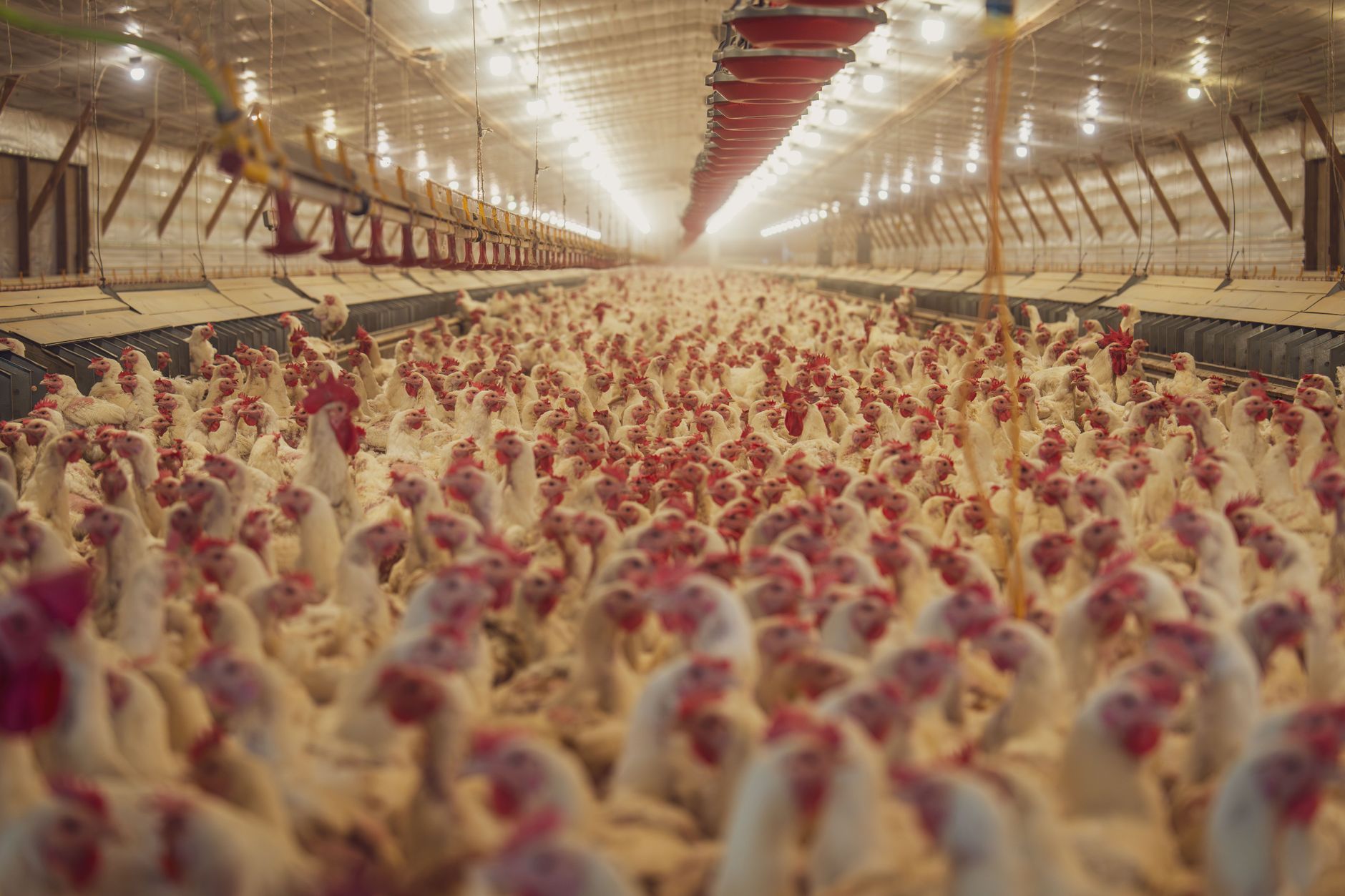
Avian influenza, commonly known as bird flu, is a highly contagious viral infection primarily affecting birds. However, certain strains, like H9N2, have demonstrated the capacity to jump the species barrier and infect humans, albeit typically with mild symptoms. The H9N2 virus is endemic in poultry populations across many parts of Asia, particularly China, where it circulates widely. This constant presence in poultry creates a persistent risk for human exposure, especially for individuals who have close contact with infected birds or contaminated environments. Understanding the ecological niche and transmission dynamics of H9N2 in poultry is paramount for developing effective control measures and reducing the spillover risk to humans, which remains a significant public health challenge.
Historically, H9N2 has been recognized for its low pathogenicity in humans, meaning it generally causes mild illness, often resembling common seasonal influenza. Symptoms typically include fever, cough, and respiratory discomfort, rarely progressing to severe complications or fatalities. However, the mild nature of H9N2 should not be underestimated. Its widespread circulation and ability to infect humans make it a virus of significant concern for its pandemic potential. Scientists closely monitor H9N2 because it can act as a 'donor' virus, exchanging genetic material with other, more virulent avian influenza strains. This genetic reassortment could potentially create novel viruses with enhanced transmissibility or pathogenicity in humans, posing a much greater threat than H9N2 alone.
The continuous reporting of human H9N2 cases, even mild ones, serves as a critical indicator of ongoing viral activity at the human-animal interface. Each new infection provides valuable data points for epidemiologists and virologists to track the virus's evolution, assess its zoonotic potential, and refine risk assessments. Public health agencies, including the World Health Organization (WHO) and national Centers for Disease Control (CDCs), meticulously track these cases to identify any shifts in viral characteristics, such as increased virulence or transmissibility. This global surveillance network is essential for early warning and coordinated response efforts, aiming to prevent localized outbreaks from escalating into broader public health crises and ensuring preparedness for potential pandemic threats.
Why It Matters
The emergence of new H9N2 cases, even with mild symptoms, is a stark reminder of the persistent and evolving threat posed by avian influenza viruses to global public health. While H9N2 itself is generally considered low pathogenic in humans, its widespread circulation and ability to infect people are critical for two primary reasons. Firstly, each human infection represents a potential opportunity for the virus to adapt further to human hosts, potentially gaining mutations that could enhance its transmissibility or virulence. Secondly, and perhaps more critically, H9N2 is known as a 'donor' virus, meaning it can readily exchange genetic segments with other, more dangerous avian influenza strains. This genetic reassortment could lead to the creation of novel, highly pathogenic viruses with pandemic potential, making every reported case a data point in a much larger, global risk assessment.
Beyond the direct health implications for infected individuals, these cases highlight significant gaps in biosecurity and public health surveillance. The fact that some patients reported no direct contact with live poultry markets suggests either indirect exposure pathways are more prevalent than assumed, or there are undetected sources of infection within communities. This ambiguity complicates containment strategies and makes it harder to implement targeted interventions. Effective surveillance isn't just about counting cases; it's about understanding the complete chain of transmission, identifying environmental reservoirs, and educating at-risk populations. Without this comprehensive understanding, public health authorities are operating with incomplete information, leaving communities vulnerable to future outbreaks.
The economic and social ramifications of even mild avian flu outbreaks can be substantial. Fear of transmission can lead to disruptions in poultry farming, trade restrictions, and public hesitancy regarding poultry consumption, impacting livelihoods and food security. Furthermore, each new case strains healthcare systems, requiring resources for diagnosis, isolation, and contact tracing, even if the illness is mild. In a world still reeling from the COVID-19 pandemic, the cumulative burden of managing multiple infectious disease threats is immense. These H9N2 cases serve as a crucial alarm, urging governments and international bodies to invest more robustly in proactive pandemic preparedness, including enhanced surveillance, rapid diagnostic capabilities, and public health infrastructure to prevent a future, potentially more severe, global health crisis.
Ground Reality
The ground reality in China regarding H9N2 avian influenza is one of continuous vigilance and ongoing public health challenges. Despite significant efforts to control avian influenza in poultry, the virus remains endemic in many regions, particularly in backyard farms and live bird markets, which are common across the country. These environments, characterized by high bird density and frequent human-animal interaction, create ideal conditions for viral transmission and evolution. While large-scale commercial farms often implement stringent biosecurity measures, smaller operations and informal markets present persistent vulnerabilities. This fragmented landscape makes comprehensive surveillance and control incredibly complex, requiring a multi-pronged approach that combines veterinary public health with human health initiatives to effectively monitor and mitigate risks at the source.
For the general population, the risk of H9N2 infection remains relatively low, primarily affecting those with direct or indirect exposure to infected poultry. However, the recent cases where patients reported no direct contact with live poultry markets introduce a concerning layer of complexity. This suggests that transmission pathways might be more diverse or subtle than previously understood. It could indicate exposure through contaminated environments, indirect contact via intermediaries, or even through consumption of improperly handled poultry products, though the latter is less common for respiratory viruses. This ambiguity necessitates more granular epidemiological investigations to pinpoint the exact sources and routes of infection, which is crucial for developing targeted public health messaging and preventative measures that truly reflect the current risk landscape.
Local health authorities in affected provinces are actively engaged in contact tracing and enhanced surveillance efforts, but these activities are resource-intensive and require sustained commitment. Public awareness campaigns are also vital, educating communities about safe poultry handling practices, the importance of reporting unusual bird deaths, and seeking medical attention for flu-like symptoms, especially if they have had potential exposure. The challenge lies in maintaining this heightened state of alert without causing undue panic, ensuring that essential public health messages are clear, consistent, and culturally appropriate. The successful management of H9N2, and indeed any zoonotic disease, hinges on a delicate balance between robust scientific investigation, effective public communication, and practical, enforceable biosecurity measures at both the individual and systemic levels.
What Experts Are Saying
Leading virologists and epidemiologists are emphasizing the need for continuous, robust surveillance of H9N2 avian influenza, particularly in regions where it is endemic, like China. Dr. Eleanor Riley, an infectious disease expert, noted, "While H9N2 typically causes mild human illness, its widespread circulation in poultry and its capacity for genetic reassortment with other avian flu strains make it a critical virus to monitor. Each human case, even if mild, provides a snapshot of the virus's evolutionary trajectory and its potential to adapt to mammalian hosts. We cannot afford to be complacent; these cases are early warning signals." This perspective highlights the long-term, strategic importance of tracking even seemingly benign viral activity to prevent future, more severe outbreaks.
Public health specialists are also raising concerns about the implications of cases where no direct contact with live poultry markets was reported. Dr. Maria Van Kerkhove, an epidemiologist with extensive experience in zoonotic diseases, commented, "The absence of a clear link to live bird markets in some of these new H9N2 cases is particularly intriguing and concerning. It suggests that either indirect exposure pathways are more significant than we currently appreciate, or that the virus might be circulating in environments or animal populations we are not adequately monitoring. This demands a deeper dive into the epidemiology of these cases to uncover potential hidden transmission routes and refine our risk assessments and prevention strategies." Her remarks underscore the complexity of tracking zoonotic diseases and the need for adaptable surveillance methods.
Furthermore, experts are advocating for a 'One Health' approach, integrating human, animal, and environmental health sectors to tackle avian influenza effectively. Professor John Mackenzie, a virologist and influenza expert, stated, "These H9N2 cases reinforce the absolute necessity of a One Health framework. We cannot address human health in isolation from animal health and environmental factors. Collaborative efforts between veterinary services, public health agencies, and environmental scientists are crucial for understanding the full ecology of avian influenza viruses, implementing effective biosecurity measures at the animal source, and preventing spillover events into the human population. This integrated approach is our best defense against future pandemics." This consensus among experts points towards a holistic and collaborative strategy as the most effective path forward.

Frequently Asked Questions
What Happens Next
In the immediate future, Chinese health authorities, in collaboration with the World Health Organization, will intensify epidemiological investigations into these new H9N2 cases. This will involve detailed contact tracing, environmental sampling, and genetic sequencing of the isolated viruses to determine their exact lineage and any potential mutations. A key focus will be to definitively identify the source of infection for the patients who reported no direct contact with live poultry markets. Understanding these alternative transmission pathways is crucial for refining public health advisories and implementing more targeted interventions. The goal is to close any potential gaps in surveillance and prevent further human infections by identifying and mitigating all possible exposure routes, ensuring a comprehensive understanding of the virus's current spread.
Beyond the immediate response, there will likely be a renewed emphasis on strengthening biosecurity measures across China's vast poultry industry, particularly in smaller, backyard farming operations and live bird markets, which are often hotspots for avian influenza transmission. This could include stricter regulations on poultry movement, enhanced disinfection protocols, and expanded vaccination programs for poultry. Furthermore, public health campaigns will be crucial to educate communities about the risks associated with poultry contact, safe food handling practices, and the importance of prompt reporting of flu-like symptoms, especially for those in high-risk occupations. These proactive steps are vital to reduce the overall viral load in animal populations and minimize the chances of future spillover events into humans.
On a global scale, these new H9N2 cases will undoubtedly prompt international health organizations and research institutions to re-evaluate their risk assessments and preparedness strategies for avian influenza. There will be continued calls for transparent data sharing from affected countries, enabling the global scientific community to monitor viral evolution and assess pandemic potential more accurately. Research efforts will likely accelerate to develop improved diagnostic tools, more effective antiviral treatments, and potentially new vaccine candidates that can address emerging strains. The ongoing vigilance and collaborative efforts are essential to ensure that the world remains prepared for the dynamic and unpredictable nature of zoonotic diseases, safeguarding public health against both current and future threats.


















Comments
No comments yet. Be the first to comment!