

Policy Snapshot
- The French government has activated its national emergency response protocols, mobilizing public health agencies to contain the spread of these mosquito-borne illnesses. This includes enhanced surveillance, rapid diagnostic testing, and immediate vector control measures in affected areas.
- Local authorities are implementing targeted public awareness campaigns, educating residents on personal protection strategies, identifying mosquito breeding sites, and reporting suspected cases to health officials to facilitate early intervention and prevent further transmission.
- Strict travel advisories are being considered for regions with confirmed local transmission, urging both residents and visitors to take extra precautions and be aware of symptoms, especially for those traveling to or from high-risk zones.
- Healthcare providers across France are receiving updated guidelines for the diagnosis and management of dengue, chikungunya, and West Nile virus infections, ensuring a consistent and effective clinical response to suspected and confirmed cases.
- Funding has been allocated for accelerated research into new vector control technologies and potential vaccine development, recognizing the long-term threat posed by these emerging diseases in temperate climates.
- Cross-border collaboration with neighboring European countries is being strengthened to share epidemiological data, best practices, and coordinate regional responses, acknowledging that mosquito populations and disease vectors do not respect national boundaries.
The Policy History
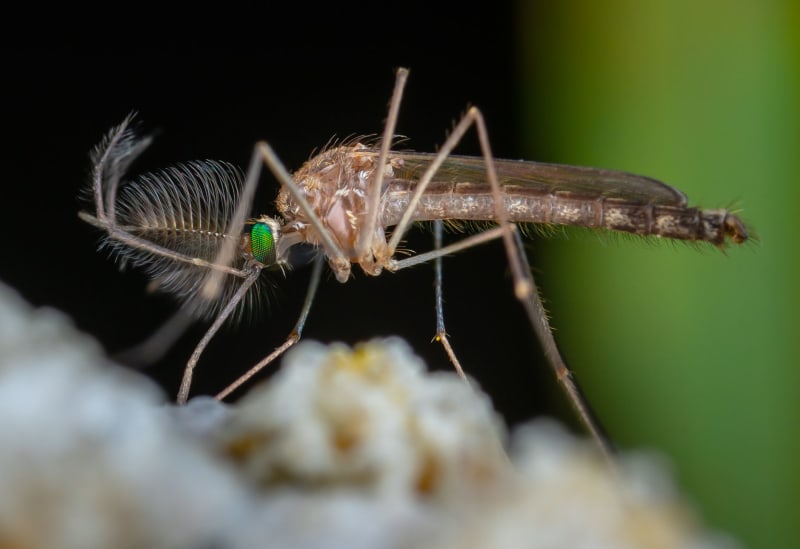
Historically, France, like much of Western Europe, considered diseases such as dengue and chikungunya to be primarily travel-related, imported from tropical and subtropical regions. Public health policies and surveillance systems were predominantly geared towards identifying and managing these imported cases, with less emphasis on the potential for local, autochthonous transmission. The focus was on preventing the establishment of the disease cycle, assuming that the temperate climate would naturally limit the survival and reproduction of vector mosquitoes like Aedes aegypti and Aedes albopictus, commonly known as the tiger mosquito.
However, the gradual northward expansion of the Aedes albopictus mosquito, a highly adaptable and aggressive vector, across southern France and into more northern regions over the past two decades has fundamentally shifted this paradigm. This expansion, largely attributed to climate change and increased global trade, has created the necessary conditions for local transmission. Initial policy responses were reactive, focusing on localized disinsection campaigns and public information when isolated cases of local transmission began to appear, primarily in the Mediterranean coastal areas. These early warning signs, though concerning, were often treated as isolated incidents rather than harbingers of a broader epidemiological shift.
The current policy framework represents a significant evolution, moving from a reactive, import-focused strategy to a proactive, comprehensive approach that acknowledges the established presence of these vectors and the increasing risk of local outbreaks. This includes not only enhanced surveillance and rapid response but also long-term strategies for integrated vector management, public education, and climate change adaptation. The challenge now lies in effectively implementing these policies across diverse regions, ensuring consistent public engagement, and adapting to the dynamic nature of mosquito populations and viral spread.
Who Is Affected
The primary populations affected by the local transmission of dengue, chikungunya, and West Nile virus in France are residents living in areas where the vector mosquitoes, particularly Aedes albopictus, have established breeding populations. This currently includes significant portions of southern France, extending up the Rhône valley, and increasingly into urban and suburban areas further north. Individuals with outdoor occupations or those who spend considerable time outdoors are at elevated risk due to increased exposure to mosquito bites. Furthermore, children and the elderly, as well as individuals with compromised immune systems, are particularly vulnerable to more severe disease outcomes, making them a critical focus for public health interventions.
Beyond direct infection, the broader community faces indirect impacts. Local businesses, especially those reliant on tourism, could experience significant economic disruption if outbreaks become widespread or if travel advisories deter visitors. The healthcare system itself is under increased strain, needing to allocate additional resources for diagnosis, treatment, and public health campaigns. This includes training medical staff, ensuring adequate supplies of diagnostic kits, and managing potential surges in patient numbers, which can divert resources from other essential health services. The psychological impact on residents living in affected zones, dealing with constant vigilance against mosquito bites and the fear of illness, should also not be underestimated.
Moreover, the agricultural sector, particularly in regions where West Nile virus is prevalent, faces risks to livestock and equine populations. While human cases are the immediate concern, the virus can cause neurological disease in horses, leading to economic losses for farmers. Public health officials are also monitoring avian populations, as birds serve as natural reservoirs for West Nile virus, and increased bird mortality can signal heightened risk to humans. This interconnectedness means that the impact of these vector-borne diseases extends far beyond individual human cases, affecting ecological balance and various economic sectors.
The Case For
The compelling argument for robust and immediate public health intervention against these emerging mosquito-borne diseases is rooted in preventing widespread epidemics and protecting public health. Allowing these viruses to establish endemic cycles within France would lead to a significant increase in morbidity, placing immense pressure on an already stretched healthcare system. Proactive measures, including aggressive vector control, early detection, and public education, are far more cost-effective and humane than managing the fallout from uncontrolled outbreaks. Investing now in prevention safeguards the health of the population and preserves the functionality of essential services.
Furthermore, maintaining France's reputation as a safe and desirable destination for tourism and international business is a critical economic consideration. Widespread outbreaks of dengue, chikungunya, or West Nile virus could severely impact the tourism industry, leading to significant financial losses and a decline in international confidence. By demonstrating a strong, effective response to these threats, France can mitigate potential economic damage and reassure both its citizens and international visitors that public health is a top priority. This proactive stance is essential for long-term economic stability and global standing.
From an environmental and ecological perspective, aggressive vector control, when implemented thoughtfully, can also contribute to broader public health goals. Integrated pest management strategies that focus on source reduction and targeted interventions can reduce reliance on broad-spectrum pesticides, minimizing environmental harm while effectively controlling mosquito populations. Moreover, understanding and mitigating the factors that contribute to vector expansion, such as climate change and urbanization, can inform sustainable urban planning and environmental policies that have far-reaching benefits beyond disease control. This holistic approach ensures that interventions are not only effective but also environmentally responsible.
The Case Against
While the urgency to address mosquito-borne diseases is clear, arguments against certain aggressive intervention strategies often center on their potential environmental impact and cost-effectiveness. Widespread chemical spraying, for instance, can harm non-target species, including beneficial insects like bees, and may pose risks to human health, particularly for vulnerable populations. The long-term ecological consequences of disrupting local ecosystems through indiscriminate pesticide use are a significant concern, prompting calls for more targeted, environmentally friendly vector control methods that prioritize public safety and ecological balance over immediate, broad-stroke solutions.
Another point of contention arises from the substantial financial investment required for comprehensive, nationwide vector control programs and enhanced surveillance. Critics argue that these resources could potentially be diverted from other pressing public health issues or economic priorities. There is a debate about the optimal allocation of funds, questioning whether the current level of threat justifies such extensive expenditure, especially in regions where the incidence of local transmission remains relatively low. Balancing the perceived risk with the economic burden of interventions is a complex challenge for policymakers, often leading to difficult choices about resource distribution.
Furthermore, public acceptance and compliance with certain preventative measures can be a significant hurdle. Mandating home inspections for breeding sites, restricting outdoor activities, or implementing large-scale public health campaigns can infringe on personal liberties or cause public fatigue and skepticism. Some argue that an overemphasis on fear-based messaging can lead to public distrust and resistance, ultimately undermining the effectiveness of interventions. Finding a balance between informing the public about genuine risks and avoiding alarmism, while respecting individual autonomy, is a delicate and ongoing challenge for public health authorities.

Policy Questions Answered
Implementation Watch
The effectiveness of France's new public health policies against mosquito-borne diseases hinges critically on robust and consistent implementation across all affected regions. Initial reports suggest varying levels of compliance and resource allocation at the local level. While major urban centers and historically affected southern regions are demonstrating proactive engagement, some rural areas and newer expansion zones for the tiger mosquito are struggling with the swift mobilization of resources and public awareness campaigns. Monitoring these disparities will be crucial to identify bottlenecks and ensure equitable protection for all citizens.
A key challenge in implementation is the coordination between national health agencies, regional health authorities, and local municipalities. Effective vector control and surveillance require seamless information sharing, rapid deployment of specialized teams, and consistent public messaging. Early indicators suggest that while the framework for this coordination exists, its practical execution can be hampered by bureaucratic hurdles and differing local priorities. Regular audits and performance reviews will be essential to streamline these processes and ensure a unified front against the expanding threat of these viruses.
Furthermore, the long-term sustainability of these interventions is under close scrutiny. Public engagement, while initially strong, can wane over time, especially if outbreaks are perceived as sporadic or localized. Sustaining public vigilance, ensuring continued funding for research and development of new tools, and adapting strategies to evolving mosquito behaviors and climate patterns will be paramount. The success of these policies will ultimately be measured not just by immediate containment, but by their ability to build a resilient public health infrastructure capable of managing these emerging threats for decades to come.


















Comments
No comments yet. Be the first to comment!