

The Numbers
- Over 30 active conflicts are currently tracked globally, with a significant increase in intensity and humanitarian impact observed in the past year, demanding urgent international attention and diplomatic intervention.
- Economic sanctions have been imposed by major powers against more than 20 countries, affecting approximately 28% of global GDP and creating complex challenges for international trade and financial stability.
- Displacement figures have reached unprecedented levels, with over 110 million people forcibly displaced worldwide due to conflict, persecution, and human rights violations, highlighting a severe humanitarian crisis.
- Defense spending surged by 9% globally in the last year, reaching an all-time high of over $2.2 trillion, reflecting heightened geopolitical anxieties and a widespread rearmament trend among nations.
- Cyberattacks targeting critical infrastructure and government entities have increased by 15% in the last six months alone, underscoring the growing threat of digital warfare and its potential to destabilize societies.
- Food insecurity affects over 250 million people across 58 countries, a figure exacerbated by ongoing conflicts and climate change, necessitating coordinated global efforts to prevent widespread famine and suffering.
Context Check
The current global landscape is characterized by an intricate web of interconnected crises, far surpassing the localized conflicts of previous decades. We are witnessing a fundamental shift in international relations, moving away from a unipolar or even bipolar world order towards a more multipolar and fragmented system. This fragmentation is fueled by rising nationalism, economic protectionism, and a resurgence of great power competition, creating fertile ground for disputes to escalate rapidly and unpredictably. Understanding these underlying currents is essential to grasping the true scope of today's geopolitical challenges.
Several key factors contribute to this volatile environment. The erosion of established international norms and institutions, coupled with a growing skepticism towards multilateralism, has weakened mechanisms for conflict resolution and cooperation. Furthermore, the rapid advancement of technology, including AI and cyber capabilities, introduces new dimensions to warfare and statecraft, making traditional deterrence strategies less effective. These technological shifts, combined with persistent socio-economic inequalities and the existential threat of climate change, create a perfect storm of instability that demands a nuanced and comprehensive analytical approach.
The implications of this heightened instability are profound, extending far beyond immediate battlegrounds. Supply chains are increasingly vulnerable to disruption, energy markets face constant volatility, and the specter of nuclear proliferation looms larger than it has in decades. Moreover, the human cost is immeasurable, with millions displaced, livelihoods destroyed, and fundamental human rights under assault. Ignoring these interconnected crises is no longer an option; a proactive and collaborative global response is imperative to mitigate further deterioration and prevent catastrophic outcomes.
Background
The roots of many contemporary global tensions can be traced back to historical grievances, unresolved territorial disputes, and ideological clashes that have simmered for decades, sometimes centuries. Post-Cold War optimism, which envisioned a more peaceful and integrated world, has largely given way to a renewed era of strategic competition. The rise of new economic powers challenging the established order, coupled with the resurgence of revisionist states, has fundamentally altered the geopolitical chessboard. This complex interplay of historical legacies and modern ambitions forms the bedrock of current global instability.
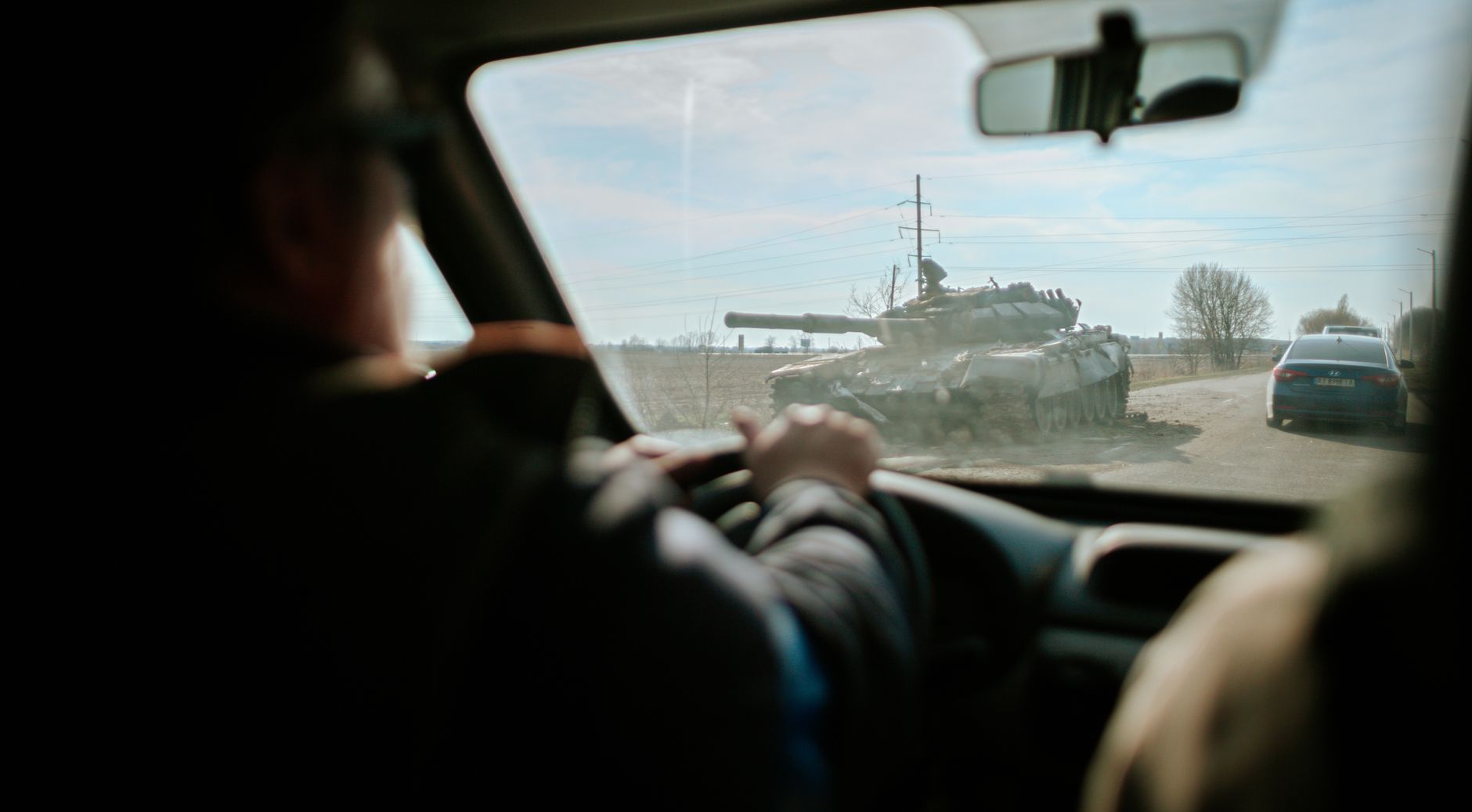
Specific regional flashpoints, such as the ongoing conflict in Eastern Europe, persistent instability in the Middle East, and escalating tensions in the Indo-Pacific, are not isolated incidents but rather manifestations of these broader systemic shifts. Each conflict, while unique in its immediate triggers, is often exacerbated by external interference, proxy rivalries, and the strategic interests of major global actors. Understanding these intricate regional dynamics requires a deep dive into the specific historical contexts and the evolving power balances that define each theatre of conflict.
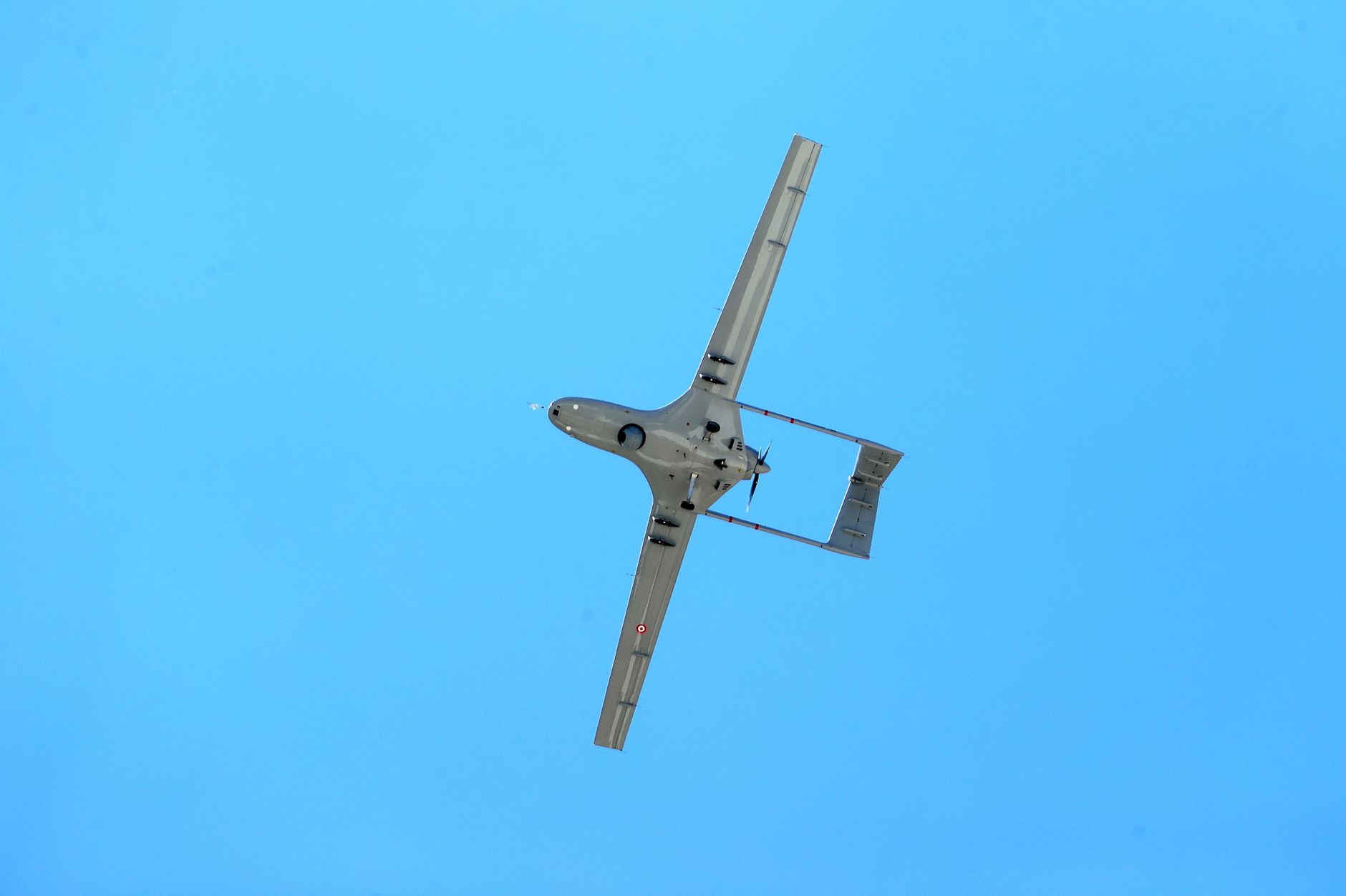
Furthermore, the role of non-state actors, including transnational terrorist organizations and well-funded cyber militias, has added another layer of complexity to the security landscape. These groups often exploit existing vulnerabilities, fuel local conflicts, and challenge state sovereignty, making traditional state-centric security paradigms less effective. The proliferation of advanced weaponry, both conventional and unconventional, into the hands of various actors further complicates efforts to de-escalate tensions and maintain regional stability, posing a significant and ongoing threat to global peace.
Winners and Losers
In the current climate of escalating global tensions, the lines between winners and losers are often blurred and subject to constant shifts. Certain defense industries and arms manufacturers are undoubtedly experiencing a boom, driven by increased military spending and the rearmament efforts of numerous nations. Countries with abundant natural resources, particularly energy, may also see short-term gains due to supply chain disruptions and volatile commodity prices. However, these gains are often offset by the broader economic instability and the long-term costs of conflict, making any 'victory' inherently precarious.
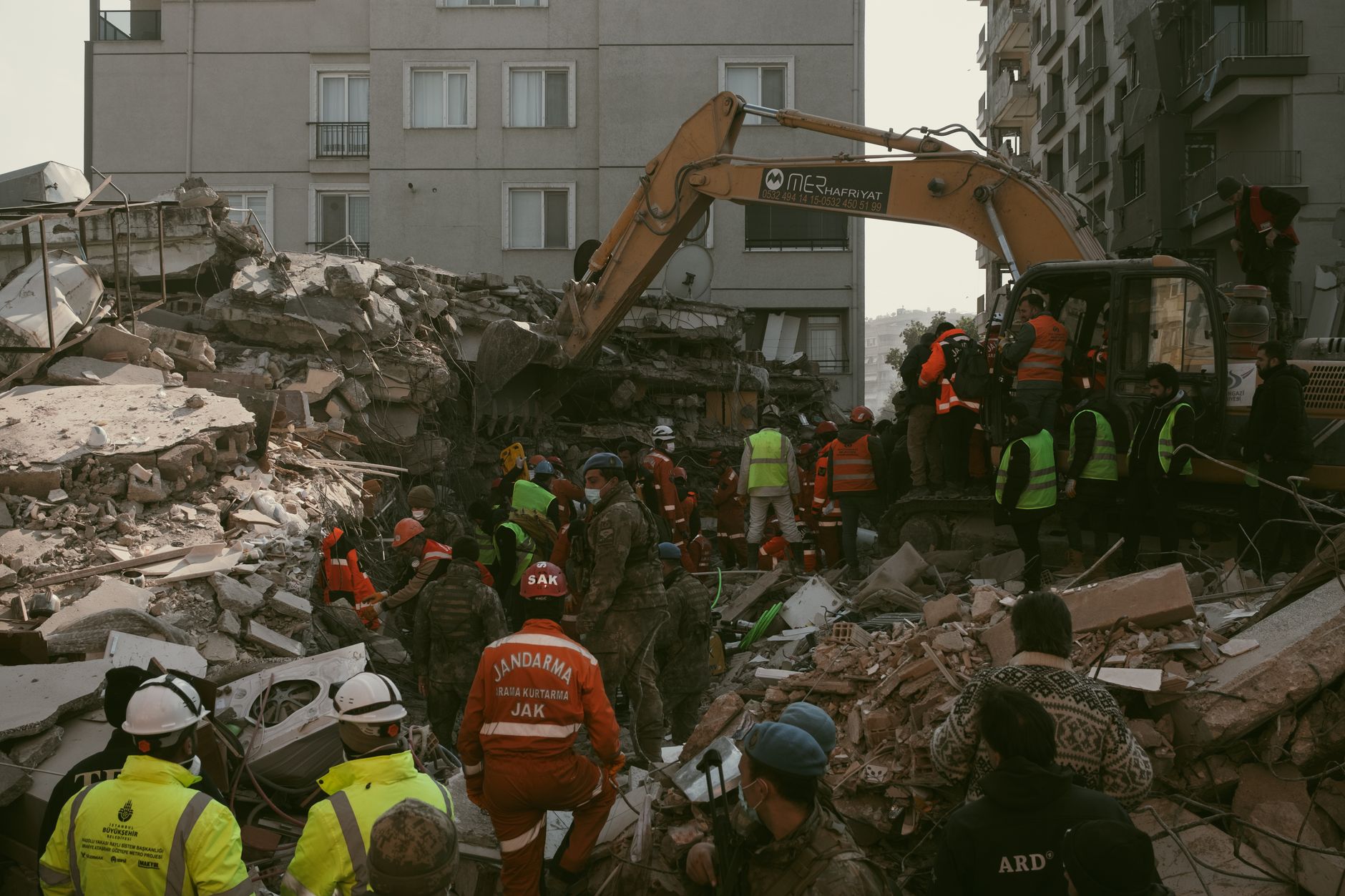
Conversely, the most significant losers are invariably the civilian populations caught in the crossfire. Millions face displacement, starvation, and the loss of loved ones, with their fundamental human rights routinely violated. Developing nations, heavily reliant on stable global trade and humanitarian aid, suffer disproportionately from economic shocks, food shortages, and disrupted supply chains. The long-term societal and psychological scars left by conflict will persist for generations, representing an immeasurable and tragic loss for humanity as a whole, far outweighing any perceived strategic gains.
Moreover, global institutions and the principles of international law often emerge as significant casualties. The erosion of trust, the disregard for established treaties, and the weakening of multilateral cooperation undermine the very framework designed to prevent and resolve conflicts peacefully. While some nations might achieve tactical advantages or expand their spheres of influence in the short term, the overall fragmentation of the international system creates a more dangerous and unpredictable world for everyone. This systemic degradation represents a profound loss for collective security and future global stability.
Analyst Perspectives
Leading geopolitical analysts are largely in agreement that the world is navigating an era of unprecedented complexity and peril. Dr. Anya Sharma, a senior fellow at the Institute for Global Dynamics, recently stated, "We are witnessing a systemic breakdown of the post-Cold War order, driven by a confluence of resurgent nationalism, technological disruption, and a dangerous erosion of diplomatic norms. The traditional tools of statecraft are proving insufficient against hybrid threats and the weaponization of information." Her analysis underscores the urgent need for innovative diplomatic strategies and a renewed commitment to international cooperation to avert further escalation.
Economists like Professor Kenji Tanaka from the World Economic Forum highlight the severe economic repercussions. "The fragmentation of global supply chains, coupled with escalating trade disputes and sanctions, is creating significant headwinds for global economic growth," Tanaka explained in a recent report. "Businesses face increased uncertainty, investment is deterred, and the risk of a global recession is undeniably heightened. This geopolitical instability translates directly into economic instability, impacting everything from energy prices to consumer goods." This perspective emphasizes the critical link between peace and prosperity.
Security strategists, such as General Elena Petrova (Ret.) from the Center for Strategic Studies, warn about the increasing risk of miscalculation. "The proliferation of advanced conventional and unconventional weapons, combined with a lack of clear communication channels between rival powers, significantly raises the probability of accidental escalation," Petrova cautioned. "Each minor incident now carries the potential to spiral into a larger conflict, demanding extreme caution and robust crisis management protocols from all parties involved." This expert consensus paints a sobering picture of the immediate future, urging vigilance and proactive de-escalation efforts.
Key Questions Explained
The Outlook
The immediate outlook for global stability remains precarious, with no clear signs of a rapid de-escalation in major flashpoints. Analysts widely anticipate a prolonged period of heightened geopolitical competition and localized conflicts, demanding constant vigilance from policymakers and international observers. The interplay of economic pressures, technological advancements, and shifting power dynamics will continue to shape the global agenda, making swift and decisive action crucial to prevent further deterioration. Navigating this complex landscape will require exceptional diplomatic skill and a renewed commitment to dialogue.
However, amidst the challenges, there are glimmers of potential for constructive engagement. The necessity of addressing shared global threats, such as climate change, future pandemics, and the regulation of artificial intelligence, could compel rival nations to find common ground. Incremental diplomatic breakthroughs, even on seemingly minor issues, could build confidence and lay the groundwork for broader cooperation. The long-term trajectory hinges on whether states prioritize collective security and shared prosperity over narrow national interests, fostering a fragile but vital hope for future stability.
Ultimately, the path forward will require a fundamental re-evaluation of international relations and a concerted effort to reinforce the principles of international law and multilateralism. Investing in robust diplomatic channels, promoting conflict prevention, and addressing the root causes of instability – including poverty, inequality, and human rights abuses – are paramount. The future is not predetermined; it will be shaped by the choices made today by leaders and citizens alike. A proactive, collaborative, and empathetic approach is the only viable strategy to steer the world away from the brink and towards a more secure and equitable future.






Comments
No comments yet. Be the first to comment!