


Key Takeaways
- The Ebola outbreak in the Democratic Republic of Congo has reached a critical juncture, with the death toll now exceeding 1,300, underscoring the severe and escalating nature of this public health emergency.
- The virus is spreading with alarming speed, described by health officials as 'like a wildfire,' indicating a significant challenge in containment efforts and a potential for wider regional impact if unchecked.
- Security instability and ongoing conflict in affected regions are severely hampering humanitarian efforts, making it exceedingly difficult for medical teams to reach and treat infected populations effectively.
- Community mistrust and resistance to vaccination and safe burial practices pose substantial barriers, complicating public health campaigns and contributing to the sustained transmission of the disease.
- International aid and coordinated global responses are more crucial than ever to bolster local healthcare infrastructure, provide essential resources, and ensure the safety of frontline health workers.
- The current trajectory suggests that without intensified, multi-faceted intervention, the outbreak could persist for an extended period, leading to further loss of life and destabilizing already fragile communities.
Background
The current Ebola outbreak in the Democratic Republic of Congo (DRC) began in August 2018 in the North Kivu province, marking the country's tenth and most complex Ebola epidemic to date. This region, characterized by persistent armed conflict and significant population displacement, presents unique challenges for disease containment. Previous outbreaks, while serious, were often in more isolated areas, allowing for more straightforward public health interventions. This time, the virus has established itself in densely populated urban centers and conflict zones, making traditional containment strategies exceptionally difficult to implement effectively.
The geographical spread of the virus has been particularly concerning, extending into Ituri province and threatening to cross international borders. The proximity of affected areas to Uganda, Rwanda, and South Sudan raises serious alarms about potential regional contagion, which could quickly overwhelm the health systems of neighboring countries. The movement of people, both due to conflict and daily commerce, acts as a potent vector for the virus, undermining efforts to establish effective cordon sanitaire measures and track contacts of infected individuals.
Compounding the public health crisis is the deeply entrenched political instability and a pervasive lack of trust in governmental and international aid organizations. Decades of conflict and exploitation have left communities wary, often viewing external interventions with suspicion. This mistrust translates into resistance against vaccination campaigns, safe burial practices, and contact tracing efforts, directly fueling the virus's spread. Understanding and addressing these socio-political dynamics are paramount for any successful long-term containment strategy, requiring a nuanced approach that prioritizes community engagement and builds genuine rapport.
Why It Matters
The escalating Ebola crisis in the DRC is not merely a localized health emergency; it represents a profound humanitarian catastrophe with far-reaching implications for regional stability and global health security. The death toll, now tragically exceeding 1,300, underscores the devastating human cost and the immense pressure on an already fragile healthcare system. Each death leaves behind grieving families and destabilized communities, exacerbating the cycle of poverty and despair in a region already ravaged by conflict. The sheer scale of the outbreak demands immediate and sustained international attention to prevent further loss of life and mitigate its broader consequences.
Beyond the immediate mortality, the unchecked spread of Ebola poses a severe threat of regional contagion. The DRC shares porous borders with nine other African nations, and the movement of people across these borders, driven by trade, displacement, and social ties, creates a high risk for the virus to cross into neighboring countries. Such a scenario would not only overwhelm the healthcare capacities of these nations but could also trigger widespread panic and economic disruption across East and Central Africa. Preventing this regional spillover is a critical imperative for global health organizations and national governments alike.
Furthermore, the ongoing conflict and widespread insecurity in eastern DRC directly impede the ability of health workers to conduct essential containment activities, including vaccination, treatment, and safe burials. Attacks on health facilities and personnel are alarmingly frequent, creating an environment of fear that discourages both aid workers and affected communities from participating in crucial public health interventions. This volatile backdrop transforms what is already a formidable public health challenge into an almost insurmountable one, highlighting the complex interplay between health, security, and governance that must be addressed concurrently to bring the epidemic under control.
Ground Reality
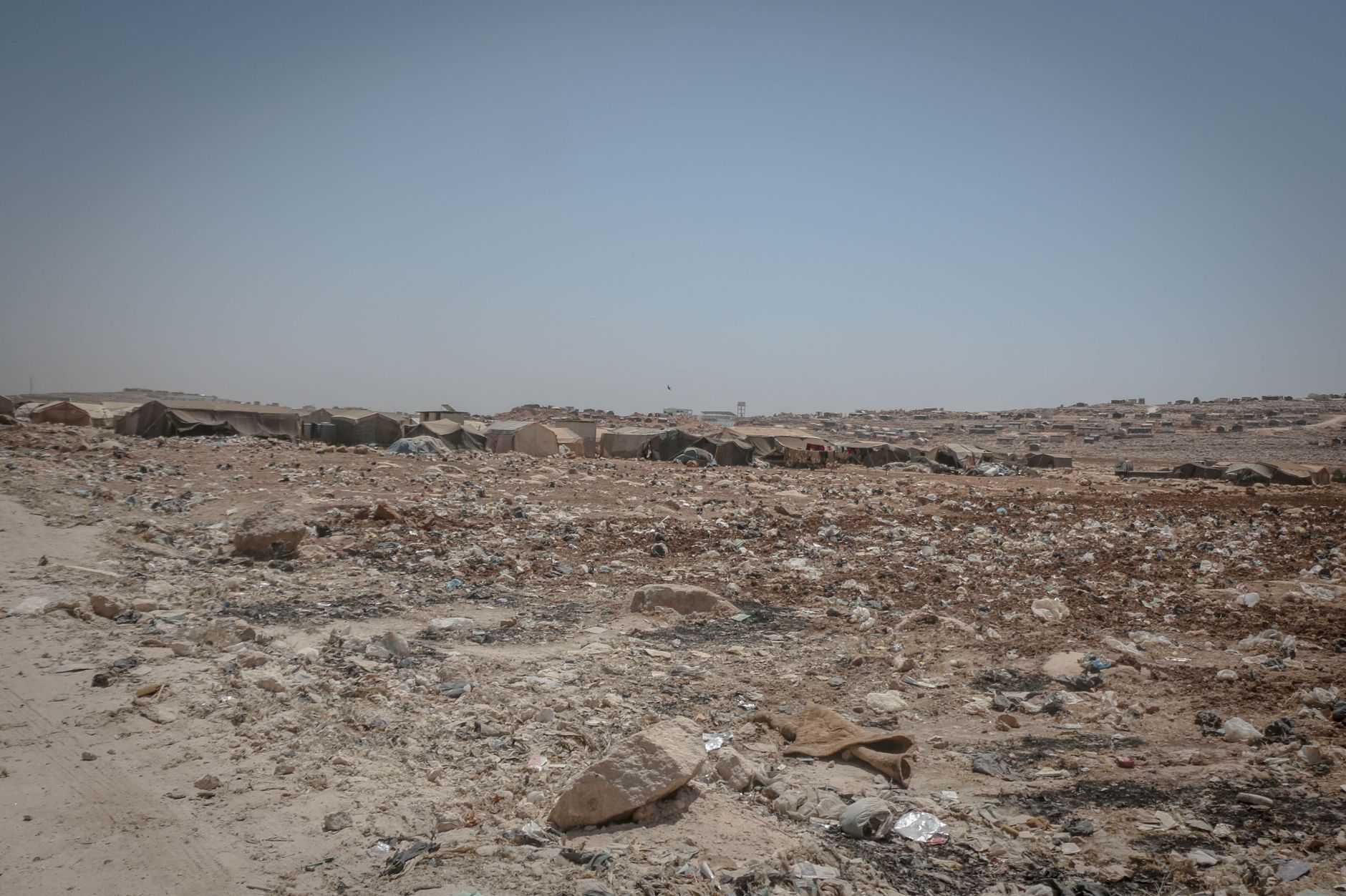
On the ground in eastern DRC, the reality of the Ebola outbreak is one of immense struggle and profound complexity. Health workers, often operating in highly dangerous conditions, face daily threats from armed groups and hostile community members. These dedicated professionals, including doctors, nurses, and epidemiologists, are working tirelessly to identify new cases, provide compassionate care, and implement vaccination programs. However, their efforts are frequently hampered by a pervasive climate of fear and suspicion, which makes it incredibly difficult to establish the trust necessary for effective public health interventions. The constant need for security escorts not only slows down operations but also reinforces the perception of external interference, further alienating local populations.
Community resistance remains a formidable barrier to containment. Many residents, scarred by decades of conflict and mistrust of authority, view the Ebola response with skepticism, sometimes even hostility. Misinformation and rumors about the virus and the vaccination efforts are rampant, fueled by traditional beliefs and a lack of reliable information channels. This resistance manifests in refusal to cooperate with contact tracers, rejection of safe burial practices, and even violent attacks on treatment centers. Overcoming this deep-seated mistrust requires culturally sensitive engagement, consistent communication, and the active involvement of local leaders and community members in the design and implementation of response strategies. Without genuine community buy-in, the virus will continue to find fertile ground for transmission.
The logistical challenges are equally daunting. The affected regions are often remote, with poor infrastructure and limited access roads, making it difficult to transport medical supplies, personnel, and samples. The cold chain requirements for the experimental Ebola vaccine add another layer of complexity, demanding specialized equipment and reliable power sources in areas where electricity is scarce. Furthermore, the sheer scale of the outbreak means that resources are constantly stretched thin, from beds in treatment centers to personal protective equipment for frontline staff. These operational hurdles, combined with the security risks and community resistance, create a perfect storm that allows the virus to spread rapidly and makes containment an uphill battle.
What Experts Are Saying
Public health experts globally are expressing grave concerns about the trajectory of the Ebola outbreak in the DRC, emphasizing that the current situation is unprecedented in its complexity and scale. Dr. Tedros Adhanom Ghebreyesus, Director-General of the World Health Organization (WHO), has repeatedly highlighted the dual challenge of fighting the virus amidst active conflict and deep community mistrust. He stresses that while medical tools like vaccines and treatments are available, their effectiveness is severely undermined by the inability to reach affected populations safely and consistently. Experts agree that a purely medical approach is insufficient; a holistic strategy addressing security, community engagement, and political will is essential.
Epidemiologists and infectious disease specialists point to the 'wildfire' analogy as a stark indicator of the virus's uncontrolled spread, particularly in areas like Butembo and Katwa. They warn that the high number of new cases, often with unknown chains of transmission, suggests that the virus is circulating extensively within communities, making traditional contact tracing and isolation extremely challenging. Dr. Michael Ryan, Executive Director of WHO's Health Emergencies Programme, has underscored that the outbreak will not be contained unless there is a fundamental shift in how security and community engagement are managed. He emphasizes that every attack on a health worker or facility directly prolongs the epidemic and endangers more lives.
Humanitarian aid organizations and medical NGOs on the ground echo these sentiments, frequently reporting the immense difficulties in delivering aid and providing care. Experts from Doctors Without Borders (MSF) have voiced frustrations over the politicization of the response and the heavy militarization of health interventions, which they argue alienates communities further. They advocate for a more community-led approach, where local leaders and trusted individuals are empowered to lead the response, fostering greater acceptance and cooperation. The consensus among experts is clear: without a dramatic improvement in security, a significant increase in community trust, and sustained, well-coordinated international support, this Ebola outbreak could persist for months, if not years, with devastating consequences.
Frequently Asked Questions
What Happens Next
The immediate future of the Ebola outbreak in the DRC hinges critically on improving security and fostering community trust. Without a significant reduction in attacks on health workers and facilities, and a corresponding increase in local acceptance of public health interventions, the virus will continue its relentless spread. International bodies and the DRC government must prioritize robust security measures that protect aid workers without alienating communities, perhaps through greater reliance on local peacekeepers or community-led security initiatives. Simultaneously, intensive, culturally sensitive engagement efforts are required to dispel misinformation and build genuine partnerships with affected populations, ensuring they become active participants in the response rather than passive recipients.
Looking ahead, the response will require sustained and flexible funding from the international community. The unpredictable nature of the outbreak, coupled with the volatile security situation, means that resources must be adaptable to rapidly changing needs. This includes not only funding for medical supplies and personnel but also for community development initiatives that address the root causes of mistrust and instability. Investing in local healthcare infrastructure and training local health professionals will be crucial for building long-term resilience against future outbreaks, moving beyond emergency response to sustainable public health systems.
Ultimately, containing this Ebola outbreak will demand a comprehensive, multi-sectoral approach that transcends traditional public health interventions. It requires diplomatic efforts to de-escalate conflict, humanitarian aid to address underlying vulnerabilities, and robust communication strategies to rebuild trust. The success or failure of this response will not only determine the fate of thousands in the DRC but will also serve as a critical test case for global health security in an increasingly interconnected and unstable world. The lessons learned here will shape future responses to epidemics in complex emergencies, underscoring the imperative for innovation, collaboration, and unwavering commitment.













Comments
No comments yet. Be the first to comment!