
What We Know
- Multiple European countries, including Greece, Italy, Spain, and Portugal, are currently grappling with extensive and rapidly spreading wildfires, demanding an unprecedented deployment of emergency resources and international aid.
- Record-breaking heatwaves and prolonged periods of drought have created tinderbox conditions across vast swathes of the continent, significantly exacerbating the intensity and speed at which these fires ignite and spread.
- Thousands of residents and tourists have been forced to evacuate their homes and holiday accommodations, often with little notice, as fires encroach on urban and residential areas, leading to widespread disruption and fear.
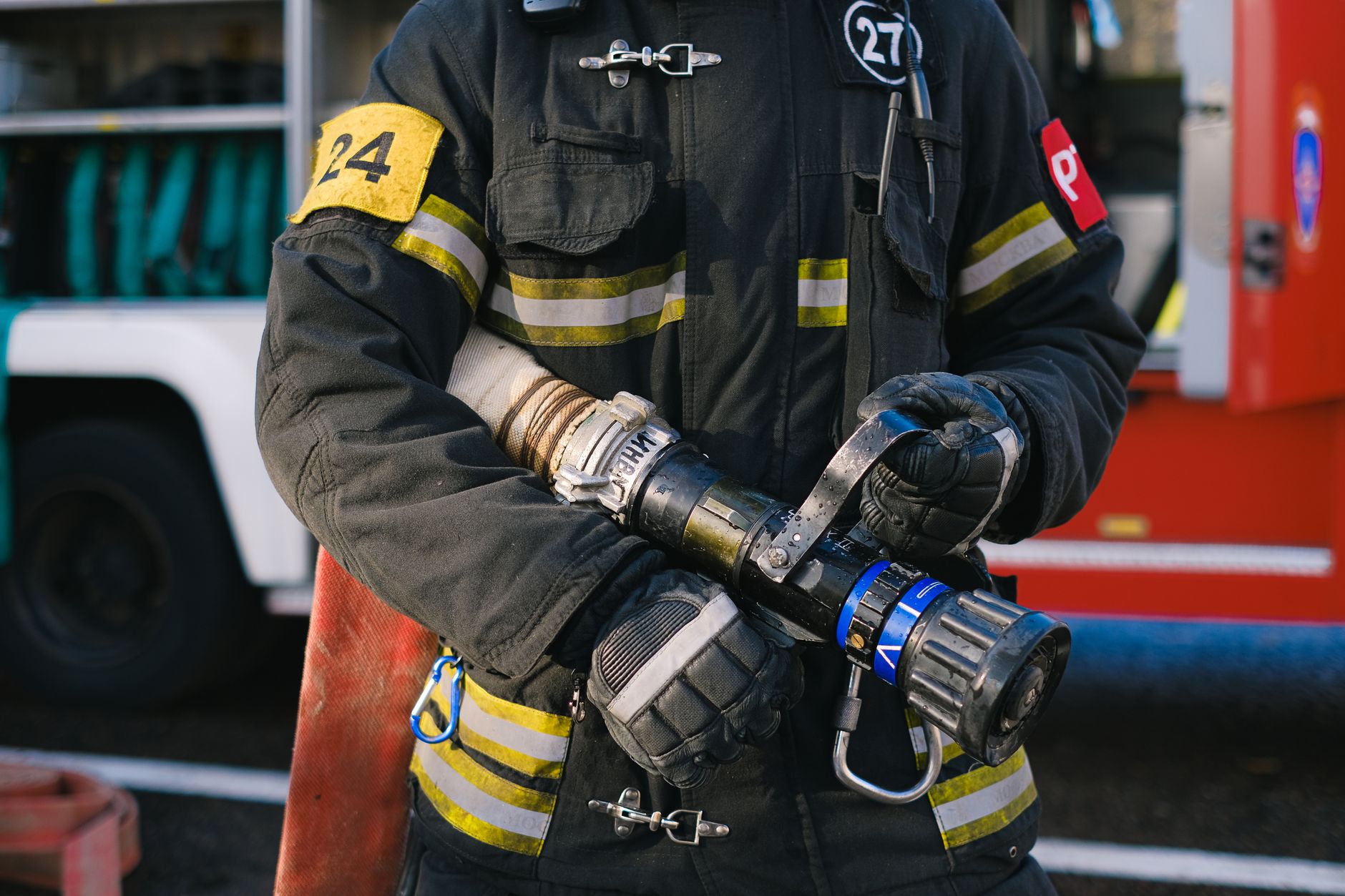
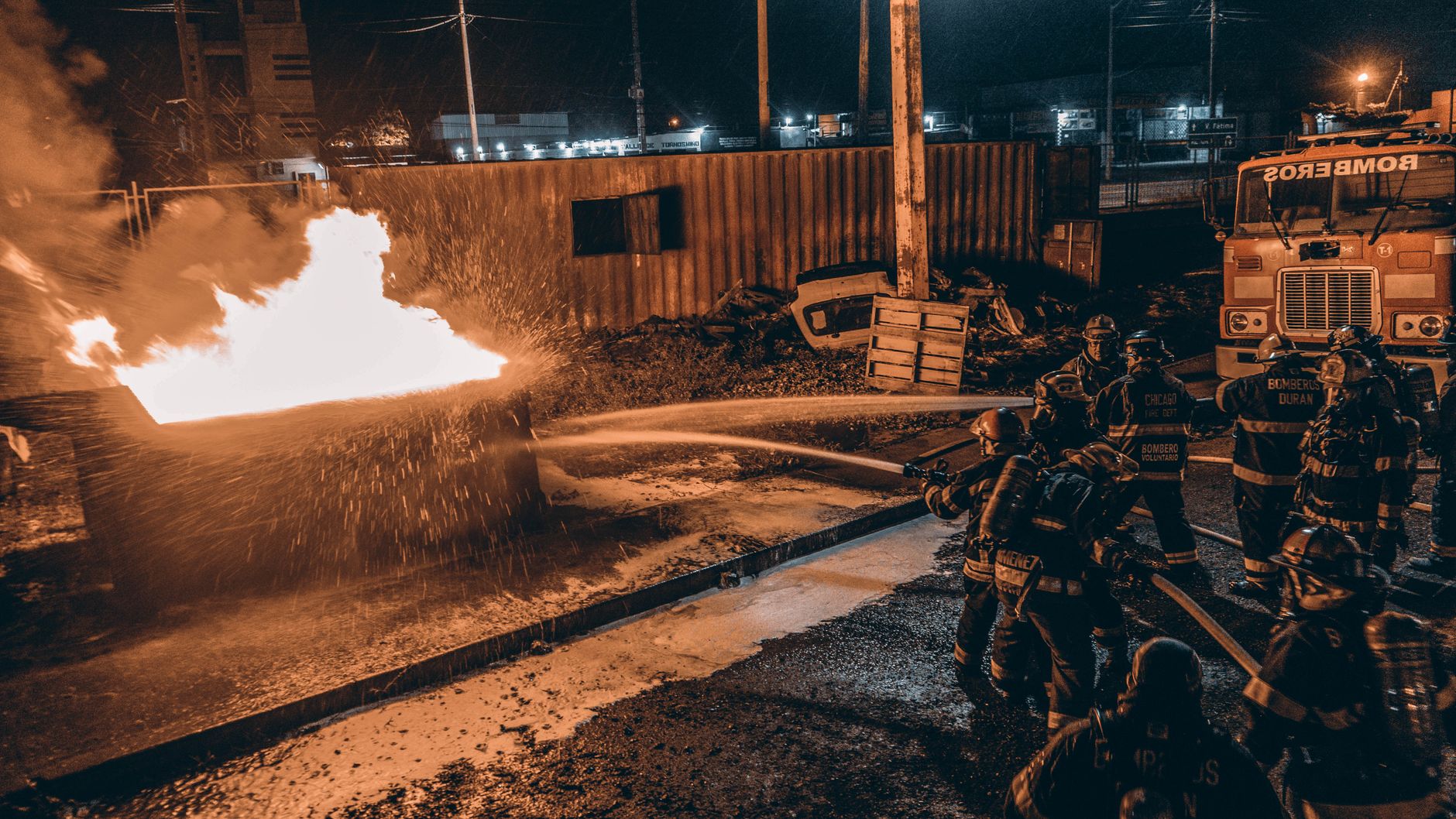
- Emergency services, including firefighters, military personnel, and volunteers, are working tirelessly around the clock, often in perilous conditions, to contain the blazes and protect lives and critical infrastructure.
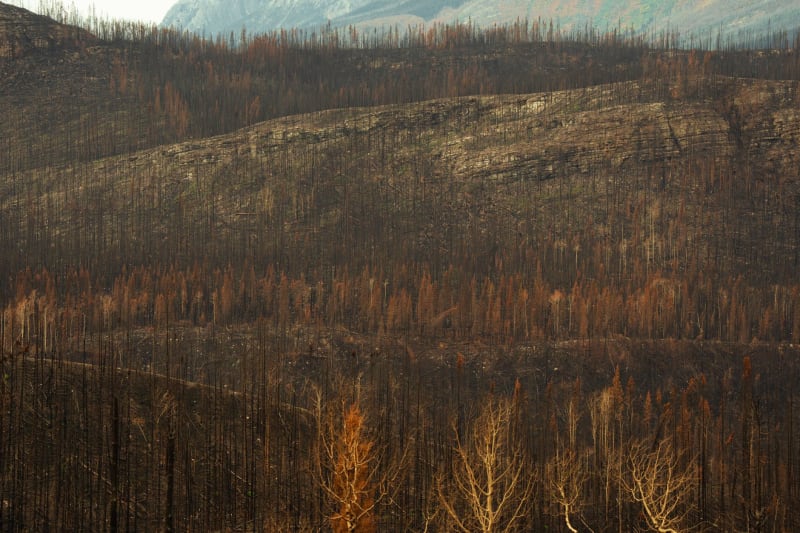
- Significant damage to natural landscapes, agricultural land, and biodiversity has already occurred, with vast forests and protected areas being consumed by the flames, leading to long-term ecological consequences.
- The economic impact is substantial, affecting tourism, agriculture, and local businesses, with recovery efforts expected to be costly and prolonged, highlighting the vulnerability of these regions to climate-related disasters.
What We Do Not Know Yet
- The precise total acreage of land consumed by the wildfires across all affected European nations remains an evolving figure, with ongoing fires making accurate assessments challenging until containment is achieved.
- The full extent of the long-term ecological damage, including the impact on specific species, water cycles, and soil quality, will not be clear until post-fire assessments can be thoroughly conducted and analyzed.
- The exact number of homes and businesses destroyed or severely damaged is still being compiled, as many areas remain inaccessible to assessment teams due to active fires and ongoing safety concerns.
- While some fires are suspected to be arson, the definitive causes for all major outbreaks have not yet been officially determined, with investigations pending in numerous locations across the continent.
- The specific financial aid packages and long-term recovery strategies that will be implemented by national governments and the European Union to support affected communities and rebuild infrastructure are still under discussion and development.
- The timeline for when all major fires will be fully contained and extinguished is highly uncertain, as weather conditions, particularly wind patterns and temperatures, continue to pose significant challenges to firefighting efforts.
Background
Europe has historically experienced summer wildfires, particularly in its Mediterranean regions, but the current scale and intensity of these blazes represent a concerning escalation. The continent has been gripped by a series of unprecedented heatwaves, with temperatures soaring to record highs in many areas. This prolonged period of extreme heat, coupled with significantly reduced rainfall over several months, has transformed vast areas of forests and scrubland into highly combustible fuel, creating ideal conditions for rapid fire ignition and spread. The dry vegetation, low humidity, and strong winds act as a dangerous trifecta, making firefighting efforts exceptionally difficult and often hazardous for emergency personnel.
The increase in both the frequency and severity of these wildfire events is increasingly being linked by scientists to the broader phenomenon of climate change. As global temperatures rise, extreme weather events, including prolonged droughts and intense heatwaves, are becoming more common and more impactful. This shift in climatic patterns is not merely an abstract scientific projection; it is manifesting in tangible, devastating ways across European landscapes, threatening human settlements, vital ecosystems, and the continent's economic stability. The current crisis serves as a stark reminder of the urgent need for robust climate adaptation and mitigation strategies.
Governments across Europe have activated national emergency protocols, deploying thousands of firefighters, military personnel, and specialized aerial firefighting assets such as water-bombing planes and helicopters. International cooperation has also been crucial, with several countries providing mutual aid through the EU Civil Protection Mechanism, demonstrating a collective response to a shared regional crisis. However, the sheer number and widespread nature of the fires are stretching resources thin, highlighting the immense pressure on emergency services and the critical importance of coordinated efforts to protect lives and property amidst this unfolding environmental catastrophe.
Why It Matters
The current wildfire crisis in Europe is far more than a localized environmental issue; it represents a profound threat to human safety, public health, and economic stability across the continent. Thousands of people have already been forced to evacuate their homes, often losing everything they own, creating a humanitarian challenge that demands immediate and sustained support. The psychological toll on affected communities, particularly those who have repeatedly faced such disasters, cannot be overstated. Beyond immediate danger, the smoke plumes from these massive fires are degrading air quality over vast regions, posing significant health risks, especially for vulnerable populations such as children, the elderly, and individuals with respiratory conditions.
Economically, the impact is devastating and multifaceted. Critical infrastructure, including power lines, roads, and communication networks, is being damaged or destroyed, disrupting essential services and hindering recovery efforts. The agricultural sector, a cornerstone of many European economies, is suffering immense losses as crops are incinerated and livestock are displaced or perish. Furthermore, the tourism industry, a vital source of income for many Mediterranean countries, faces significant setbacks as popular destinations become inaccessible or undesirable due to the fires and their aftermath. The long-term costs of rebuilding, reforestation, and supporting displaced populations will run into billions, placing immense strain on national budgets.
Environmentally, the destruction is catastrophic and long-lasting. Vast swathes of forests, which act as crucial carbon sinks and biodiversity hotspots, are being reduced to ash. This not only releases significant amounts of stored carbon into the atmosphere, exacerbating climate change, but also destroys habitats for countless species, some of which are endangered. The loss of tree cover increases the risk of soil erosion and landslides, particularly in mountainous regions, making these areas more vulnerable to future extreme weather events like heavy rainfall. This cycle of destruction underscores the urgent need for comprehensive climate action and robust land management strategies to protect Europe's natural heritage and ensure a sustainable future.
Timeline of Events
- Early June: Initial reports of unusually dry conditions and elevated fire risk emerge across Southern Europe, prompting early warnings from meteorological agencies and environmental organizations.
- Mid-June: First significant wildfires break out in Portugal and Spain, quickly escalating due to strong winds and high temperatures, leading to initial evacuations and deployment of national firefighting resources.
- Late June: Greece and Italy begin to experience their own major outbreaks, with fires threatening popular tourist islands and mainland regions, necessitating the activation of the EU Civil Protection Mechanism for international assistance.
- Early July: Heatwaves intensify across the continent, with several countries recording their highest-ever June temperatures, directly correlating with a dramatic increase in both the number and intensity of wildfire incidents.
- Mid-July: The crisis reaches a peak with multiple large-scale fires burning simultaneously across Greece, Italy, Spain, and Portugal, leading to widespread evacuations, significant infrastructure damage, and tragic loss of life.
- Late July: International aid, including firefighters and equipment from France, Germany, and other nations, arrives in the most affected areas, bolstering exhausted local crews and providing much-needed relief in the ongoing battle against the blazes.
Rapid-Fire Q&A
What Is Coming
- Continued vigilance and sustained firefighting efforts are anticipated across several European countries as high temperatures and dry conditions are forecast to persist for the foreseeable future, making full containment a challenging prospect.
- A critical phase of damage assessment and initial recovery planning will commence in areas where fires have been brought under control, focusing on restoring essential services and providing immediate relief to displaced populations.
- Intensified political discussions at both national and EU levels are expected to address long-term strategies for wildfire prevention, climate change adaptation, and enhanced cross-border cooperation in emergency response.
- Scientific research will likely accelerate to better understand the evolving dynamics of extreme wildfires in a changing climate, informing future land management practices and early warning systems to mitigate risks.
- Increased public awareness campaigns will be launched, emphasizing fire safety, responsible behavior in natural areas, and the critical role of climate action in preventing future environmental catastrophes of this magnitude.
- The economic repercussions will become clearer as assessments quantify losses in tourism, agriculture, and infrastructure, leading to calls for significant financial aid and reconstruction efforts from national governments and international bodies.






Comments
No comments yet. Be the first to comment!