
At a Glance
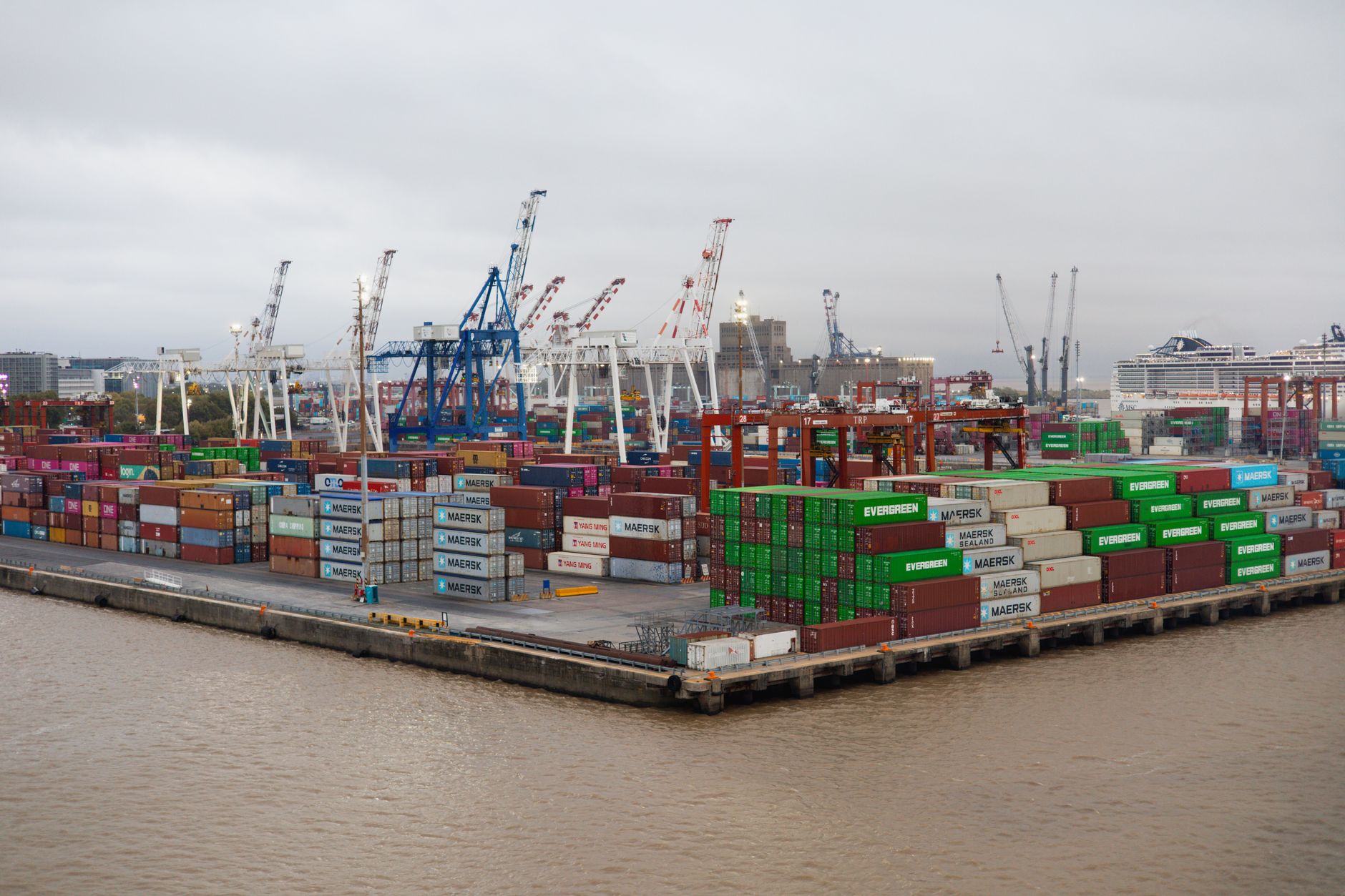
- Former President Trump's administration imposed new tariffs targeting goods produced with forced labor, primarily from China, aiming to uphold human rights and fair trade practices.
- These tariffs, while morally sound in principle, have inadvertently created significant operational and financial challenges for numerous small businesses across the United States.
- Small business owners are reporting increased costs, severe supply chain disruptions, and bureaucratic hurdles as they navigate the complexities of proving their imports are free from forced labor.
- The economic impact extends beyond direct costs, affecting inventory levels, delivery times, and ultimately, consumer prices, potentially stifling post-pandemic recovery efforts for many enterprises.
- Advocacy groups and industry associations are actively lobbying for clearer guidelines, more flexible enforcement, and potential exemptions to protect vulnerable small and medium-sized enterprises.
- The debate highlights a critical tension between ethical sourcing imperatives and the practical economic realities faced by businesses dependent on global supply chains, urging a balanced policy approach.
The Record
The Trump administration, in its final year, escalated efforts to combat forced labor by implementing stricter import regulations and tariffs. These measures were primarily aimed at goods originating from regions identified as high-risk for human rights abuses, most notably certain areas within China. The stated intent was to prevent American consumers from inadvertently supporting exploitative labor practices, aligning U.S. trade policy with its human rights agenda. This move was lauded by human rights organizations and some bipartisan lawmakers who have long advocated for stronger enforcement against forced labor globally.
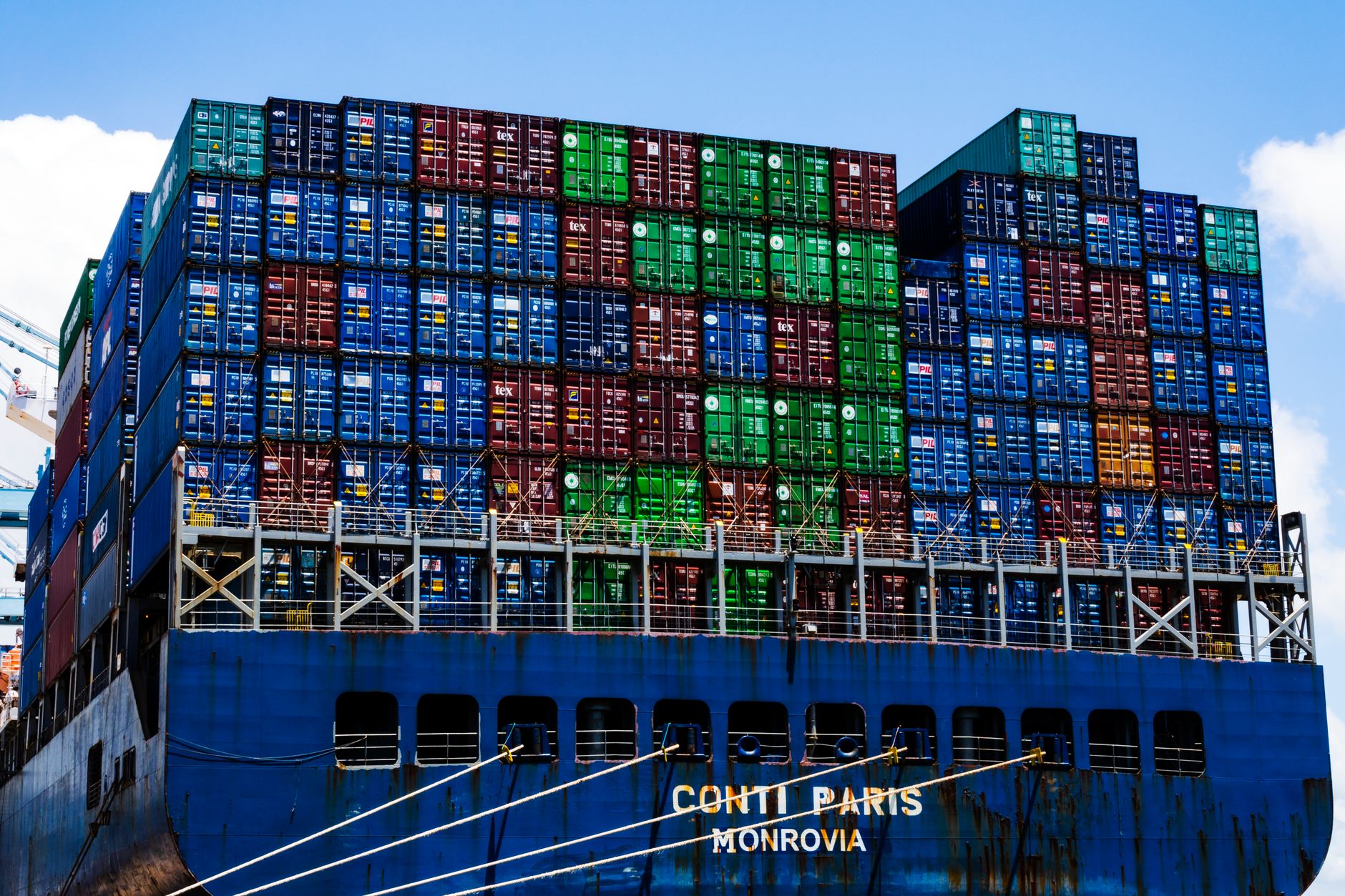
The legal framework for these actions largely stems from the Tariff Act of 1930, specifically Section 307, which prohibits the importation of goods made wholly or in part by forced labor. While this provision has existed for decades, its enforcement saw a significant uptick during the Trump presidency, with a more aggressive stance on identifying and blocking such imports. This shift marked a departure from previous administrations, which often relied on more diplomatic or less direct approaches to addressing forced labor concerns in international trade. The increased scrutiny led to a surge in detention orders and investigations by Customs and Border Protection (CBP).
However, the implementation of these tariffs has not been without controversy. While the moral imperative to combat forced labor is widely accepted, the practical implications for businesses, particularly small and medium-sized enterprises (SMEs), have proven challenging. Many businesses, especially those with complex global supply chains, found themselves ill-prepared for the sudden increase in due diligence requirements and the burden of proof placed upon them to demonstrate the absence of forced labor in their products. This created a significant administrative and financial strain, leading to calls for more nuanced policy application.
Who Knew and When
The U.S. government, particularly agencies like the Department of Labor, State Department, and Customs and Border Protection (CBP), has long been aware of the prevalence of forced labor in global supply chains, especially concerning certain goods from specific regions. Reports detailing these abuses have been publicly available for years, providing ample warning to businesses and policymakers alike about the ethical complexities embedded within international trade. The decision to ramp up enforcement of Section 307 of the Tariff Act of 1930 was a culmination of growing pressure from human rights advocates and bipartisan congressional efforts to address these issues more directly.
Businesses, especially larger corporations with dedicated compliance departments, were generally aware of the increasing scrutiny on supply chain ethics and the potential for stricter regulations. Many had already begun implementing due diligence programs to map their supply chains and assess risks related to forced labor. However, for smaller businesses, often operating with limited resources and less sophisticated international trade expertise, the sudden and stringent enforcement of these tariffs came as a significant shock, catching many off guard despite the broader public discourse on the issue.
The specific details of the enhanced enforcement, including the targeted regions and the rigorous evidentiary requirements, became clearer as CBP began issuing Withhold Release Orders (WROs) at an accelerated pace. While the general intent to combat forced labor was known, the operational impact and the stringent burden of proof placed on importers were not fully anticipated by many in the business community. This gap between general awareness and specific operational readiness has been a major point of contention, leading to widespread calls for more transparent communication and preparatory guidance from the government.
Voices from the Ground
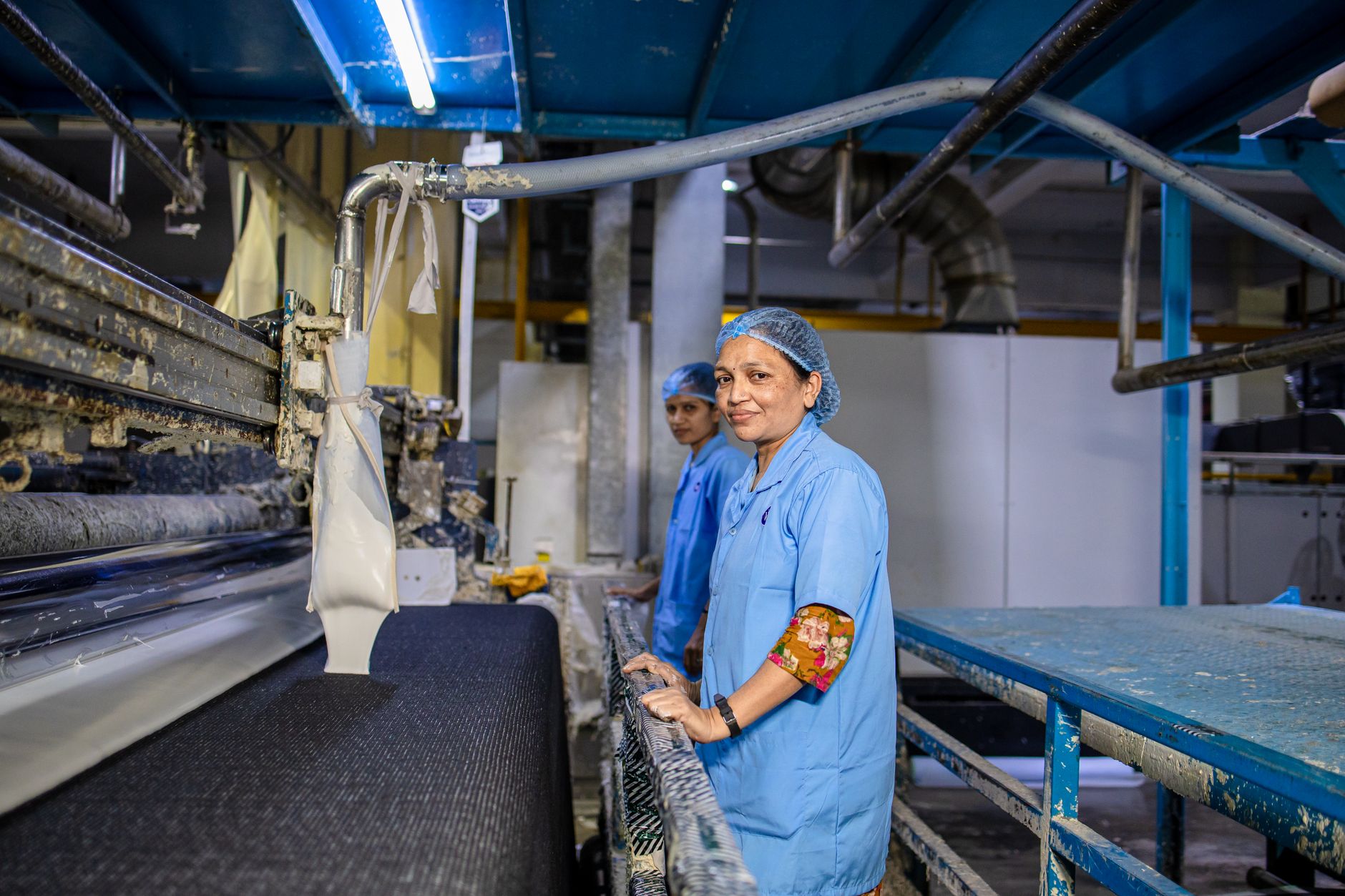
Small business owners are expressing profound frustration and anxiety over the new tariffs. "We're not trying to support forced labor, absolutely not," states Maria Rodriguez, owner of a boutique textile import business in California. "But suddenly, our entire supply chain is under a microscope, and proving every thread is ethically sourced from a dozen different suppliers across multiple countries is an impossible task for a small team like ours. Our shipments are stuck, our cash flow is drying up, and we might not survive this." Her sentiment echoes a growing chorus of entrepreneurs who feel caught between a moral imperative and an economic impossibility.
Another affected party, David Chen, who runs an electronics components distribution company in Texas, highlights the ripple effect. "The tariffs are not just about the cost; it's the uncertainty. We can't guarantee delivery times to our customers because we don't know if our next shipment will be detained for weeks or months. This unpredictability is forcing many of our clients to look for domestic alternatives, which are often more expensive, or to larger competitors who can absorb these delays. It's pushing small businesses out of the market." The administrative burden, including extensive documentation and legal fees, is also proving prohibitive for many.
Advocacy groups like the National Small Business Association (NSBA) are amplifying these concerns, urging policymakers to reconsider the implementation strategy. "While the goal of eradicating forced labor is commendable, the current approach is inadvertently penalizing compliant American small businesses," explains an NSBA spokesperson. "We need policies that are effective in targeting bad actors without crippling the legitimate operations of thousands of honest entrepreneurs. This requires more resources for CBP to conduct targeted investigations and clearer, more accessible guidance for businesses, rather than a blanket approach that creates undue hardship." The call for a more balanced and practical approach is becoming increasingly vocal.
The Debate
The debate surrounding Trump's forced labor tariffs is multifaceted, pitting human rights advocates against business interests, and ethical sourcing against economic practicality. Proponents of the tariffs argue that they are a necessary and powerful tool to combat egregious human rights abuses, particularly in regions where forced labor is systemic. They contend that any short-term economic discomfort for businesses is a small price to pay for upholding fundamental human dignity and ensuring that American consumers are not complicit in exploitation. This perspective emphasizes the moral imperative to use economic leverage to enforce ethical standards globally.
Conversely, critics, primarily from the business community and some economic policy circles, acknowledge the importance of combating forced labor but argue that the current implementation of the tariffs is overly broad, lacks sufficient clarity, and places an unreasonable burden on legitimate businesses. They point out that small businesses, in particular, lack the resources and leverage to conduct the deep supply chain audits required to satisfy CBP's stringent demands. This often leads to legitimate goods being detained, causing significant financial losses, supply chain disruptions, and ultimately, higher costs for consumers, undermining the very businesses the economy relies on.
A key point of contention is the 'burden of proof' placed on importers. While the intent is to deter illicit trade, critics argue that requiring businesses to definitively prove the absence of forced labor across every tier of a complex global supply chain is an almost impossible standard. This has led to calls for a more nuanced approach, perhaps involving government-led investigations, certified supplier lists, or a phased implementation that allows businesses more time and resources to adapt. The core of the debate revolves around finding a balance: how to effectively combat forced labor without inadvertently crippling legitimate trade and harming domestic businesses.

Your Questions Answered
What Accountability Looks Like
True accountability in the context of forced labor tariffs involves a multi-pronged approach that extends beyond simply blocking imports. It requires holding the perpetrators of forced labor accountable at the source, which means diplomatic pressure, international sanctions, and collaborative efforts with other nations to dismantle exploitative systems. For businesses, accountability means rigorously auditing supply chains, investing in transparency, and ensuring ethical sourcing practices are not just a compliance checkbox but a core operational principle. This proactive stance is crucial for preventing forced labor from entering the supply chain in the first place, rather than reacting to it at the border.
From a governmental perspective, accountability entails not only strong enforcement but also providing clear, actionable guidance and support to businesses, especially SMEs, who are genuinely committed to ethical sourcing. This could include establishing accessible databases of high-risk suppliers, offering technical assistance for supply chain mapping, and creating a more transparent and efficient process for resolving WROs. The current system, which often leaves small businesses in a bureaucratic limbo, undermines the very goal of accountability by punishing those who may be unwitting participants rather than intentional collaborators in forced labor schemes.
Ultimately, accountability must also extend to the consumer. Informed consumers, who demand ethically produced goods and are willing to support businesses that prioritize human rights, play a vital role in creating market pressure for change. This collective responsibility, from governments to businesses to individuals, is essential for truly eradicating forced labor from global supply chains. Without a holistic and collaborative approach, the tariffs risk becoming a blunt instrument that causes collateral damage without achieving their ultimate humanitarian objective.





Comments
No comments yet. Be the first to comment!