

Key Takeaways
- Former President Trump has signaled a potential return to aggressive trade protectionism, proposing new tariffs that could impact over 80 countries globally.
- These proposed tariffs are not merely a continuation of previous policies but represent a significant escalation, targeting a broader range of nations and goods.
- The economic implications are vast, threatening to disrupt established supply chains, increase consumer prices, and potentially trigger retaliatory measures from affected countries.
- Industries heavily reliant on international trade, from manufacturing to agriculture, face substantial uncertainty and potential restructuring under such a tariff regime.
- The political landscape could also shift dramatically, as these tariffs could strain diplomatic relations and force nations to re-evaluate their trade alliances and strategies.
- Consumers are likely to bear the brunt of these policies through higher costs for imported goods and potentially reduced access to a diverse array of products.
- The global financial markets are already showing signs of apprehension, with investors closely monitoring the rhetoric and preparing for potential volatility should these policies be enacted.
- Understanding the specific mechanisms and targets of these proposed tariffs is crucial for businesses and individuals to prepare for potential economic turbulence.
Background
The specter of renewed trade protectionism looms large as former President Donald Trump outlines his potential economic agenda for a second term. Central to this vision is a dramatic expansion of tariffs, moving beyond the targeted measures of his first administration to a far more encompassing strategy. This proposed policy shift represents a significant departure from decades of global trade liberalization, signaling a potential seismic change in how the United States interacts with the international economy. The implications are profound, suggesting a future where trade barriers become the norm rather than the exception, fundamentally altering global commerce.
During his initial presidency, Trump implemented tariffs primarily on goods from China and specific industries like steel and aluminum, citing national security and unfair trade practices. These actions, while controversial, were largely focused on particular sectors and countries. The new proposals, however, envision a blanket approach, potentially applying tariffs to a vast array of imports from over 80 nations. This broad-brush strategy suggests a more radical reorientation of U.S. trade policy, aiming to force a comprehensive re-evaluation of trade agreements and supply chains on a global scale. Such a move would undoubtedly send shockwaves through international markets.
The rationale behind this aggressive stance is rooted in a 'America First' ideology, prioritizing domestic production and aiming to reduce trade deficits. Proponents argue that tariffs protect American jobs, encourage reshoring of manufacturing, and level the playing field against countries perceived to be engaging in unfair trade practices. Critics, however, warn of severe economic consequences, including retaliatory tariffs from other nations, increased costs for consumers, and a potential global economic slowdown. The debate over the efficacy and wisdom of such widespread tariffs is intensifying, with economists and policymakers sharply divided on the potential outcomes.
Why It Matters
These proposed tariffs are not merely an academic exercise; they represent a direct threat to the stability of the global economy and the prosperity of nations worldwide. By targeting over 80 countries, the policy would dismantle established trade relationships and force a costly re-evaluation of international supply chains that have been meticulously built over decades. Businesses, from small importers to multinational corporations, would face unprecedented uncertainty, potentially leading to reduced investment, job losses, and a significant increase in operational costs. This widespread disruption could trigger a domino effect, impacting economic growth across continents and creating a volatile environment for global commerce.
For consumers, the consequences would be tangible and immediate. Tariffs are essentially taxes on imported goods, meaning that the cost of everything from electronics and apparel to food and automotive parts could increase significantly. This rise in prices would erode purchasing power, leading to higher inflation and a reduction in living standards for many households. Furthermore, the availability of certain goods might decrease as companies struggle to absorb the increased costs or find alternative suppliers, potentially limiting consumer choice and fostering a less competitive market environment. The ripple effect on household budgets could be severe, particularly for lower-income families.
Beyond the economic fallout, the geopolitical ramifications are equally concerning. Such a sweeping tariff policy could ignite a global trade war, prompting retaliatory measures from affected countries and escalating diplomatic tensions. This could undermine international cooperation on critical issues, from climate change to security, as nations prioritize economic self-interest over collaborative solutions. The existing framework of international trade organizations, like the World Trade Organization, could be severely weakened, leading to a more fragmented and unpredictable global order. The potential for long-term damage to international relations and the rules-based global system cannot be overstated, making this policy a critical point of concern for leaders worldwide.
Ground Reality
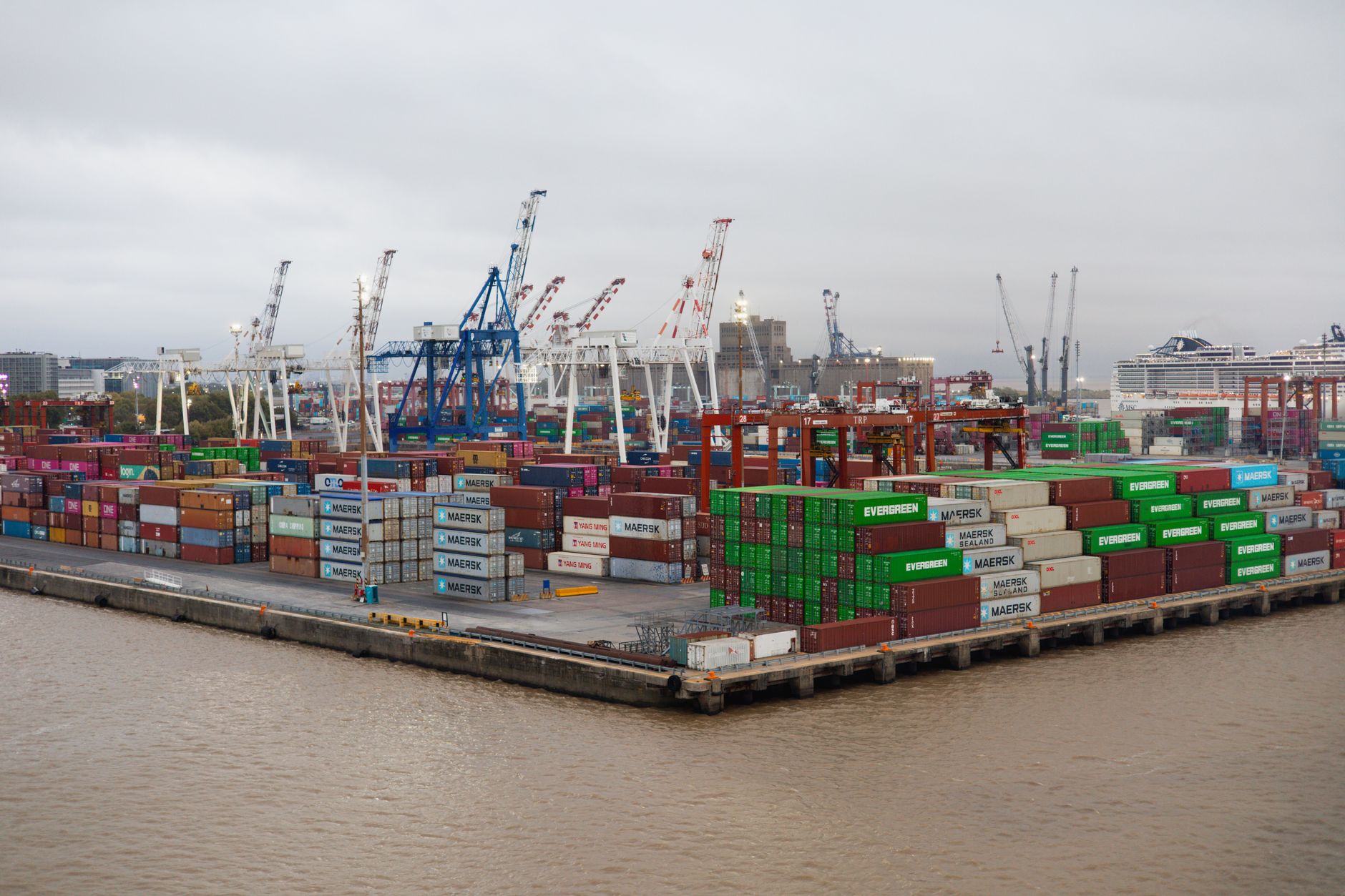
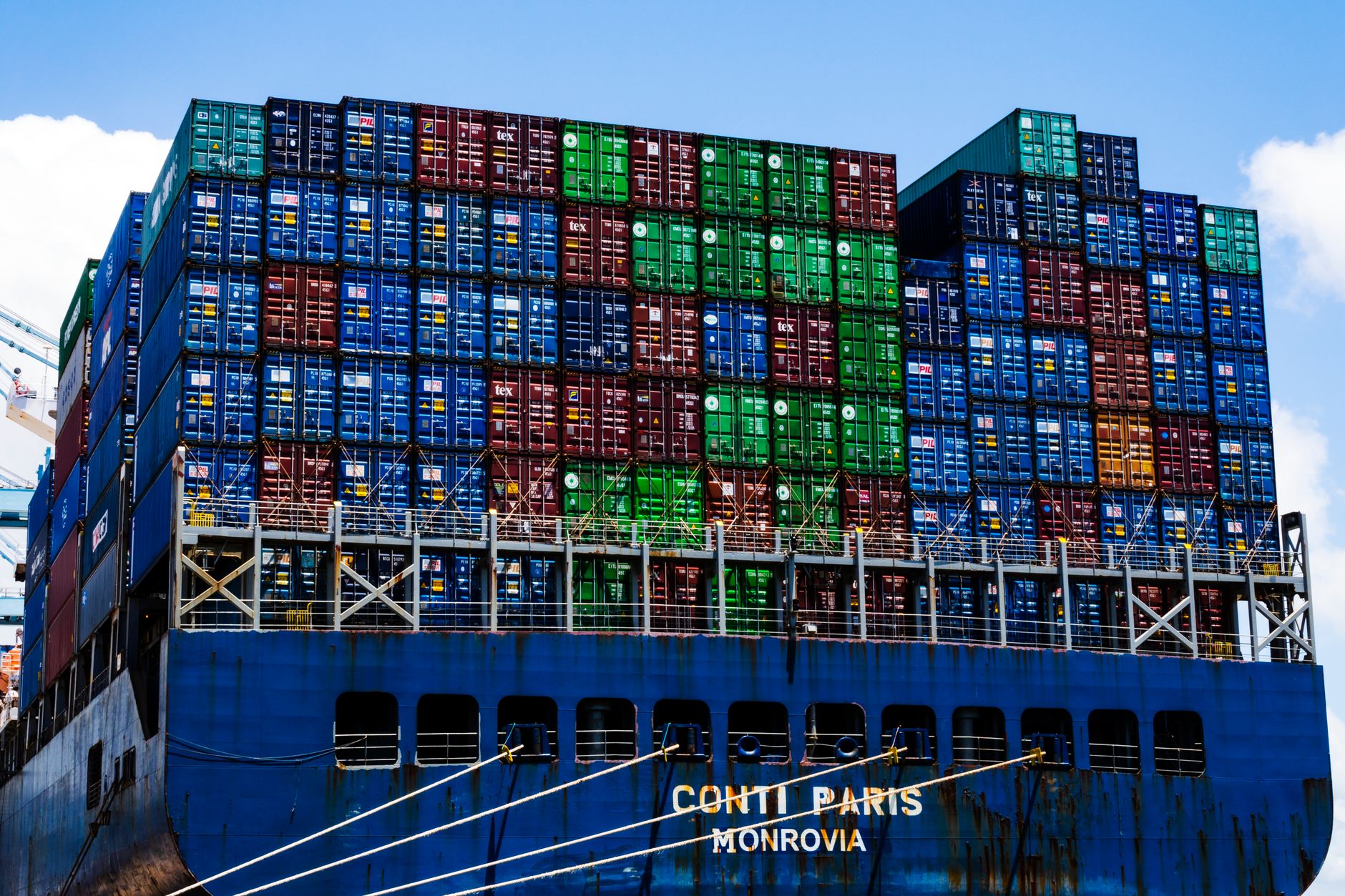
The practical implementation of such extensive tariffs would create an immediate and profound shockwave through global markets. Businesses that rely on complex international supply chains, which is virtually every major industry today, would be forced to rapidly re-evaluate their sourcing strategies. This isn't a simple adjustment; it involves identifying new suppliers, renegotiating contracts, and potentially relocating manufacturing facilities, all of which are incredibly costly and time-consuming endeavors. The immediate impact would likely be supply chain bottlenecks, increased production costs, and delays in bringing goods to market, ultimately translating into higher prices for the end consumer. Small and medium-sized enterprises, often with fewer resources to absorb such shocks, would be particularly vulnerable.
Consider the agricultural sector, which is highly dependent on export markets. If major trading partners retaliate with their own tariffs on American agricultural products, farmers could face significant losses, as seen during the previous administration's trade disputes. Similarly, the automotive industry, with its intricate global assembly lines, would see production costs soar, potentially leading to higher car prices and reduced sales. The technology sector, reliant on components from various countries, would also grapple with increased input costs and potential delays in product development. These are not hypothetical scenarios; they are direct consequences observed during previous, less expansive tariff implementations, now amplified by the sheer scale of the proposed policy.
Moreover, the policy's broad scope means that even countries with historically strong trade relationships with the U.S. could find themselves subject to these new tariffs. This could strain diplomatic ties and push allies to seek trade agreements with other nations, further isolating the U.S. on the global stage. The 'America First' approach, while intended to bolster domestic industries, risks creating an 'America Alone' reality, where the U.S. is increasingly at odds with its traditional partners. The ground reality is that such a policy would not only reshape economic landscapes but also fundamentally alter the geopolitical alliances and cooperative frameworks that have underpinned global stability for decades.
What Experts Are Saying
Economists across the political spectrum are largely unified in their apprehension regarding a widespread tariff policy. Many prominent institutions, including the International Monetary Fund and the World Bank, have consistently warned that protectionist measures stifle global economic growth, reduce efficiency, and ultimately harm consumers. They point to historical data demonstrating that tariffs rarely achieve their stated goals of boosting domestic industries without significant collateral damage. Instead, they often lead to retaliatory actions, creating a cycle of trade disputes that diminish overall global trade volumes and economic activity. The consensus among these experts is that such a policy would be a net negative for both the U.S. and the global economy.
Trade policy experts emphasize that the complexity of modern supply chains means tariffs are no longer simple taxes on foreign goods; they are taxes on the entire production process. Dr. Mary Lovely, a senior fellow at the Peterson Institute for International Economics, has frequently highlighted how U.S. companies often rely on imported components to produce goods for export. Tariffs on these components would make American-made products more expensive and less competitive on the global market, effectively undermining the very industries the policy aims to protect. This intricate web of global production means that tariffs often boomerang, harming domestic businesses and consumers alike.
Geopolitical analysts also express deep concern, noting that such an aggressive trade stance could severely damage U.S. diplomatic influence. Dr. Fiona Hill, a former National Security Council official, has argued that economic coercion can alienate allies and push adversaries closer together, weakening the U.S.'s ability to address shared global challenges. The strategy risks isolating the U.S. at a time when international cooperation is increasingly vital for issues ranging from climate change to cybersecurity. The expert consensus is that while the intent might be to assert American economic power, the likely outcome is a reduction in both economic prosperity and geopolitical standing.

Frequently Asked Questions
What Happens Next
The immediate future hinges significantly on the outcome of upcoming elections. Should the proponent of these tariffs assume office, the world can anticipate a rapid and aggressive push to implement these policies. This would likely involve executive orders and legislative efforts to establish the new tariff framework. Businesses and governments worldwide are already beginning to strategize, conducting risk assessments and exploring contingency plans to mitigate potential disruptions. The period leading up to any formal implementation would be marked by intense lobbying, diplomatic negotiations, and significant market volatility as stakeholders attempt to influence or adapt to the impending changes.
Following any formal announcement or implementation, the global response would be swift and multifaceted. Expect immediate reactions from major trading partners, potentially including formal complaints to the World Trade Organization, though the U.S. has previously shown a willingness to disregard WTO rulings. More significantly, retaliatory tariffs from affected nations would be highly probable, targeting key U.S. exports and specific industries. This would escalate into a full-blown trade war, with each side imposing duties, further disrupting global supply chains and increasing economic uncertainty. The diplomatic fallout could also be substantial, straining alliances and reshaping geopolitical alignments.
In the longer term, the global economy would likely enter a period of profound restructuring. Companies would be forced to re-evaluate their entire operational models, potentially diversifying sourcing away from the U.S. or reshoring production at significant cost. This could lead to a more fragmented global trade system, characterized by regional blocs and reduced overall trade volumes. Consumers would face persistently higher prices and potentially fewer choices. The long-term impact on global innovation, economic growth, and international cooperation remains a grave concern, with many experts predicting a less prosperous and more volatile global landscape if these policies are fully enacted.










Comments
No comments yet. Be the first to comment!