

Policy Snapshot
- The Philippines maintains its sovereign rights over areas within its Exclusive Economic Zone (EEZ) as defined by international law, specifically the 1982 UNCLOS and the 2016 arbitral ruling.
- China asserts historical claims over nearly the entire South China Sea, including areas far from its mainland, a claim largely rejected by the international community and the Permanent Court of Arbitration.
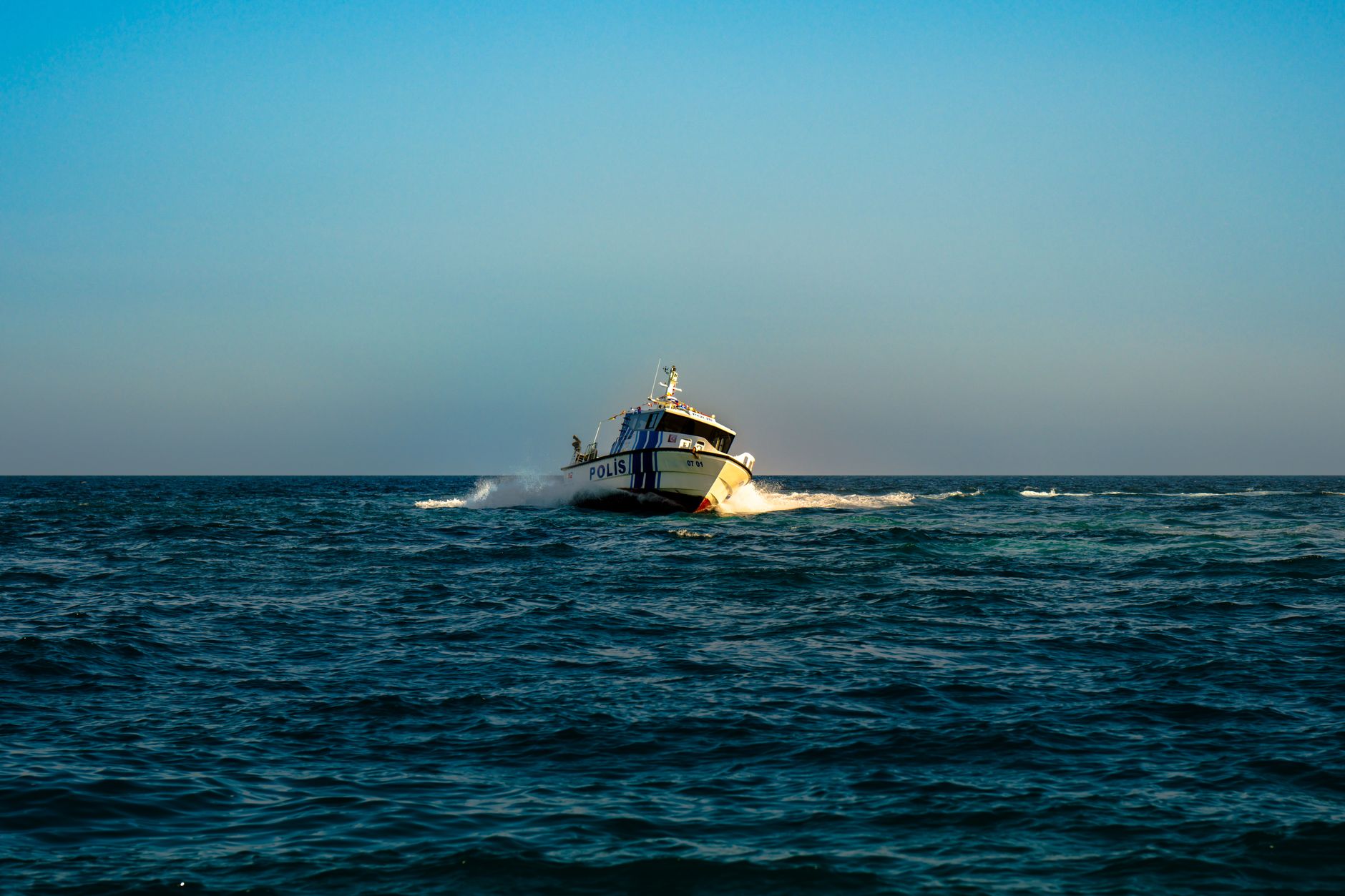
- Philippine policy emphasizes peaceful resolution of disputes through diplomacy and adherence to international legal frameworks, while simultaneously asserting its rights through resupply missions.
- Chinese policy involves a strategy of gray-zone tactics, employing its coastguard and maritime militia to enforce its claims without engaging in overt military conflict, creating ambiguity and pressure.
- The United States reiterates its commitment to its mutual defense treaty with the Philippines, signaling potential intervention if Philippine forces, vessels, or aircraft are attacked in the South China Sea.
- International maritime law, particularly the United Nations Convention on the Law of the Sea (UNCLOS), forms the bedrock of the Philippines' claims and is a crucial reference point for other nations in the region.
The Policy History
The South China Sea has been a flashpoint for decades, with multiple nations asserting overlapping territorial and maritime claims. At the heart of the current dispute is China's expansive 'nine-dash line' claim, which encompasses vast swathes of the sea, including areas well within the Exclusive Economic Zones (EEZs) of neighboring countries like the Philippines, Vietnam, Malaysia, and Brunei. This claim, based on historical maps and narratives, has been consistently challenged by international legal bodies and other claimant states. The Permanent Court of Arbitration in The Hague definitively ruled in 2016 that China's claims had no legal basis under the United Nations Convention on the Law of the Sea (UNCLOS), a ruling China has vehemently rejected and refused to acknowledge.
The Philippines, a signatory to UNCLOS, bases its claims on internationally recognized maritime boundaries, particularly regarding its EEZ. The Second Thomas Shoal, known as Ayungin Shoal in the Philippines, is a critical point of contention. The Philippines maintains a small contingent of marines on the BRP Sierra Madre, a grounded naval vessel, to assert its sovereignty. Regular resupply missions to these troops are often met with aggressive interference from Chinese coastguard and maritime militia vessels, leading to dangerous standoffs and, increasingly, direct collisions. These incidents are not isolated; they are part of a broader pattern of escalating Chinese assertiveness in the region, aimed at solidifying its control over disputed features and resources.
Historically, the United States has maintained a policy of freedom of navigation operations (FONOPs) in the South China Sea, challenging what it perceives as excessive maritime claims by China and other nations. This stance is rooted in the principle of upholding international law and ensuring open access to vital shipping lanes. Furthermore, the U.S. has a longstanding Mutual Defense Treaty with the Philippines, a pact that obligates it to come to the aid of the Philippines if its armed forces, public vessels, or aircraft are attacked. This treaty, frequently reaffirmed by U.S. officials, adds a significant geopolitical dimension to any escalation in the South China Sea, raising the stakes considerably for all parties involved and transforming what might appear to be a localized dispute into a potential international crisis.
Who Is Affected
The most immediate and directly affected parties are the Filipino fishermen and naval personnel operating in the South China Sea. Filipino fishermen, who rely on these waters for their livelihoods, frequently report harassment, intimidation, and even confiscation of their catch and equipment by Chinese vessels. This directly impacts their economic well-being and food security for their families and communities. The Philippine Coast Guard and Navy personnel, tasked with asserting sovereignty and protecting national interests, face constant danger and psychological pressure from aggressive maneuvers by Chinese ships, risking collisions and potential injury in the line of duty.
Beyond the immediate actors, the broader Filipino population is significantly affected. The South China Sea is not just a territorial dispute; it's a matter of national pride, sovereignty, and access to crucial natural resources, including vast fishing grounds and potential oil and gas reserves. Any perceived weakness or inability to defend these claims can erode public trust in the government and fuel nationalist sentiments. Furthermore, the economic implications of restricted access to these waters, or potential conflict, could have severe repercussions on the Philippine economy, impacting trade routes, energy security, and overall national development. The psychological toll of living under constant geopolitical tension also weighs heavily on citizens.
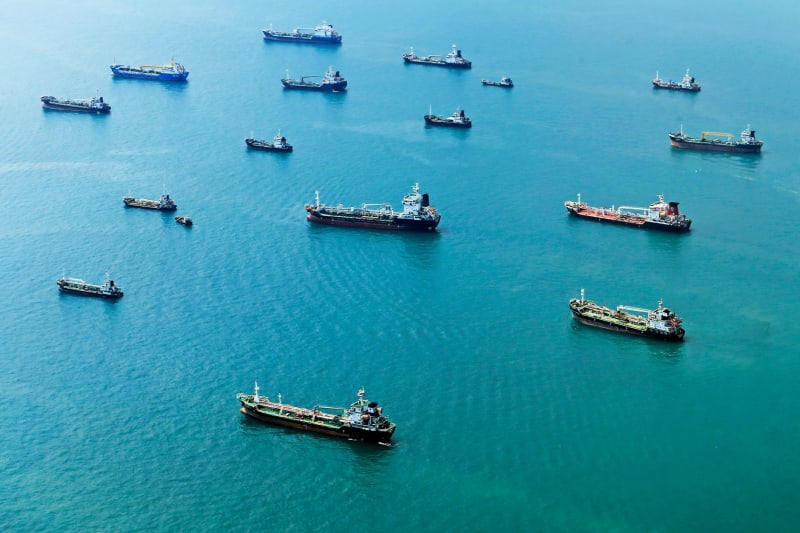
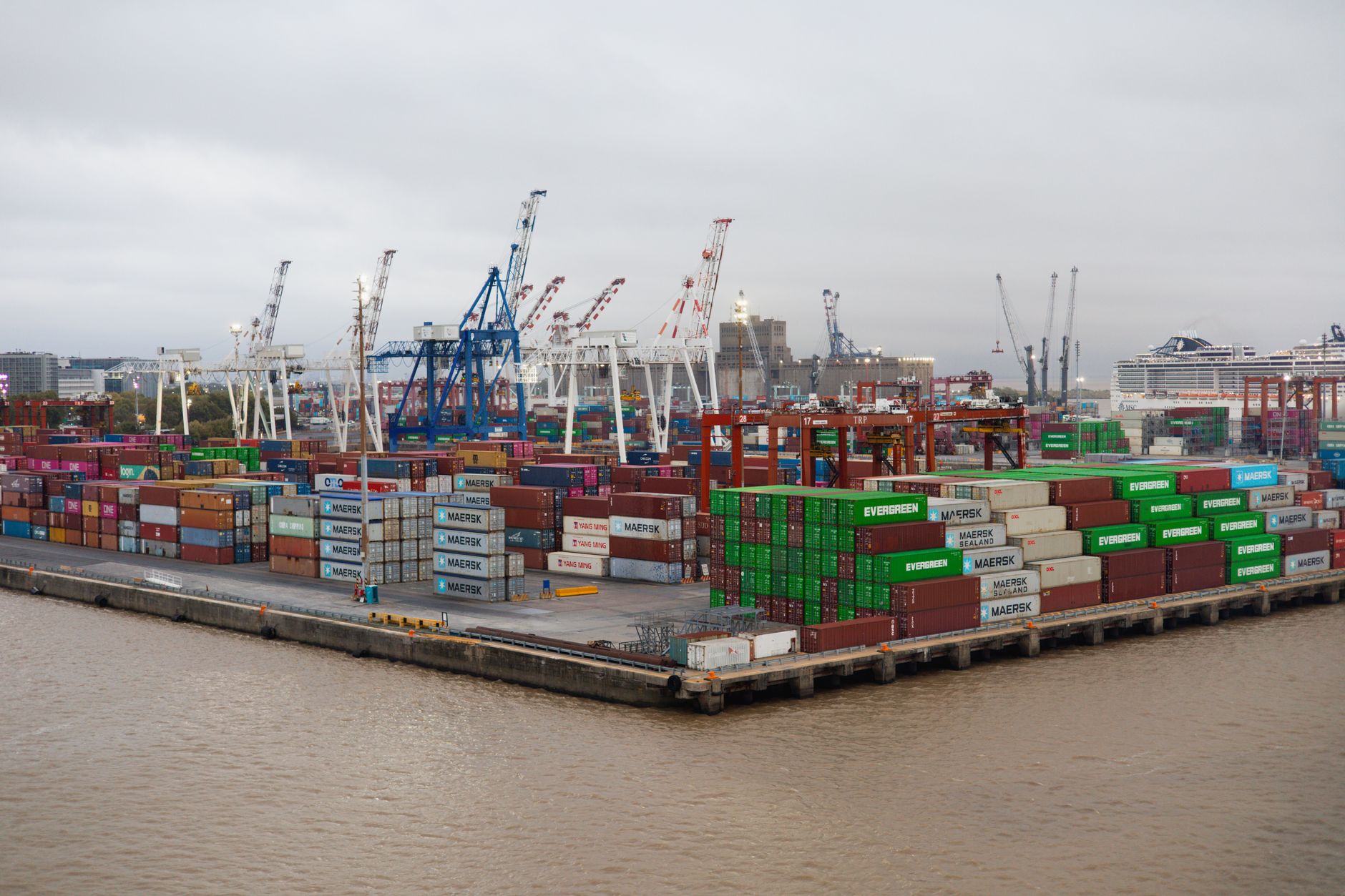
Regionally and internationally, the escalating tensions pose a significant threat to stability and freedom of navigation. Other claimant states in Southeast Asia, such as Vietnam, Malaysia, and Brunei, closely monitor these incidents, as China's actions against the Philippines could set a precedent for their own disputes. Major global powers, particularly the United States and its allies, are also deeply invested due to the South China Sea's critical role in global trade and security. Approximately one-third of global shipping passes through these waters annually, making any disruption a potential catastrophe for international commerce. The risk of miscalculation leading to a wider conflict, drawing in external powers, remains a serious concern for the entire international community.
The Case For
The Philippines' steadfast commitment to asserting its sovereign rights and jurisdiction over its Exclusive Economic Zone (EEZ) is firmly rooted in international law, particularly the United Nations Convention on the Law of the Sea (UNCLOS). The 2016 arbitral ruling unequivocally affirmed the Philippines' rights and invalidated China's expansive historical claims. By continuing resupply missions to the BRP Sierra Madre and challenging China's aggressive tactics, the Philippines is not merely defending a grounded ship; it is upholding the rule of law and the principles of a rules-based international order. This principled stand is crucial for maintaining the integrity of international maritime law against unilateral assertions of power.
From a strategic perspective, the Philippines' actions are vital for its national security and economic prosperity. The South China Sea contains immense natural resources, including rich fishing grounds that sustain millions of livelihoods and potential hydrocarbon reserves critical for energy independence. Allowing China to incrementally assert control over these areas would mean surrendering invaluable national assets and compromising future generations' economic opportunities. The presence of Philippine personnel and vessels, despite the risks, serves as a tangible assertion of sovereignty, preventing the effective annexation of these vital maritime territories by a foreign power.
Furthermore, the Philippines' resilience in the face of Chinese pressure sends a powerful message to the international community. It demonstrates that smaller nations can and will stand up for their rights against larger, more powerful adversaries, provided they have legal backing and international support. This resolve encourages other nations to adhere to international law and strengthens the collective effort to maintain peace and stability in the Indo-Pacific region. The Philippines' actions are not just about its own national interest; they are about preserving a global system where disputes are resolved through law, not through force or intimidation, thereby safeguarding freedom of navigation and overflight for all nations.
The Case Against
Critics argue that the Philippines' confrontational approach, particularly its persistent resupply missions to the BRP Sierra Madre in the face of escalating Chinese aggression, carries significant risks of unintended escalation. Each close encounter between vessels increases the probability of an accidental collision or a miscalculation that could rapidly spiral into a more serious military confrontation. Such an incident could potentially trigger the Mutual Defense Treaty with the United States, drawing a major global power into a regional conflict, with unpredictable and potentially devastating consequences for the Philippines and the wider Indo-Pacific region. The immediate human cost and economic disruption would be immense.
Another perspective suggests that while asserting sovereignty is important, the current tactics might be playing directly into China's long-term strategy of gradually normalizing its presence and control over disputed areas. By constantly reacting to Chinese provocations, the Philippines might inadvertently legitimize China's gray-zone operations and its narrative of defending its 'territorial integrity.' Some analysts propose that a more nuanced diplomatic strategy, perhaps involving multilateral negotiations or exploring alternative mechanisms for de-escalation, might yield better long-term outcomes than a continuous cycle of confrontation that risks exhausting Philippine resources and patience.
Furthermore, there are concerns about the economic repercussions of heightened tensions. Foreign investment could be deterred by the perception of instability in the region, impacting the Philippines' economic growth and development. The disruption of vital shipping lanes, even if temporary, would have a significant impact on global trade, including the Philippines' own import and export activities. While national pride and sovereignty are paramount, a purely confrontational stance without robust diplomatic off-ramps could lead to a scenario where the economic costs outweigh the strategic gains, potentially isolating the Philippines in the long run if international support wanes or if the situation becomes too volatile for external powers to manage effectively.
Policy Questions Answered
Implementation Watch
The Philippines' strategy for asserting its sovereign rights in the South China Sea hinges on a multi-pronged approach that combines persistent resupply missions with robust diplomatic engagement and appeals to international law. The consistent execution of these resupply efforts to the BRP Sierra Madre, despite Chinese harassment, is a critical test of its resolve. Monitoring how the Philippine Coast Guard adapts its tactics to counter China's increasingly aggressive maneuvers, such as the use of water cannons and direct collisions, will be crucial. The effectiveness of these missions is not just about delivering supplies but about demonstrating unwavering commitment to its territorial integrity.
On the diplomatic front, the Philippines is actively seeking to strengthen alliances and partnerships with like-minded nations, including the United States, Australia, Japan, and European Union members. The success of this diplomatic offensive will be measured by the concrete support it receives, such as joint patrols, intelligence sharing, and public condemnations of Chinese actions. The upcoming joint exercises and security dialogues will indicate the level of international commitment to upholding freedom of navigation and the rules-based order in the region. Any wavering in international support could embolden China further.
Internally, the Philippine government faces the challenge of modernizing its maritime defense capabilities and ensuring the welfare of its personnel operating in hazardous conditions. Investment in new patrol vessels, surveillance technology, and training for its Coast Guard and Navy will be vital for effective implementation of its maritime security policy. Furthermore, public opinion and domestic political stability will play a significant role; sustained public support for the government's stance is essential to maintain the political will necessary for a long-term strategy against a powerful adversary. The long-term success of these policies will ultimately depend on a delicate balance of assertive action, astute diplomacy, and robust international backing.









Comments
No comments yet. Be the first to comment!