

The Numbers
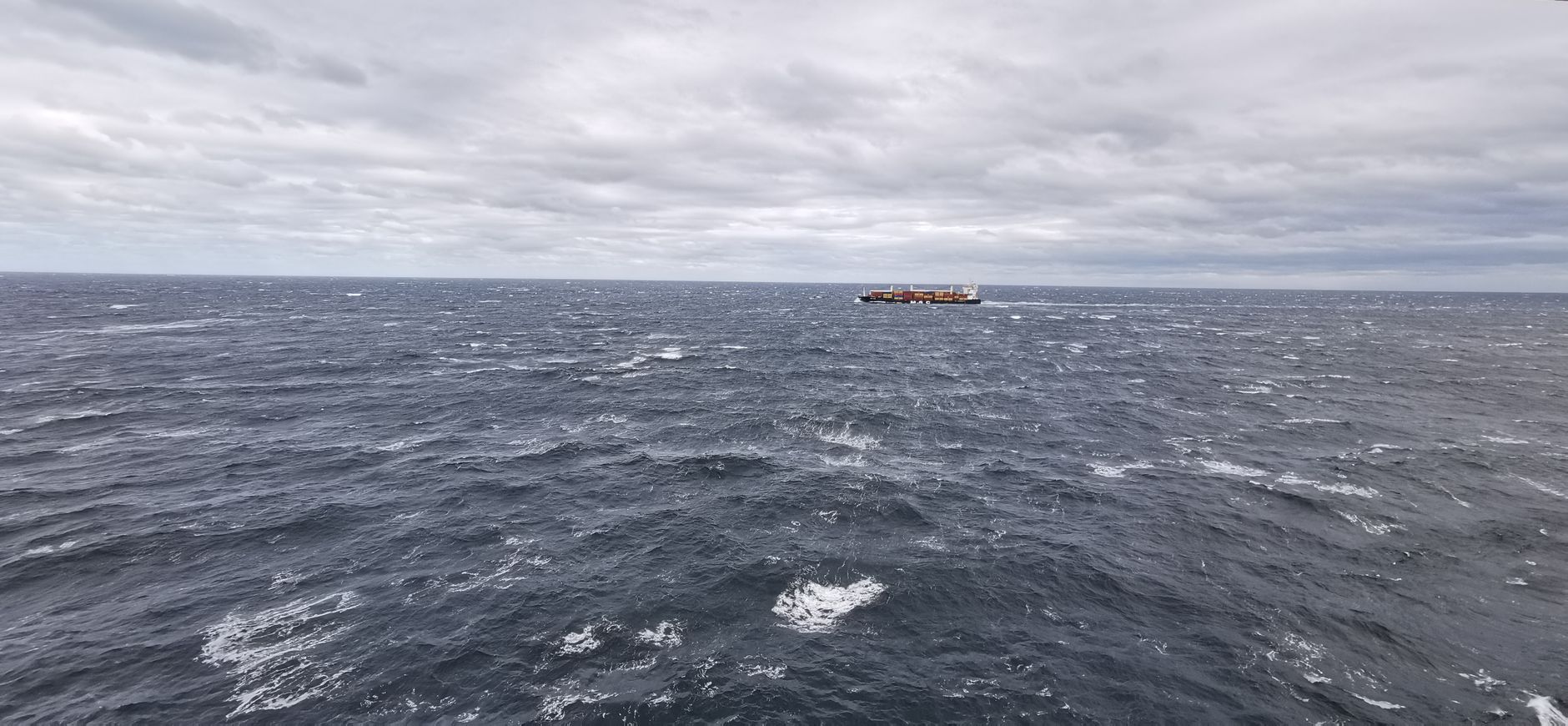
- Over 100 drone and missile attacks have been launched by Houthi rebels against commercial shipping in the Red Sea since November, significantly disrupting global trade routes and increasing insurance premiums for vessels traversing the vital waterway.
- Approximately 15% of global maritime trade, including a substantial portion of the world's oil and gas shipments, typically passes through the Red Sea and the Suez Canal, making the current disruptions economically impactful on a worldwide scale.
- The US-led Operation Prosperity Guardian involves over 20 nations, though some participants have chosen to remain unnamed, highlighting the complex diplomatic and security challenges in forming a unified front against Houthi aggression.
- Shipping costs for containers from Asia to Europe have reportedly surged by over 300% in some instances due to the rerouting of vessels around the Cape of Good Hope, adding considerable time and expense to supply chains.
- At least 12 major shipping companies have publicly announced diversions from the Red Sea, impacting delivery schedules and raising concerns about potential inflationary pressures on consumer goods across various markets.
- The recent US and UK strikes targeted over 30 Houthi sites across Yemen, aiming to degrade their capabilities to launch further attacks on international shipping and restore stability to the critical maritime corridor.
Context Check
The Red Sea, a narrow waterway connecting the Indian Ocean to the Mediterranean Sea via the Suez Canal, is an indispensable artery for global commerce. Its strategic importance cannot be overstated, as it facilitates a significant portion of the world's maritime trade, including critical energy supplies. Any disruption in this region has immediate and far-reaching consequences for international supply chains, energy markets, and global economic stability. The current crisis, marked by persistent Houthi attacks on commercial vessels, has thrust this vital corridor into an unprecedented state of peril, forcing a reevaluation of established shipping routes and international security protocols.
The Houthi movement, officially known as Ansar Allah, is a Shiite Islamist political and military organization that emerged in Yemen in the 1990s. They have been engaged in a protracted civil war against the internationally recognized Yemeni government since 2014, receiving significant support from Iran. Their stated motivation for attacking Red Sea shipping is solidarity with Palestinians in Gaza, framing their actions as a direct response to the ongoing conflict and perceived injustices. This ideological alignment with Iran's 'Axis of Resistance' positions them as a key non-state actor capable of projecting influence and disruption far beyond Yemen's borders, directly challenging international maritime law and security.
The recent US and UK military actions, described as defensive strikes against Houthi targets, represent a significant escalation in the conflict. These strikes aim to degrade the Houthis' capacity to launch further attacks and restore freedom of navigation in the Red Sea. However, these operations carry inherent risks, including the potential for wider regional destabilization and direct confrontation with Iran, which views the Houthis as a strategic proxy. The delicate balance of power in the Middle East, already strained by various conflicts, is now under even greater pressure, with global ramifications for peace and economic stability. The international community is closely watching to see if these strikes will deter future Houthi aggression or inadvertently fuel a more expansive conflict.
Background
The Houthi movement's emergence in Yemen is rooted in a complex history of political marginalization and religious revivalism. Originating in the northern Saada province, the group initially focused on cultural and religious preservation for the Zaidi Shiite minority, often clashing with the central government. Their grievances grew over perceived corruption and foreign influence, particularly from Saudi Arabia and the United States. The Yemeni civil war, which began in earnest in 2014, saw the Houthis seize control of the capital, Sana'a, and large swathes of the country, transforming them into a formidable military and political force. This conflict has been characterized by intense fighting, humanitarian crises, and significant international intervention, primarily from a Saudi-led coalition.
Iran's strategic interest in supporting the Houthis is multifaceted. Firstly, it provides Iran with a proxy capable of exerting pressure on Saudi Arabia, a regional rival, from its southern flank. Secondly, it allows Iran to project power and influence into the Bab el-Mandeb Strait, a critical chokepoint at the southern end of the Red Sea, thereby enhancing its strategic depth and ability to disrupt global shipping. This support includes providing military training, advanced weaponry such as drones and ballistic missiles, and financial aid. The Houthis' recent attacks on Red Sea shipping, ostensibly in solidarity with Gaza, align with Iran's broader regional strategy of challenging Western influence and supporting its 'Axis of Resistance' against Israel and its allies.
The US and its allies have consistently condemned the Houthi attacks as acts of piracy and a direct threat to international maritime law. The formation of Operation Prosperity Guardian was a direct response to these escalating threats, aiming to provide a multinational security umbrella for commercial vessels. However, the effectiveness of this operation has been challenged by the Houthis' persistent and evolving tactics, as well as the reluctance of some key international players to fully commit resources or openly participate. The recent US and UK strikes represent a significant shift from a purely defensive posture to a more assertive, retaliatory strategy, signaling a determination to restore deterrence and protect vital global trade routes, even at the risk of further regional escalation.
Winners and Losers
The primary 'losers' in this escalating Red Sea crisis are undoubtedly global consumers and the international shipping industry. Consumers face the prospect of higher prices for goods, as increased shipping costs and longer transit times translate into elevated retail prices. Supply chains, already fragile from recent global disruptions, are under renewed strain, leading to potential delays and shortages across various sectors. The shipping industry itself is bearing the brunt of rerouting vessels, paying exorbitant insurance premiums, and grappling with the inherent dangers to crews and cargo. This economic fallout is not confined to specific regions but reverberates across the interconnected global economy, impacting everyone from manufacturers to end-users.
Geopolitically, the United States and its allies face significant challenges. While their stated goal is to restore stability and freedom of navigation, the military strikes risk drawing them deeper into a protracted regional conflict. The perception of a lack of effective deterrence against Houthi attacks could erode international confidence in their ability to safeguard global commons. Furthermore, the diplomatic complexities of building a unified international response, especially with key global players like China and Russia pursuing their own interests, underscore the difficulties in achieving a decisive resolution. The cost in terms of resources, diplomatic capital, and potential for escalation is substantial.
Conversely, the Houthis, despite facing military retaliation, could be seen as achieving some of their objectives. By disrupting global trade and forcing major powers to react, they have elevated their profile on the international stage, reinforcing their image as a formidable non-state actor capable of challenging established norms. Their ability to selectively allow certain nations' vessels safe passage also highlights a strategic cunning, potentially creating divisions among international actors. Iran, their primary benefactor, also gains leverage by demonstrating its capacity to disrupt critical global arteries through its proxies, further solidifying its influence in the region and challenging Western dominance without direct military engagement.
Analyst Perspectives
Many geopolitical analysts emphasize that the Houthi actions are not merely isolated acts of piracy but are deeply intertwined with the broader regional power struggle between Iran and its adversaries. Dr. Sarah Al-Makhlafi, a Middle East security expert, suggests, "The Houthis are acting as a crucial lever in Iran's 'Axis of Resistance,' demonstrating Tehran's ability to project power and disrupt global stability without direct military confrontation. Their Red Sea campaign serves multiple purposes: solidarity with Gaza, challenging Saudi and Israeli interests, and testing the resolve of Western naval powers." This perspective highlights the strategic depth of the Houthi campaign, extending far beyond immediate maritime security concerns.
Economists and maritime security specialists are particularly concerned about the long-term implications for global trade. Professor Julian Vance, an expert in supply chain economics, notes, "The sustained disruption in the Red Sea is forcing a fundamental re-evaluation of global shipping routes and risk assessments. While some companies might absorb initial costs, prolonged rerouting around the Cape of Good Hope will inevitably lead to higher consumer prices and potentially trigger inflationary pressures across various economies. This isn't just a temporary hiccup; it signals a potential paradigm shift in how global trade navigates geopolitical flashpoints." The economic repercussions are seen as far more enduring than initially anticipated.
On the diplomatic front, analysts like Ambassador David Chen point to the complex dynamics introduced by China and Russia's apparent immunity from Houthi attacks. "This selective targeting by the Houthis creates a dangerous precedent and complicates international efforts to form a united front," Chen explains. "It suggests a tacit understanding, or at least a strategic calculation, that allows Beijing and Moscow to maintain their commercial interests while Western powers bear the brunt of the security burden. This fragmentation undermines collective security and could embolden other non-state actors to exploit similar geopolitical fissures in the future." This aspect introduces a critical layer of geopolitical competition into an already volatile situation.
Key Questions Explained
The Outlook
The immediate outlook for the Red Sea remains highly volatile and uncertain. While the US and UK strikes aim to degrade Houthi capabilities, it is unlikely to completely halt their attacks in the short term, given their demonstrated resilience and access to a continuous supply of weaponry and support from Iran. The Houthis have shown a willingness to absorb significant losses and adapt their tactics, suggesting that a complete cessation of hostilities through military means alone is a challenging prospect. Therefore, sustained vigilance and a robust naval presence will likely be required for the foreseeable future to deter and respond to ongoing threats to international shipping.
Looking ahead, the geopolitical landscape in the Red Sea and broader Middle East will be shaped by several critical factors. The extent of Iran's continued support for the Houthis, and its willingness to escalate tensions, will be paramount. The effectiveness of international diplomatic efforts to de-escalate the Gaza conflict, which the Houthis cite as their primary motivation, will also play a crucial role. Furthermore, the evolving roles of major powers like China and Russia, particularly their strategic maneuvering to maintain trade flows while others face disruption, will profoundly influence the regional balance of power and the efficacy of any future multilateral security initiatives.
Longer term, this crisis may accelerate a fundamental reassessment of global supply chain resilience and maritime security strategies. Companies may diversify shipping routes, invest in alternative transport methods, or seek to localize production to reduce reliance on vulnerable choke points. Governments may also intensify efforts to strengthen international maritime law and enhance multinational cooperation to protect global commons. However, achieving a lasting resolution will require not only military deterrence but also comprehensive diplomatic engagement to address the underlying political and economic grievances that fuel such conflicts, ensuring stability in this vital artery of global commerce.













Comments
No comments yet. Be the first to comment!