


Policy Snapshot
- The Trump administration adopted a 'maximum pressure' campaign against Iran, withdrawing from the Joint Comprehensive Plan of Action (JCPOA) in May 2018.
- This policy aimed to cripple Iran's economy through stringent sanctions, particularly targeting its oil exports, which significantly impacted global crude oil prices.
- The withdrawal from the Iran nuclear deal was a unilateral decision, diverging from the approach of key European allies and other signatories.
- Sanctions reimposed by the U.S. government on Iran's energy sector created significant market instability, leading to supply concerns and price volatility in international oil markets.
- The policy included secondary sanctions, threatening to penalize any entity engaging in transactions with Iran, thereby limiting Iran's ability to sell its oil globally.
- This aggressive stance contributed to a sustained period of elevated crude oil prices, directly translating into higher refined fuel costs, including diesel, for consumers worldwide.
The Policy History
The roots of the diesel price surge for American farmers can be traced directly to the Trump administration's dramatic shift in foreign policy towards Iran. In May 2018, the United States unilaterally withdrew from the Joint Comprehensive Plan of Action (JCPOA), commonly known as the Iran nuclear deal. This pivotal decision marked a sharp departure from the multilateral diplomatic efforts of the Obama era, which had sought to curb Iran's nuclear ambitions through a negotiated agreement. The withdrawal was not merely symbolic; it triggered the immediate re-imposition of a comprehensive array of U.S. sanctions that had been lifted under the deal, effectively launching a 'maximum pressure' campaign designed to isolate Iran economically and politically. This aggressive posture was intended to force Iran back to the negotiating table for a 'better deal,' but its immediate consequence was profound instability in global oil markets.
The 'maximum pressure' strategy specifically targeted Iran's vital oil sector, aiming to reduce its crude oil exports to zero. Iran, a major global oil producer, saw its export capabilities severely curtailed as international buyers, fearing U.S. secondary sanctions, drastically reduced their purchases. This artificial constriction of supply, removing a significant volume of crude from the global market, inevitably put upward pressure on international oil prices. For an industry as globally interconnected as oil, even the threat of supply disruption can send prices soaring. The administration's rhetoric, often confrontational, further exacerbated market anxieties, creating a volatile environment where the price of a barrel of crude oil became highly sensitive to geopolitical developments in the Middle East.
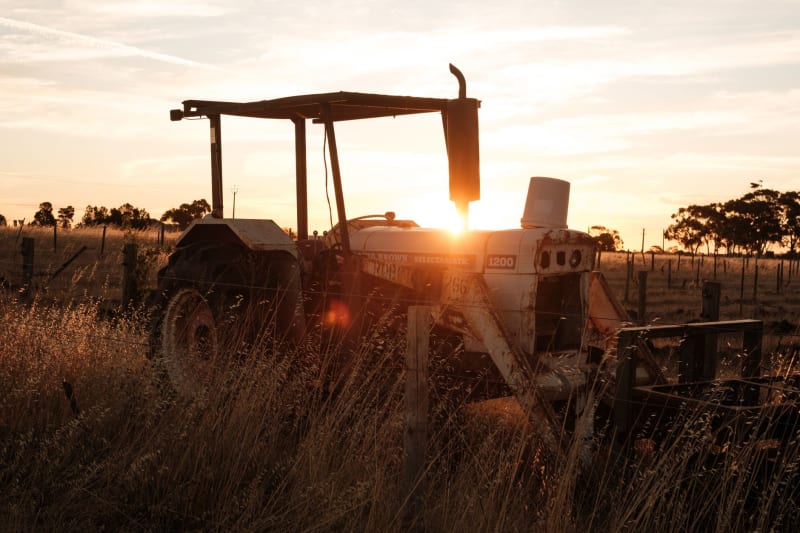
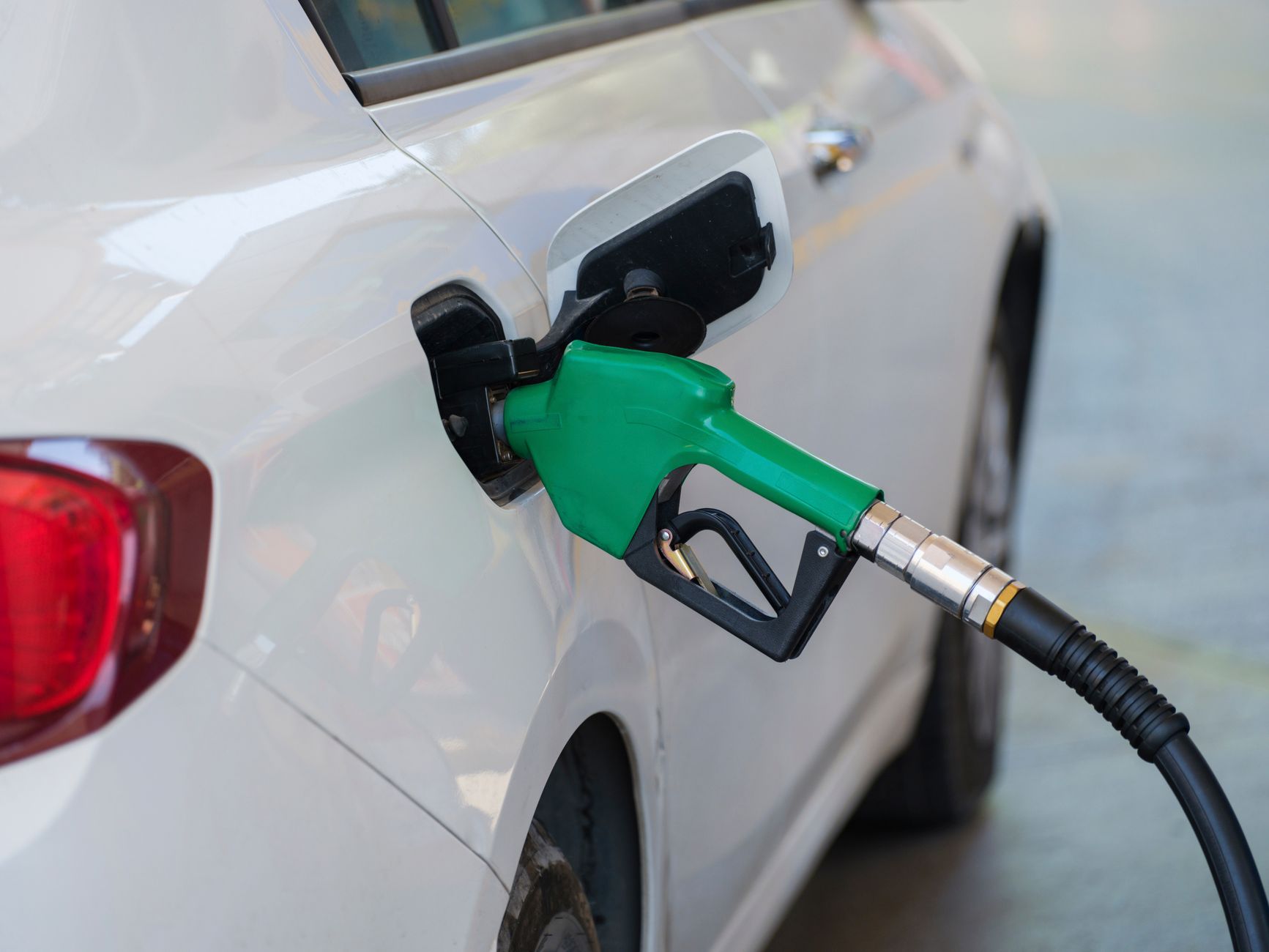
This geopolitical maneuvering had a tangible and detrimental impact on domestic industries far removed from the halls of diplomacy. While the policy's stated goal was to contain Iran, an unintended but significant side effect was the increased operational cost for energy-intensive sectors within the United States. American farmers, whose livelihoods depend heavily on diesel fuel for tractors, harvesters, and transportation, found themselves caught in the crossfire. The global price hikes in crude oil translated directly into higher pump prices for diesel, transforming a geopolitical strategy into a direct financial burden on the agricultural sector. This linkage underscores how foreign policy decisions, seemingly distant from everyday economic realities, can ripple through supply chains and impact fundamental industries at home.
Who Is Affected
The primary and most immediately affected group by the surge in diesel prices were America's farmers. Agriculture is an incredibly energy-intensive industry, relying heavily on diesel fuel for virtually every stage of production. From planting and tilling vast fields with powerful tractors to harvesting crops with combines and transporting goods to market, diesel is the lifeblood of modern farming operations. A $1.4 billion increase in fuel costs represents a massive, unforeseen expenditure that directly eroded profit margins already thin due to market fluctuations, trade disputes, and unpredictable weather patterns. This financial strain disproportionately impacts smaller and family-owned farms, which often operate on tighter budgets and have less capacity to absorb sudden, significant increases in input costs.
Beyond the farmers themselves, the ripple effect extends throughout the entire agricultural supply chain and ultimately to consumers. Higher fuel costs for farmers translate into increased expenses for trucking companies that transport produce, livestock, and processed foods across the country. These elevated transportation costs are then passed down, leading to higher prices for groceries at supermarkets. This inflationary pressure on food prices can impact household budgets, particularly for low-income families, making essential goods less affordable. Therefore, a foreign policy decision intended to exert pressure on a distant adversary inadvertently creates a domestic economic burden that touches nearly every American household.
Furthermore, the broader U.S. economy experiences indirect impacts. The agricultural sector is a cornerstone of the American economy, contributing significantly to GDP and employment. When this sector faces such substantial financial headwinds, it can lead to reduced investment, slower growth, and even farm closures. The increased operational costs can also stifle innovation and competitiveness, making it harder for American agricultural products to compete in global markets. This intricate web of interconnectedness highlights how geopolitical decisions can have far-reaching and complex economic consequences, extending well beyond their initial targets and affecting various stakeholders across the domestic landscape.
The Case For
Proponents of the 'maximum pressure' campaign against Iran argued that it was a necessary and decisive measure to counter Iran's destabilizing activities in the Middle East and prevent its pursuit of nuclear weapons. They believed that the previous nuclear deal, the JCPOA, was fundamentally flawed, as it did not adequately address Iran's ballistic missile program, its support for proxy groups, or the sunset clauses that would eventually lift restrictions on its nuclear program. By withdrawing from the deal and reimposing stringent sanctions, the administration aimed to cut off Iran's financial lifelines, thereby limiting its ability to fund these objectionable activities and force it to negotiate a more comprehensive and enduring agreement.
From this perspective, the economic costs, including the rise in diesel prices, were viewed as an unfortunate but acceptable consequence of a critical national security imperative. The argument posited that the long-term benefits of a denuclearized or significantly constrained Iran outweighed the short-term economic disruptions. Supporters believed that a strong stance was essential to project American power and protect U.S. interests and allies in the region. They contended that appeasement or a less confrontational approach would only embolden Iran, leading to greater regional instability and a more significant threat in the future, justifying the domestic economic impact as a necessary sacrifice for global security.
Furthermore, some policymakers and analysts suggested that the increased pressure could eventually lead to a change in the Iranian regime's behavior or even its collapse, which they saw as a desirable outcome. They pointed to historical precedents where economic sanctions had successfully altered the policies of adversarial nations. While acknowledging the burden on sectors like agriculture, the prevailing view among proponents was that these were temporary hardships in pursuit of a vital strategic objective. They often emphasized that the U.S. economy was robust enough to absorb these shocks, and that the ultimate goal of preventing a nuclear-armed Iran was paramount, even if it meant higher fuel costs for key domestic industries.
The Case Against
Critics of the Trump administration's Iran policy vehemently argued that the 'maximum pressure' campaign was counterproductive, destabilizing, and ultimately detrimental to American interests, both domestically and internationally. They contended that withdrawing from the JCPOA alienated key European allies, undermined international diplomacy, and failed to achieve its stated goals of a 'better deal' or a change in Iranian behavior. Instead, it led to an escalation of tensions in the Persian Gulf, including attacks on oil tankers and drone incidents, which further contributed to market volatility and higher oil prices, directly impacting sectors like agriculture.
The $1.4 billion increase in diesel costs for American farmers was cited as a prime example of the policy's unintended and damaging domestic consequences. Opponents argued that this financial burden was an unnecessary self-inflicted wound, placing undue stress on a vital economic sector already grappling with challenges like trade wars and climate change. They highlighted that the policy effectively forced American farmers to subsidize a confrontational foreign policy, diverting crucial resources from farm investments, expansion, and even basic operational sustainability. This cost was seen as a direct transfer of wealth from American producers to global oil markets, with no clear benefit to the farmers themselves.
Moreover, critics pointed out that the policy did not lead to a more compliant Iran; rather, it pushed Iran closer to developing nuclear capabilities by reducing its adherence to the JCPOA's restrictions. This created a more dangerous regional environment without achieving any of the strategic objectives. The argument against the policy emphasized that the economic pain inflicted on American industries, coupled with the increased geopolitical risk, far outweighed any perceived benefits. It underscored a fundamental flaw in a foreign policy that failed to adequately consider or mitigate its significant domestic economic repercussions, leaving American farmers to bear the brunt of distant geopolitical maneuvers.
Policy Questions Answered
Implementation Watch
The implementation of the 'maximum pressure' campaign against Iran was characterized by a phased re-imposition of sanctions following the U.S. withdrawal from the JCPOA. Initially, sanctions targeted Iran's financial sector and automotive industry, but the most impactful measures, those directly affecting oil exports, came into full effect in November 2018. The administration granted temporary waivers to several major importers of Iranian oil, including China, India, Japan, and South Korea, to prevent a sudden shock to global oil markets. However, these waivers were eventually allowed to expire in May 2019, intensifying the pressure on Iran's oil sales and further tightening global supply, which directly correlated with sustained higher crude oil prices.
Monitoring the effectiveness of these sanctions involved tracking Iran's oil export volumes, its access to international financial systems, and its economic growth indicators. While Iran's oil exports plummeted, and its economy faced severe contraction, the policy did not lead to the desired 'better deal' or a fundamental change in the regime's behavior. Instead, it often provoked retaliatory actions, such as Iran exceeding the uranium enrichment limits set by the JCPOA and engaging in regional provocations. This cycle of escalation and counter-escalation further fueled market anxieties, contributing to the persistent upward pressure on energy costs for industries like agriculture.
From a domestic perspective, the 'implementation watch' for American farmers was less about policy and more about the relentless climb in their operational costs. Farmers experienced the policy's impact directly at the fuel pump, witnessing their input expenses rise significantly with each planting and harvesting season. The lack of a corresponding increase in commodity prices to offset these higher fuel costs meant that the financial burden was largely absorbed by the farmers themselves. This highlights a critical disconnect between the strategic foreign policy objectives and the practical, economic realities faced by a crucial domestic industry, underscoring the need for a more holistic approach to policy-making that considers its full spectrum of impacts.






Comments
No comments yet. Be the first to comment!