
What We Know
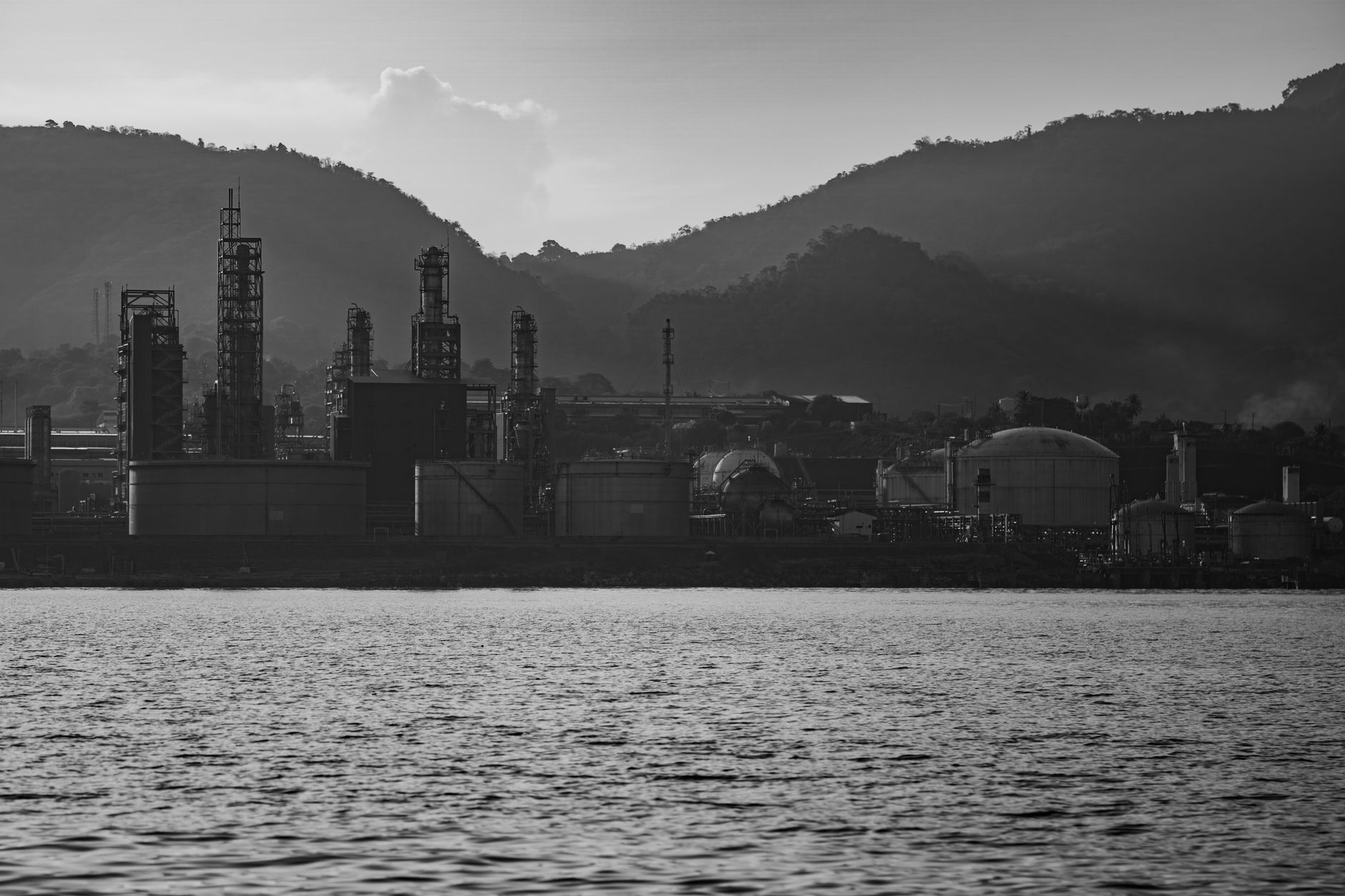
- The current cost-of-living crisis is significantly exacerbated by the volatility and high prices of fossil fuels, directly impacting household budgets and national economies globally. This is not merely a supply chain issue; it is fundamentally linked to our energy infrastructure.
- Fossil fuel price surges directly translate into higher costs for electricity generation, heating, and transportation, creating a ripple effect across nearly every sector of the economy. Consumers face increased utility bills and fuel expenses, eroding their purchasing power.
- The reliance on fossil fuels introduces inherent geopolitical risks and market instability, as global events, conflicts, and production decisions in key oil and gas-producing nations can trigger rapid and unpredictable price spikes. This vulnerability makes economies susceptible to external shocks.
- Beyond direct energy costs, the price of fossil fuels inflates the cost of producing and transporting goods, including essential items like food. This 'hidden' inflation disproportionately affects lower-income households, deepening economic inequality and hardship.
- Governments worldwide are grappling with the challenge of balancing energy security, affordability, and climate commitments, often resorting to subsidies that, while offering temporary relief, can inadvertently prolong dependence on fossil fuels and strain public finances.
- Transitioning to renewable energy sources offers a long-term pathway to mitigate fossil fuel-driven inflation, enhance energy independence, and stabilize energy costs. However, the pace and scale of this transition remain critical challenges requiring concerted global effort and significant investment.
What We Do Not Know Yet
- The precise long-term economic impact of sustained high fossil fuel prices on global GDP growth and national debt levels remains an area of ongoing analysis, with various models predicting different scenarios depending on policy responses and market adjustments.
- The effectiveness and unintended consequences of various government interventions, such as price caps, windfall taxes, and targeted subsidies, in mitigating the cost-of-living crisis without distorting energy markets or hindering renewable energy investment, are still being evaluated.
- The exact timeline and specific technologies that will prove most effective in accelerating the global transition away from fossil fuels, particularly for hard-to-decarbonize sectors like heavy industry and long-haul transportation, are subjects of intensive research and development.
- How consumer behavior and demand patterns will permanently shift in response to prolonged energy inflation and increased awareness of climate change is not fully understood, making future energy demand forecasting complex and uncertain.
- The potential for new geopolitical alignments or conflicts to further disrupt global energy supplies and exacerbate fossil fuel price volatility in the coming years remains a significant unknown, adding another layer of risk to economic stability.
- The scale of investment required and the optimal financing mechanisms to rapidly deploy renewable energy infrastructure and energy efficiency solutions globally, particularly in developing nations, are still being debated among economists and policymakers.
Background
The current global cost-of-living crisis, characterized by soaring inflation and stagnant wages, has its roots in a complex interplay of factors, yet a dominant driver remains the volatile price of fossil fuels. For decades, the global economy has been inextricably linked to oil, gas, and coal, making it highly susceptible to price fluctuations in these commodities. This deep-seated dependence means that any shock to the fossil fuel market, whether due to geopolitical tensions, supply chain disruptions, or speculative trading, rapidly translates into higher costs across virtually every economic sector, from manufacturing to agriculture to transportation. The ripple effect is profound, impacting everything from the price of a loaf of bread to the cost of heating a home.
Historically, periods of significant inflation have often coincided with spikes in energy prices, underscoring the fundamental role of fossil fuels as an input cost for almost all goods and services. The post-pandemic economic recovery, coupled with geopolitical events such as the conflict in Ukraine, exposed the fragility of global energy supply chains and the immediate consequences of reduced access to affordable fossil fuels. This situation highlighted how decades of underinvestment in diversified, resilient energy infrastructure, alongside a continued reliance on a few major producers, left many nations vulnerable to external energy shocks. The resulting energy price increases have not only fueled headline inflation but have also squeezed household budgets, particularly for those already struggling.
Understanding this background is crucial for developing effective policy responses. Simply addressing symptoms like rising food prices without tackling the underlying energy cost issue is akin to patching a leak without fixing the burst pipe. The current crisis serves as a stark reminder that energy security and affordability are not merely economic issues but fundamental pillars of social stability. It compels a re-evaluation of energy policies, urging a faster transition towards sustainable and domestically sourced energy options to insulate economies from future fossil fuel volatility and to build long-term economic resilience. The narrative must shift from short-term fixes to strategic, long-term energy independence.
Why It Matters
The pervasive influence of fossil fuel prices on the cost-of-living crisis cannot be overstated; it fundamentally reshapes economic landscapes and exacerbates social inequalities. When energy costs surge, it's not just about higher petrol prices at the pump or increased electricity bills. These increases permeate every aspect of the economy, from the cost of manufacturing goods and transporting them to market, to the expenses incurred by farmers for fuel and fertilizer. This widespread impact means that inflation driven by fossil fuels is not a niche problem but a systemic challenge that diminishes the purchasing power of every citizen, making essential goods and services less accessible and eroding savings. The stability of entire national economies is at stake, risking recessions and prolonged periods of economic stagnation if unaddressed.
For households, particularly those with lower incomes, the impact is devastating. A significant portion of their budget is allocated to essential energy needs – heating, cooking, and transportation. When these costs skyrocket, families are forced to make impossible choices, often cutting back on food, healthcare, or education. This deepens poverty, widens the wealth gap, and can lead to widespread social unrest. Businesses, especially small and medium-sized enterprises (SMEs), also suffer immensely as their operating costs escalate, forcing them to either raise prices, reduce staff, or, in many cases, close down. This creates a vicious cycle of reduced economic activity, job losses, and further inflationary pressures, threatening the very fabric of communities.
Beyond the immediate economic pain, the fossil fuel-driven crisis underscores a critical vulnerability in global energy systems. It highlights the urgent need for a rapid and equitable transition to renewable energy sources, which offer a pathway to greater energy independence, price stability, and environmental sustainability. Ignoring this fundamental connection between fossil fuels and the cost-of-living crisis would be a profound policy failure, perpetuating economic instability and delaying essential climate action. Addressing this issue head-on is not just about managing inflation; it's about building a more resilient, equitable, and sustainable future for everyone, freeing economies from the unpredictable whims of global fossil fuel markets.
Timeline of Events
- **Late 2020 - Early 2021:** Global economic recovery from the initial COVID-19 lockdowns begins, leading to a sharp increase in energy demand, particularly for oil and gas, as industrial activity resumes and transportation picks up.
- **Mid-2021:** Supply chain disruptions, exacerbated by the pandemic, begin to impact the delivery of goods and components, contributing to initial inflationary pressures across various sectors, including energy-intensive industries.
- **Late 2021:** Natural gas prices in Europe and Asia begin to surge dramatically due to a combination of factors including low storage levels, reduced Russian gas flows, and increased demand from a colder-than-average winter, signaling early energy market instability.
- **February 2022:** Russia's invasion of Ukraine sends shockwaves through global energy markets, causing crude oil and natural gas prices to skyrocket to multi-year highs amidst fears of supply disruptions and sanctions against a major energy producer.
- **March - August 2022:** Governments worldwide implement various measures, including fuel tax cuts, energy subsidies, and price caps, to cushion consumers from the immediate impact of soaring energy costs, while central banks begin aggressive interest rate hikes to combat inflation.
- **Late 2022 - Early 2023:** Despite some stabilization in energy prices, the cumulative effect of high fossil fuel costs continues to feed into broader inflation, affecting food prices, manufacturing, and services, solidifying the cost-of-living crisis as a primary global concern.
- **Mid-2023 onwards:** Focus shifts towards accelerating renewable energy deployment and energy efficiency initiatives as long-term solutions to mitigate fossil fuel dependence and build resilience against future energy price shocks, though challenges remain in implementation and scale.
- **Present Day:** The debate intensifies on how to balance short-term relief for struggling households with long-term strategic investments in sustainable energy infrastructure, recognizing the deep connection between fossil fuel reliance and ongoing economic instability.

Rapid-Fire Q&A
What Is Coming
- Expect continued volatility in global fossil fuel markets, driven by geopolitical tensions, shifting supply-demand dynamics, and the ongoing energy transition, which will likely sustain inflationary pressures in the short to medium term.
- Increased governmental focus on energy security and independence, leading to accelerated investments in domestic renewable energy projects, energy storage solutions, and grid modernization efforts to reduce reliance on imported fossil fuels.
- A growing push for energy efficiency measures in residential, commercial, and industrial sectors, with new policies and incentives aimed at reducing overall energy consumption and lowering household and business operating costs.
- Intensified public and political debate regarding the pace and equity of the energy transition, including discussions on carbon pricing mechanisms, fossil fuel subsidies, and support for communities economically dependent on traditional energy industries.
- Further innovation and deployment of green technologies, such as advanced battery storage, green hydrogen, and carbon capture, as nations seek diverse solutions to decarbonize hard-to-abate sectors and achieve climate targets.
- Potential for new international collaborations and agreements aimed at stabilizing global energy markets, sharing renewable energy technologies, and coordinating climate action to address the interconnected challenges of energy security, affordability, and sustainability.
- Heightened scrutiny on corporate profits within the energy sector, particularly from fossil fuel companies, potentially leading to calls for windfall taxes or increased regulatory oversight to ensure fair pricing and reinvestment in sustainable alternatives.













Comments
No comments yet. Be the first to comment!