
The Story in Brief
- Yemen's protracted conflict has decimated its economy, pushing millions into extreme poverty and creating an unprecedented humanitarian crisis, with basic services collapsing and livelihoods vanishing.
- In response to the dire economic conditions, Yemeni women are increasingly launching small businesses and entrepreneurial ventures, stepping into roles traditionally held by men to provide for their families.
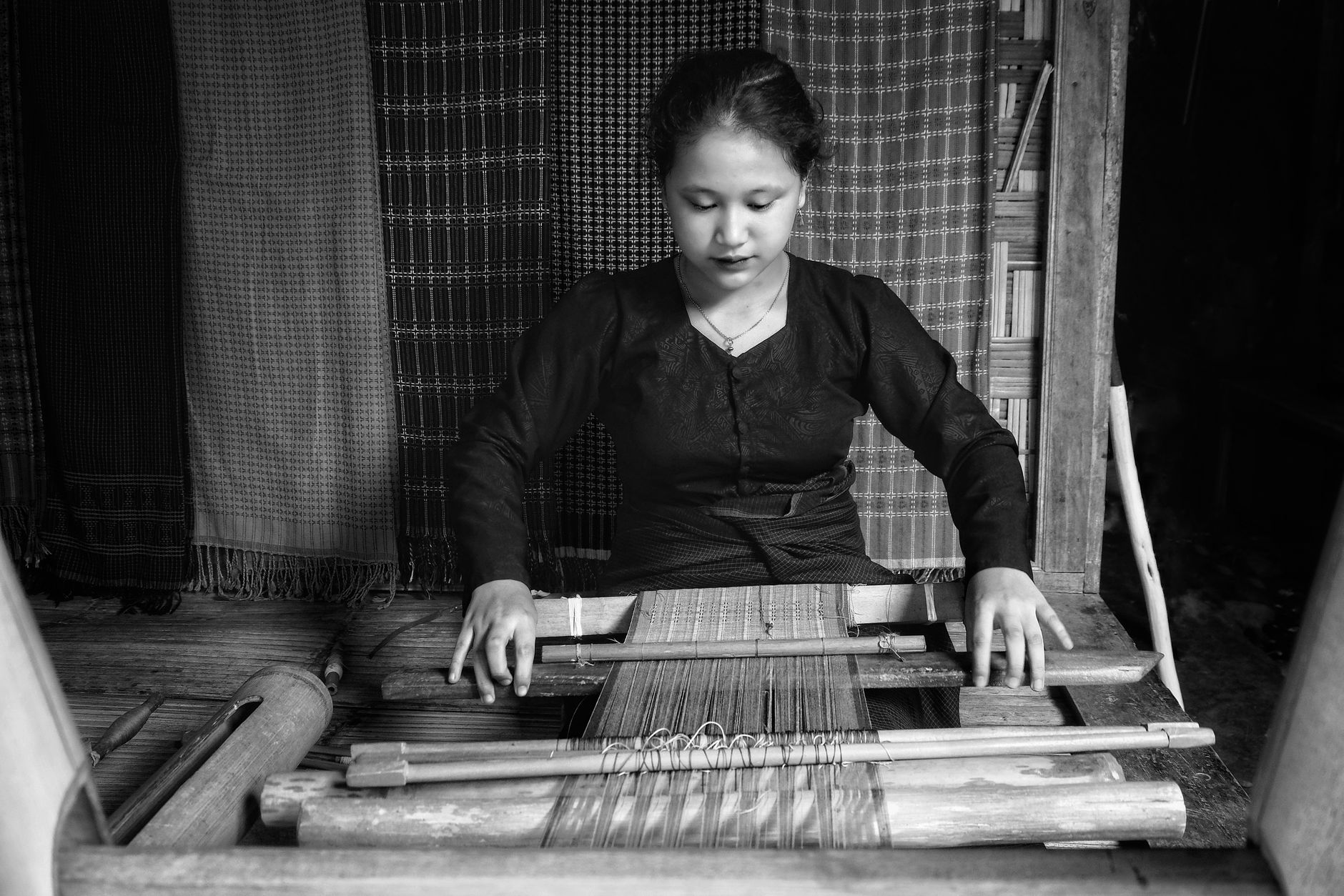
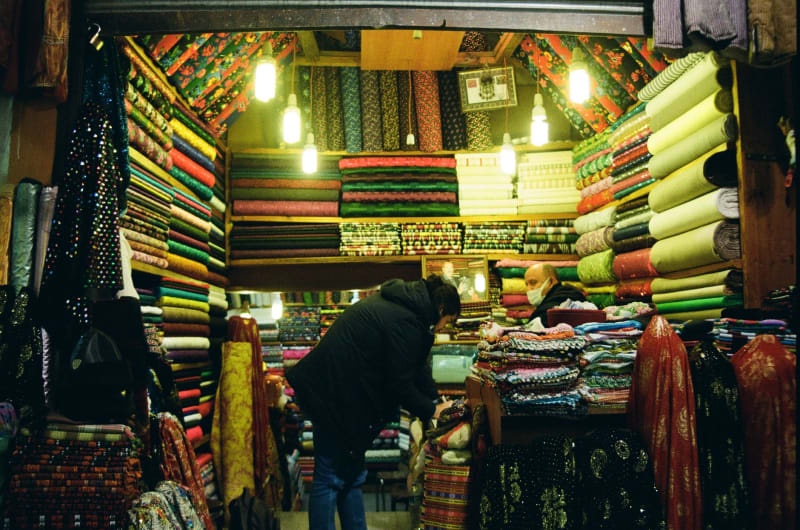
- These women-led enterprises span various sectors, including food production, handicrafts, tailoring, and small-scale trading, demonstrating remarkable adaptability and resourcefulness in a challenging environment.
- Despite facing significant societal barriers, limited access to capital, and an unstable market, these women are becoming critical economic actors, often as the sole breadwinners for their households.
- International and local organizations are providing crucial support through microfinance, business training, and market access initiatives, recognizing the transformative potential of women's economic empowerment.
- The success of these ventures, while vital for survival, highlights the urgent need for a lasting peace and comprehensive economic recovery strategies to alleviate the immense suffering across Yemen.
The Human Face
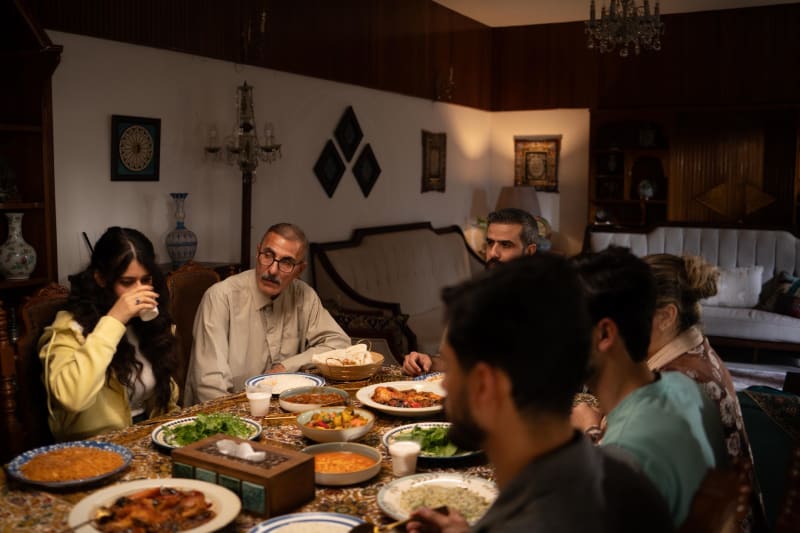
In the heart of Yemen's ongoing catastrophe, women like Fatima stand as beacons of unwavering resilience. With her husband's income obliterated by the war, Fatima transformed her culinary skills into a burgeoning home-based catering business. Each day, she meticulously prepares traditional Yemeni dishes, the aroma of spices wafting through her modest home, drawing in customers who appreciate both the quality and the story behind her efforts. Her small enterprise is not merely a source of income; it is the sole lifeline for her five children, ensuring they have food on the table and a semblance of normalcy in a world turned upside down. Her determination is a testament to the profound strength and adaptability of Yemeni women facing unimaginable adversity.
Across the fractured landscape of Yemen, countless women share Fatima's plight and her entrepreneurial spirit. From crafting intricate handicrafts that preserve cultural heritage to operating small tailoring shops or selling produce in local markets, these women are redefining their roles within society out of sheer necessity. They navigate power outages, fuel shortages, and a collapsed banking system, yet they persist. Their stories are not just about survival; they are about reclaiming agency and dignity in a conflict that has stripped so much away. Each successful transaction, each satisfied customer, represents a small victory against the overwhelming odds.
The profound impact of these individual efforts ripples through entire communities. As men increasingly struggle to find work or are displaced by conflict, women have stepped into the void, becoming primary economic providers. This shift, while born of tragedy, is subtly reshaping social dynamics and challenging traditional gender roles. The economic contributions of these women are not only sustaining families but also injecting a vital, albeit fragile, pulse into local economies. Their courage and innovation underscore a powerful narrative of self-reliance amidst a crisis that threatens to consume all hope.
How We Got Here
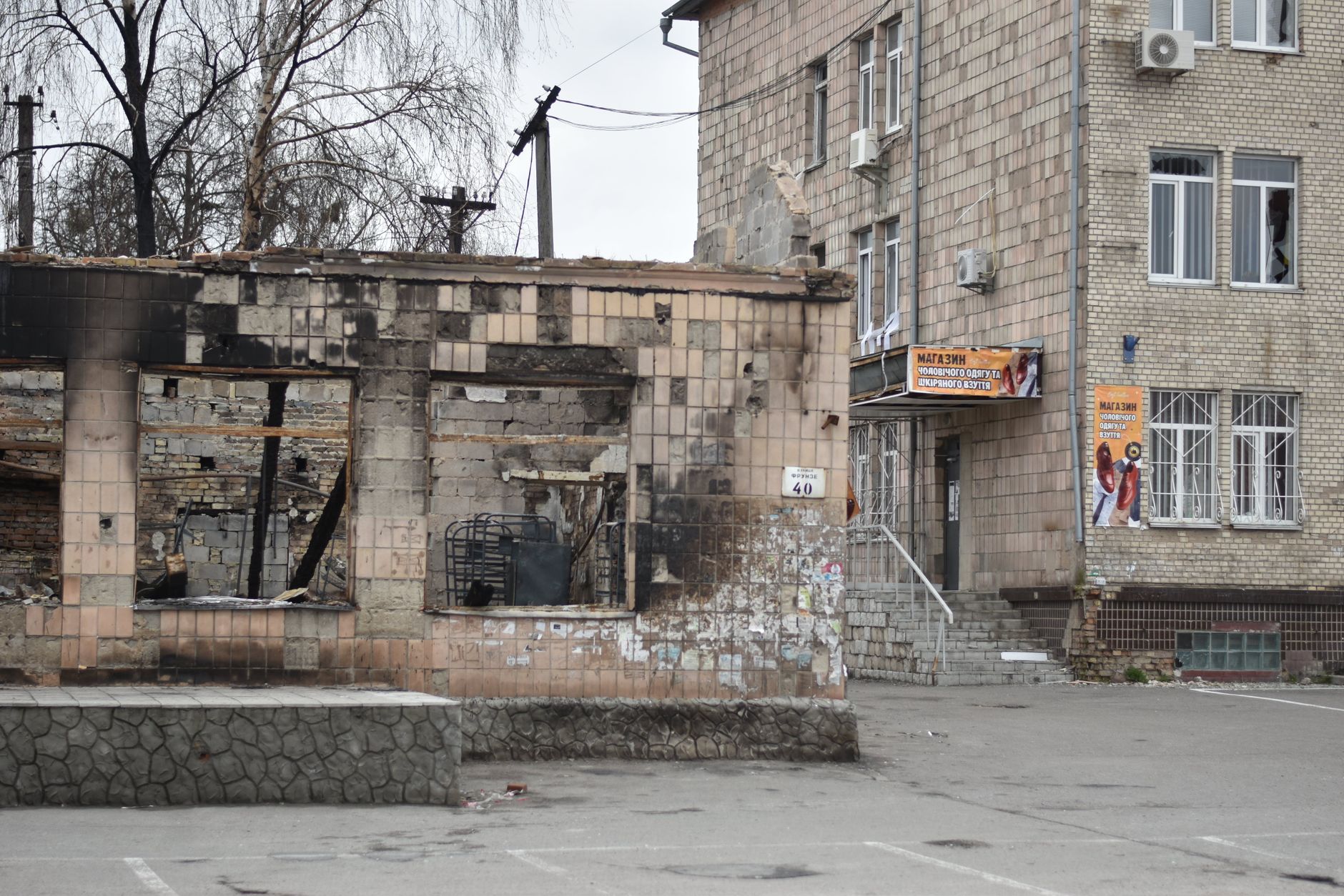
Yemen's current economic devastation is a direct consequence of nearly a decade of brutal conflict, which began in earnest in 2014. The war has systematically dismantled the nation's infrastructure, paralyzed its institutions, and shattered its productive capacity. Critical ports, roads, and factories have been damaged or destroyed, severely disrupting supply chains and trade. This relentless destruction has led to a catastrophic decline in GDP, massive job losses, and a complete erosion of public services, leaving millions reliant on humanitarian aid for mere survival. The conflict has transformed a once-struggling but functional economy into a humanitarian disaster zone.
Before the conflict, Yemen was already the poorest country in the Arab world, heavily dependent on oil revenues and international assistance. The war exacerbated these vulnerabilities exponentially. The collapse of the national currency, the Yemeni Rial, has led to hyperinflation, making basic necessities unaffordable for the vast majority of the population. Furthermore, the fragmentation of governance and the emergence of multiple de facto authorities have created a chaotic economic environment, characterized by arbitrary taxes, blockades, and a lack of consistent economic policy, further stifling any potential for recovery or stability.
The prolonged conflict has also triggered a severe humanitarian crisis, with widespread food insecurity, a crumbling healthcare system, and limited access to clean water. This dire situation has disproportionately affected women and children, who often bear the brunt of economic hardship and displacement. As traditional male employment opportunities have vanished, women have been compelled to seek alternative income sources, often through informal and precarious means. This shift marks a significant departure from pre-conflict societal norms, highlighting the profound and often overlooked socio-economic transformations occurring within Yemen.
Why This Cannot Be Ignored
The burgeoning role of Yemeni women in enterprise is not merely a heartwarming tale of individual resilience; it is a critical indicator of the nation's survival. Ignoring their contributions means overlooking the primary mechanism by which countless families are staving off starvation and destitution. These women are not just earning an income; they are maintaining social fabric, preserving dignity, and preventing an even deeper collapse into humanitarian catastrophe. Their efforts, though often small in scale, collectively represent a vital, grassroots economic resistance against overwhelming odds, and without sustained support, this fragile lifeline could easily snap.
Furthermore, the empowerment of women through economic activity has far-reaching implications beyond immediate financial relief. It challenges entrenched gender inequalities, fosters greater autonomy, and can lay the groundwork for a more inclusive and equitable society post-conflict. By investing in women entrepreneurs, the international community is not just providing aid; it is investing in human capital and the long-term stability and recovery of Yemen. Neglecting this opportunity would mean missing a chance to build a more resilient future, perpetuating cycles of poverty and vulnerability for generations to come.
The global community has a moral imperative to address the multifaceted crisis in Yemen, and supporting women's economic initiatives is a tangible, effective way to do so. Their entrepreneurial spirit demonstrates that even in the darkest times, there is potential for self-sufficiency and growth. However, this potential can only be fully realized with targeted interventions, including access to microfinance, business training, and secure market linkages. Without these crucial supports, the incredible efforts of Yemeni women risk being undermined by the very systemic failures that forced them into these roles, leading to further despair and instability in an already fractured nation.
Possible Paths Forward
To genuinely support Yemeni women entrepreneurs and bolster the nation's fragile economy, a multi-pronged approach is essential. Firstly, expanding access to microfinance and small business loans is paramount. Traditional banking systems are largely defunct, making it nearly impossible for women to secure the capital needed to start or expand ventures. International organizations and NGOs must scale up programs that provide accessible, low-interest loans, coupled with financial literacy training, to empower women to manage their finances effectively and invest in their businesses. This direct injection of capital can catalyze growth and create ripple effects within local economies.
Secondly, robust business development services and vocational training programs are critically needed. Many women possess inherent skills but lack formal business acumen in areas like marketing, inventory management, and digital literacy. Providing workshops and mentorship tailored to the Yemeni context can significantly enhance their entrepreneurial capabilities, making their businesses more sustainable and competitive. Furthermore, vocational training in high-demand sectors can diversify their income streams and equip them with new skills, ensuring they can adapt to evolving market needs and opportunities.
Finally, creating and strengthening market linkages, both local and international, is crucial for the long-term viability of these enterprises. This includes facilitating access to raw materials, establishing safe and accessible market spaces, and exploring digital platforms for sales. For certain products, connecting Yemeni women entrepreneurs with international markets could provide significant revenue streams and exposure. Concurrently, advocating for a stable political environment and an end to the conflict remains the ultimate path forward, as sustained economic recovery is inextricably linked to peace and the restoration of functional state institutions.
Questions People Are Actually Asking
What to Watch
- The trajectory of peace negotiations: Any progress towards a lasting ceasefire and political settlement will directly impact economic stability, currency value, and the overall operating environment for businesses.
- Fluctuations in humanitarian aid and development funding: Sustained international support, particularly for economic empowerment programs, will be crucial for the continued growth and resilience of women-led enterprises.
- The stability of the Yemeni Rial and inflation rates: Continued currency depreciation and hyperinflation will erode purchasing power and make business planning incredibly challenging, directly affecting the viability of small ventures.
- Changes in access to essential services: Monitoring improvements or deteriorations in electricity supply, fuel availability, and transportation infrastructure will indicate the ease or difficulty of conducting business across the country.
- Evolving social dynamics and gender roles: Observe how women's increased economic participation continues to reshape societal norms and whether this leads to greater recognition and support for their entrepreneurial efforts.
- The expansion of microfinance and business training initiatives: Track the reach and effectiveness of programs designed to provide capital and skills to women, as these are direct indicators of support for their economic agency.














Comments
No comments yet. Be the first to comment!