


The Story in Brief
- Federal Reserve Chairman Kevin Warsh delivered his semiannual Monetary Policy Report to Congress, outlining the current economic landscape and the Fed's strategic responses.
- The testimony highlighted persistent inflationary pressures, which continue to challenge economic stability and consumer purchasing power across various sectors.
- Warsh emphasized the delicate balance the Federal Reserve must strike between controlling inflation and supporting sustainable economic growth, a task made more complex by global uncertainties.
- Key discussions revolved around the impact of rising interest rates on housing markets, business investment, and the overall labor market, with a focus on potential ripple effects.
- The report underscored the importance of fiscal policy coordination with monetary policy to achieve optimal economic outcomes, suggesting a need for a unified approach from policymakers.
- Chairman Warsh also touched upon the resilience of the U.S. financial system, despite facing significant headwinds, attributing it to robust regulatory frameworks and ongoing stress tests.
The Human Face
For the average American family, the Federal Reserve's monetary policy decisions, as articulated by Chairman Warsh, translate directly into their daily financial realities. Inflation, a central theme of the report, means that the cost of groceries, gasoline, and housing continues to climb, eroding the purchasing power of hard-earned wages. This relentless increase in living expenses forces households to make difficult choices, often sacrificing discretionary spending or delaying major purchases like a new car or home. The testimony underscores that these aren't abstract economic figures; they represent tangible struggles for millions grappling with a tighter budget and an uncertain financial future.
Small business owners, the backbone of local economies, also feel the immediate impact of these policies. Rising interest rates, a tool used to combat inflation, make it more expensive to borrow capital for expansion, inventory, or even day-to-day operations. This can stifle growth, limit job creation, and even lead to difficult decisions regarding staffing levels. The report's emphasis on financial stability, while crucial for the broader economy, often overlooks the granular challenges faced by entrepreneurs trying to navigate a volatile economic environment where every percentage point increase in borrowing costs can significantly affect their bottom line and viability.
Moreover, the labor market, while showing signs of resilience, presents a mixed picture. While unemployment rates may remain low, the quality of jobs, wage growth relative to inflation, and job security are pressing concerns for many workers. Chairman Warsh's report, by detailing the broader economic conditions, implicitly highlights the anxieties of individuals seeking stable employment that offers a living wage and opportunities for advancement. The human face of monetary policy is one of constant adaptation, where families and businesses must continually adjust their strategies to cope with the evolving economic landscape shaped by the Federal Reserve's powerful decisions.
How We Got Here
The current economic juncture, as detailed in Chairman Warsh's testimony, is the culmination of several years of unprecedented global and domestic events. The initial shock of the pandemic in early 2020 triggered massive fiscal stimulus packages and ultra-accommodative monetary policies, including near-zero interest rates and extensive quantitative easing. These measures were designed to prevent a deeper economic collapse and support recovery, injecting trillions of dollars into the economy. While successful in averting a catastrophe, these policies also laid the groundwork for the inflationary pressures we are now experiencing, as demand surged against constrained supply chains.
Following the initial recovery, persistent supply chain disruptions, exacerbated by geopolitical tensions and labor shortages, prevented the rapid rebalancing of supply and demand. This created a fertile environment for inflation to take root and accelerate, moving beyond transient factors to become more embedded in the economic system. The Federal Reserve, initially viewing inflation as 'transitory,' eventually pivoted to a more aggressive stance, initiating a series of rapid interest rate hikes in an effort to cool the economy and bring price stability back into equilibrium. This shift marked a significant departure from the easy money policies of the preceding years, signaling a new era of tighter credit conditions.
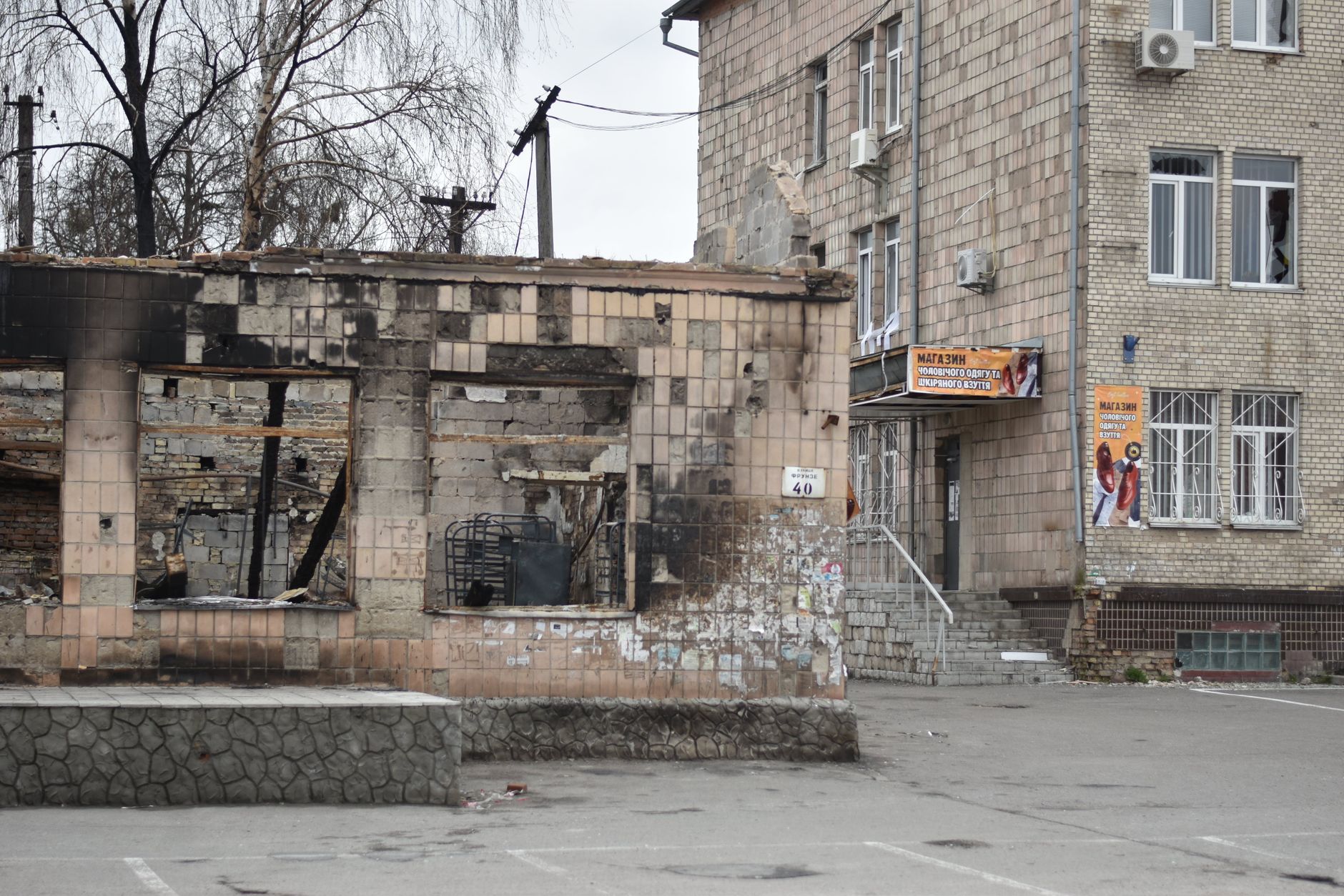
Furthermore, the global economic landscape has played a significant role. The war in Ukraine, for instance, has driven up energy and food prices worldwide, adding another layer of complexity to domestic inflation challenges. International trade dynamics, currency fluctuations, and the interconnectedness of financial markets mean that domestic monetary policy cannot operate in a vacuum. Chairman Warsh's report implicitly acknowledges these intricate global linkages, highlighting how external shocks can quickly propagate through the U.S. economy, making the Fed's task of managing inflation and growth considerably more challenging than in previous cycles.
Why This Cannot Be Ignored
Chairman Warsh's testimony on the Monetary Policy Report is not merely an academic exercise; it provides a critical roadmap for the nation's economic future. Ignoring these insights would be akin to navigating a storm without a compass. The decisions made by the Federal Reserve, based on the economic data and projections presented in this report, directly influence the cost of borrowing for homes, cars, and business investments. A misstep in policy could either plunge the economy into a deep recession, causing widespread job losses, or allow inflation to spiral out of control, severely eroding the purchasing power of every dollar earned by American citizens. The stakes are incredibly high, impacting every household and enterprise.
The report's emphasis on financial stability is particularly crucial in an era marked by increasing global economic volatility and interconnectedness. A fragile financial system, left unchecked, could trigger cascading failures that extend far beyond national borders, as witnessed during the 2008 financial crisis. Warsh's insights into the resilience of the banking sector and potential vulnerabilities serve as an early warning system, allowing policymakers, investors, and the public to anticipate and mitigate risks. Understanding these dynamics is essential for safeguarding not just individual portfolios but the entire economic infrastructure against unforeseen shocks and systemic threats.
Moreover, the long-term implications of current monetary policy decisions on wealth distribution and social equity cannot be overstated. Persistent inflation disproportionately harms low-income households, who have fewer assets to hedge against rising costs and are more sensitive to price increases in essential goods. Conversely, aggressive rate hikes, while necessary to curb inflation, can slow economic growth and job creation, affecting those seeking employment or career advancement. The report, therefore, is a vital document for understanding how economic policies shape societal outcomes, making it imperative for citizens and elected officials to engage with its findings and advocate for policies that promote broad-based prosperity and stability.
Possible Paths Forward
One primary path forward for the Federal Reserve, as implied by Chairman Warsh's testimony, involves a continued commitment to data-dependent monetary policy adjustments. This means closely monitoring key economic indicators such as inflation rates, employment figures, and wage growth, and adjusting interest rates accordingly. If inflation proves more stubborn than anticipated, the Fed may need to maintain a restrictive stance for longer, potentially even implementing further rate hikes. Conversely, if economic growth shows significant signs of weakening or if inflation rapidly cools, the Fed could consider pausing or even reversing its tightening cycle to avoid an unnecessary recession. This agile approach aims to strike a delicate balance between price stability and maximum sustainable employment.
Another crucial path involves enhanced coordination between monetary and fiscal policy. While the Federal Reserve manages interest rates and the money supply, Congress and the Administration control government spending and taxation. Disjointed policies, such as aggressive fiscal spending alongside tight monetary policy, can create conflicting signals and undermine overall economic stability. Chairman Warsh's report implicitly calls for a more synchronized approach, where fiscal measures complement the Fed's efforts to achieve economic goals. This could involve targeted fiscal interventions to address supply-side constraints or structural issues, rather than broad-based stimulus that could exacerbate inflationary pressures.
Finally, the Federal Reserve must also consider the broader global economic context and its impact on domestic policy. As Warsh's testimony often highlights, the U.S. economy does not operate in isolation. Geopolitical events, global supply chain dynamics, and the monetary policies of other major central banks all influence the American economic landscape. A forward-looking path would involve closer international cooperation and a clear communication strategy to manage expectations and minimize global financial volatility. This might include coordinated efforts with other central banks to address shared challenges like global inflation or financial market instability, ensuring that domestic policy decisions are made with a comprehensive understanding of their international ramifications.

Questions People Are Actually Asking
What to Watch
- Closely monitor upcoming inflation reports, particularly the Consumer Price Index (CPI) and Personal Consumption Expenditures (PCE) data, as these will directly influence the Federal Reserve's next policy moves.
- Keep an eye on the labor market statistics, including unemployment rates, job growth figures, and wage inflation, as a significant weakening could prompt the Fed to reconsider its aggressive tightening stance.
- Observe global geopolitical developments, especially those impacting energy and commodity prices, as external shocks can quickly alter the domestic economic outlook and complicate the Fed's efforts.
- Pay attention to the Federal Reserve's official statements and minutes from Federal Open Market Committee (FOMC) meetings for any shifts in language or projections regarding future interest rate paths.
- Track consumer spending and business investment trends, as these indicators reflect underlying economic health and confidence, providing crucial insights into the effectiveness of current monetary policies.
- Watch for any signs of stress in the financial system, such as banking sector stability or credit market conditions, which could signal broader economic vulnerabilities and necessitate policy adjustments.












Comments
No comments yet. Be the first to comment!