
Key Takeaways
- The 2026 PGA Championship at Aronimink Golf Club commenced with an unprecedented and highly unusual opening tee shot, immediately setting a dramatic and unpredictable tone for the entire tournament.
- A veteran golfer, whose identity remains undisclosed, hit a wildly errant shot on the first hole, missing the fairway entirely and landing deep within the gallery, sparking immediate concern and confusion among spectators.
- This shocking start has raised significant questions about player preparedness, the pressure of major championships, and the potential for such an incident to influence the mental game of competitors throughout the event.
- Aronimink's challenging course layout and historical reputation for demanding precision are now under an even brighter spotlight, with this opening shot highlighting the fine margins between success and failure in professional golf.
- Tournament officials and medical staff swiftly responded to ensure spectator safety and assess the situation, underscoring the robust safety protocols in place for major sporting events of this magnitude.
- The incident has ignited a fervent debate among golf commentators and fans regarding the psychological impact of such a start, with many speculating on how it might affect both the player involved and the overall competitive atmosphere.
Background
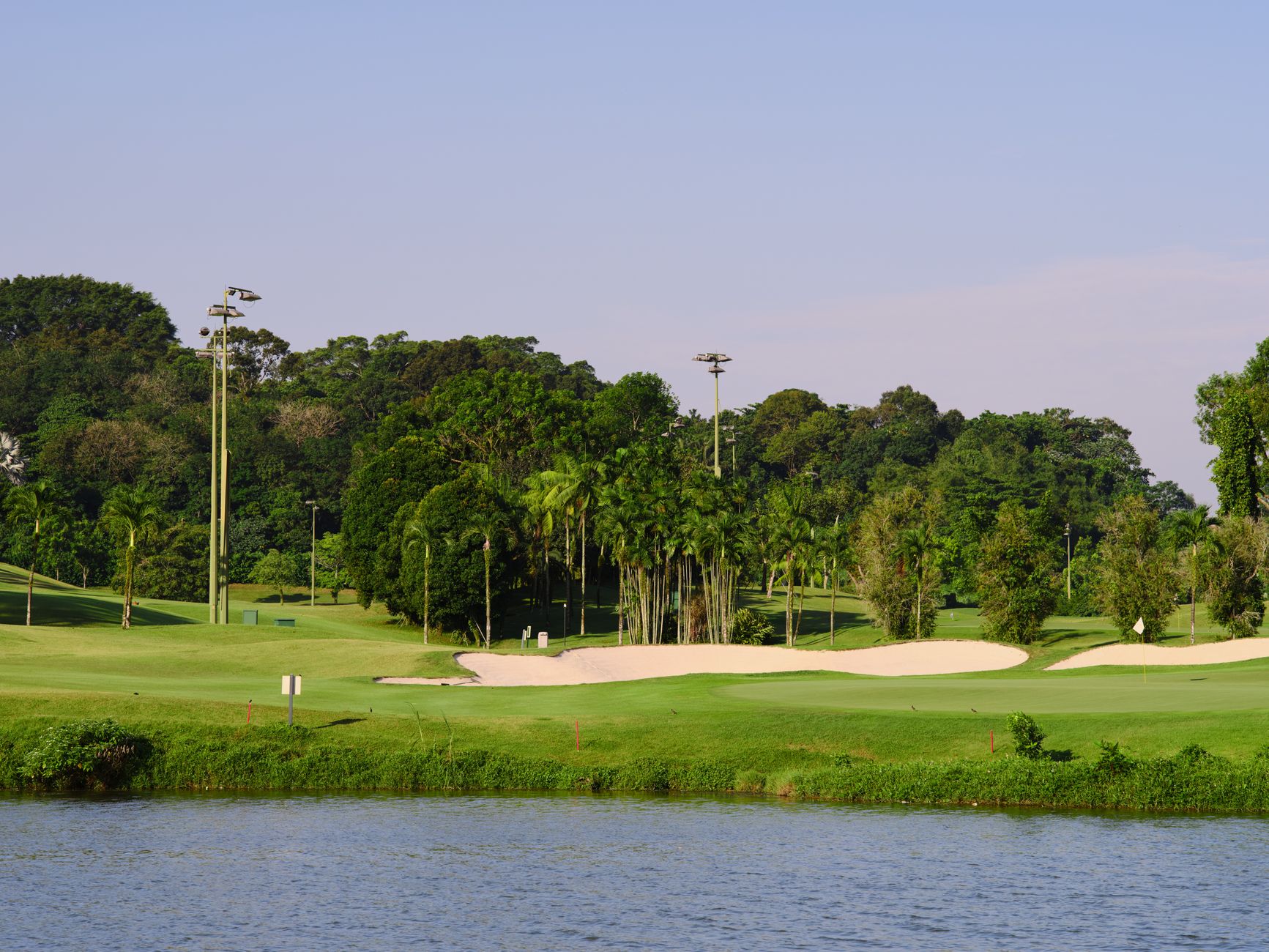
The 2026 PGA Championship, one of golf's four major tournaments, has officially teed off at the prestigious Aronimink Golf Club in Newtown Square, Pennsylvania. This marks a highly anticipated return for a major championship to Aronimink, a course steeped in history and renowned for its challenging design and immaculate conditions. The club has previously hosted numerous significant events, including the PGA Championship in 1962, the U.S. Open, and several professional tour events, solidifying its reputation as a true test of golf. Expectations were incredibly high for a spectacular opening, with fans eager to witness the world's best golfers navigate its notoriously difficult fairways and greens.
Aronimink's selection as a major championship venue is a testament to its enduring quality and the meticulous preparation undertaken by the club and the PGA of America. The course, originally designed by Donald Ross, has undergone strategic enhancements over the years to maintain its relevance and challenge for the modern game, while preserving its classic architectural integrity. These preparations typically involve extensive agronomy work, course conditioning, and logistical planning to accommodate tens of thousands of spectators, media, and players. The club's leadership and the tournament organizers had expressed immense pride and confidence in their readiness to host an event of this magnitude, promising an unforgettable experience for all involved.
The atmosphere leading up to the opening round was electric, with perfect weather conditions and a massive crowd gathered around the first tee, buzzing with anticipation. Spectators had arrived early, eager to catch a glimpse of their favorite players and soak in the unique energy of a major championship. The first group, featuring a seasoned veteran whose name has not yet been officially released, stepped onto the tee box to a roar of applause. All eyes were on this initial shot, traditionally a moment of ceremonial significance and a symbol of the tournament's official commencement. No one could have predicted the dramatic turn of events that would unfold in those opening seconds.
Why It Matters
An opening shot of this nature at a major championship is far more than a mere miscue; it sends immediate ripples through the entire tournament, potentially altering the psychological landscape for every competitor. For the player involved, it's an immediate, high-pressure test of mental fortitude, forcing them to regroup and recover under intense scrutiny. The ability to shake off such a visible and public error on the very first swing of a major can define a player's tournament, or even their season. It's a stark reminder that even the world's best are susceptible to the immense pressure that accompanies golf's grandest stages.
Beyond the individual, this incident injects an immediate layer of unpredictability and drama into the entire event. It reminds both players and fans that no lead is safe, and no shot is guaranteed, even from the most accomplished professionals. This kind of early shock can either galvanize a field, inspiring others to play more cautiously or, conversely, create a more aggressive, 'anything can happen' mentality. It also puts the course itself under an immediate microscope, prompting questions about the difficulty of the opening hole and whether it truly sets a fair tone for the championship.
Furthermore, the safety implications of an errant shot into the gallery are paramount. While thankfully no serious injuries were reported, such an incident underscores the critical importance of spectator safety protocols at major sporting events. It prompts a review of crowd control, gallery positioning, and the effectiveness of marshal communication, ensuring that fans can enjoy the spectacle without undue risk. This event serves as a potent reminder that while golf appears serene, the power and trajectory of a golf ball can pose a significant hazard, demanding constant vigilance from both organizers and spectators alike.
Ground Reality
The atmosphere on the first tee was initially one of palpable excitement, quickly turning to stunned silence as the ball veered wildly off its intended trajectory. Instead of soaring down the center of the fairway, it hooked violently left, sailing over the ropes and deep into the dense crowd gathered along the left side of the hole. Gasps rippled through the gallery, followed by a flurry of activity as marshals and security personnel rushed to the area to assess the situation. The player, visibly shaken, immediately signaled for assistance and began walking towards the impact zone, a picture of disbelief etched on his face. This was not the majestic start everyone had envisioned for the 2026 PGA Championship.
Thankfully, initial reports from the scene indicate that no serious injuries occurred, a testament to the quick reactions of both spectators and marshals. One spectator reportedly sustained a minor bruise, but was otherwise unharmed and in good spirits, even managing to retrieve the errant ball as a unique souvenir. The player, after confirming the safety of those in the gallery, was allowed to take a drop and continue his round, albeit with a significant penalty. This immediate recovery effort, while effective, did cause a brief delay in play, adding to the tension and drawing further attention to the dramatic opening. The incident served as a stark reminder of the inherent risks when powerful golf shots meet large crowds.
The course conditions at Aronimink are pristine, but the opening hole, a challenging par-4, demands a precise tee shot to avoid the heavily wooded areas flanking both sides of the fairway. The pressure of hitting the first shot of a major championship, combined with the sheer difficulty of the hole, likely contributed to the player's uncharacteristic error. The incident has already become the dominant talking point among players, caddies, and media, overshadowing early birdies and solid starts. It's a vivid illustration of how quickly fortunes can turn and how the mental game is as crucial as the physical one in professional golf, especially on a stage as grand as the PGA Championship.
What Experts Are Saying
Golf analysts are unanimous in their assessment that this wild opening shot will have a profound psychological impact, not just on the player who hit it, but potentially on the entire field. "This isn't just a bad shot; it's a statement," remarked veteran golf commentator Jim Nantz on the live broadcast. "It immediately tells every player out there that Aronimink demands absolute respect and that the pressure of a major can get to anyone, regardless of their experience. It's a wake-up call for everyone." Many experts believe that such an early, high-profile mistake can either rattle a player for the rest of the week or, conversely, provide a strange sort of liberation, allowing them to play without the burden of perfection.
Former PGA Tour professional and current analyst, Paul Azinger, emphasized the mental battle ahead. "Recovering from that kind of start, especially on the first hole of a major, is one of the toughest tests in golf," Azinger stated. "You're immediately playing catch-up, not just on the scorecard, but in your own head. The key will be how quickly he can compartmentalize that moment and focus on the next shot, the next hole. If he lets it fester, it could be a very long week." This sentiment is echoed across the punditry, highlighting that the true measure of a champion often lies in their ability to bounce back from adversity, particularly when it strikes so unexpectedly and publicly.
Course architect and golf course design expert, Tom Doak, offered a different perspective, focusing on Aronimink's design. "While the shot was clearly an anomaly, it underscores the strategic challenge of Aronimink's first hole," Doak explained. "It's not a gentle opener; it demands precision from the very start. Perhaps this incident will prompt a closer look at the initial setup for major championships, ensuring that the first hole, while challenging, doesn't immediately put players in an overly punitive position. However, it's also a reminder that golf is a game of skill, and even the best can falter under pressure, regardless of the course's layout." This nuanced view suggests that while player error is central, the course's design contributes to the overall narrative.
Frequently Asked Questions
What Happens Next
The tournament will, of course, continue, but the shadow of this dramatic opening shot will undoubtedly linger over the early rounds. All eyes will be on the player involved, tracking his performance and assessing his ability to recover from such a jarring start. His subsequent holes will be scrutinized for any signs of lingering mental impact, and his resilience will be a major storyline. Furthermore, the incident will likely spark internal discussions among tournament organizers and the PGA of America regarding spectator safety and course setup, ensuring that all possible measures are in place to prevent similar occurrences while maintaining the excitement of the event.
Beyond the immediate aftermath, this event will become a significant talking point throughout the championship, shaping narratives and influencing commentary. Golf fans and media will be debating the psychological toll, the 'what-ifs,' and how this early drama might impact the overall trajectory of the tournament. It's a stark reminder that major championships are not just about perfect swings and low scores; they are also about navigating immense pressure and unexpected challenges. This incident has already ensured that the 2026 PGA Championship at Aronimink will be remembered for its unforgettable, albeit wild, beginning.
As the first groups complete their rounds, the focus will shift to the leaderboard and the players who manage to navigate Aronimink's challenges with precision and composure. However, the memory of that opening shot will serve as a constant backdrop, a vivid illustration of the fine line between triumph and tribulation in professional golf. It underscores the unpredictable nature of the sport and the intense pressure that even the most seasoned professionals face on the biggest stage. The 2026 PGA Championship has certainly started with a bang, setting a precedent for what promises to be a captivating and perhaps tumultuous week of golf.






Comments
No comments yet. Be the first to comment!