
The Numbers
- Spain's Women's National Team secured their first-ever FIFA World Cup title, marking a historic milestone for Spanish football and a moment of immense national pride.
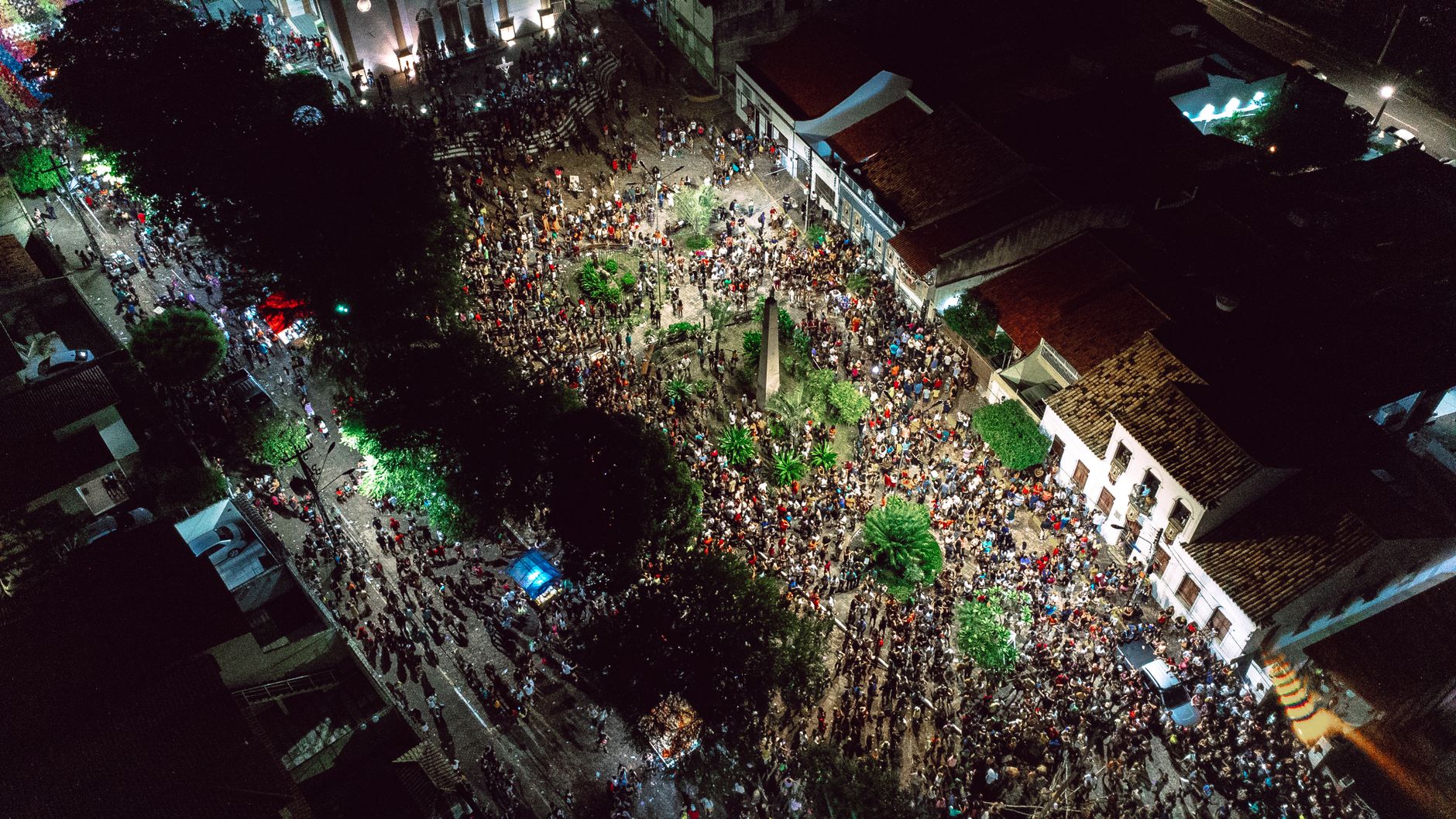
- The celebration event in Madrid drew an estimated crowd of over 100,000 jubilant fans, eager to witness their champions return home and share in their triumph.
- Former President Donald Trump, aged 80, made an unexpected appearance, reportedly without a formal invitation from the Spanish Football Federation or government officials.
- Social media engagement surrounding the event saw a dramatic shift, with initial celebratory posts quickly being overtaken by discussions and criticisms of Trump's presence.
- Reports indicate that at least three high-ranking Spanish officials expressed 'surprise' and 'discomfort' regarding the former President's unscheduled participation in the official proceedings.
- The incident has sparked an international debate concerning diplomatic protocols and the appropriate boundaries for public figures at national celebratory events, particularly those with no direct affiliation.
Context Check
The Spanish Women's National Team had just achieved a monumental victory, clinching their first-ever FIFA World Cup title. This triumph was not merely a sporting success but a profound moment of national unity and pride, celebrated across Spain with immense fervor. The team's journey to the top was arduous, overcoming significant challenges and internal disputes, making their victory even more poignant and meaningful for the players, staff, and millions of fans. The planned celebration in Madrid was intended to be a joyous occasion, a pure expression of national pride, focusing solely on the athletes and their historic accomplishment.
Against this backdrop of pure sporting jubilation, the unexpected appearance of former President Donald Trump, an 80-year-old figure with no official role or invitation, introduced an entirely unforeseen element. His presence immediately shifted the narrative, diverting media attention and public discourse away from the athletes and their achievements. This intrusion was particularly jarring given the highly politicized nature of Trump's public persona and his history of commanding headlines, regardless of the event's original focus. The contrast between the team's hard-won, apolitical victory and the sudden injection of a prominent political figure was stark and undeniable.
The incident has ignited a broader discussion about the boundaries of public figures and the sanctity of national celebrations. When an event is designed to honor specific achievements and individuals, the uninvited presence of a high-profile personality can inadvertently, or perhaps intentionally, hijack the spotlight. This raises questions about respect for protocol, the motivations behind such appearances, and the potential for political figures to leverage non-political events for their own visibility. The Spanish World Cup celebration, a moment of pure national joy, became a case study in how quickly such moments can be complicated by external, uninvited influences.
Background
Spain's Women's National Team made history by winning the FIFA Women's World Cup, a monumental achievement that sparked widespread celebrations across the nation. The victory was the culmination of years of dedication, overcoming significant challenges both on and off the pitch, including a highly publicized dispute between players and the national federation. This triumph transcended sports, becoming a symbol of resilience, unity, and the growing prominence of women's football globally. The team's return to Madrid was met with an outpouring of national pride, with hundreds of thousands of fans gathering to welcome their champions.
The official celebration was meticulously planned to honor the players and their coaching staff, focusing on their incredible journey and success. It was designed as an apolitical event, a moment for the entire nation to unite in joy and recognition of their sporting heroes. The itinerary included a parade through the city, speeches from team captains and coaches, and a public reception, all intended to keep the focus squarely on the athletes. The expectation was that this would be a pure, unadulterated celebration of a historic sporting achievement, free from any external distractions or political overtones.
However, the festive atmosphere took an unexpected turn with the unannounced appearance of former President Donald Trump. His presence, reportedly without an official invitation or prior coordination with Spanish authorities, immediately created a stir. Eyewitness accounts and subsequent media reports confirmed that his arrival was not part of the planned program, leading to confusion and visible discomfort among some officials and attendees. This unforeseen development quickly shifted the narrative from a purely sporting triumph to a broader discussion about the propriety and implications of an uninvited, high-profile political figure interjecting themselves into a national celebration.
Winners and Losers
The undeniable winners in this scenario are the Spanish Women's National Team. Despite the unexpected distraction, their historic FIFA World Cup victory remains an indelible achievement, a testament to their skill, perseverance, and teamwork. They brought immense pride to their nation and inspired countless individuals worldwide. Their legacy as champions is cemented, and no external event can diminish the significance of their on-field triumph. Their victory will be remembered for generations, marking a pivotal moment in the history of women's sports and Spanish national identity. The team's resilience in the face of various challenges, including this unexpected one, only further highlights their strength and focus.
The primary losers in this incident are arguably the Spanish people and the spirit of the celebration itself. What should have been an unblemished moment of national unity and pure joy, focused solely on the athletes, was partially overshadowed and diverted. The intrusion introduced an element of political controversy and distraction, diluting the collective experience for many who simply wanted to celebrate their team's success. The focus shifted, even momentarily, from the players' incredible journey to the unexpected presence of a political figure, which, for many, felt like an unwelcome hijacking of a sacred national moment. This detracted from the intended purity of the celebration.
From a public relations standpoint, former President Trump's appearance generated significant media attention, both positive and negative, ensuring his visibility on an international stage. While some of his supporters might view this as a strategic move to maintain relevance, critics widely condemned it as an act of self-promotion that disrespected the host nation and the athletes. The incident sparked a global debate about appropriate conduct at national events, with many arguing that such uninvited appearances undermine the integrity of genuine celebrations. Ultimately, while he gained attention, the cost was a significant backlash and accusations of opportunism, making his 'win' a highly contentious one.
Analyst Perspectives
Political analysts are largely in agreement that former President Trump's uninvited appearance at the Spanish World Cup celebration was a calculated move designed to maintain his global visibility and influence. Dr. Elena Rodriguez, a professor of international relations at Complutense University of Madrid, noted, 'This wasn't an accident. It's a classic Trump maneuver: insert himself into a high-profile, non-political event to command attention and keep himself in the news cycle, regardless of the context. The goal is to remain a central figure on the global stage, even when he holds no official capacity.' This perspective highlights a pattern of behavior observed throughout his public career, emphasizing a strategic approach to media engagement.
Sports commentators and cultural critics have voiced strong disapproval, emphasizing how the incident detracted from the athletes' monumental achievement. Renowned sports journalist Marco Rossi commented, 'This was Spain's moment, a historic triumph for women's football. To have it diluted by an uninvited political figure is a disservice to the players who worked tirelessly for this victory. It steals the spotlight from where it rightfully belongs.' This sentiment underscores the widespread feeling that the sanctity of sporting achievements should be protected from external, self-serving intrusions, allowing the focus to remain purely on athletic excellence and national pride.
Diplomatic experts are examining the broader implications for international protocol and the handling of high-profile individuals at national events. Ambassador Sarah Chen, a former diplomat, stated, 'An uninvited appearance by a former head of state, particularly one with such a polarizing global presence, creates a diplomatic headache. It puts the host nation in an awkward position and can be perceived as disrespectful to national sovereignty and established norms.' This incident serves as a cautionary tale, prompting discussions on how nations might better safeguard their celebratory events from such unexpected and potentially disruptive interventions, ensuring that the focus remains on the intended honorees.

Key Questions Explained
The Outlook
The immediate aftermath of this incident will likely see continued debate and analysis across international media and diplomatic circles. The Spanish government and football federation may face pressure to clarify how such an uninvited appearance occurred and what measures will be taken to prevent similar situations in the future. This event serves as a stark reminder of the challenges in managing high-profile public events, especially when unexpected elements are introduced. The focus will eventually return to the historic achievement of the Spanish Women's National Team, but the shadow of this controversy may linger for some time.
In the longer term, this incident could prompt a re-evaluation of security and protocol procedures for national celebrations globally. Nations hosting major sporting or cultural events might consider implementing more stringent access controls and clearer guidelines for VIPs, both official and unofficial, to safeguard the integrity and purpose of such gatherings. The goal would be to ensure that the focus remains squarely on the honorees and the celebratory spirit, free from political distractions or uninvited intrusions. This could lead to a tightening of international event management standards.
For former President Trump, the incident, while drawing criticism, also achieved its likely objective of generating significant media attention and maintaining his presence in the global spotlight. This pattern of behavior is expected to continue as he navigates his post-presidency and potential future political endeavors. While it may alienate some, it reinforces his brand among his base as a figure who defies conventional norms and commands attention. The broader public will likely continue to grapple with the implications of such actions on traditional diplomatic and social decorum.



Comments
No comments yet. Be the first to comment!