
The Story in Brief
- The International Olympic Committee (IOC) has officially confirmed significant changes to the sports program for the 2030 Winter Olympic Games, aiming to refresh the appeal and competitive landscape of the event.
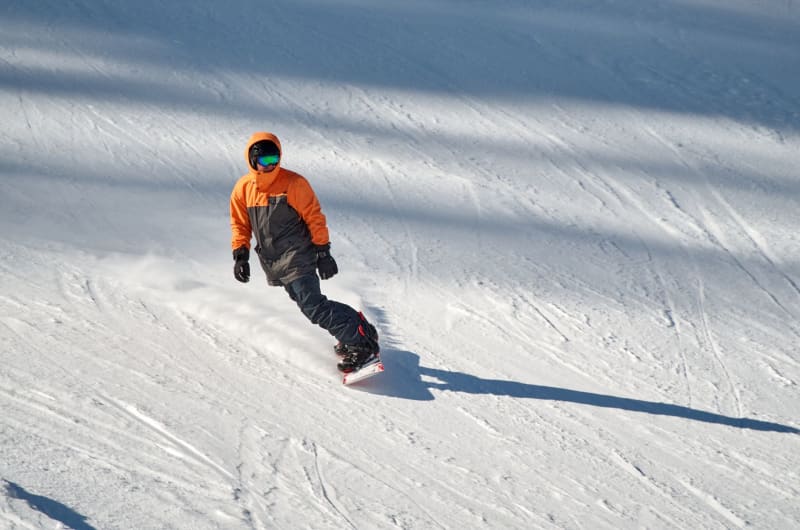
- Two exhilarating new sports, Freestyle Skiing Big Air and Mixed Team Snowboard Cross, have been provisionally approved, promising to bring youthful energy and dynamic competition to the global stage.
- These additions reflect a strategic move by the IOC to attract a broader, younger audience and embrace disciplines that showcase extreme athleticism and innovative techniques.
- In a controversial decision, the traditional discipline of Nordic Combined, a sport with a rich Olympic history, has been removed from the 2030 program, sparking debate and concern among winter sports enthusiasts and federations.
- The removal of Nordic Combined underscores the IOC's ongoing efforts to streamline the Games, manage costs, and ensure each sport aligns with modern viewership trends and global participation rates.
- The changes are part of a larger, ongoing evolution of the Olympic program, which seeks to balance tradition with innovation, ensuring the Games remain relevant and captivating for generations to come.
The Human Face
For athletes like Mikaela Shiffrin, a dominant force in alpine skiing, the introduction of new events like Freestyle Skiing Big Air represents both a potential expansion of opportunities and a shift in the competitive landscape. While she may not compete in these specific disciplines, the broader emphasis on dynamic, visually spectacular sports influences the entire atmosphere of the Games. It means more media attention on high-flying stunts and less on the nuanced endurance of traditional events, potentially impacting funding and development for other disciplines. The human face here is one of adaptation and strategic choices, as athletes and their support teams must consider how these changes ripple through their training regimens and career trajectories.
Conversely, for the dedicated athletes of Nordic Combined, such as Jarl Magnus Riiber, the news of their sport's exclusion is a devastating blow. Years, even decades, of relentless training, sacrifice, and aspiration culminate in the dream of Olympic glory. To have that pathway abruptly removed creates an immense void, forcing a reevaluation of their entire athletic future. This decision impacts not just the elite competitors but also the vast network of coaches, support staff, and junior athletes who look up to them. The human cost is significant, manifesting in shattered dreams, uncertain futures, and a profound sense of loss for a community deeply invested in their sport.
The introduction of Mixed Team Snowboard Cross, on the other hand, brings a surge of excitement and renewed purpose for snowboarders. This format, emphasizing teamwork and head-to-head racing, offers a fresh challenge and a new medal opportunity. Athletes who might have previously specialized in individual events now have the chance to collaborate, fostering a unique team dynamic within a typically individualistic sport. This creates new narratives, new rivalries, and new heroes, injecting a vibrant, collaborative spirit into the Games and offering a more diverse viewing experience for fans who appreciate both individual prowess and synchronized effort.
How We Got Here
The journey to these significant changes in the 2030 Winter Olympics program is rooted in the International Olympic Committee's (IOC) ongoing Agenda 2020+5 recommendations. This strategic roadmap, adopted in 2021, emphasizes flexibility, sustainability, and youth appeal in the Olympic Games. The IOC has been actively seeking ways to modernize the program, ensuring it remains relevant and engaging for a global audience, particularly younger demographics who are increasingly drawn to extreme sports and dynamic, visually appealing competitions. This overarching strategy has driven a thorough review of all Olympic sports, evaluating their global reach, athlete participation, cost-effectiveness, and media appeal, setting the stage for the current modifications.
The specific proposal for these changes originated from the International Ski and Snowboard Federation (FIS), which meticulously presented a case for the inclusion of Freestyle Skiing Big Air and Mixed Team Snowboard Cross. These disciplines have demonstrated growing popularity in World Cup circuits and other major international events, showcasing high levels of athleticism, innovation, and spectator excitement. The FIS argued that these additions would not only refresh the Winter Games' appeal but also better reflect the current trends and evolution within snow sports, attracting new fans and participants. Their detailed submission highlighted the readiness of infrastructure and the global athlete base for these events, making a compelling argument for their inclusion.
Conversely, the decision to remove Nordic Combined was a culmination of several factors, primarily its limited global participation and persistent challenges in achieving gender equality. Despite its historical significance, Nordic Combined has struggled to expand its footprint beyond a handful of European nations, failing to meet the IOC's stringent criteria for global representation. Furthermore, efforts to introduce a women's event have faced considerable hurdles, making it difficult for the sport to align with the IOC's commitment to gender balance across all Olympic disciplines. This difficult but strategic choice reflects the IOC's unwavering commitment to evolving the Games in line with contemporary values and global sporting trends.
Why This Cannot Be Ignored
These changes are not merely minor adjustments to a sporting schedule; they represent a fundamental shift in the Olympic movement's priorities and its vision for the future. The inclusion of dynamic, youth-oriented sports like Freestyle Skiing Big Air and Mixed Team Snowboard Cross signals a clear intent to capture the attention of a younger, digitally native audience. This strategic pivot is crucial for the long-term viability and relevance of the Games, as it directly addresses declining viewership among younger demographics and seeks to inject fresh energy into a venerable institution. Ignoring this trend could lead to a gradual erosion of the Olympic brand's global appeal and cultural significance, making these decisions critical for its continued success.
The removal of Nordic Combined carries profound implications for the sport's survival and its historical legacy. For a discipline with roots deeply embedded in the origins of winter sports, its exclusion from the pinnacle event could severely impact funding, athlete development pathways, and overall public visibility. National federations and aspiring athletes in Nordic Combined now face an existential crisis, needing to find alternative platforms and funding sources to sustain their sport. This decision sets a precedent for how traditional sports might be evaluated and potentially phased out if they do not meet evolving criteria, raising concerns about the balance between tradition and modernization within the Olympic charter.
Beyond the individual sports, these decisions reflect a broader evolution in how major international sporting events are curated and presented. The IOC is actively responding to the demands of a rapidly changing media landscape and audience expectations, where high-octane action, diverse representation, and compelling narratives are paramount. This proactive approach to program development will inevitably influence other multi-sport events and even individual sport federations, pushing them to innovate and adapt. Understanding these shifts is vital for anyone invested in the future of competitive sports, as they dictate where resources are allocated, what narratives are prioritized, and ultimately, which sports thrive on the global stage.
Possible Paths Forward
For the newly included sports, Freestyle Skiing Big Air and Mixed Team Snowboard Cross, the path forward involves rapid integration and optimization within the Olympic framework. This means federations must swiftly develop robust qualification systems, refine judging criteria, and ensure world-class venues are available and prepared. There will be an urgent need to broaden the athlete pool globally, investing in grassroots development programs to foster new talent, especially in regions where these sports are nascent. Furthermore, marketing and promotional efforts will be crucial to build excitement and educate new audiences about the nuances and thrill of these dynamic events, ensuring they make a spectacular debut and leave a lasting impression on viewers worldwide.
For Nordic Combined, the path forward is undoubtedly challenging, requiring a strategic re-evaluation and potentially a radical reinvention of the sport. One possible avenue is to intensify efforts to increase global participation, particularly in non-traditional winter sports nations, perhaps through targeted development programs and partnerships. Crucially, the sport must accelerate its commitment to gender equality, potentially by developing a more accessible and appealing women's format that can gain traction and meet IOC requirements. This might involve innovative event formats or a concerted push to secure inclusion in other major international multi-sport events, demonstrating its continued relevance and competitive viability outside the Olympic sphere.
Looking at the broader Olympic movement, these changes underscore the necessity for all sports to continuously innovate and adapt. Federations of existing Olympic sports should proactively review their disciplines for audience appeal, global reach, and alignment with modern values like sustainability and gender equality. This proactive approach could involve proposing new, exciting formats for existing sports or even considering the integration of entirely new disciplines that resonate with contemporary audiences. The IOC, in turn, must maintain transparency and clear communication regarding its criteria for inclusion and exclusion, providing a predictable framework that allows sports to plan for their long-term future within the Olympic family, fostering a healthy ecosystem of competition and innovation.
Questions People Are Actually Asking
What to Watch
- The development of new qualification pathways and national team selections for Freestyle Skiing Big Air and Mixed Team Snowboard Cross over the next few years. Keep an eye on emerging talents and established stars who might transition to these new Olympic disciplines.
- How the International Ski and Snowboard Federation (FIS) and national federations respond to the removal of Nordic Combined, specifically any new initiatives or strategies they implement to sustain the sport outside of the Olympic program.
- The impact of these program changes on the host city's venue planning and infrastructure development. New events might require specialized facilities or modifications to existing ones, influencing construction timelines and budgets.
- Audience reception and viewership numbers for the new sports during their debut at the 2030 Games. This will be a critical indicator of whether the IOC's strategy to attract younger audiences is successful and sustainable.
- Any further discussions or proposals from the IOC regarding future Olympic program changes, as these decisions often set precedents for how other sports might be evaluated for inclusion or exclusion in subsequent Games.
- The evolution of athlete advocacy and support for Nordic Combined, as athletes and their communities will likely continue to lobby for the sport's return or for alternative high-profile competitive platforms to maintain its visibility.


Comments
No comments yet. Be the first to comment!