

The Story in Brief
- A prominent Indian activist, whose identity remains protected for security reasons, was forcibly hospitalized on the 21st day of a hunger strike, sparking widespread condemnation and renewed calls for governmental transparency.
- The activist's hunger strike was initiated to demand greater accountability from the Indian government regarding various public grievances and alleged corruption, drawing significant public attention and support.
- Reports indicate that authorities intervened due to severe health deterioration, citing concerns for the activist's life, though critics argue this was a move to suppress dissent and silence a powerful voice.
- This incident has ignited a fierce debate across India concerning the right to protest, the state's role in managing public demonstrations, and the ethical boundaries of intervention in non-violent activism.
- Supporters and human rights organizations have denounced the forced hospitalization as an infringement on fundamental rights, emphasizing the need for dialogue over coercion in a democratic society.
- The activist's legal team is reportedly exploring options to challenge the forced hospitalization, asserting that it violates personal autonomy and the principles of peaceful protest.
- International human rights bodies are closely monitoring the situation, with several issuing statements urging the Indian government to respect civil liberties and engage constructively with activists' demands.
The Human Face
The forced hospitalization of the activist, whose name is being withheld to protect their privacy and security, represents a profound human drama unfolding on the national stage. For 21 grueling days, this individual endured immense physical suffering, driven solely by an unwavering commitment to public service and a deep-seated belief in governmental accountability. Their body, weakened by prolonged fasting, became a stark symbol of resistance against perceived injustices and a silent plea for a more transparent and responsive administration. This act of self-sacrifice resonated deeply with millions, transforming a personal ordeal into a collective cry for change across the nation, highlighting the extreme lengths individuals will go to demand justice.
Behind the headlines and political rhetoric lies a story of profound personal conviction. The activist chose this perilous path, fully aware of the risks, to amplify the voices of the marginalized and to spotlight issues that many feel are deliberately ignored by those in power. This is not merely a political stunt; it is a desperate appeal from someone who believes that the integrity of democratic institutions is at stake. The decision to embark on such a life-threatening protest underscores a deep frustration with conventional avenues for redress, pushing the boundaries of what is considered acceptable dissent in a vibrant, yet often turbulent, democracy.
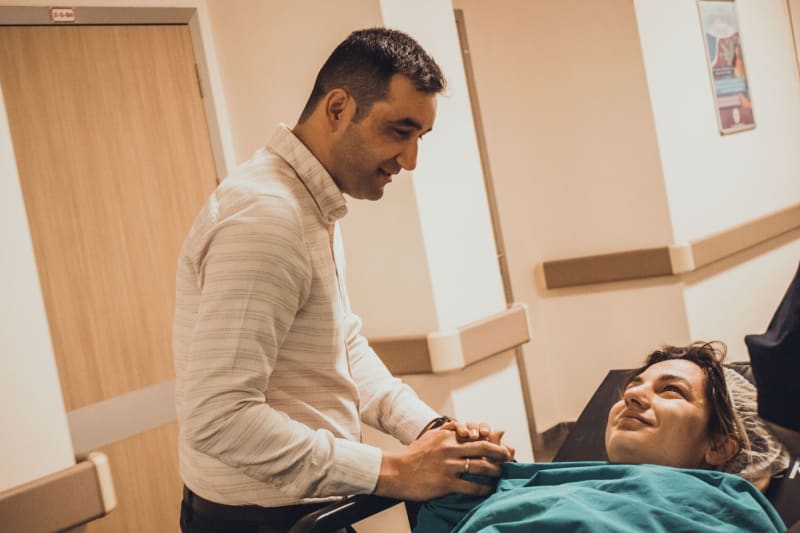
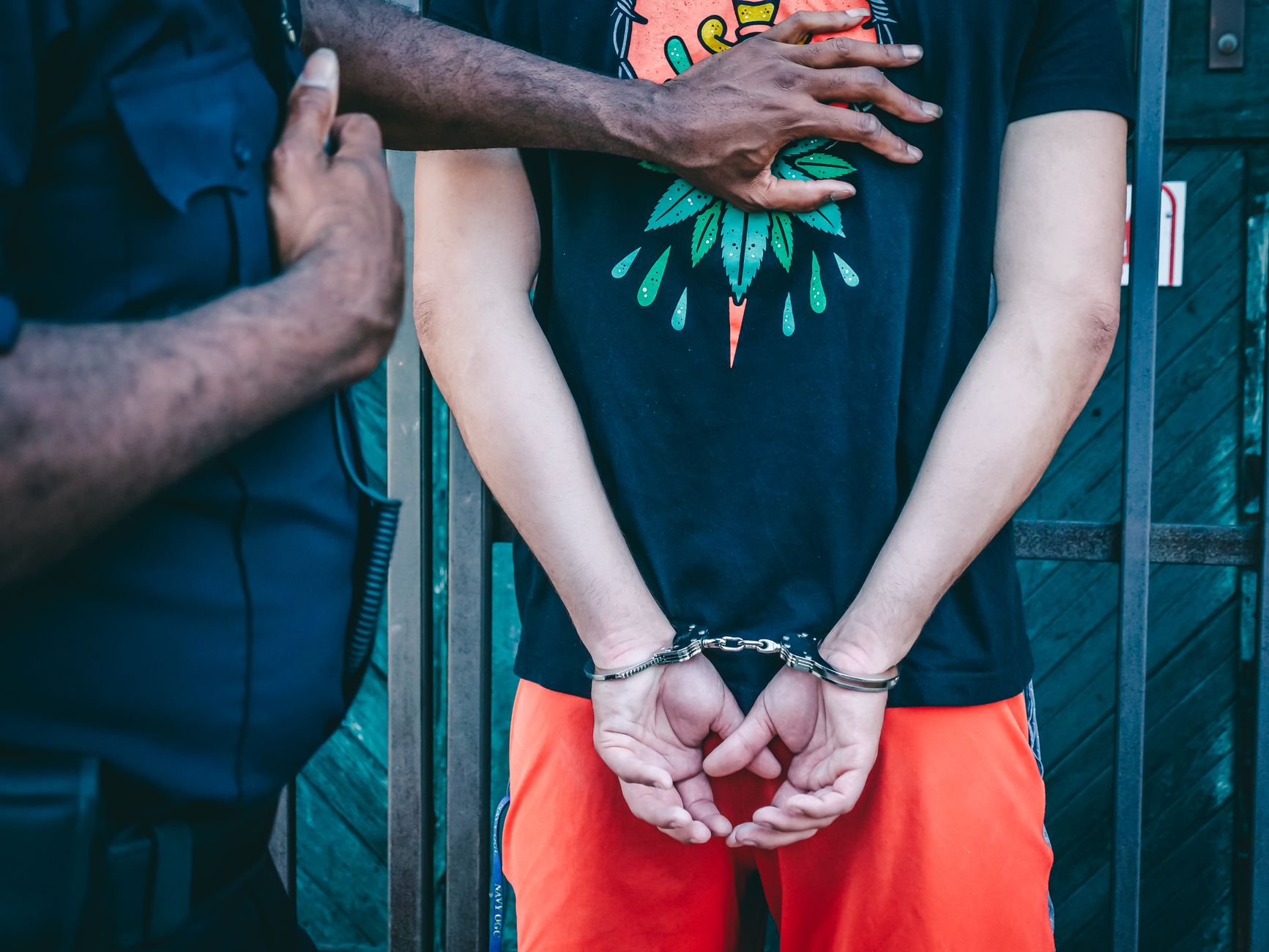
The intervention by authorities, while framed as a humanitarian act, carries significant implications for civil liberties and the right to peaceful protest. For many, it evokes a chilling reminder of state power overriding individual autonomy, even when that autonomy is expressed through non-violent means. The image of an activist, weakened but resolute, being taken against their will, serves as a powerful and unsettling visual for those who champion human rights. It forces a critical examination of the balance between public order, individual freedom, and the state's responsibility to its citizens, especially when those citizens are challenging the very structures of power.
How We Got Here
The current crisis is the culmination of simmering discontent and a growing demand for transparency within India's governance structures. For months, various civil society groups and individual activists have been raising concerns about issues ranging from alleged corruption in public projects to a perceived lack of accountability in administrative decision-making. These grievances, often articulated through peaceful demonstrations and public discourse, have frequently been met with what many perceive as governmental indifference or, at times, outright suppression, creating an environment where extreme measures like hunger strikes become a last resort for those seeking to be heard.
The activist in question initiated their hunger strike following a series of unsuccessful attempts to engage with government officials on critical policy matters. Their demands, which include specific legislative reforms and independent investigations into alleged malfeasance, have been consistently articulated through official channels and public forums. However, the perceived lack of meaningful response or substantive dialogue from the authorities pushed the activist to escalate their protest to a hunger strike, a historically potent form of non-violent resistance in India, drawing parallels to movements led by figures like Mahatma Gandhi.
As the hunger strike progressed beyond two weeks, the activist's health deteriorated rapidly, attracting increasing media attention and public sympathy. Medical professionals and human rights observers had been monitoring the situation closely, issuing warnings about the severe health risks involved. The government, under mounting pressure, was faced with a difficult dilemma: allow the strike to continue with potentially fatal consequences, or intervene forcefully, risking accusations of suppressing dissent. The decision to forcibly hospitalize the activist on the 21st day, therefore, marks a critical juncture in this ongoing struggle, highlighting the intense pressures and high stakes involved for all parties.
Why This Cannot Be Ignored
This incident transcends the individual plight of one activist; it strikes at the very core of democratic principles and the right to dissent in India. When a government resorts to forcibly hospitalizing a peaceful protester, even under the guise of health concerns, it sends a chilling message about the limits of free expression and the state's tolerance for criticism. This action risks normalizing the suppression of non-violent protest, potentially discouraging future activism and eroding the vital space for civil society to hold power accountable. The implications for India's democratic health are profound, suggesting a worrying trend towards authoritarian tactics.
Furthermore, the forced intervention raises serious questions about human rights and medical ethics. The principle of bodily autonomy is fundamental, and overriding an individual's informed decision, particularly in the context of a political protest, sets a dangerous precedent. Human rights organizations globally are already scrutinizing India's record on civil liberties, and this event will undoubtedly add to concerns about the shrinking space for dissent. It forces a global conversation about when, if ever, a state can justifiably intervene in a peaceful, self-sacrificing protest, and whether such interventions truly serve the public good or merely consolidate state power.
The broader impact on public trust and governmental legitimacy cannot be overstated. For many citizens, the image of an activist being removed against their will reinforces perceptions of an unresponsive and heavy-handed administration. This erosion of trust can lead to increased social unrest, radicalization of protest movements, and a deeper divide between the populace and its elected representatives. Ignoring the underlying grievances that led to the hunger strike, and instead focusing on suppressing its visible manifestation, only exacerbates the problem, creating a cycle of distrust and confrontation that ultimately undermines the stability and progress of the nation.
Possible Paths Forward
To de-escalate the current crisis and address the fundamental issues at hand, the Indian government must immediately initiate a transparent and good-faith dialogue with the activist and their representatives. This involves moving beyond mere rhetoric and genuinely engaging with the specific demands that prompted the hunger strike. Establishing an independent, high-level committee to investigate the allegations of corruption and lack of accountability, with a clear mandate and timeline, would be a crucial first step. Such a move would demonstrate a commitment to transparency and signal a willingness to address public grievances, potentially restoring some measure of trust that has been severely eroded by recent events.
Another critical path involves a comprehensive review of policies related to public protests and the rights of activists. This could include legislative reforms to safeguard the right to peaceful assembly and expression, ensuring that state interventions are proportionate, lawful, and respect individual autonomy. Engaging with civil society organizations, legal experts, and human rights advocates in this review process would be essential to foster a more inclusive and rights-respecting framework. Such a proactive approach would not only prevent similar situations in the future but also enhance India's standing as a democratic nation committed to upholding fundamental freedoms.
Finally, there is an imperative for all stakeholders, including the government, opposition parties, and civil society, to foster a culture of constructive engagement and mutual respect. This means moving away from confrontational tactics and towards a collaborative approach to governance. For the government, it entails listening actively to dissenting voices and being open to criticism. For activists, it means exploring diverse strategies for advocacy while maintaining the moral high ground. Ultimately, the path forward requires a renewed commitment to democratic dialogue, where grievances are heard, debated, and addressed through legitimate processes, rather than through desperate acts of protest and forced interventions.
Questions People Are Actually Asking
What to Watch
- The activist's health status and legal challenges to their forced hospitalization: Closely monitor updates on the activist's medical condition and any legal actions taken by their representatives to challenge the government's intervention, as this will determine the immediate future of their protest and set legal precedents.
- Government's response to the demands: Observe whether the Indian government initiates a genuine dialogue with the activist's representatives and addresses the core issues of accountability and transparency that prompted the hunger strike, rather than simply managing the crisis.
- Public and civil society reactions: Pay attention to the scale and nature of ongoing protests, demonstrations, and public discourse, as sustained public pressure could compel the government to take more decisive action or reconsider its stance on dissent.
- International community's stance: Watch for further statements or actions from international human rights organizations, foreign governments, and global media, as their scrutiny can significantly influence the narrative and put additional pressure on Indian authorities.
- Upcoming elections and political discourse: Consider how this incident might impact the political landscape, especially in the context of upcoming elections, as opposition parties may leverage this issue to criticize the ruling government and rally public support.
- Media coverage and narrative control: Analyze how both mainstream and independent media outlets report on the situation, as the framing of the narrative will play a crucial role in shaping public opinion and influencing policy responses.
- Potential for similar protests: Assess whether this incident inspires or discourages similar forms of extreme protest in the future, as it could either embolden activists or lead to a chilling effect on dissent across the country.






Comments
No comments yet. Be the first to comment!