
The Numbers
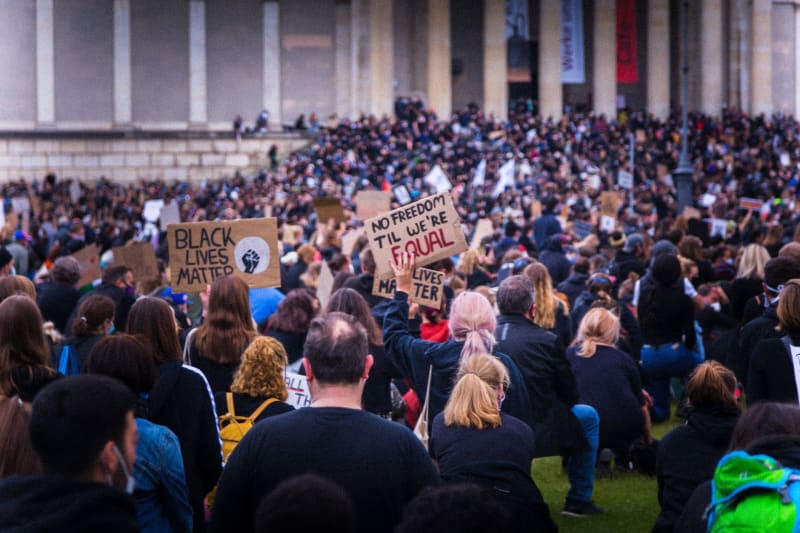
- Over 10,000 activists, self-identifying as 'cockroaches,' converged on the Indian Parliament, representing a significant mobilization of discontent.
- More than 50 activists sustained injuries, ranging from minor abrasions to severe contusions, requiring immediate medical attention after clashes with law enforcement.
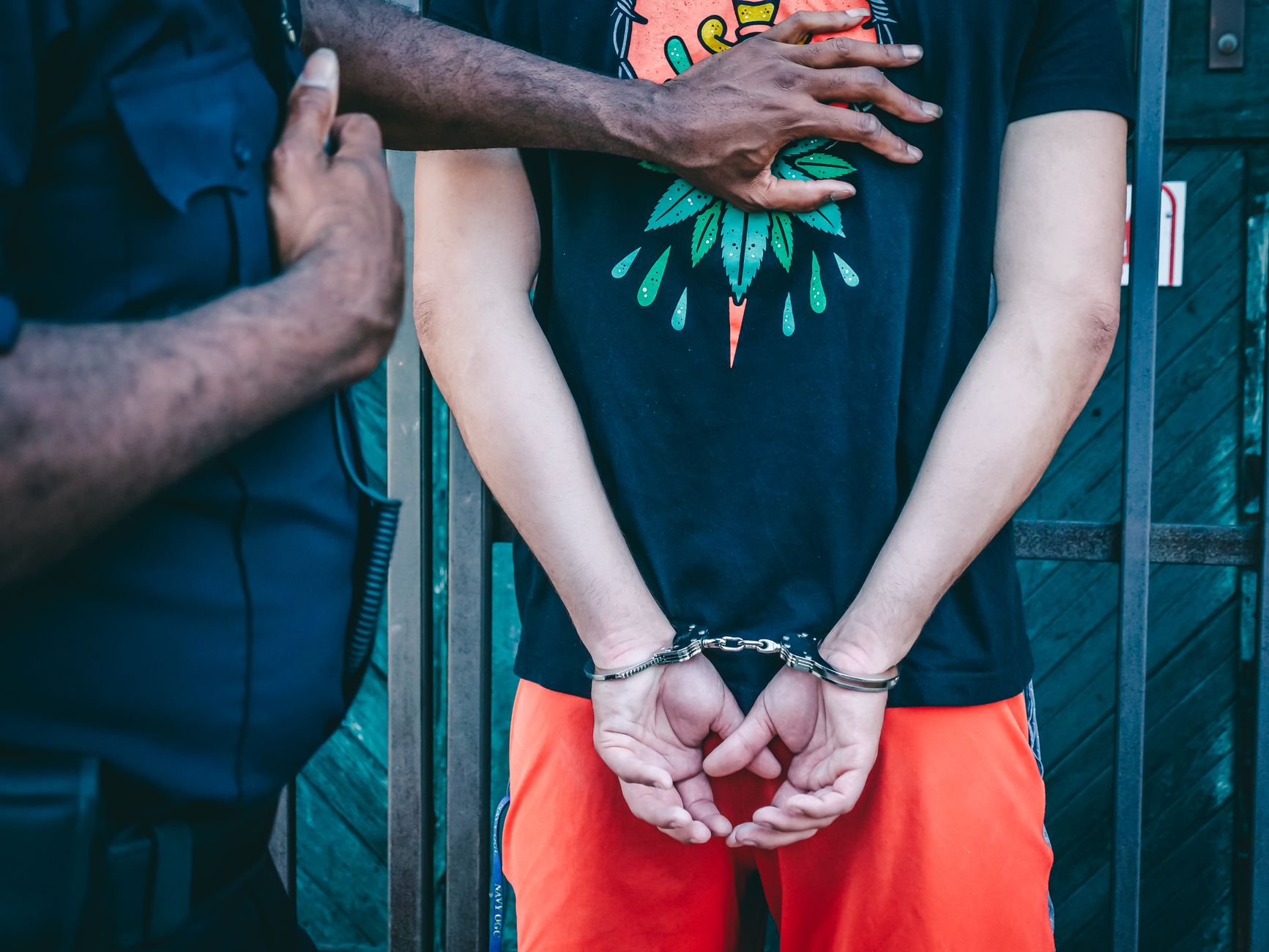
- A staggering 200 individuals were detained by police, with charges yet to be fully disclosed, indicating a broad sweep against the protest movement.
- At least 15 police officers reported injuries, including one hospitalized with a fractured arm, underscoring the intensity and reciprocal nature of the confrontation.
- The protest spanned approximately 6 hours, starting in the early morning and continuing into the afternoon, demonstrating sustained commitment from participants.
- Estimates suggest property damage exceeding 500,000 rupees due to overturned barricades and minor vandalism, highlighting the destructive potential of such large-scale unrest.
Context Check
The recent clashes at the Indian Parliament are not an isolated incident but rather a stark manifestation of escalating social and economic frustrations that have been simmering across the nation for months. The 'Cockroach' movement, while seemingly unconventional in its nomenclature, effectively symbolizes the marginalized and often overlooked segments of society who feel trampled upon and ignored by the political establishment. Their choice of identity is a poignant statement about their perceived status and resilience in the face of systemic adversity, echoing historical movements where oppressed groups have adopted derogatory labels as symbols of defiance and solidarity.
This protest follows a series of smaller, localized demonstrations concerning issues ranging from agricultural distress to unemployment and rising inflation. The government's consistent failure to adequately address these core grievances has created a fertile ground for widespread discontent, pushing disparate groups to coalesce under a unified banner of protest. The sheer scale of this particular march, involving thousands of individuals from various backgrounds, underscores a critical turning point where individual frustrations have converged into a collective demand for systemic change, making it impossible for authorities to dismiss as merely a fringe movement.
The government's response, characterized by a heavy police presence and the use of force, reflects a broader trend of suppressing dissent rather than engaging in constructive dialogue. This approach risks further alienating a significant portion of the populace and could potentially radicalize elements within the protest movement, leading to more intense and frequent confrontations. Understanding this context is crucial for comprehending the underlying dynamics of power, grievance, and resistance that are currently shaping India's political landscape, and for anticipating future developments in this volatile environment.
Background
The 'Cockroach' activist movement emerged from the shadows of India's vast informal sector and marginalized communities, coalescing around shared experiences of economic precarity, social neglect, and a profound sense of political disenfranchisement. Their moniker, deliberately chosen, is a powerful metaphor for their resilience and ubiquity despite being constantly overlooked and, at times, actively suppressed by the dominant societal structures. This movement isn't just about a single issue; it represents a broad spectrum of grievances, from inadequate social safety nets to systemic corruption and the perceived erosion of democratic freedoms, all of which contribute to a feeling of being an expendable part of society.
Initially, the movement gained traction through grassroots organizing and digital campaigns, leveraging social media to connect disparate groups and amplify their collective voice. Their early actions included peaceful sit-ins, symbolic acts of protest, and widespread distribution of pamphlets detailing their demands. However, as their numbers grew and their visibility increased, so did the government's scrutiny and, eventually, its heavy-handed response. The transition from localized, often ignored protests to a massive demonstration on the national capital signifies a maturation of the movement and a desperate attempt to force their issues onto the national agenda.
The march on Parliament was meticulously planned, intended to be a powerful, non-violent display of unity and determination. Organizers had sought permits and communicated their intentions to authorities, hoping for a peaceful dialogue. However, the sheer scale of the turnout, combined with pre-existing tensions and a rigid security posture, ultimately led to the unfortunate escalation into violence. This confrontation is a critical moment, revealing the deep chasm between the aspirations of a significant segment of the population and the state's capacity or willingness to accommodate their demands through peaceful means.
Winners and Losers
In the immediate aftermath of the violent clashes, it is difficult to identify clear winners. The 'Cockroach' activists, despite their bravery and numerical strength, suffered injuries and detentions, and their core demands remain largely unaddressed. While they succeeded in drawing national and international attention to their plight, the cost in terms of physical harm and legal repercussions is substantial. Their ability to sustain momentum and translate this visibility into tangible policy changes will be the true measure of their success in the long run, but for now, they bear the brunt of state repression.
The government, too, emerges as a significant loser in the court of public opinion. The images of police brutality against citizens, even if provoked, severely tarnish its image as a democratic and responsive administration. The use of force against a large-scale protest, particularly one representing marginalized communities, fuels narratives of authoritarianism and insensitivity. This incident could further erode public trust, both domestically and internationally, potentially leading to increased scrutiny from human rights organizations and foreign governments, complicating diplomatic relations and investment prospects.
The only potential 'winners' might be those political factions or opposition parties who can effectively leverage this incident to criticize the ruling government and galvanize support for their own agendas. However, even for them, the victory is precarious, as the underlying societal issues remain unresolved and the potential for further unrest looms large. Ultimately, the events at Parliament represent a net loss for democratic discourse and the peaceful resolution of grievances in India, exacerbating divisions and deepening the sense of crisis within the nation.
Analyst Perspectives
Political analysts are largely in agreement that the government's handling of the 'Cockroach' protest reflects a concerning pattern of prioritizing order over dialogue. Dr. Anjali Sharma, a prominent sociologist specializing in social movements, noted, "The state's immediate resort to force, rather than engaging with the protesters' grievances, is a classic authoritarian reflex. It might quell the immediate demonstration, but it invariably sows deeper seeds of resentment and distrust, making future peaceful resolutions even more challenging. This approach is unsustainable in a vibrant democracy like India." She emphasized that ignoring the root causes of such widespread discontent is a recipe for long-term instability.
Economist Rajesh Kumar highlighted the economic underpinnings of the protest, stating, "While the immediate trigger might seem political, the 'Cockroach' movement is fundamentally an outcry against widening economic disparities and a lack of opportunities for the vast majority. When people feel their economic future is bleak and their voices are unheard in policy-making, they will inevitably take to the streets. The government needs to implement genuine structural reforms that address unemployment, inflation, and rural distress, rather than simply deploying riot police." He argued that the current economic policies are creating a pressure cooker situation.
Security expert Colonel (Retd.) Vikram Singh offered a more nuanced perspective on the police action, acknowledging the challenges faced by law enforcement in managing such large and potentially volatile crowds. "While excessive force is never justifiable, the police are often placed in an impossible situation, tasked with maintaining order in highly charged environments. There needs to be better training in de-escalation tactics and crowd control that minimizes harm, but also a clear political directive that encourages negotiation before confrontation." He stressed the need for a comprehensive strategy that goes beyond mere security measures, advocating for a multi-pronged approach involving community engagement and intelligence gathering to prevent such escalations.
Key Questions Explained
The Outlook
The immediate outlook for India following the Parliament clashes is one of heightened tension and uncertainty. The 'Cockroach' movement, despite facing state repression, has demonstrated remarkable resilience and a capacity for large-scale mobilization. It is unlikely that the government's heavy-handed response will extinguish the flames of discontent; rather, it may serve to further galvanize the movement and potentially radicalize some of its elements. Future protests, possibly more decentralized or adopting new tactics, are a distinct possibility, indicating a period of sustained social unrest.
For the government, the challenge is immense. Continuing to ignore or suppress the underlying grievances risks alienating a significant portion of the electorate and could lead to a deeper crisis of legitimacy. A more constructive path would involve opening channels for dialogue, addressing the core economic and social issues that fuel these protests, and demonstrating a commitment to democratic principles. Failure to do so could result in a further erosion of public trust and an increasingly volatile political landscape, making governance more challenging and potentially impacting economic stability.
Internationally, the events will likely keep India under a spotlight, with human rights organizations and democratic watchdogs closely monitoring the situation. The way the government navigates this period will significantly influence its global standing and its relationships with key international partners. The path forward demands not just a focus on law and order, but a comprehensive strategy that tackles the root causes of discontent, fosters inclusive growth, and reaffirms the democratic values that are essential for long-term stability and prosperity in India.










Comments
No comments yet. Be the first to comment!