
The Story in Brief
- A powerful earthquake has unleashed widespread devastation across Venezuela, resulting in a tragic death toll that has now surpassed 5,000 individuals, overwhelming local emergency services and infrastructure.
- Thousands more are reported injured, with countless still missing under the rubble, prompting an urgent and desperate search and rescue operation in affected urban and rural areas.
- Critical infrastructure, including hospitals, roads, and communication networks, has suffered catastrophic damage, severely impeding relief efforts and the delivery of essential supplies to survivors.
- The International Monetary Fund (IMF) has swiftly approved and released emergency aid, providing a crucial financial lifeline to support Venezuela's immediate humanitarian response and initial recovery phases.
- International aid organizations and numerous countries are mobilizing resources, including search and rescue teams, medical supplies, and humanitarian assistance, to bolster the overwhelmed Venezuelan government's efforts.
- The long-term implications for Venezuela's already fragile economy and social fabric are profound, necessitating sustained international support and a comprehensive reconstruction plan for the years ahead.
The Human Face
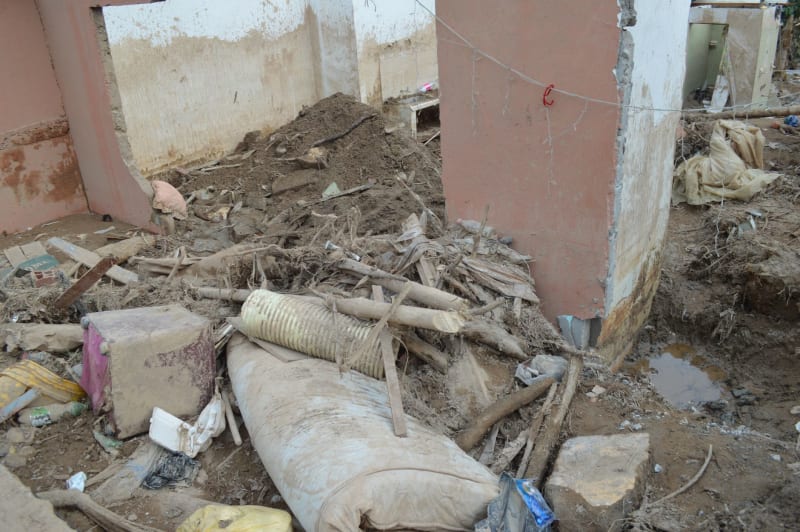
The sheer scale of human suffering in Venezuela is almost unfathomable in the wake of this catastrophic earthquake. Families have been torn apart, homes reduced to rubble, and entire communities are grappling with an unimaginable loss. Survivors, many injured and traumatized, recount harrowing tales of escaping collapsing buildings, witnessing loved ones trapped, and the terrifying uncertainty of their future. The immediate aftermath is a landscape of despair, where the cries of the injured mix with the desperate pleas for help from those buried beneath debris, painting a grim picture of a nation in profound anguish.
Beyond the staggering death toll, the human impact extends to the countless individuals who have lost everything: their homes, livelihoods, and sense of security. Displaced populations are now sheltering in makeshift camps, facing acute shortages of food, clean water, and medical care. Children, particularly vulnerable in such crises, are experiencing profound psychological trauma, their lives irrevocably altered by the disaster. The emotional scars from this event will undoubtedly linger for generations, demanding extensive psychological support and community-based healing initiatives long after the immediate emergency subsides.
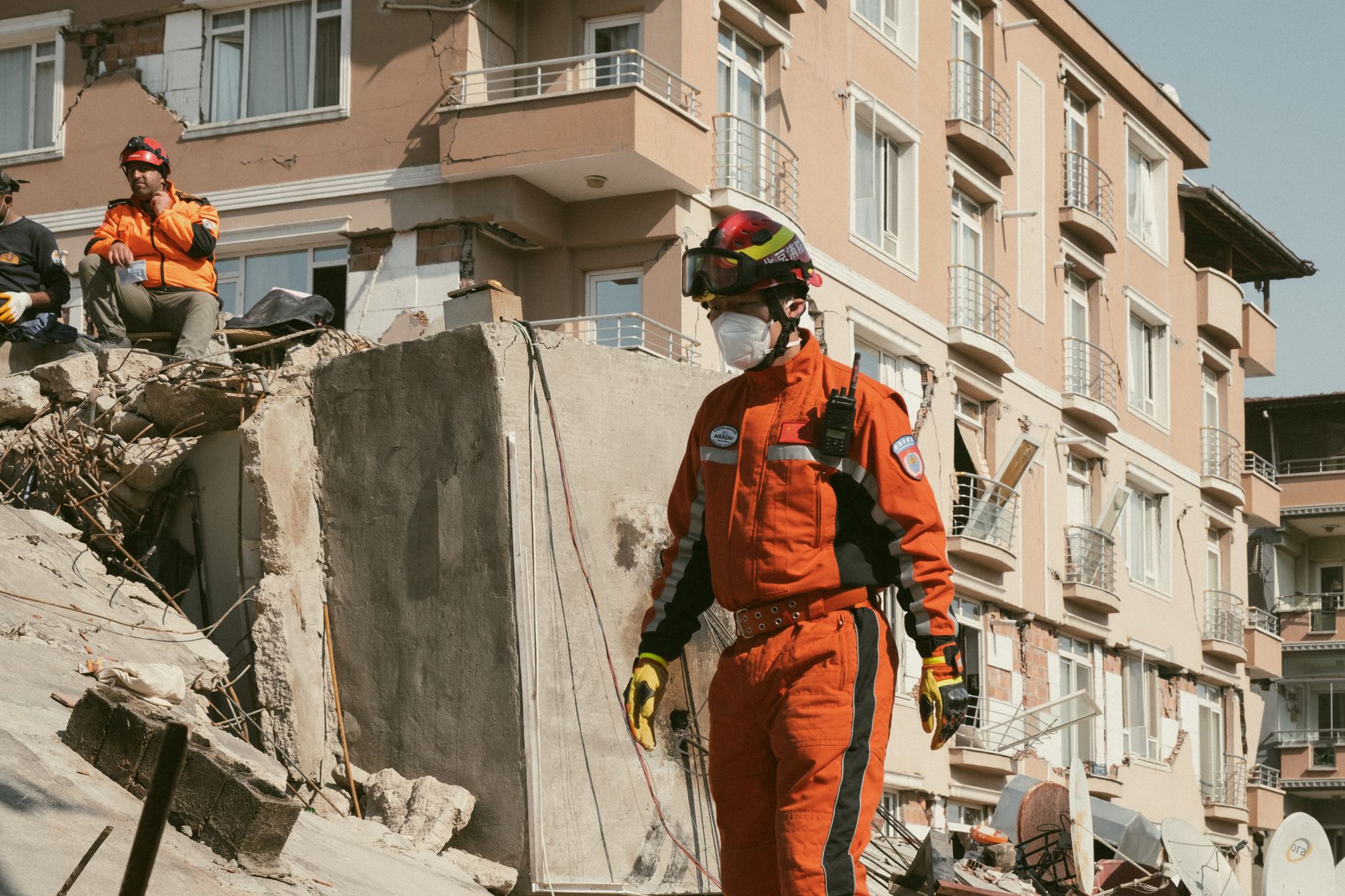
First responders, working tirelessly and often without adequate resources, are the unsung heroes of this tragedy, risking their own lives to pull survivors from the wreckage. Their dedication, often fueled by sheer willpower, offers a glimmer of hope amidst the devastation. However, the sheer volume of casualties and the widespread destruction are pushing these brave individuals to their absolute limits. The international community's rapid response, including specialized search and rescue teams and medical personnel, is critical in augmenting these local efforts and providing much-needed relief to a population in dire need.
How We Got Here
Venezuela, situated in a seismically active region, has historically experienced earthquakes, though none of this magnitude in recent memory. The nation's infrastructure, already strained by years of economic challenges and underinvestment, proved tragically vulnerable to such a powerful tremor. Many residential and public buildings, constructed without strict adherence to modern seismic codes, simply could not withstand the force, leading to widespread collapses and the devastating loss of life. This pre-existing vulnerability amplified the disaster's impact, turning a natural phenomenon into an unparalleled humanitarian catastrophe.
The country's protracted political and economic crisis further exacerbated its capacity to respond effectively. Years of hyperinflation, sanctions, and internal strife have severely depleted public services, including healthcare and emergency response systems. Hospitals were already struggling with shortages of medicine and equipment, and the national disaster management agency lacked the resources and coordination necessary for a crisis of this scale. This systemic fragility meant that when the earthquake struck, Venezuela was ill-equipped to handle the immediate aftermath, let alone the long-term recovery, creating a perfect storm of vulnerability and disaster.
The international community's engagement with Venezuela has been complex, often fraught with political tensions. However, the sheer magnitude of this humanitarian crisis has transcended previous diplomatic impasses, prompting a rapid and unified global response. The swift approval of emergency aid by the IMF, a body with which Venezuela has had a contentious relationship, signals a critical shift towards prioritizing humanitarian needs above political considerations. This immediate influx of aid, while crucial, only scratches the surface of what will be required to rebuild a nation already on its knees before this devastating natural disaster.
Why This Cannot Be Ignored
The unfolding crisis in Venezuela is not merely a regional tragedy; it represents a profound global humanitarian challenge that demands immediate and sustained attention. With over 5,000 lives lost and countless more impacted, the scale of suffering is immense, threatening to destabilize an already volatile region. Ignoring this catastrophe would not only be a moral failing but could also lead to broader consequences, including mass displacement, increased regional instability, and a potential public health crisis if aid efforts are insufficient. The world has a collective responsibility to respond with urgency and compassion.
Venezuela's pre-existing economic and social fragilities mean that the earthquake's repercussions will be long-lasting and far-reaching. The destruction of infrastructure, coupled with the loss of life and livelihoods, will severely impede the country's ability to recover independently. Without substantial international support, the nation risks spiraling into an even deeper crisis, potentially leading to increased poverty, food insecurity, and a collapse of essential services. This disaster underscores the critical need for resilient infrastructure and robust emergency preparedness in vulnerable nations worldwide.
The international response, particularly the IMF's emergency aid, sets a crucial precedent for humanitarian intervention in politically complex environments. It demonstrates that in times of extreme crisis, global institutions can and must prioritize human lives above political disagreements. This moment offers an opportunity for renewed international cooperation and a chance to rebuild not just physical structures, but also trust and stability in a nation desperately in need. The success of these relief and recovery efforts will serve as a vital test of global solidarity and our collective commitment to humanitarian principles.
Possible Paths Forward
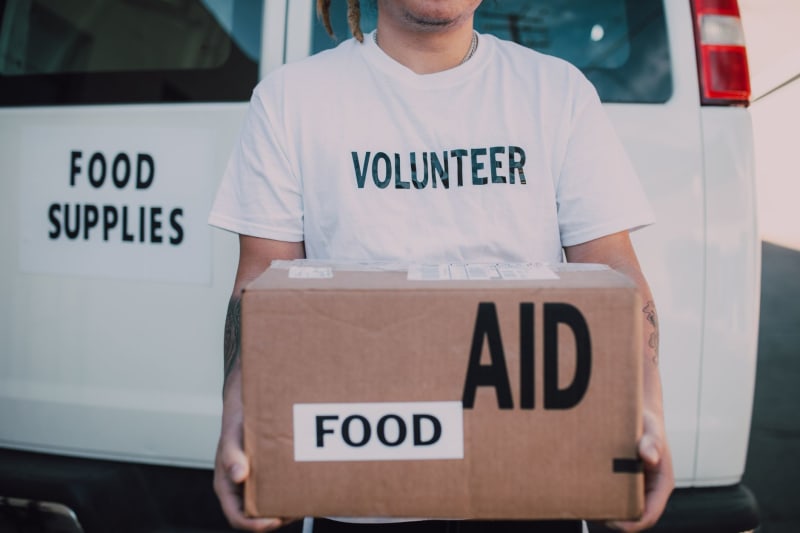
The immediate path forward for Venezuela must prioritize rapid and effective humanitarian aid distribution. This involves establishing secure corridors for aid delivery, ensuring transparent allocation of resources, and coordinating international relief efforts to maximize impact. The government, in conjunction with global partners, needs to set up robust logistics networks to transport medical supplies, food, water, and temporary shelter to the most affected areas. Furthermore, the deployment of specialized search and rescue teams and medical personnel must continue, focusing on remote regions that may still be cut off and where survivors might be awaiting assistance. This initial phase is critical for saving lives and mitigating further suffering, laying the groundwork for subsequent recovery efforts.
In the medium term, a comprehensive reconstruction plan is essential, focusing on rebuilding critical infrastructure with enhanced seismic resilience. This will require significant financial investment and technical expertise from international bodies and partner nations. Beyond physical reconstruction, there must be a strong emphasis on restoring public services, particularly healthcare and education, which have been severely disrupted. Economic recovery initiatives, including support for small businesses and agricultural rehabilitation, will be vital to help communities regain their livelihoods. This phase also necessitates robust social programs to address the psychological trauma experienced by survivors and to support displaced families in rebuilding their lives, ensuring that recovery is holistic and sustainable.
Looking further ahead, Venezuela must commit to strengthening its disaster preparedness and mitigation strategies. This includes updating and enforcing stringent building codes, investing in early warning systems, and conducting regular public education campaigns on earthquake safety. Establishing a well-funded and efficiently managed national disaster management agency, equipped with modern resources and trained personnel, is paramount. International cooperation, sharing best practices, and capacity building will be crucial in this endeavor. This long-term commitment to resilience will not only protect against future natural disasters but also contribute to the overall stability and development of the nation, fostering a safer environment for all its citizens.
Questions People Are Actually Asking
What to Watch
- The effectiveness and transparency of aid distribution: Closely monitor how international and domestic aid is managed and distributed to ensure it reaches those most in need without diversion or bureaucratic delays.
- The scale of international financial commitment: Observe whether the initial emergency aid is followed by sustained, long-term financial support for Venezuela's massive reconstruction and recovery efforts, which will be crucial for lasting impact.
- Political stability and cooperation: Watch for any shifts in Venezuela's internal political landscape and the level of cooperation between the government and international bodies, as this will significantly influence the pace and success of recovery.
- Public health developments: Keep an eye on potential outbreaks of waterborne diseases or other public health crises in displaced populations, which could further complicate the humanitarian situation.
- Migration patterns: Monitor any significant increase in internal or external migration as people seek safer environments or better opportunities in the wake of the disaster, which could strain neighboring countries.
- Reconstruction of critical infrastructure: Track the progress in rebuilding essential services like hospitals, schools, and transportation networks, as their restoration is fundamental to the nation's return to normalcy.





Comments
No comments yet. Be the first to comment!