
Key Takeaways
- Recent Ukrainian drone attacks have intensified, resulting in at least eight confirmed fatalities and dozens of injuries across various regions within Russia, marking a significant escalation in the conflict's scope and lethality.
- These strikes represent a strategic shift by Ukraine, moving beyond frontline engagements to target critical infrastructure and population centers deep inside Russian territory, aiming to disrupt logistical operations and exert psychological pressure.
- The increasing frequency and precision of these drone operations highlight Ukraine's evolving asymmetric warfare capabilities, demonstrating an ability to project power and retaliate against Russian aggression effectively.
- Civilian casualties are a tragic consequence of these escalating attacks, raising serious humanitarian concerns and prompting calls from international bodies for all parties to adhere strictly to the principles of international humanitarian law.
- The Kremlin has condemned these attacks as acts of terrorism, vowing severe retaliation and further intensifying its own military operations, suggesting a dangerous cycle of escalation is firmly in motion.
- International observers are closely monitoring the situation, with many expressing concern that these cross-border strikes could broaden the conflict's geographical scope and potentially draw in other regional actors, destabilizing an already volatile security landscape.
Background
The conflict between Ukraine and Russia, which began with Russia's full-scale invasion in February 2022, has steadily escalated beyond traditional battlefields. Initially concentrated on Ukraine's eastern and southern territories, the war has increasingly seen Ukrainian forces adopt asymmetric tactics, including the use of unmanned aerial vehicles (UAVs) to strike targets within Russian borders. This strategic shift is largely a response to Russia's relentless bombardment of Ukrainian cities and critical infrastructure, with Kyiv aiming to demonstrate its capacity for retaliation and to disrupt Russia's war effort from within. The development and deployment of long-range drones have become a cornerstone of this evolving strategy, allowing Ukraine to project power and inflict damage on targets previously considered beyond its reach.
Over the past several months, the frequency and sophistication of these Ukrainian drone attacks have markedly increased. What began as sporadic strikes on border towns or military depots has evolved into more coordinated assaults targeting oil refineries, airfields, and even administrative buildings in major Russian cities, including Moscow. These operations serve multiple purposes: to degrade Russia's military-industrial complex, to disrupt its energy infrastructure vital for funding the war, and to bring the realities of the conflict directly to the Russian populace. The psychological impact of these strikes, particularly on urban residents, is a critical component of Ukraine's strategy, aiming to erode public support for the war and pressure the Kremlin.
The international community has watched this escalation with growing apprehension. While many nations support Ukraine's right to self-defense, the expansion of the conflict into Russian territory raises complex questions about proportionality, international law, and the potential for wider regional destabilization. The targeting of civilian areas, even if accidental, draws sharp criticism and complicates diplomatic efforts to de-escalate the conflict. As both sides dig in, the drone war has become a new, dangerous front, underscoring the grim reality that the conflict's boundaries are continually being redrawn, with increasingly severe consequences for civilians on both sides.
Why It Matters
The escalating drone attacks deep within Russian territory fundamentally alter the dynamics of the ongoing conflict, transforming it from a localized war in Ukraine to a cross-border confrontation with far-reaching implications. The direct impact on Russian civilians, with fatalities and injuries now confirmed, represents a critical turning point. This shift means that the war is no longer a distant abstraction for many Russians but a tangible threat, potentially eroding domestic support for the Kremlin's military objectives and increasing internal pressure on the government. The human cost of these strikes underscores the urgent need for de-escalation, as innocent lives are being tragically lost and communities are plunged into fear and uncertainty.
Beyond the immediate humanitarian crisis, these attacks carry significant geopolitical weight. They demonstrate Ukraine's evolving capability to strike back effectively, challenging Russia's perceived invulnerability and potentially forcing a reallocation of Russian air defense assets away from the front lines. This strategic diversion could create new vulnerabilities for Russian forces in Ukraine, impacting the overall balance of power. Furthermore, the targeting of critical infrastructure like oil refineries could have ripple effects on global energy markets, exacerbating existing economic instabilities and potentially prompting stronger international reactions.
The expansion of the conflict into Russian territory also raises serious questions about the potential for further escalation and the involvement of other regional or international actors. As Russia vows retaliation for these strikes, the cycle of violence risks spiraling out of control, making a peaceful resolution even more elusive. The international community faces a complex challenge: how to support Ukraine's right to self-defense while simultaneously working to prevent a broader regional conflagration. The increasing civilian casualties serve as a stark reminder that without a concerted effort towards de-escalation, the human and geopolitical costs of this conflict will continue to mount exponentially.
Ground Reality
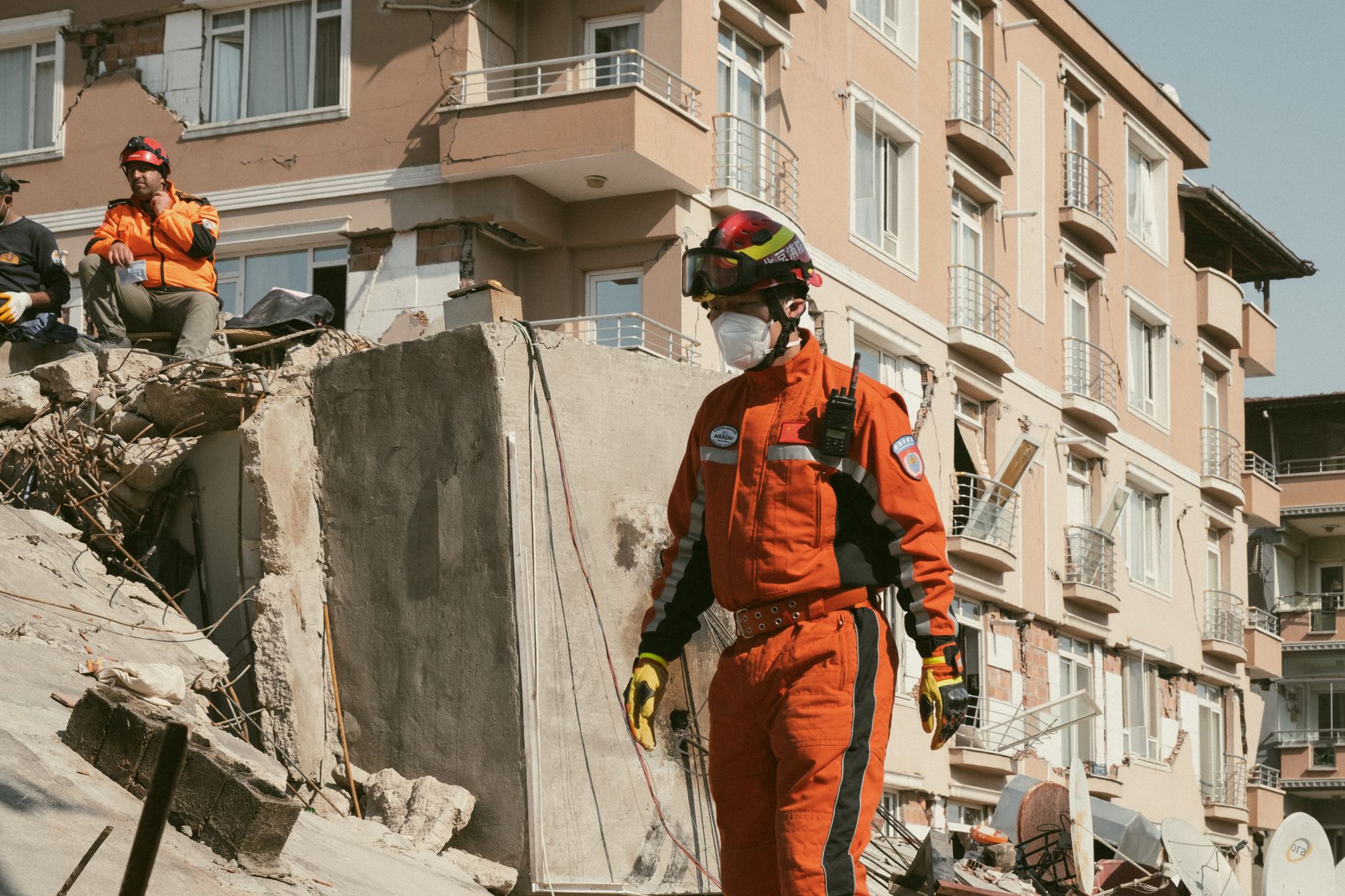
On the ground, the reality in affected Russian regions is one of heightened alert and palpable fear. Recent Ukrainian drone attacks have not only targeted military and infrastructure sites but have also tragically resulted in civilian casualties, including at least eight confirmed deaths and dozens wounded. These incidents have occurred in various oblasts, from border regions like Belgorod and Kursk to areas deeper within Russia, demonstrating the widening geographical scope of the conflict. Residents in these areas now live under the constant threat of aerial assault, leading to widespread anxiety, disruptions to daily life, and significant damage to homes and public buildings. Emergency services are frequently deployed, dealing with the immediate aftermath of explosions, treating the injured, and assessing structural damage.
The psychological toll on the civilian population is immense. Reports from local media and social channels indicate a growing sense of vulnerability and anger among residents, many of whom previously felt insulated from the direct impacts of the war. Air raid sirens, once a rarity, are becoming more common, forcing people into shelters and interrupting routines. Local authorities are intensifying security measures, including bolstering air defense systems and implementing stricter controls on public gatherings, but the sheer volume and unpredictable nature of drone attacks make complete protection incredibly challenging. This shift in the conflict's geography means that the human cost is no longer confined to Ukraine, but is now tragically shared by Russian citizens.
Economically, the ground reality includes significant disruptions to local industries and infrastructure. Targeted attacks on fuel depots and industrial facilities, while primarily aimed at military logistics, inevitably impact civilian supply chains and economic stability. Repair efforts are costly and time-consuming, diverting resources that could otherwise be used for social services or development. The cumulative effect of these strikes is a growing sense of instability and uncertainty, challenging the Kremlin's narrative of a controlled 'special military operation.' The ground reality is a stark reminder that the war's destructive reach is expanding, bringing its devastating consequences closer to home for an increasing number of people.
What Experts Are Saying
Military analysts widely agree that Ukraine's escalating drone attacks on Russian territory represent a strategic imperative to diversify its defensive and offensive capabilities. Dr. Evelyn Farkas, a former Deputy Assistant Secretary of Defense for Russia, Ukraine, and Eurasia, notes that "these strikes are not merely retaliatory; they are a calculated effort to degrade Russia's war-making capacity and to demonstrate that Ukraine can project power beyond its borders." She emphasizes that by targeting critical infrastructure such as oil refineries and military depots, Ukraine aims to disrupt Russia's logistical support for its forces and to impose economic costs that make the war increasingly unsustainable for the Kremlin. This approach is seen as a necessary evolution in Ukraine's defense strategy, given the ongoing asymmetry in conventional military power.
However, security experts also caution about the inherent risks of escalation. Dr. Samuel Charap, a senior political scientist at the RAND Corporation, points out that "while these strikes achieve tactical objectives, they also provoke a strong reaction from Moscow, potentially leading to an intensified Russian response against Ukrainian cities and infrastructure." He suggests that the targeting of civilian areas, even if unintended or collateral, could be exploited by Russian propaganda to galvanize domestic support for the war and to justify further aggressive actions. Charap stresses the delicate balance Ukraine must maintain between demonstrating its capabilities and avoiding actions that could inadvertently broaden or intensify the conflict beyond manageable limits, potentially drawing in other actors.
Furthermore, experts in international law and humanitarian affairs are increasingly vocal about the implications of these cross-border attacks, particularly concerning civilian casualties. Professor Mary Ellen O'Connell, a leading scholar on international law, highlights that "all parties to an armed conflict are bound by the principles of distinction and proportionality, even in self-defense." She argues that while Ukraine has a right to defend itself, any strikes must differentiate between combatants and civilians, and the anticipated military advantage must not be disproportionate to the harm caused to civilians. The growing number of civilian fatalities and injuries in Russia raises serious questions about adherence to these principles, underscoring the urgent need for transparency and accountability from all sides to mitigate the tragic human cost of this expanding conflict.

Frequently Asked Questions
What Happens Next
The immediate future will likely see a continued intensification of both Ukrainian drone attacks and Russian retaliatory measures. Ukraine, having demonstrated its capability to strike deep within Russia, will probably continue to target strategic assets to maintain pressure on Moscow and disrupt its war efforts. This includes ongoing assaults on energy infrastructure, military depots, and logistical hubs. Conversely, Russia is expected to bolster its air defense systems across its territory, particularly around key cities and critical infrastructure, while simultaneously escalating its own missile and drone strikes against Ukrainian cities and military targets. This creates a dangerous cycle of tit-for-tat escalation, with civilians on both sides bearing the brunt of the violence.
Diplomatically, the escalating cross-border attacks will further complicate any prospects for peace negotiations. Russia will likely use civilian casualties as propaganda to justify its aggression and condemn Ukraine's actions as terrorism, hardening its stance. Ukraine, meanwhile, will continue to frame these strikes as legitimate acts of self-defense against an invading force. International efforts to mediate a ceasefire or a political resolution will face increased hurdles, as the trust deficit between the warring parties deepens. The international community will be pressed to find a balance between supporting Ukraine's sovereignty and preventing a wider regional conflagration, a task made more difficult by the expanding geographical scope of the conflict.
Looking ahead, the drone war is set to become an even more prominent feature of this conflict. Both sides will continue to innovate and adapt their drone technologies and countermeasures. Ukraine will seek to enhance the range, payload, and stealth capabilities of its UAVs, while Russia will focus on improving its electronic warfare capabilities and air defense networks. This technological arms race will shape the future trajectory of the conflict, potentially leading to new forms of warfare and unforeseen consequences. The human cost, unfortunately, is likely to remain high as the conflict continues to evolve and expand beyond traditional battlefields, demanding urgent attention from global leaders.










Comments
No comments yet. Be the first to comment!