
The Numbers
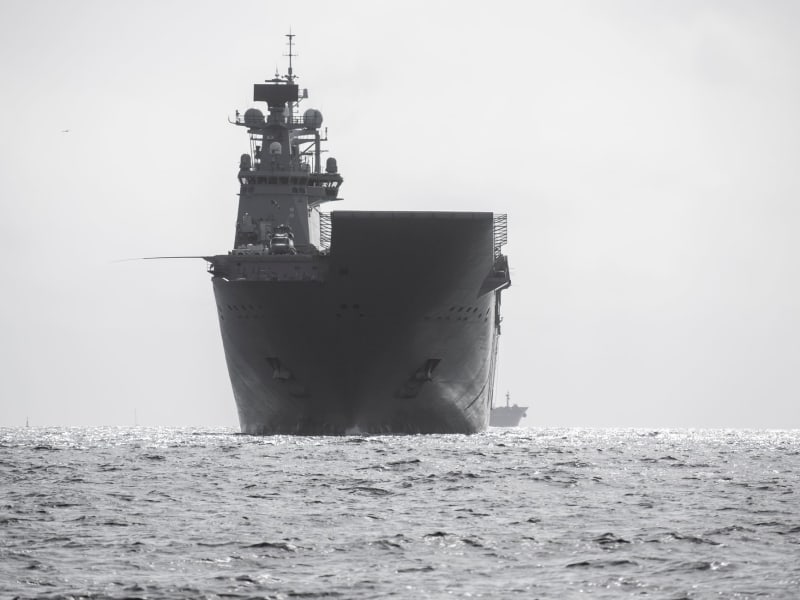
- Over 30 Houthi sites targeted across Yemen in the latest wave of US and UK strikes, demonstrating a significant escalation in military response.
- More than 150 missiles and bombs deployed in the initial joint US-UK operation, showcasing the substantial firepower brought to bear against Houthi infrastructure.
- At least 12 Houthi fighters reportedly killed in the first round of strikes, indicating the direct human cost of these military engagements.
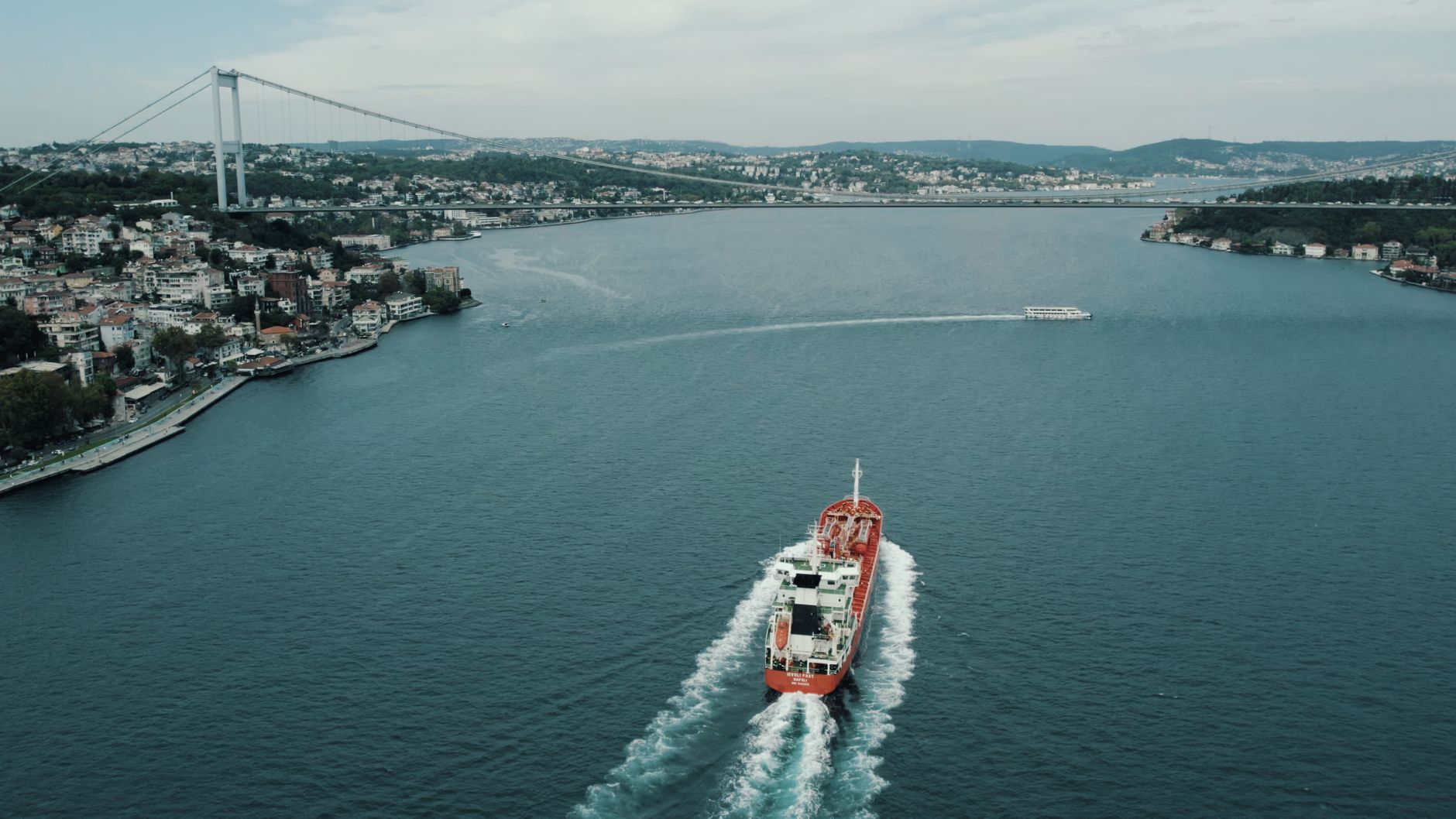
- Approximately 15% of global shipping traffic typically transits through the Red Sea, highlighting the immense economic importance of this waterway.
- Shipping costs for Red Sea routes have surged by over 300% since November, reflecting the severe disruption and increased risk premiums imposed by Houthi attacks.
- Over 100 commercial vessels have been rerouted around the Cape of Good Hope, adding 7-10 days and millions in fuel costs to each journey, impacting global supply chains.
- The US has conducted over 10 rounds of strikes against Houthi targets since January, underscoring a sustained and aggressive posture to deter further aggression.
- An estimated 70% of Yemen's population relies on humanitarian aid, a situation exacerbated by the ongoing conflict and potential disruptions to aid shipments.
Context Check
The latest round of US strikes against Iranian-backed Houthi rebels in Yemen marks a critical escalation in a conflict that has been simmering for months, threatening to boil over into a broader regional conflagration. These targeted military actions are a direct response to the Houthis' relentless attacks on commercial shipping in the Red Sea, a vital artery for global trade. The Houthis claim these assaults are in solidarity with Palestinians in Gaza, framing their actions as a direct consequence of the ongoing conflict between Israel and Hamas. This narrative, while politically potent in the region, has drawn the ire of international powers concerned about freedom of navigation and the stability of global supply chains.
The Red Sea, connecting the Suez Canal to the Bab al-Mandab Strait, is one of the world's most critical maritime chokepoints, handling a significant portion of global trade, including a substantial volume of oil and gas. Disruptions here have immediate and far-reaching economic consequences, impacting everything from energy prices to consumer goods. The US and its allies, particularly the UK, have repeatedly warned the Houthis to cease their attacks, deploying naval assets to the region and forming a multinational task force, Operation Prosperity Guardian, to protect shipping. However, these warnings and defensive measures have largely failed to deter the rebels, necessitating a more assertive military response.
This latest series of strikes represents a significant shift from a purely defensive posture to one of active deterrence and offensive capability, aiming to degrade the Houthis' ability to launch further attacks. The Biden administration has been careful to frame these actions as defensive, intended to protect international commerce and US personnel, rather than an expansion of the conflict. However, the line between deterrence and direct engagement is increasingly blurred, raising concerns among analysts about the potential for unintended consequences and a wider regional conflict involving Iran, which is widely seen as the primary patron and enabler of the Houthi movement.
Background
The Houthi movement, officially known as Ansar Allah, emerged in the 1990s in northern Yemen, advocating for the rights of the Zaidi Shia minority and opposing the perceived corruption and foreign influence within the Yemeni government. Their conflict with the central government escalated into a full-blown civil war in 2014, when they seized the capital, Sana'a. This prompted a Saudi Arabia-led coalition, backed by the US, to intervene in 2015, aiming to restore the internationally recognized government. The conflict has since devolved into one of the world's worst humanitarian crises, with millions displaced and facing famine.
Iran's support for the Houthis has been a consistent and significant factor in the Yemeni civil war, providing them with advanced weaponry, training, and ideological guidance. This backing has allowed the Houthis to develop a formidable arsenal of drones, ballistic missiles, and anti-ship missiles, which they have increasingly used to target Saudi Arabia and, more recently, international shipping. The Houthis' current attacks in the Red Sea are a clear demonstration of their enhanced capabilities and their willingness to project power beyond Yemen's borders, directly challenging international maritime security.
The current Red Sea crisis is inextricably linked to the broader geopolitical landscape of the Middle East, particularly the Israel-Hamas conflict. The Houthis have explicitly stated that their attacks on shipping are a response to Israel's actions in Gaza and a show of solidarity with the Palestinian people. This linkage transforms a localized conflict into a regional flashpoint, drawing in global powers and threatening to ignite a wider confrontation. The US and its allies are caught between the imperative to protect vital shipping lanes and the risk of being drawn deeper into a complex and dangerous regional proxy war.
Winners and Losers
In this escalating conflict, there are few clear winners, but many potential losers. The Houthi rebels, despite suffering military setbacks from the strikes, may perceive a political victory by demonstrating their capacity to disrupt global trade and force major powers to respond. This could bolster their domestic support and enhance their standing among anti-Western factions in the region, portraying themselves as champions of the Palestinian cause. However, the long-term cost to Yemen's already devastated infrastructure and civilian population, should the conflict intensify, would be catastrophic, deepening the humanitarian crisis and further isolating the country.
Global shipping companies and consumers are undeniably significant losers. The rerouting of vessels around the Cape of Good Hope adds substantial costs, delays, and emissions, directly impacting supply chains and potentially fueling inflation worldwide. Insurance premiums for voyages through the Red Sea have skyrocketed, making the route economically unviable for many. This disruption not only affects the immediate flow of goods but also creates uncertainty in global markets, discouraging investment and hindering economic recovery in an already fragile post-pandemic environment. The ripple effects are felt from manufacturing hubs to local grocery stores.
The United States and its allies face a complex calculus. While the strikes aim to restore deterrence and protect maritime freedom, they risk drawing the US deeper into a protracted regional conflict, diverting resources and attention from other strategic priorities. A prolonged engagement could also strain international alliances and potentially lead to unforeseen escalations with Iran. Conversely, a failure to act decisively could be perceived as weakness, emboldening adversaries and further destabilizing critical trade routes. The delicate balance between demonstrating resolve and avoiding overreach defines the challenge for the coalition, with the potential for both strategic gains and significant geopolitical losses.
Analyst Perspectives
Security analysts are largely in agreement that the US-led strikes, while necessary to address the immediate threat to shipping, carry significant risks of escalation. Dr. Sarah Phillips, a Middle East expert, notes that "the Houthis are not easily deterred by military force alone; their ideology is deeply rooted, and they thrive on confrontation. These strikes might degrade their capabilities in the short term, but they won't fundamentally alter their strategic objectives or their relationship with Iran." She emphasizes that a purely military solution without a parallel diplomatic track is unlikely to achieve lasting stability in the Red Sea.
Maritime security specialists, such as Captain John Smith (ret.), highlight the unprecedented nature of the Houthi threat. "We haven't seen this level of sustained, sophisticated attacks on commercial shipping in a major international waterway in decades," Smith states. "The Houthis' access to advanced anti-ship missiles and drones, supplied by Iran, has fundamentally changed the risk assessment for global maritime trade. The current military response is about restoring a semblance of order, but the long-term challenge is how to neutralize such capabilities without sparking a wider war." He suggests that intelligence gathering and interdiction of arms shipments to Yemen will be crucial.
Geopolitical strategists are particularly concerned about Iran's role and potential reactions. Dr. Hassan Abbas, a scholar of Iranian foreign policy, argues, "Iran views the Houthis as a key component of its 'Axis of Resistance' and a valuable proxy to exert pressure on the US and its allies. Any significant blow to the Houthis will be seen as an attack on Iran's regional influence. While Tehran may not seek direct confrontation, it could respond through other proxies or by increasing its own naval activities in the Gulf, further complicating an already volatile situation." He warns that miscalculation on any side could quickly spiral out of control, with devastating consequences for regional stability and global energy markets.
Key Questions Explained
The Outlook
The immediate outlook for the Red Sea remains highly volatile and uncertain. While the US-led strikes aim to degrade Houthi capabilities and restore freedom of navigation, it is unlikely they will completely halt the attacks in the short term. The Houthis have proven resilient and ideologically driven, and their patron, Iran, is unlikely to abandon them. We can anticipate a continued cat-and-mouse game, with the Houthis adapting their tactics and the coalition responding with further defensive and offensive measures. The frequency and intensity of these exchanges will dictate the immediate safety of commercial shipping and the economic viability of the Red Sea route.
Looking further ahead, the resolution of the Red Sea crisis is inextricably linked to the broader geopolitical dynamics of the Middle East, particularly the Israel-Hamas conflict. As long as the Gaza conflict persists, the Houthis will likely continue to find justification and motivation for their attacks. A lasting solution would require a significant de-escalation of regional tensions, potentially through a diplomatic breakthrough in the Israeli-Palestinian conflict or a broader agreement on maritime security. Without such a shift, the Red Sea will remain a dangerous flashpoint, perpetually threatening global trade and regional stability.
The long-term implications are profound. The current crisis may force a re-evaluation of global supply chain resilience, prompting companies to diversify routes and consider nearshoring or reshoring production to reduce reliance on vulnerable maritime chokepoints. Furthermore, it underscores the urgent need for robust international cooperation on maritime security and a concerted effort to address the root causes of instability in Yemen and the wider Middle East. The world is witnessing a critical test of international law and the ability of global powers to protect vital economic arteries in an increasingly fragmented and conflict-prone world.
















Comments
No comments yet. Be the first to comment!