
Key Takeaways
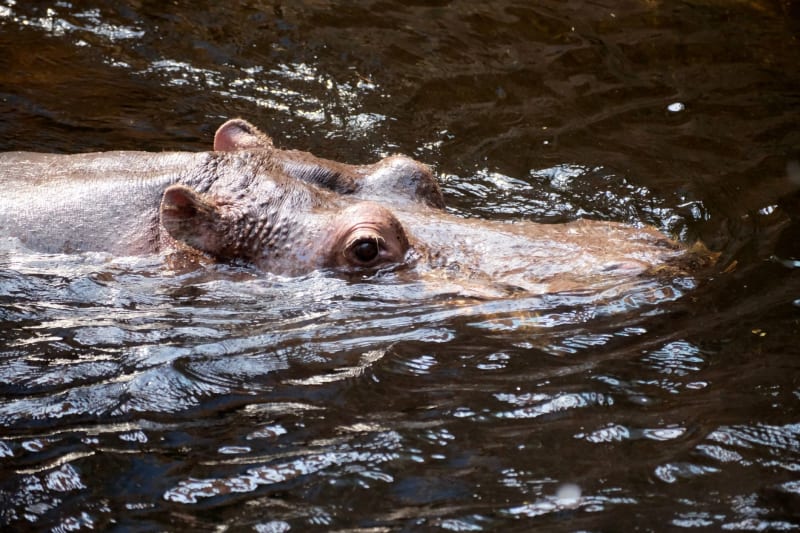
- Moo Deng, a pygmy hippo at Chiang Mai Zoo, has gained international fame for her uncanny ability to predict World Cup semi-final winners, drawing massive online attention and engagement.
- Her prediction method involves choosing between two fruit-laden footballs, each representing a competing nation, a process that is both simple and incredibly endearing to viewers worldwide.
- The zoo's initiative to involve Moo Deng in World Cup predictions serves a dual purpose: enhancing public engagement with wildlife and subtly promoting conservation efforts for endangered species.
- Moo Deng's viral popularity highlights the powerful intersection of sports, social media, and animal fascination, creating a unique phenomenon that transcends typical news cycles.
- The pygmy hippo's role as an oracle provides a lighthearted yet significant distraction from the intense pressure and scrutiny often associated with major sporting events like the World Cup.
- This charming story underscores the potential for zoos to innovate their public outreach strategies, leveraging popular culture moments to connect with broader audiences and advocate for their missions.
Background
The phenomenon of animal oracles predicting major sporting events is not new, but Moo Deng, a pygmy hippo residing at Thailand's Chiang Mai Zoo, has elevated this tradition to an unprecedented level of global fascination. Her journey to internet stardom began with simple, yet profoundly engaging, World Cup predictions. As the tournament progressed, her choices, often delivered with a charming lack of fanfare, started garnering significant attention, transforming her from a beloved zoo resident into an international sensation. This delightful trend has not only brought smiles to millions but has also shone a spotlight on the unique personalities within the animal kingdom.
Moo Deng's method is elegantly straightforward: presented with two footballs, each adorned with the flag of a competing nation and filled with her favorite fruits, she makes her selection by nudging or interacting with one. This seemingly simple act is then broadcast to a captivated online audience, eagerly awaiting her pronouncements. The simplicity of the process, combined with the inherent cuteness of a pygmy hippo engaging with human sports, has created a potent recipe for viral success, demonstrating how unexpected sources can become central figures in global cultural moments.
The Chiang Mai Zoo has masterfully leveraged Moo Deng's burgeoning fame, not merely for entertainment, but as a strategic tool for public engagement and education. By featuring her in these high-profile predictions, the zoo effectively draws attention to its conservation efforts and the critical importance of protecting endangered species like the pygmy hippo. This innovative approach showcases how zoos can adapt to modern media landscapes, transforming a fun viral moment into a meaningful platform for advocacy and awareness, ultimately benefiting both the animals and the public's understanding of wildlife conservation.
Why It Matters
Moo Deng's viral popularity transcends mere entertainment; it represents a significant cultural phenomenon that highlights our collective desire for lightheartedness and connection in an often-serious world. In an era dominated by complex global issues and intense political discourse, the simple joy derived from watching a pygmy hippo make World Cup predictions offers a much-needed respite. This charming narrative provides a refreshing escape, reminding us that moments of pure, unadulterated fun can still capture widespread attention and unite people across diverse backgrounds, proving that sometimes, the most impactful stories are the most unexpected.
Beyond the immediate amusement, Moo Deng's story serves as an invaluable platform for raising awareness about pygmy hippos, a species facing significant conservation challenges. Her newfound celebrity status provides an unprecedented opportunity for the Chiang Mai Zoo and conservation organizations worldwide to educate the public about habitat loss, poaching, and the critical need for protective measures. By associating an adorable, charismatic animal with a globally recognized event, the narrative effectively transforms abstract conservation messages into tangible, relatable calls to action, fostering a deeper connection and empathy for wildlife.
Furthermore, this phenomenon underscores the evolving role of zoos in the 21st century. No longer just places for exhibition, modern zoos are becoming dynamic centers for education, research, and conservation, employing innovative strategies to engage the public. Moo Deng's success demonstrates how creative public relations and social media engagement can amplify a zoo's mission, drawing in new audiences and fostering a sense of community around wildlife protection. This innovative approach is crucial for securing the future of endangered species and ensuring that conservation remains a prominent global priority.
Ground Reality
The daily routine at Chiang Mai Zoo has been significantly energized by Moo Deng's celebrity status. Keepers report a noticeable increase in visitor numbers, with many specifically coming to catch a glimpse of the famous hippo. This surge in public interest translates directly into enhanced funding opportunities for the zoo, crucial for maintaining high standards of animal welfare, supporting breeding programs for endangered species, and funding essential research. The positive ripple effect extends beyond mere gate receipts, fostering a vibrant atmosphere of curiosity and learning among visitors of all ages.
On social media, the impact is even more profound. Videos of Moo Deng's predictions regularly go viral, accumulating millions of views, shares, and comments across platforms like TikTok, Instagram, and X. This digital footprint has transformed her into a global ambassador for pygmy hippos, reaching audiences far beyond the zoo's physical gates. The comments sections are filled with expressions of delight, curiosity, and even serious discussions about conservation, illustrating the powerful capacity of a charming animal to bridge cultural divides and spark meaningful conversations online.
While the predictions are undeniably a source of entertainment, the zoo staff emphasizes that the core mission remains conservation and education. They meticulously ensure that Moo Deng's participation is stress-free and enriching, integrating the prediction process into her regular feeding schedule as a form of environmental enrichment. This careful balance ensures that the spectacle never overshadows the animal's well-being or the zoo's ethical responsibilities, reinforcing the message that while fun, the underlying purpose is always about fostering respect and understanding for wildlife.
What Experts Are Saying
Animal behaviorists and zoo professionals are largely supportive of initiatives like Moo Deng's predictions, provided they are conducted ethically and prioritize animal welfare. Dr. Anya Sharma, a renowned ethologist, notes, "Engaging charismatic megafauna in public activities, when done correctly, can be an incredibly effective tool for public education and fundraising. It creates an emotional connection that traditional lectures often fail to achieve, making conservation tangible and relatable for a broader audience." She emphasizes the importance of ensuring that such activities are voluntary for the animal and integrated into their natural behaviors, rather than being forced or stressful.
Marketing and public relations experts view Moo Deng's phenomenon as a masterclass in viral content creation and brand building for non-profit organizations. "The Chiang Mai Zoo has stumbled upon, or perhaps expertly crafted, a perfect storm of virality," explains Professor David Chen, a specialist in digital marketing. "It combines the universal appeal of sports, the inherent cuteness of an animal, and the element of surprise. This isn't just about entertainment; it's a brilliant, low-cost strategy to generate global media attention and drive engagement with their core mission." He suggests that other zoos and conservation groups could learn valuable lessons from this organic success.
Conservation scientists, while appreciating the increased visibility for pygmy hippos, also offer a cautious perspective. "While Moo Deng's fame is fantastic for drawing attention to her species, it's crucial that this doesn't become a fleeting trend," states Dr. Emily Vance, a conservation biologist. "The real challenge is to convert this momentary interest into sustained support for long-term conservation efforts in the wild. Education must extend beyond the predictions to the critical threats these animals face in their natural habitats, ensuring that the charm translates into genuine action and policy change." She advocates for linking such popular initiatives directly to actionable steps for public involvement.

Frequently Asked Questions
What Happens Next
As the World Cup semi-finals draw closer, the anticipation for Moo Deng's next predictions will reach a fever pitch. Her choices will undoubtedly be scrutinized, celebrated, or commiserated over by millions, further cementing her status as a global icon. The Chiang Mai Zoo is preparing for an even greater influx of media attention and visitor interest, ready to capitalize on this unique opportunity to promote their conservation message on an international stage. This period will be crucial for translating fleeting interest into lasting support for their mission.
Beyond the World Cup, the zoo plans to continue leveraging Moo Deng's popularity through various educational and engagement initiatives. This might include special events, merchandise, and continued social media campaigns focused on pygmy hippo conservation and the broader ecosystem. The goal is to ensure that Moo Deng's fame extends beyond the football season, creating a sustained legacy that benefits her species and inspires a new generation of wildlife advocates. Her story is a powerful reminder of how unexpected ambassadors can drive significant change.
The success of Moo Deng's predictions could also inspire other zoos and conservation organizations worldwide to explore similar creative approaches to public engagement. This trend of 'animal oracles' might see a resurgence, with institutions finding innovative ways to connect their resident animals with popular culture events. However, the critical lesson from Moo Deng's story is the importance of authenticity, animal welfare, and a clear conservation message at the heart of such initiatives, ensuring that entertainment serves a higher purpose.














Comments
No comments yet. Be the first to comment!