

The Numbers
- Global AR/VR market projected to exceed $300 billion by 2026, driven by immersive entertainment and enterprise solutions, representing a compound annual growth rate of over 40% from current figures.
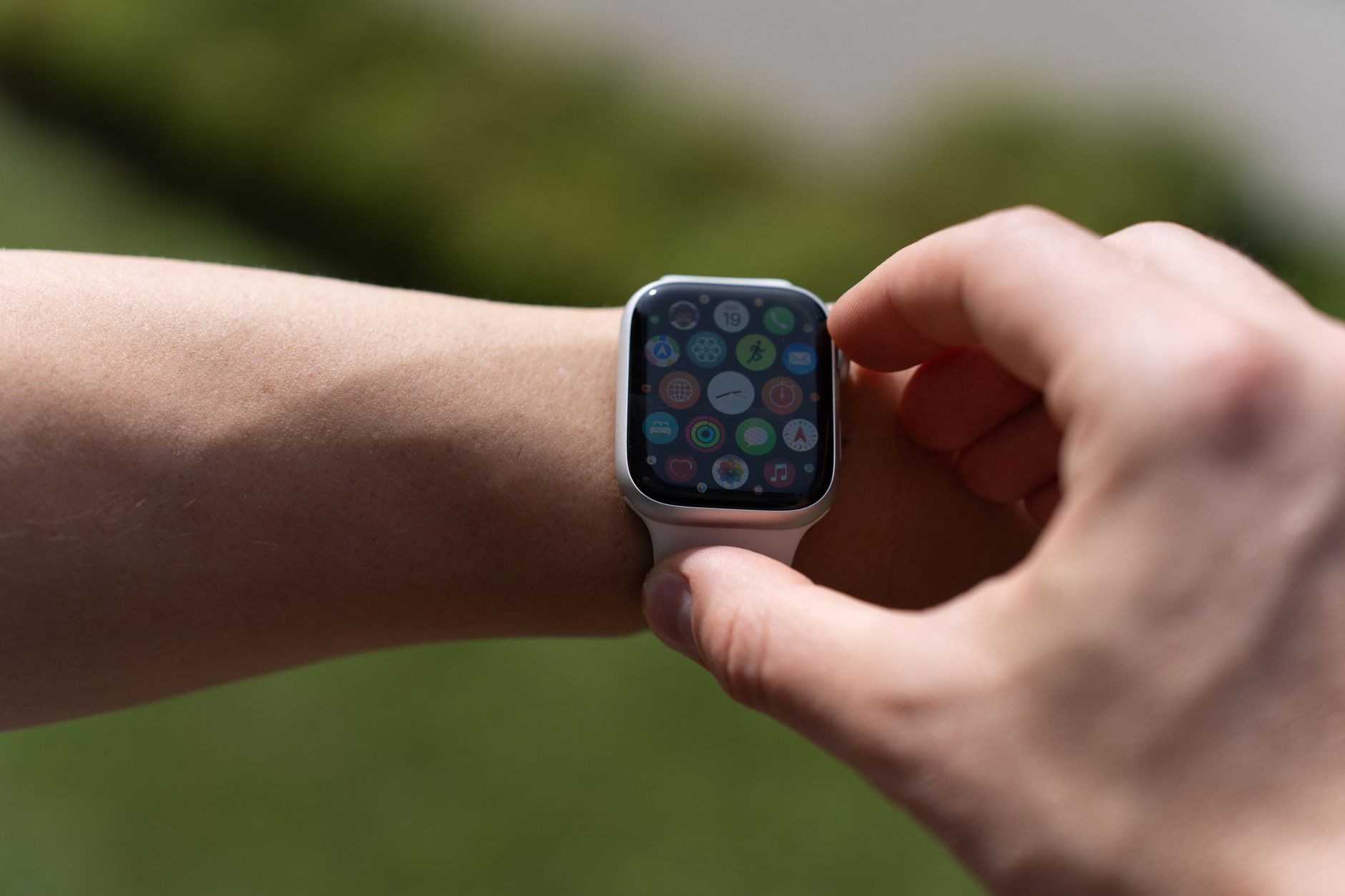
- Wearable tech shipments are forecast to reach 600 million units annually by 2026, with health monitoring and smart apparel leading the charge in consumer adoption and technological advancement.
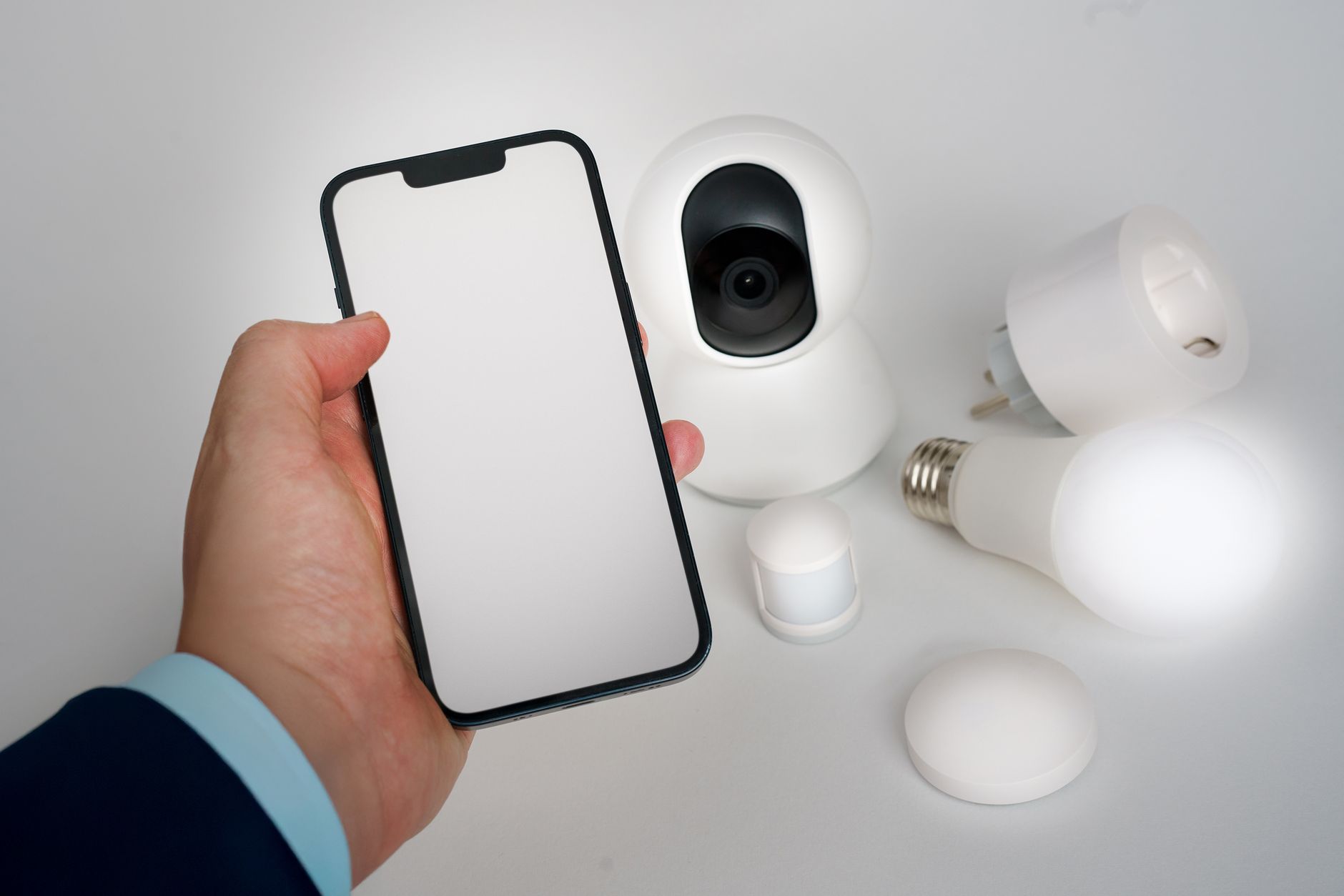
- AI integration in consumer electronics is expected to jump by 75% in the next two years, enhancing everything from predictive text to personalized smart home environments and offering unprecedented levels of user convenience.
- Sustainable gadget materials and energy efficiency are now a priority for 60% of consumers, influencing purchasing decisions and driving manufacturers towards greener production methods and circular economy principles.
- Battery life improvements across portable devices are averaging a 15-20% gain year-over-year, crucial for powering more complex features and reducing charging dependency for the always-on user.
- The average consumer now owns 7 internet-connected devices, a figure projected to rise to 10 by 2026, highlighting the increasing interconnectedness of our digital lives and the demand for seamless integration.
Context Check
The year 2026 marks a pivotal moment in technological evolution, where the lines between science fiction and reality blur with unprecedented speed. We are witnessing the maturation of several key technologies that have been on the horizon for years, now finally reaching a level of sophistication and affordability that makes them accessible to the mainstream. This isn't just about incremental upgrades; it's about fundamental shifts in how we interact with our digital and physical worlds, driven by advancements in artificial intelligence, augmented reality, and sustainable energy solutions. The pace of innovation demands constant vigilance to truly grasp the implications of these new tools.
The current landscape is characterized by a fierce competition among tech giants and nimble startups alike, all vying to define the next generation of personal electronics. This competitive environment fosters rapid development, pushing boundaries in areas like miniaturization, processing power, and user interface design. Consumers are no longer satisfied with mere functionality; they demand seamless integration, intuitive experiences, and devices that anticipate their needs. This heightened expectation is a significant driver behind the sophisticated features we are seeing in the latest wave of gadgets, transforming everything from communication to entertainment and productivity.
Furthermore, ethical considerations and sustainability are increasingly influencing product design and consumer choice. As the environmental impact of electronics becomes more apparent, there's a growing demand for devices that are not only powerful but also responsibly sourced and manufactured. This shift is compelling companies to innovate in materials science, energy efficiency, and end-of-life recycling, ensuring that the technological marvels of 2026 don't come at an unacceptable cost to the planet. Understanding this broader context is crucial to appreciating the full scope of these new gadget releases.
Background
The journey to the cutting-edge gadgets of 2026 began decades ago with foundational research in areas like artificial intelligence, advanced display technologies, and miniature computing. Early prototypes of augmented reality glasses, for instance, were clunky and impractical, but they laid the groundwork for the sleek, powerful devices emerging today. Similarly, the concept of a truly intelligent personal assistant has evolved from simple voice commands to sophisticated AI models capable of complex reasoning and predictive capabilities. This long arc of development underscores the iterative nature of technological progress, where each generation builds upon the successes and failures of its predecessors, refining concepts until they reach a point of market readiness and widespread appeal.
Key breakthroughs in materials science, particularly in flexible electronics and advanced battery chemistry, have been instrumental in enabling the current wave of innovation. Without these advancements, many of the form factors and extended functionalities we now take for granted would be impossible. The ability to create durable, lightweight, and energy-efficient components has unlocked new possibilities for wearable technology, foldable screens, and devices that seamlessly blend into our environment. This foundational progress is often overlooked but is absolutely critical to understanding how these futuristic gadgets have transitioned from conceptual designs to tangible products in our hands.
The rapid acceleration of computing power, often described by Moore's Law, combined with the proliferation of high-speed internet connectivity, has also played a crucial role. Cloud computing and edge AI have enabled devices to offload intensive processing, allowing for slimmer designs and longer battery life while still delivering powerful performance. This interconnected ecosystem means that individual gadgets are no longer standalone units but rather integral parts of a larger, intelligent network. The convergence of these various technological streams has created a fertile ground for the revolutionary products we are now seeing, marking 2026 as a landmark year for consumer electronics.
Winners and Losers
The clear winners in this technological surge are undoubtedly consumers who embrace innovation. They gain access to unprecedented levels of convenience, immersive entertainment, and powerful tools that enhance productivity and well-being. Early adopters of these cutting-edge gadgets will experience improved health monitoring, more intuitive smart home control, and entirely new ways to interact with digital content. Companies that have invested heavily in R&D, particularly in AI, AR, and sustainable manufacturing, are also poised for significant market share and brand loyalty. Their foresight in anticipating consumer needs and technological trends is now paying dividends, solidifying their positions as industry leaders.
Conversely, traditional hardware manufacturers resistant to adopting new paradigms risk falling behind. Companies clinging to outdated designs or failing to integrate AI and sustainable practices into their product lines will struggle to compete in a rapidly evolving market. The pace of change is unforgiving, and those unable to adapt their supply chains, design philosophies, and marketing strategies to meet the demands of 2026 consumers will face declining sales and relevance. This technological shift is a crucible, refining the industry and exposing weaknesses in companies that lack agility and forward-thinking leadership.
Another group facing potential challenges are those individuals and businesses unprepared for the rapid digital transformation. While the benefits are immense, the learning curve for integrating complex new technologies can be steep. This digital divide could widen, leaving some segments of the population or certain industries struggling to keep pace with the advancements. Furthermore, concerns around data privacy and digital security become even more pronounced with highly integrated, AI-powered devices, creating a new battleground for consumer trust and regulatory oversight. The societal implications of such pervasive technology demand careful consideration to ensure equitable access and protection.
Analyst Perspectives
Industry analysts are largely in agreement that 2026 represents a critical inflection point for consumer electronics, moving beyond mere connectivity to true intelligent integration. Dr. Anya Sharma, a leading tech futurist, notes, "We're seeing a fundamental shift from devices that merely perform tasks to ones that anticipate needs, learn user behavior, and seamlessly blend into our daily routines. The era of ambient computing is no longer a distant dream; it's becoming a tangible reality, driven by advancements in edge AI and sensor fusion." This perspective highlights the transformative potential beyond individual gadget features, emphasizing the creation of a cohesive, intelligent environment.
Many experts also point to the increasing importance of ecosystem play rather than standalone product excellence. "The battle isn't just for the best smartphone or the most advanced AR headset," explains market analyst Mark Chen. "It's about who can create the most compelling, interconnected ecosystem where all devices work harmoniously, sharing data and enhancing user experience across the board." This suggests that companies with robust platforms and a diverse range of integrated products will hold a significant advantage, fostering brand loyalty through convenience and seamless interaction. The walled gardens of tech giants are becoming increasingly sophisticated and difficult to penetrate.
However, not all perspectives are entirely optimistic. Some analysts, like cybersecurity expert Dr. Lena Petrova, raise valid concerns about the privacy implications of such deeply integrated and intelligent devices. "As gadgets become more personal and predictive, the sheer volume and sensitivity of data they collect will skyrocket. Ensuring robust security protocols and transparent data handling policies will be paramount to maintaining consumer trust. Without it, even the most innovative devices could face significant backlash and regulatory scrutiny," she warns. This critical viewpoint underscores the ongoing tension between technological advancement and the imperative for user protection in an increasingly data-driven world.
Key Questions Explained
The Outlook
The outlook for the gadget landscape in 2026 and beyond is one of relentless innovation and increasing integration. We are moving towards a future where technology is not just in our pockets but seamlessly woven into the fabric of our lives, anticipating our needs and augmenting our capabilities in ways previously confined to science fiction. The convergence of AI, AR, and advanced connectivity will create an intelligent environment where devices communicate effortlessly, offering personalized experiences that adapt to individual preferences and contexts. This trajectory suggests a future where technology becomes less noticeable as a separate entity and more like an intuitive extension of human intention.
However, this exciting future also brings significant challenges that must be proactively addressed. Ethical considerations around data privacy, algorithmic bias, and the potential for digital addiction will become even more critical as technology becomes more pervasive and intelligent. Regulatory bodies, tech companies, and consumers alike will need to collaborate to establish responsible guidelines and ensure that these powerful tools are used for the betterment of society, not its detriment. The balance between innovation and ethical deployment will define the success and acceptance of these groundbreaking gadgets in the long term.
Ultimately, 2026 is just the beginning of a new era in personal technology. The devices unveiled this year are not merely products; they are foundational elements of a future ecosystem that promises to redefine human-computer interaction, enhance our understanding of the world, and unlock unprecedented levels of productivity and creativity. The continuous evolution of these technologies, coupled with a growing emphasis on user-centric design and sustainability, paints a picture of a dynamic and transformative decade ahead. Staying informed and adaptable will be key to navigating this thrilling technological frontier.













Comments
No comments yet. Be the first to comment!