

Key Takeaways
- The U.S. Treasury Department's OFAC has significantly expanded its Specially Designated Nationals (SDN) List, targeting entities and individuals across multiple sectors, demanding immediate and thorough screening updates for all international transactions and partnerships.
- New sectoral sanctions have been imposed on key industries, including advanced technology and financial services, particularly impacting companies operating in or with ties to specific geopolitical regions, necessitating a re-evaluation of supply chains and investment portfolios.
- Compliance requirements are becoming increasingly stringent, with a heightened focus on beneficial ownership transparency and enhanced due diligence, pushing companies to invest in more robust compliance frameworks and automated screening solutions.
- The European Union has introduced new measures aimed at closing loopholes in existing sanctions regimes, particularly concerning dual-use goods and services, which will require businesses to conduct more granular assessments of their product classifications and end-user declarations.
- Enforcement actions are expected to intensify, with regulatory bodies signaling a zero-tolerance approach to sanctions evasion, meaning even minor infractions could lead to substantial fines and reputational damage, underscoring the need for proactive legal counsel.
- Companies engaged in international trade must conduct an urgent review of their current compliance protocols and risk assessments to align with these evolving regulatory landscapes, ensuring all operations remain fully compliant and insulated from potential legal repercussions.
Background
The global sanctions landscape has been in a constant state of flux, driven by geopolitical tensions, evolving national security interests, and a concerted international effort to combat illicit financial activities. Over the past several years, we have witnessed an unprecedented expansion in the scope and complexity of sanctions regimes, moving beyond traditional state-level embargoes to highly targeted measures against specific individuals, entities, and sectors. This shift reflects a strategic pivot by major powers to exert economic pressure more precisely, aiming to alter behavior without resorting to broader, more disruptive trade restrictions. The June 22, 2026, update from the U.S. Treasury Department's Office of Foreign Assets Control (OFAC) is a direct continuation of this trend, signaling a renewed commitment to leveraging financial sanctions as a primary tool of foreign policy.
This latest wave of sanctions builds upon a foundation laid by previous regulatory actions, which have progressively tightened the screws on various industries and geographic regions deemed critical to the strategic interests of sanctioned states or non-state actors. The proliferation of sophisticated financial networks and the increasing interconnectedness of the global economy have presented significant challenges to enforcement agencies, prompting them to develop more intricate and far-reaching regulations. Consequently, businesses operating internationally have been forced to navigate an increasingly labyrinthine web of compliance obligations, where missteps can carry severe legal and financial consequences. The current environment demands not just adherence, but a proactive and anticipatory approach to regulatory changes.
Historically, sanctions have been utilized as a diplomatic tool, a means of applying non-military pressure to achieve specific policy objectives, such as counter-terrorism, non-proliferation, and human rights protection. However, their application has become significantly more nuanced and dynamic. The rise of cyber warfare and the weaponization of economic interdependence have further complicated the picture, leading to sanctions that target digital infrastructure and emerging technologies. This ongoing evolution underscores the critical need for all stakeholders – from multinational corporations to individual financial institutions – to remain perpetually vigilant and adaptable in their compliance strategies. The June 2026 update is not an isolated event but a crucial chapter in this ongoing narrative of global economic statecraft.
Why It Matters
The immediate impact of these updated sanctions is profound, extending far beyond the directly targeted entities. Businesses engaged in international trade, finance, and technology must recognize that the ripple effects will touch supply chains, banking relationships, and investment portfolios globally. Non-compliance is no longer a mere administrative oversight; it is a critical vulnerability that can lead to devastating financial penalties, including multi-million dollar fines, asset freezes, and severe reputational damage that can take years to repair. The regulatory bodies are demonstrating an unequivocal resolve to enforce these measures, making it imperative for companies to act with urgency and precision in adapting their operational frameworks.
Beyond the direct financial and legal repercussions, these sanctions fundamentally alter the risk landscape for international operations. Companies that fail to update their due diligence processes and screening mechanisms risk inadvertently facilitating transactions with sanctioned parties, leading to potential criminal charges for executives and a complete loss of market access. The interconnectedness of global finance means that even indirect exposure to sanctioned entities through third-party vendors, partners, or customers can trigger severe penalties. This necessitates a comprehensive, enterprise-wide review of all business relationships and transactional flows to identify and mitigate potential areas of non-compliance before they escalate into crises.
Furthermore, the evolving nature of sanctions means that what was compliant yesterday may not be compliant today. This dynamic environment requires continuous monitoring, expert legal guidance, and a proactive approach to compliance training for all relevant personnel. The cost of proactive compliance, while significant, pales in comparison to the financial and reputational fallout from a sanctions violation. For businesses aiming to maintain their global footprint and ensure long-term viability, understanding and rigorously adhering to these new mandates is not optional; it is a fundamental pillar of sustainable international commerce. Ignoring these changes is a direct path to significant operational and legal jeopardy.
Ground Reality
On the ground, the immediate consequence of the June 22, 2026, sanctions update is a palpable sense of urgency within legal and compliance departments worldwide. Companies are scrambling to identify newly listed entities and individuals, cross-referencing them against their existing client databases, vendor lists, and transaction records. This process is often complex and resource-intensive, particularly for multinational corporations with extensive global operations. Financial institutions, in particular, are facing immense pressure to enhance their transaction monitoring systems and implement real-time screening solutions to prevent any prohibited funds from flowing through their networks. The demand for sophisticated compliance technology and expert legal counsel has surged overnight, reflecting the critical need for rapid adaptation.
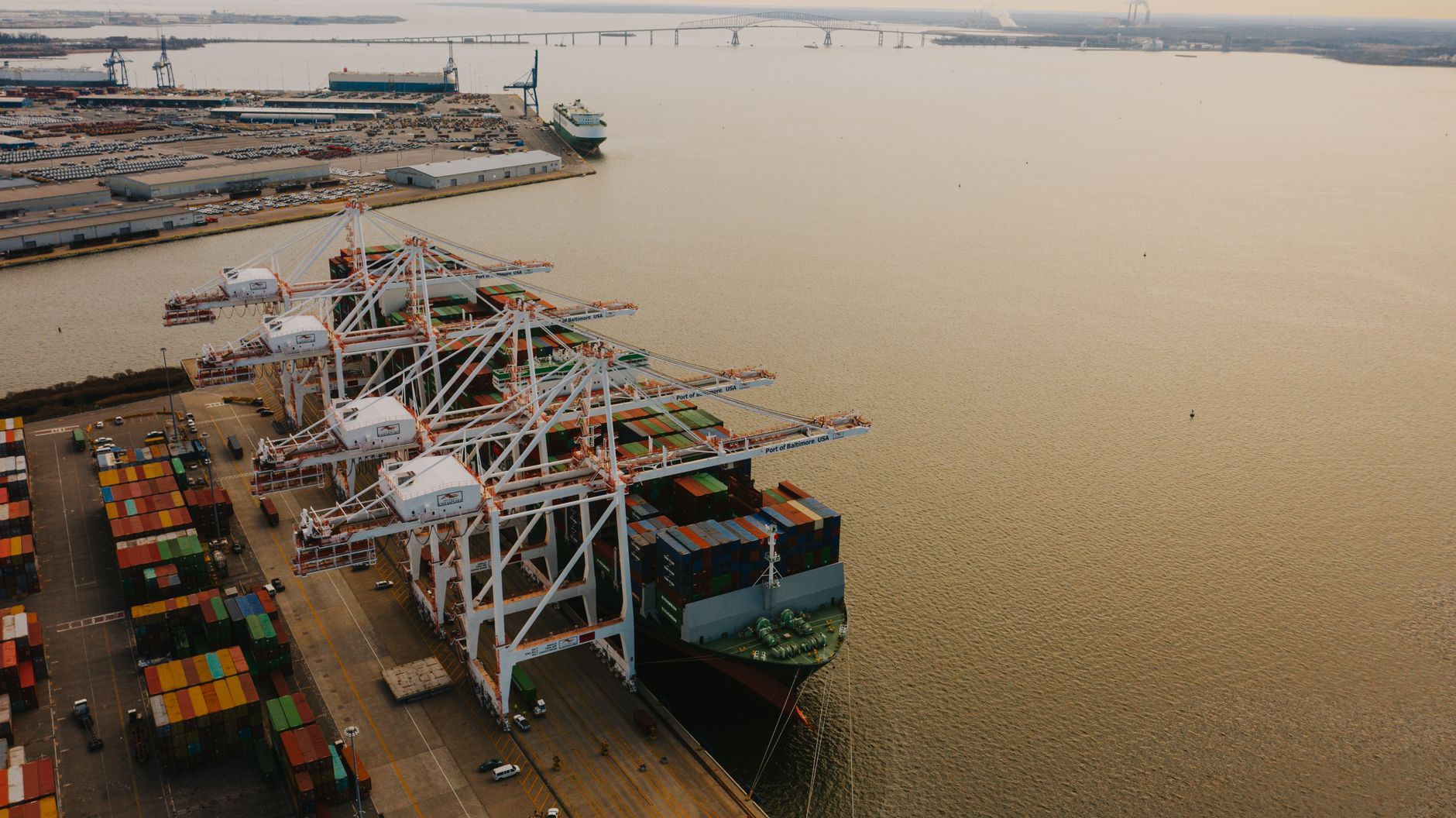
Supply chain disruptions are also emerging as a significant ground reality. Companies reliant on international components or raw materials are meticulously reviewing their entire procurement networks to ensure no sanctioned entities or regions are inadvertently involved. This often means identifying alternative suppliers, renegotiating contracts, and potentially re-routing logistics, all of which can incur substantial costs and delays. Small and medium-sized enterprises (SMEs) are particularly vulnerable, often lacking the dedicated compliance teams and financial resources of larger corporations to navigate these complex changes. The burden of proof for compliance increasingly falls on the businesses themselves, demanding meticulous record-keeping and transparent operational practices.
Moreover, the human element of compliance is under intense scrutiny. Employees, especially those in sales, procurement, and finance, must be thoroughly trained on the nuances of the new sanctions and the implications for their daily activities. The 'know your customer' (KYC) and 'know your vendor' (KYV) principles have never been more critical, requiring a deeper level of due diligence into beneficial ownership and ultimate control. The ground reality is that these sanctions are not just legal directives; they are operational challenges that require a holistic, integrated response across all facets of a business. Failure to embed compliance into the organizational culture will inevitably lead to vulnerabilities that regulators are increasingly keen to exploit.
What Experts Are Saying
Leading sanctions attorneys and compliance consultants are universally emphasizing the unprecedented scope and complexity of the June 22, 2026, sanctions update. "This isn't just an incremental change; it represents a significant escalation in the global regulatory environment," states Dr. Eleanor Vance, a senior partner at a prominent international law firm. "Companies that treat this as business as usual are making a grave mistake. The level of scrutiny from OFAC and its international counterparts is at an all-time high, and enforcement actions will be swift and severe for those found to be non-compliant. Proactive engagement with legal experts and a thorough review of all international dealings are no longer optional, but absolutely essential for survival in this landscape." This sentiment underscores the critical need for immediate action and comprehensive strategy.
Financial crime experts are also highlighting the sophisticated methods employed by sanctioned entities to circumvent restrictions, necessitating advanced technological solutions for detection. "The cat-and-mouse game between regulators and illicit actors continues to evolve," explains Marcus Thorne, a former financial intelligence unit head now consulting for global banks. "We're seeing increasingly complex ownership structures, the use of shell companies in jurisdictions with weak oversight, and even the exploitation of emerging digital assets to hide transactions. Businesses must invest in AI-driven analytics and blockchain forensics to stay ahead. Manual screening processes simply won't cut it anymore against these sophisticated evasion tactics. The regulatory expectation is that you are doing everything technologically possible to prevent illicit activity." This points to a significant technological arms race in compliance.
Geopolitical analysts are framing these sanctions within a broader context of international power dynamics and strategic competition. "These measures are not just about specific individuals or entities; they are a clear signal of intent from major global powers," notes Dr. Anya Sharma, a professor of international relations. "They reflect a strategic effort to reshape economic alliances and exert influence in critical regions. Businesses need to understand the geopolitical underpinnings of these sanctions to anticipate future regulatory shifts and adjust their long-term market strategies accordingly. A purely legalistic approach risks missing the bigger picture of where global commerce is heading." This perspective encourages a more holistic view, integrating geopolitical analysis into corporate strategy.

Frequently Asked Questions
What Happens Next
In the immediate aftermath of the June 22, 2026, sanctions update, expect a period of intense activity as businesses globally scramble to adapt their compliance frameworks. Regulatory bodies, particularly OFAC, will likely increase their enforcement actions, issuing public warnings and levying significant fines against companies found in violation. This will serve as a stark reminder of the critical importance of adherence and will further solidify the precedent for strict accountability. We anticipate a surge in demand for specialized legal and compliance consulting services as companies seek expert guidance to navigate these complex new requirements, ensuring their operations remain robust and compliant in a rapidly evolving regulatory landscape.
Looking further ahead, these sanctions are likely to catalyze a broader trend towards greater transparency in international finance and trade. Governments and international organizations will continue to push for enhanced beneficial ownership registries and more stringent due diligence standards, making it increasingly difficult for illicit actors to hide behind opaque corporate structures. This will drive further innovation in RegTech (Regulatory Technology), with AI and blockchain-based solutions becoming indispensable tools for real-time risk assessment and compliance monitoring. Companies that proactively embrace these technological advancements will gain a significant competitive advantage, while those that lag behind will face increasing operational friction and regulatory exposure.
Ultimately, the June 2026 sanctions update is not an isolated event but a critical waypoint in the ongoing evolution of global economic statecraft. We can expect continuous adjustments and expansions to sanctions regimes as geopolitical dynamics shift and new threats emerge. Businesses must therefore embed a culture of continuous compliance, treating it not as a static checklist but as a dynamic, integral component of their strategic planning. This proactive and adaptive approach will be crucial for maintaining market access, safeguarding reputation, and ensuring long-term resilience in an increasingly interconnected and regulated global economy. The future demands perpetual vigilance and strategic foresight.
















Comments
No comments yet. Be the first to comment!