

The Story in Brief
- The recent drone attack on US troops in Jordan, attributed to Iran-backed militias, has dramatically escalated tensions in the Middle East, pushing the region closer to a direct conflict.
- President Biden has vowed a decisive response, but the challenge lies in retaliating effectively without igniting a full-scale war, a delicate balance with profound global implications.
- Major General (Retd.) GD Bakshi warns that a direct US-Iran confrontation would inevitably trigger a catastrophic global economic crisis, primarily through disruptions in oil supplies.
- The Strait of Hormuz, a critical chokepoint for global oil transit, faces an existential threat; its closure would send crude oil prices soaring, destabilizing economies worldwide.
- Such a conflict would also likely see Iran targeting Israel, drawing additional regional powers into the fray and further complicating an already volatile geopolitical landscape.
- The potential for a broader regional war involving proxies and direct military engagements poses an unprecedented risk to international stability and economic prosperity.
The Human Face
Beyond the geopolitical chess moves and economic forecasts, a potential US-Iran conflict carries an immense human cost that often gets overshadowed. The immediate impact would be felt by the civilians caught in the crossfire, particularly in Iran, Iraq, Syria, and potentially Israel. Families would be displaced, infrastructure vital for daily life — hospitals, schools, power grids — would be destroyed, and countless lives would be irrevocably altered. The psychological scars of war, including trauma and displacement, would linger for generations, creating a humanitarian crisis of staggering proportions.
Furthermore, the ripple effects would extend far beyond the immediate conflict zones. Global energy price spikes would hit the poorest nations and most vulnerable populations the hardest, making essential goods unaffordable and exacerbating existing food security issues. Developing economies, heavily reliant on stable oil prices for transport and industry, would face severe economic contraction, leading to widespread unemployment and social unrest. This isn't just about abstract economic indicators; it's about real people struggling to feed their families, access medical care, and maintain a semblance of normal life amidst global instability.
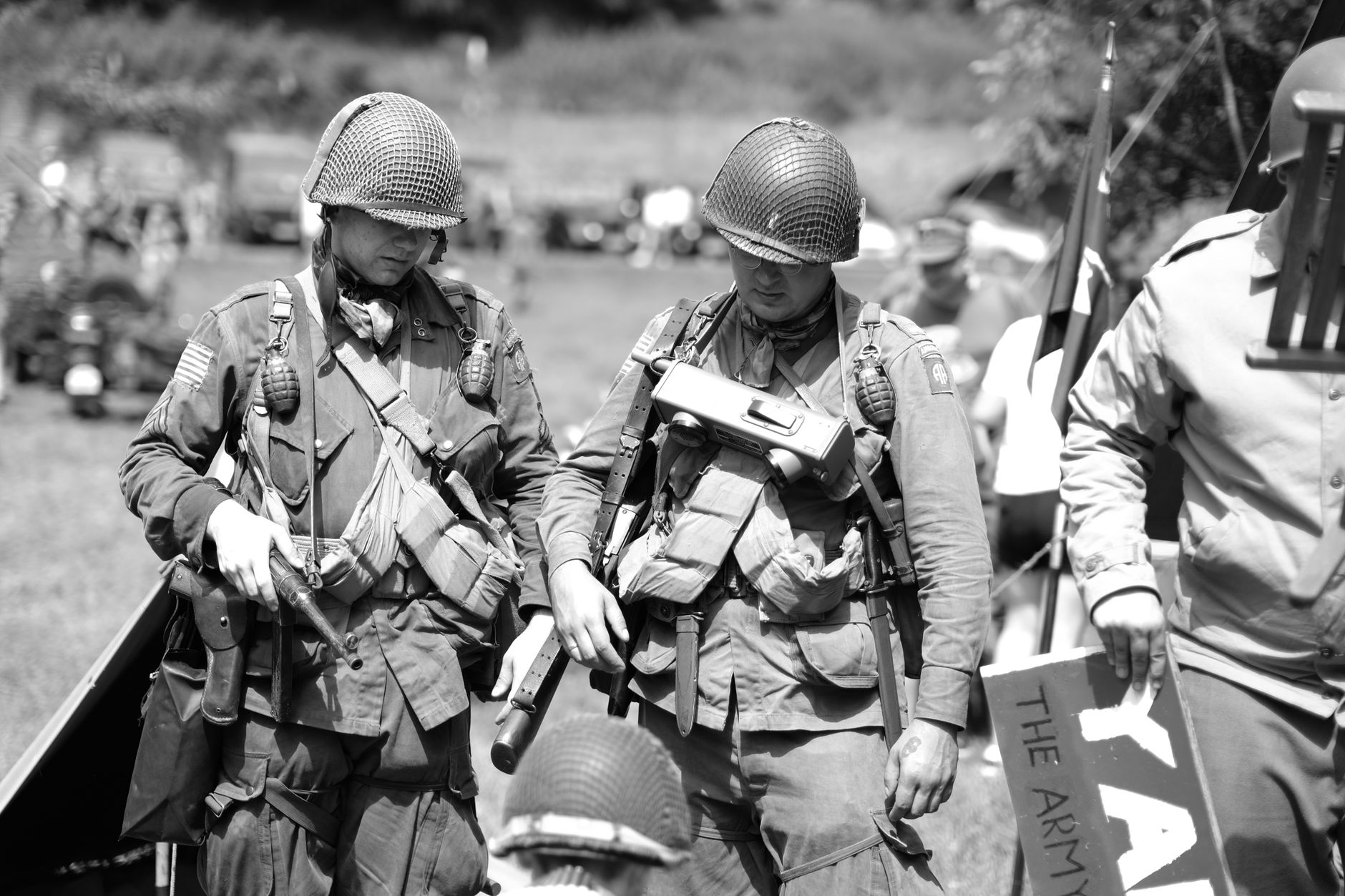
The human face of this potential conflict also includes the soldiers on all sides, who would be called upon to make the ultimate sacrifice. Their families would endure unimaginable anxiety and grief, regardless of their nationality or allegiance. The long-term consequences, from veteran care to the societal burden of conflict, are often underestimated. A war of this magnitude would not only claim lives but also leave an enduring legacy of suffering, division, and instability, underscoring the profound human stakes involved in every diplomatic misstep and military escalation.
How We Got Here
The current precipice of US-Iran relations is the culmination of decades of mistrust, strategic rivalries, and a series of escalating provocations. The roots can be traced back to the 1979 Iranian Revolution, which fundamentally altered the geopolitical landscape of the Middle East and established an adversarial relationship with the United States. Subsequent events, including the Iran-Iraq War, Iran's nuclear program, and its support for various proxy groups across the region, have consistently fueled tensions and prevented any lasting reconciliation. Each incident, whether a targeted strike or a diplomatic breakdown, has chipped away at stability, paving the way for the current volatile environment.
A pivotal moment in recent history was the Trump administration's withdrawal from the Joint Comprehensive Plan of Action (JCPOA), commonly known as the Iran nuclear deal, in 2018. This decision, coupled with the re-imposition of crippling sanctions, was intended to pressure Iran into renegotiating a more stringent agreement. Instead, it led to Iran accelerating its nuclear activities and intensifying its regional proxy operations, creating a cycle of escalation. The assassination of Iranian General Qassem Soleimani in early 2020 further inflamed tensions, bringing both nations to the brink of direct military confrontation and demonstrating the fragility of peace in the region.
The ongoing conflict in Gaza, ignited by the October 7th attacks, has acted as a significant accelerant, drawing Iran-backed groups like Hezbollah, the Houthis, and various Iraqi militias into direct engagement with US interests and its allies. The recent drone attack in Jordan, which killed three US service members, marks a critical inflection point, as it represents a direct fatality of American personnel by an Iran-backed entity. This tragic event has forced the Biden administration to contemplate a response that is both strong enough to deter future attacks and calibrated enough to avoid triggering a full-blown regional war, a task fraught with immense difficulty and global implications.
Why This Cannot Be Ignored
The potential for a direct US-Iran conflict cannot be ignored because its ramifications extend far beyond the immediate battlefields, threatening to destabilize the entire global economy and geopolitical order. The Middle East, already a volatile region, would plunge into an unprecedented crisis, drawing in numerous regional and international actors. This is not merely a localized dispute; it is a flashpoint with the power to ignite a chain reaction that could reshape international relations and economic stability for decades to come. The stakes are simply too high for complacency or miscalculation.
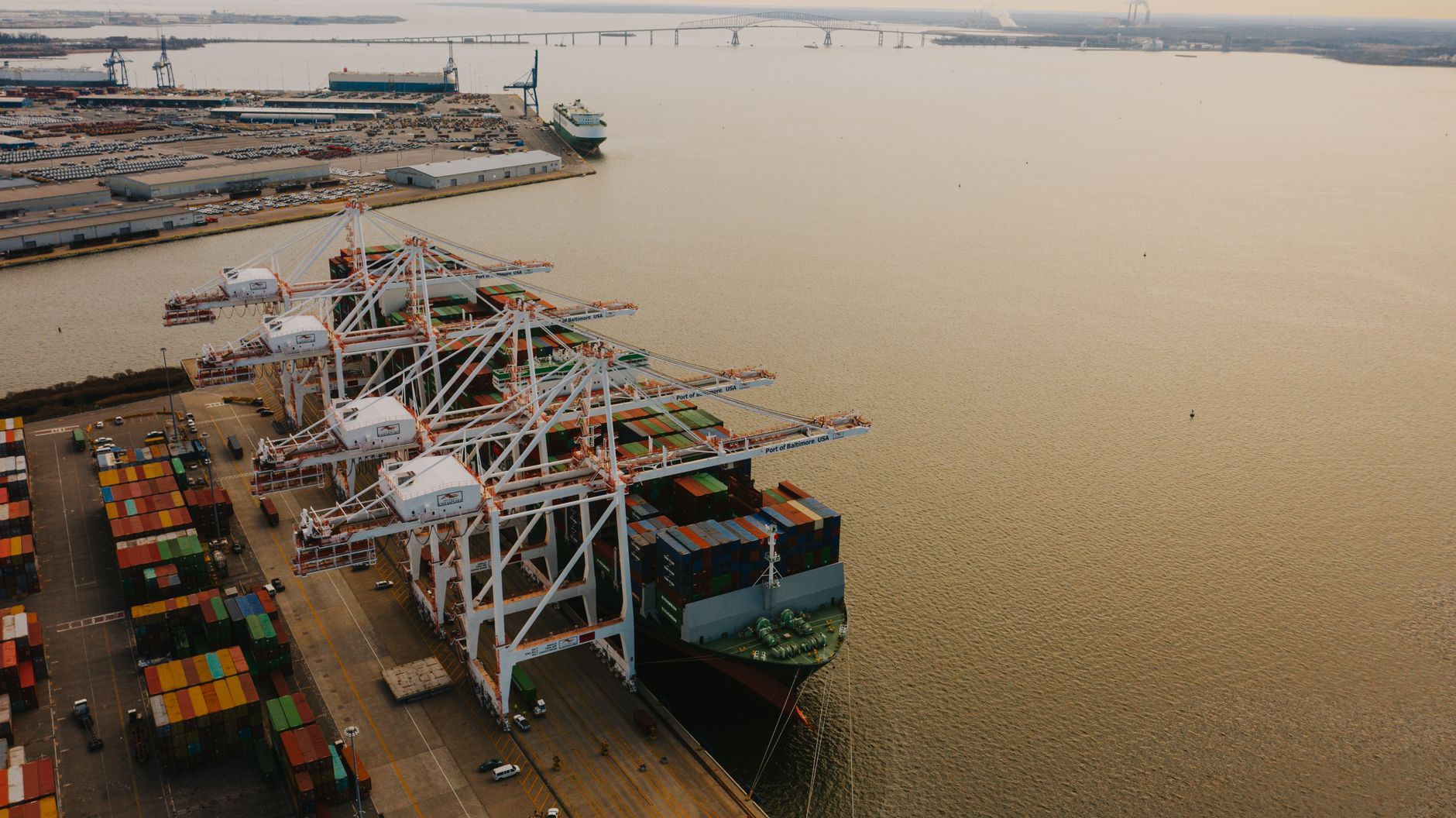
Economically, the most immediate and devastating impact would be on global energy markets. The Strait of Hormuz, through which approximately 20% of the world's oil supply passes, would become a primary target. Any disruption or closure of this vital chokepoint would send crude oil prices skyrocketing, potentially reaching unprecedented levels. Such an increase would trigger a global recession, crippling industries, increasing transportation costs, and making essential goods unaffordable for billions. Nations worldwide, from energy importers in Europe and Asia to developing economies, would face severe economic contraction, leading to widespread unemployment and social unrest.
Geopolitically, a US-Iran war would shatter existing alliances and create new, unpredictable alignments. Iran’s potential retaliation against Israel would escalate the conflict to an entirely new level, potentially drawing in other regional powers and further entrenching sectarian divisions. The broader implications for global security, including the potential for increased terrorism, refugee crises, and the erosion of international norms, are profound. The world cannot afford to ignore a conflict that promises such widespread devastation and long-term instability, necessitating urgent diplomatic efforts to de-escalate tensions and prevent a catastrophic outcome.
Possible Paths Forward
Navigating the treacherous landscape of US-Iran relations demands a multi-faceted approach, balancing deterrence with de-escalation. One immediate path involves a calibrated military response from the US, targeting the specific groups responsible for the drone attack without directly striking Iranian territory or assets. This strategy aims to punish perpetrators and restore deterrence without provoking a full-scale war. Such a response would need to be precise, limited, and clearly communicated to avoid misinterpretation, signaling resolve while leaving room for diplomatic off-ramps. The challenge lies in ensuring that any retaliatory action does not inadvertently trigger a broader, uncontrollable escalation, a tightrope walk with severe consequences.
Another crucial path forward involves intensified diplomatic engagement, both direct and through intermediaries. While direct talks may seem unlikely given the current tensions, back-channel communications and the involvement of neutral third parties could be vital in de-escalating the situation. This includes exploring mechanisms for de-confliction, establishing clear red lines, and identifying areas for mutual interest, however small. The goal would be to prevent further military escalation, open lines of communication, and eventually work towards a more stable regional security framework. This approach requires patience, strategic foresight, and a willingness from all parties to step back from the brink.
Finally, a long-term strategy must address the underlying causes of instability, including Iran's nuclear ambitions, its regional proxy network, and the broader security concerns of its neighbors. This could involve renewed international efforts to revive and strengthen a nuclear deal, coupled with regional security dialogues that include all major stakeholders. Economic incentives and disincentives could also play a role in shaping Iran's behavior. However, any comprehensive solution would require significant concessions from all sides and a sustained commitment to peace, moving beyond short-term retaliatory cycles towards a durable framework for regional stability. The current crisis underscores the urgent need for such a holistic and forward-looking approach.

Questions People Are Actually Asking
What to Watch
- The nature and scale of the US retaliatory strikes: Observe whether the response is limited to specific militia targets or if it expands to include Iranian assets or personnel, which would signal a significant escalation.
- Iran's immediate reaction to any US strikes: Watch for official statements, military movements, and any direct or proxy attacks on US interests or allies, particularly Israel or shipping in the Gulf.
- Movements and statements from key regional actors: Pay close attention to Israel, Saudi Arabia, and other Gulf states for their responses, which could indicate a broadening of the conflict.
- Global oil prices and market reactions: Monitor crude oil benchmarks like Brent and WTI for significant spikes, which would be a direct indicator of market fear and potential supply disruptions.
- Diplomatic efforts and international mediation: Look for any signs of de-escalation efforts by international bodies or neutral countries attempting to broker a ceasefire or open communication channels.
- The status of the Strait of Hormuz: Any threats or attempts by Iran to disrupt shipping in this critical chokepoint would be a major escalation with immediate global economic consequences.













Comments
No comments yet. Be the first to comment!