
The Story in Brief
- The Trump administration's tariffs, initially implemented years ago, continue to exert significant and often contradictory economic pressures across the global landscape, profoundly impacting trade relationships and domestic markets.
- By 2026, the costs associated with these tariffs have not been uniformly distributed; instead, they have created a complex mosaic of economic winners and losers among various countries and specific industrial sectors.
- While some domestic industries in the United States experienced a temporary boost due to reduced foreign competition, many others faced increased input costs, ultimately burdening consumers with higher prices and stifling innovation.
- Countries targeted by the tariffs, such as China, have adapted their trade strategies, often redirecting exports or seeking new markets, leading to shifts in global supply chains that are still unfolding.
- The agricultural sector, particularly in the U.S., bore a disproportionate share of the retaliatory tariffs, leading to substantial financial strain for farmers and necessitating government aid programs to cushion the blow.
- Economists and policy analysts are now meticulously evaluating the long-term structural changes these tariffs have induced, assessing their impact on global economic growth, international cooperation, and the future of free trade principles.
The Human Face
Behind the macroeconomic data and trade statistics are countless individual stories of resilience and hardship. Consider the American farmer, whose soybean exports to China plummeted overnight due to retaliatory tariffs. For generations, these farmers built their livelihoods on predictable international markets, only to see their income streams dry up, forcing many into debt or even out of business. The human cost here isn't just about lost profits; it's about shattered dreams, community instability, and the erosion of a way of life that underpinned rural America.
Conversely, some American steelworkers experienced a brief resurgence, as tariffs on imported steel created a temporary shield from cheaper foreign competition. This led to increased production and, in some cases, job security or even new hires in specific regions. However, this localized benefit often came at the expense of other domestic industries, like automobile manufacturers or construction companies, which faced higher raw material costs, ultimately impacting their competitiveness and consumer prices. The narrative is rarely black and white, revealing a nuanced interplay of gains and losses.
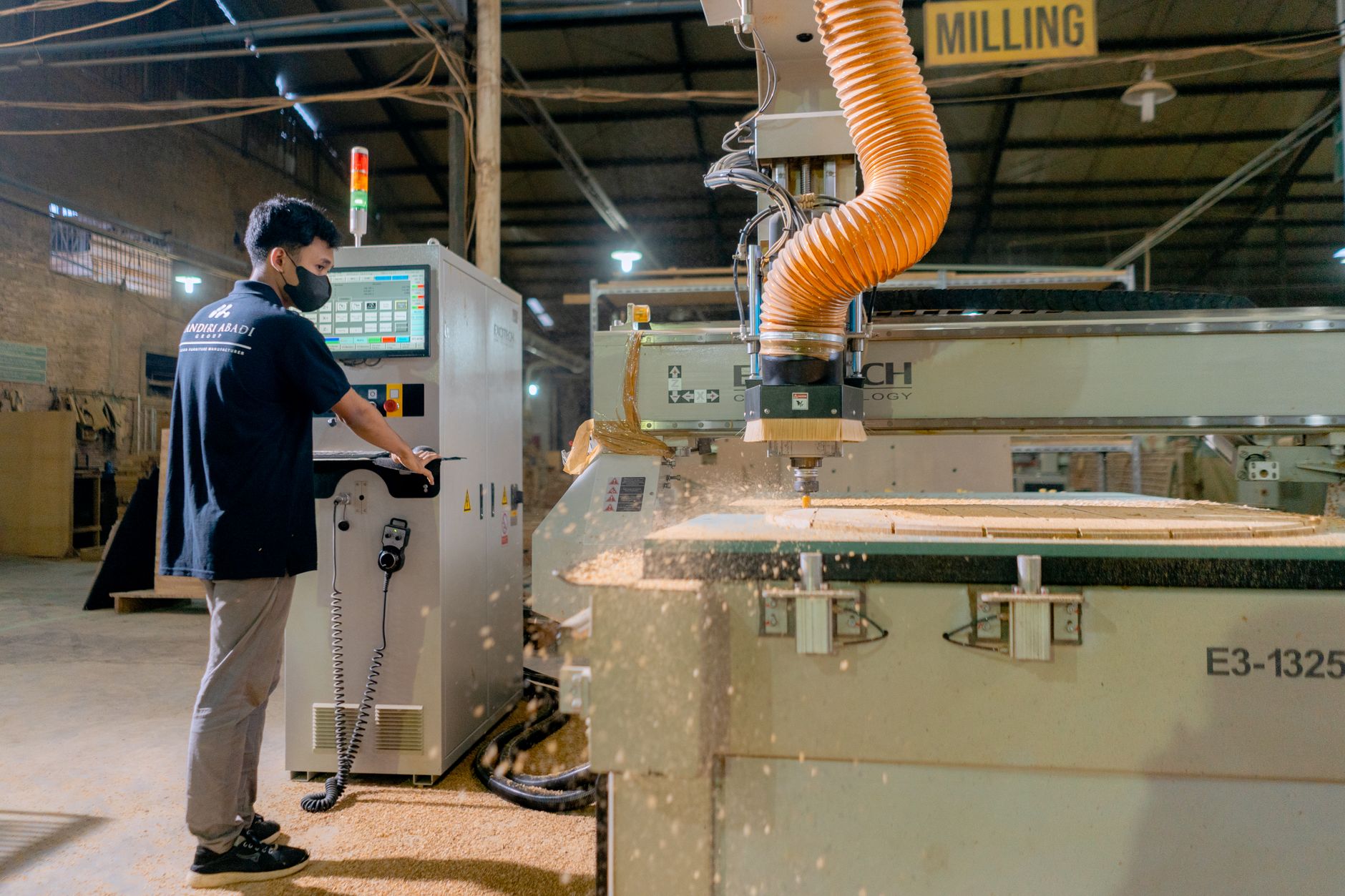
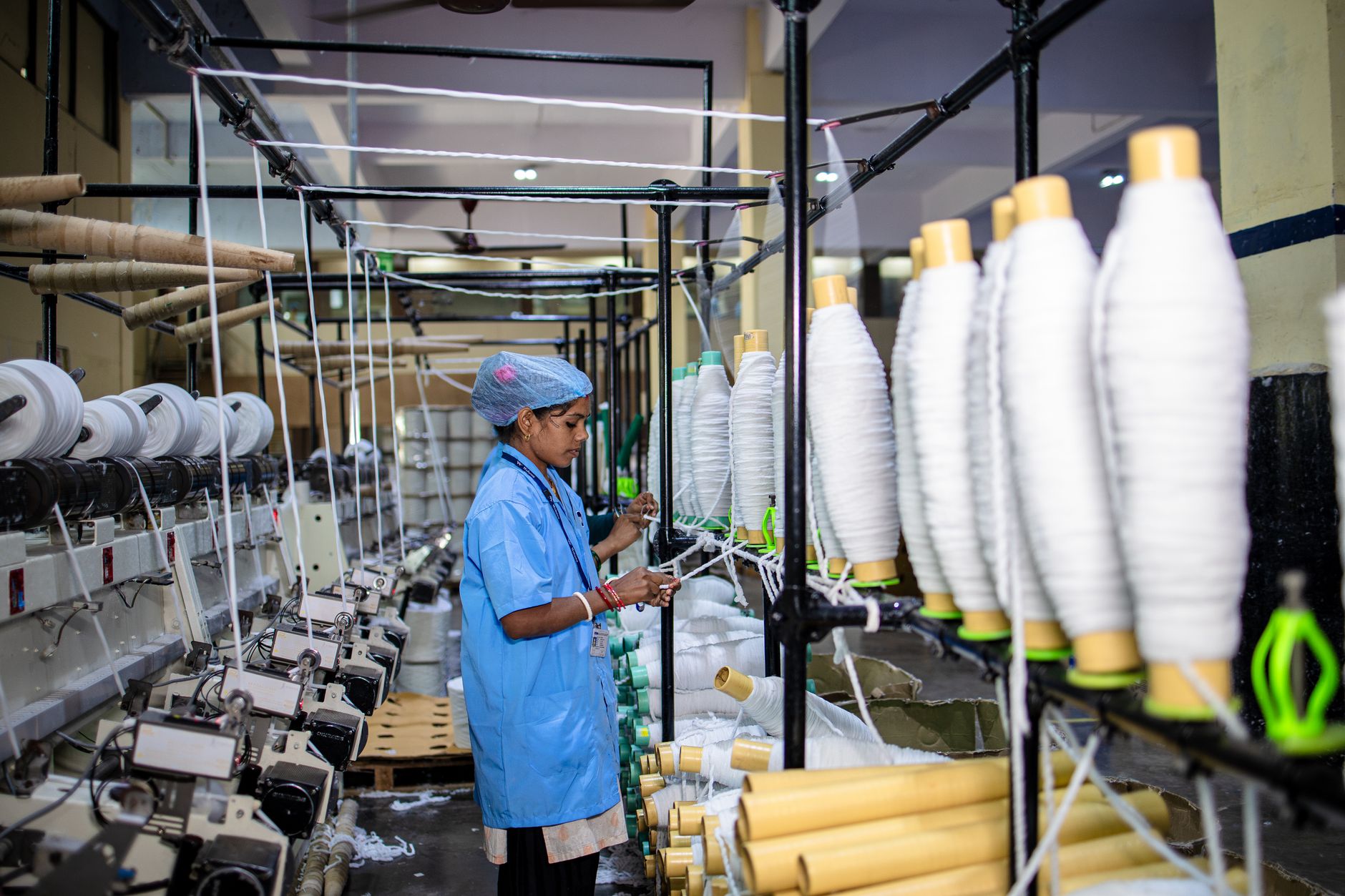
On the other side of the globe, workers in Chinese manufacturing hubs also felt the ripple effects. Factories that once thrived on exports to the U.S. were forced to scale back, lay off employees, or pivot aggressively to domestic markets or other international partners. This massive reorientation of supply chains created uncertainty and economic dislocation for millions, highlighting how trade policies, even those aimed at specific geopolitical goals, inevitably cascade down to impact the daily lives and economic security of ordinary citizens across borders. The global interconnectedness of our economies means that no policy decision exists in a vacuum.
How We Got Here
The genesis of the current tariff landscape can be traced directly to the Trump administration's assertive 'America First' trade policy, which officially commenced in 2018. This approach was predicated on the belief that existing international trade agreements and practices were inherently unfair to the United States, leading to significant trade deficits and the erosion of domestic manufacturing capabilities. The administration argued that tariffs were a necessary tool to force trading partners, particularly China, to address what it perceived as unfair trade practices, including intellectual property theft, forced technology transfers, and state-sponsored subsidies. This marked a significant departure from decades of bipartisan support for free trade and multilateral agreements, setting the stage for a period of intense global trade friction.
The initial salvo involved tariffs on steel and aluminum imports from a wide array of countries, justified on national security grounds under Section 232 of the Trade Expansion Act of 1962. This move immediately drew condemnation and retaliatory measures from key allies and trading partners, including Canada, Mexico, and the European Union. Subsequently, the administration escalated its strategy by imposing tariffs on hundreds of billions of dollars worth of Chinese goods under Section 301 of the Trade Act of 1974, citing China's alleged unfair trade practices. This aggressive expansion transformed what began as targeted actions into a full-blown trade war, fundamentally altering global supply chains and international economic relations.
By 2026, the legacy of these policies continues to shape economic realities. While some of the tariffs have been adjusted or suspended, many remain in place, influencing investment decisions, manufacturing locations, and consumer prices. The initial intent to bring manufacturing jobs back to the U.S. and reduce trade deficits has yielded mixed results, with economists still debating the overall effectiveness and long-term consequences. The period since 2018 has been characterized by a profound reevaluation of global trade dynamics, with nations grappling with the complexities of economic nationalism versus the benefits of integrated global markets, creating an enduring impact that extends far beyond the original political motivations.
Why This Cannot Be Ignored
The divergent costs of the Trump administration's tariffs are not merely academic economic data points; they represent a fundamental reshaping of global commerce with profound, long-lasting implications for businesses, consumers, and geopolitical stability. Ignoring these shifts would be a grave error, as they directly impact everything from the price of everyday goods to the strategic alliances between nations. The tariffs have forced companies to re-evaluate their entire supply chains, often leading to costly relocations or diversification away from previously reliable partners, ultimately increasing operational expenses that are frequently passed on to the end consumer. This inflationary pressure, combined with reduced market access for some industries, creates a volatile economic environment that demands constant monitoring and strategic adaptation.
Furthermore, the tariff regime has exacerbated geopolitical tensions, transforming economic disputes into broader diplomatic challenges. When major economies engage in tit-for-tat tariff battles, it erodes trust, undermines multilateral institutions like the World Trade Organization, and creates an environment of uncertainty that discourages long-term investment and international cooperation. This fragmentation of the global trading system makes it harder to address collective challenges such as climate change, pandemics, or financial crises, as nations become more inward-looking and less inclined to collaborate. The ripple effects extend beyond trade, influencing foreign policy and defense strategies, making the current situation a critical juncture for international relations.
For policymakers, understanding the precise distribution of these costs and benefits is paramount for crafting effective future trade strategies. A blanket approach to trade policy, without acknowledging the granular impact on specific industries and regions, risks perpetuating economic inequalities and undermining domestic growth. The ongoing analysis of which sectors thrived, which suffered, and why, provides invaluable lessons for navigating future global economic challenges. Failing to learn from this complex experiment in trade protectionism could lead to a repetition of costly mistakes, jeopardizing economic prosperity and stability for years to come. The stakes are too high to overlook the intricate details of this economic transformation.
Possible Paths Forward
One potential path forward involves a strategic re-engagement with multilateral trade institutions and a renewed commitment to rules-based international trade. This would entail working within frameworks like the World Trade Organization to address legitimate grievances regarding unfair trade practices, rather than resorting to unilateral tariffs. Such an approach could help de-escalate ongoing trade tensions, foster greater predictability for businesses, and encourage a more collaborative environment for resolving disputes. By strengthening global norms and enforcement mechanisms, nations could collectively tackle issues such as intellectual property theft or state subsidies without resorting to economically disruptive measures that harm consumers and producers alike. This path prioritizes diplomacy and collective action over isolationist policies, aiming to restore trust and stability in global commerce.
Another avenue focuses on targeted, industry-specific policies designed to mitigate the negative impacts of past tariffs while strategically bolstering domestic competitiveness. This could involve providing direct support or incentives to industries that were disproportionately harmed by retaliatory tariffs, such as certain agricultural sectors, to help them diversify markets or innovate. Concurrently, it might include investments in research and development, infrastructure, and workforce training to enhance the long-term resilience and global competitiveness of key domestic industries, rather than relying solely on tariff protection. This approach moves beyond broad-brush tariffs to a more nuanced industrial policy, recognizing that different sectors require tailored solutions to thrive in a complex global economy.
A third, more radical path, could see a continued embrace of economic nationalism, potentially leading to further decoupling of global supply chains and the formation of distinct economic blocs. This trajectory would involve maintaining or even expanding tariffs and other protectionist measures, prioritizing domestic production and self-sufficiency above all else. While proponents argue this could enhance national security and create domestic jobs, critics warn it risks higher consumer prices, reduced innovation, and slower global economic growth due to decreased efficiency and increased trade barriers. This path represents a significant departure from the post-World War II global economic order, with potentially profound and unpredictable consequences for international relations and overall prosperity.
Questions People Are Actually Asking
What to Watch
- Monitor ongoing trade negotiations between major economies, particularly any efforts by the current U.S. administration to modify or remove existing tariffs, which could signal a shift towards more collaborative trade policies or a continuation of protectionist measures.
- Observe the evolution of global supply chains as companies continue to 'de-risk' or 'friend-shore' their operations, looking for evidence of new manufacturing hubs emerging and how this impacts efficiency, cost, and geopolitical alignments.
- Track the performance of industries most affected by the tariffs, such as agriculture, steel, aluminum, and specific manufacturing sectors, to understand their long-term adaptation strategies and any lingering economic vulnerabilities.
- Pay close attention to inflation rates and consumer prices, as the lingering effects of tariffs on imported goods and raw materials can continue to contribute to higher costs, impacting household budgets and overall economic stability.
- Follow developments within the World Trade Organization and other international trade bodies, as their ability to mediate disputes and enforce rules will be crucial in shaping the future of global trade governance in a post-tariff era.
- Analyze the economic data from countries that were targets of tariffs, particularly China, to understand how they have successfully diversified their trade partners and adapted their export strategies, providing insights into the resilience of global economies.
















Comments
No comments yet. Be the first to comment!