
Key Takeaways
- President Trump has formally declared a national food supply emergency, a significant executive action underscoring the severity of current agricultural challenges and their potential impact on American households.
- In response to the declared emergency, all existing tariffs on critical fertilizer imports have been immediately suspended, a move designed to alleviate cost pressures on farmers and bolster domestic food production capacity.
- This policy shift directly targets the soaring input costs faced by farmers, which have been exacerbated by global supply chain disruptions and geopolitical tensions, threatening the affordability and availability of essential foodstuffs.
- The administration's decision aims to stabilize food prices for consumers, who have been experiencing unprecedented inflation in grocery aisles, making everyday staples increasingly expensive.
- The suspension of tariffs is expected to provide immediate relief to the agricultural sector, allowing farmers to access essential nutrients at lower costs, which is crucial for maximizing crop yields in the upcoming planting seasons.
- This emergency declaration highlights the interconnectedness of global trade, national security, and food stability, signaling a proactive stance by the government to safeguard the nation's food infrastructure.
Background
The global agricultural landscape has been grappling with unprecedented volatility over the past two years, marked by a confluence of factors including the lingering effects of the pandemic, geopolitical conflicts, and extreme weather events. These disruptions have severely strained supply chains, leading to dramatic increases in the cost of essential agricultural inputs, most notably fertilizers. Farmers worldwide have faced a perfect storm of rising fuel prices, labor shortages, and exorbitant fertilizer costs, making it increasingly difficult to maintain profitable operations and ensure adequate food production. This escalating crisis has, in turn, translated into higher food prices for consumers, fueling inflation and raising concerns about food security in many nations, including the United States. The situation has reached a critical juncture where proactive government intervention is deemed necessary to prevent a more widespread and severe food crisis.
Prior to this emergency declaration, the United States had imposed tariffs on various imported goods, including certain types of fertilizers, as part of broader trade policies aimed at protecting domestic industries and addressing perceived unfair trade practices. While these tariffs were intended to support American manufacturers, their impact on the agricultural sector has become a point of contention, especially as global fertilizer prices surged. Farmers argued that these tariffs compounded their already escalating costs, making it harder to compete and ultimately driving up food prices for consumers. The debate between protecting domestic industry and ensuring affordable agricultural inputs has been a complex one, with the current crisis forcing a reevaluation of these trade policies in the context of national food security.
The decision to suspend tariffs on key fertilizer imports represents a significant pivot in policy, prioritizing immediate relief for the agricultural sector over previous trade considerations. This move acknowledges the critical role fertilizers play in food production and the urgent need to make them more accessible and affordable for American farmers. It signals a recognition that the current challenges extend beyond typical market fluctuations, demanding extraordinary measures to safeguard the nation's food supply. The administration's declaration of a food supply emergency underscores the gravity of the situation, indicating that the potential for widespread food shortages and further price hikes is a very real and pressing concern that requires immediate and decisive action.
Why It Matters
The declaration of a food supply emergency and the immediate suspension of fertilizer tariffs are monumental steps that directly impact every American household. Food is a fundamental necessity, and when its supply is threatened, or its cost becomes prohibitive, the stability of society itself is at risk. For consumers, this action could mean a potential slowdown in the relentless rise of grocery prices, offering a glimmer of hope amidst persistent inflationary pressures. The affordability of food directly affects household budgets, disproportionately impacting lower-income families who spend a larger percentage of their earnings on groceries. Stabilizing food costs is not just an economic issue; it is a social imperative that ensures basic needs are met across all demographics.
For the agricultural sector, this policy change is nothing short of a lifeline. Farmers have been operating under immense financial strain, facing unprecedented input costs that threaten their livelihoods and the viability of their farms. Fertilizers are indispensable for maintaining soil fertility and maximizing crop yields, directly influencing the quantity and quality of food produced. By reducing the cost of these critical inputs, the government is empowering farmers to continue their vital work without being forced to cut back on production or, worse, cease operations altogether. This intervention helps ensure that American farms remain productive, resilient, and capable of feeding the nation, safeguarding the foundational element of our food security.
Beyond the immediate economic and agricultural impacts, this decision carries significant implications for national security and geopolitical stability. A stable and abundant food supply is a cornerstone of national security; a nation unable to feed its populace is inherently vulnerable. By taking proactive measures to secure its food supply chain, the United States strengthens its resilience against future global shocks, whether they stem from economic downturns, natural disasters, or international conflicts. Furthermore, it sends a clear message about the administration's commitment to addressing critical vulnerabilities, potentially influencing other nations to re-evaluate their own food security strategies in an increasingly unpredictable world.
Ground Reality
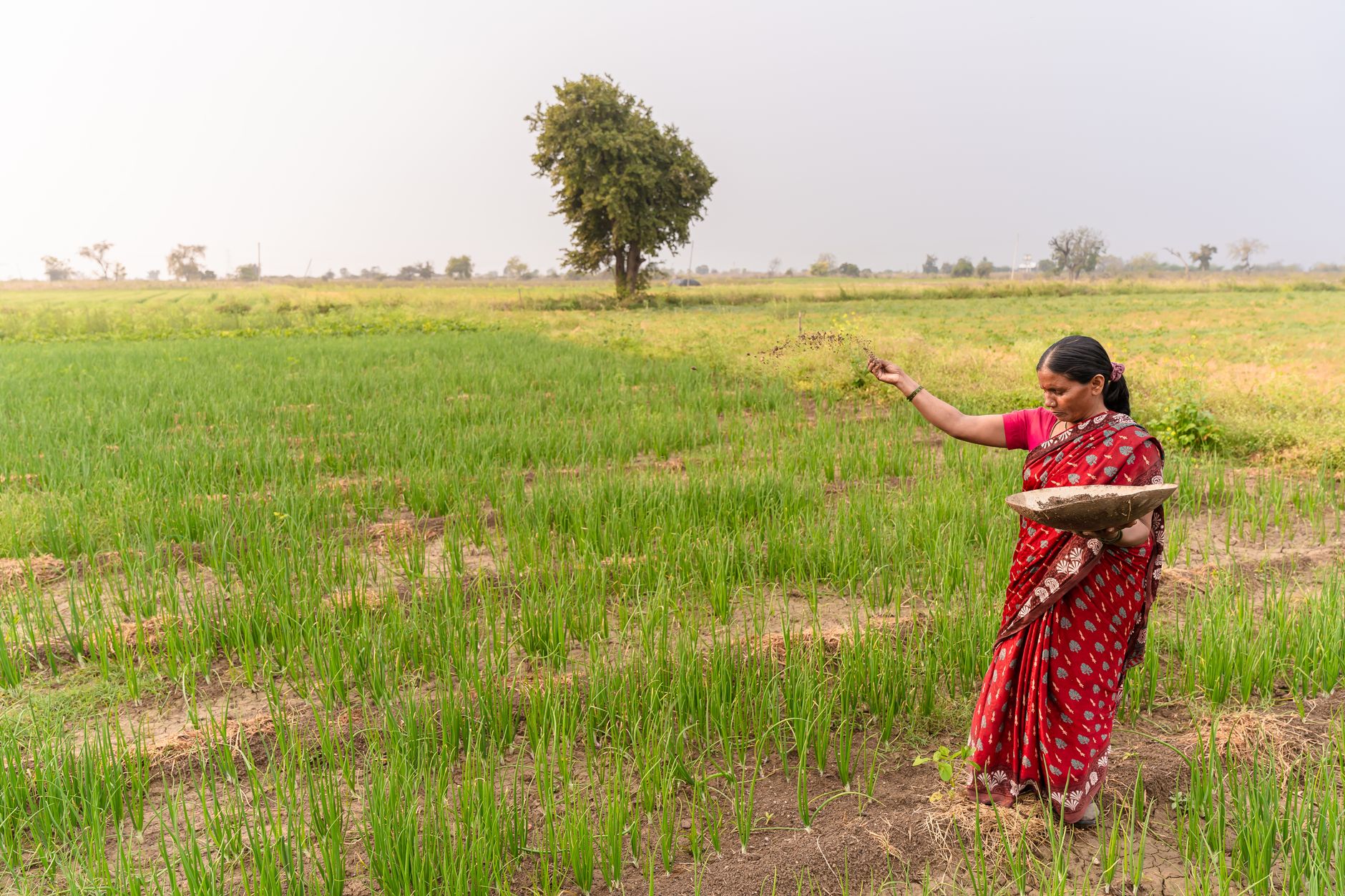
On the ground, farmers across the nation have been vocal about the crippling impact of high fertilizer costs. Many have reported making difficult decisions, such as reducing the amount of fertilizer applied to their fields, which inevitably leads to lower yields and diminished crop quality. Others have considered shifting away from certain crops that require more intensive fertilization, potentially altering the diversity of the nation's food supply. The financial burden has been immense, with some farmers facing the prospect of operating at a loss or even going out of business. This emergency declaration and tariff suspension are expected to provide immediate, tangible relief, allowing farmers to reassess their planting strategies and potentially increase their fertilizer application to optimal levels for the upcoming growing seasons. The psychological impact on farmers, who have been under immense stress, should not be underestimated; this move offers a much-needed sense of support and stability.
The ripple effects of this policy change will extend directly to agricultural suppliers and distributors. Companies that import and distribute fertilizers will see an immediate reduction in their landed costs, which should, in theory, translate to lower prices for farmers. This could invigorate the supply chain, encouraging more robust ordering and ensuring a steadier flow of essential nutrients to agricultural regions. However, the effectiveness of this measure will also depend on global market dynamics; if international fertilizer prices continue to climb due to other factors, the benefits of tariff suspension might be partially offset. Nevertheless, removing the tariff burden is a crucial first step in making these vital inputs more accessible and affordable within the domestic market.
For consumers, the ground reality is a supermarket aisle where prices have steadily climbed, eroding purchasing power and forcing difficult choices. While the tariff suspension on fertilizers won't instantly reverse these trends, it lays the groundwork for future price stabilization. It takes time for changes in agricultural input costs to translate into retail food prices, typically several months, as crops are planted, harvested, processed, and distributed. However, the expectation is that by reducing a significant cost component for farmers, the upward pressure on food prices will ease, potentially leading to more stable or even slightly reduced costs for certain food items in the medium to long term. This provides a crucial signal to the market that the government is actively working to combat food inflation and protect consumer interests.
What Experts Are Saying
Agricultural economists are largely commending the administration's swift action, characterizing it as a necessary intervention in a volatile global market. Dr. Eleanor Vance, a leading expert in agricultural policy at the University of California, Davis, stated, "This is a pragmatic and critical move. While tariffs have their place in trade policy, in a situation where global food security is under threat, prioritizing the immediate needs of our farmers by reducing input costs is paramount. The alternative — widespread crop failures or reduced yields due to unaffordable fertilizers — would have far more devastating economic and social consequences." Her analysis underscores the urgency and strategic importance of the decision, highlighting the potential for widespread disruption if no action was taken.
However, some trade analysts are offering a more nuanced perspective, acknowledging the immediate benefits but also raising questions about the long-term implications. Dr. Marcus Thorne, a senior fellow at the Peterson Institute for International Economics, commented, "While the tariff suspension offers vital short-term relief, it also highlights the fragility of our supply chains and the need for a more comprehensive strategy. We need to explore domestic production incentives, diversification of import sources, and investment in sustainable agricultural practices to build true resilience, rather than relying solely on emergency measures." This viewpoint suggests that while the current action is necessary, it should be part of a broader, more enduring strategy to fortify the nation's food system against future shocks and dependencies.
Food security advocates and humanitarian organizations have also weighed in, emphasizing the global context of this crisis. Ms. Lena Sharma, director of the Global Food Initiative, remarked, "The U.S. action sends a powerful message globally. When a major agricultural producer like the United States faces such challenges, it underscores the severity of the worldwide food crisis. This move could encourage other nations to re-evaluate their own trade barriers and policies concerning essential agricultural inputs, potentially fostering a more collaborative approach to global food security." This perspective highlights the potential for the U.S. decision to catalyze broader international discussions and actions aimed at stabilizing the global food supply, underscoring the interconnectedness of national and international food systems.

Frequently Asked Questions
What Happens Next
In the immediate aftermath of this declaration, the agricultural sector will closely monitor the market for fertilizer prices. Farmers will be assessing their purchasing decisions, potentially increasing orders to secure necessary inputs for the upcoming planting seasons, particularly for spring crops. Distributors and importers will be adjusting their pricing structures to reflect the absence of tariffs, which should lead to more competitive rates for end-users. The Department of Agriculture (USDA) is expected to provide further guidance and support to farmers, potentially through educational campaigns on optimizing fertilizer use or by monitoring supply chain efficiency to ensure the benefits of the tariff suspension are fully realized across the industry. This initial phase will be critical in translating policy into tangible relief on the ground.
Looking ahead, the administration will likely face pressure to develop a more robust, long-term strategy for food security that extends beyond emergency measures. This could involve exploring incentives for domestic fertilizer production, investing in research and development for more efficient and sustainable nutrient management practices, and diversifying international supply sources to reduce reliance on any single region. Policymakers may also consider how to balance trade protection with national food security needs in a post-emergency environment. The current crisis serves as a stark reminder of the vulnerabilities within the global food system, prompting a deeper re-evaluation of national agricultural resilience strategies.
For consumers, the impact on grocery prices will be a key indicator of the policy's success. While immediate changes are unlikely, economists and consumer advocates will be watching for signs of stabilization or reduction in food inflation over the next few months. The effectiveness of this measure will ultimately be judged by its ability to ensure a stable, affordable food supply for all Americans. This will involve not only monitoring raw commodity prices but also the entire food supply chain, from farm to fork, to ensure that cost savings are passed on to the consumer. The coming months will be a critical test of the policy's ability to deliver on its promise of alleviating the food crisis.













Comments
No comments yet. Be the first to comment!