

Policy Snapshot
- Governments worldwide are implementing targeted fiscal stimulus packages to cushion the economic blow, focusing on supporting vulnerable industries and maintaining employment levels amidst the ongoing global uncertainties.
- Central banks are navigating a delicate balance, utilizing monetary policy tools such as interest rate adjustments and quantitative easing to manage inflation while simultaneously attempting to stimulate economic growth and maintain financial stability.
- International organizations, including the IMF and World Bank, are advocating for enhanced global cooperation to address cross-border economic challenges, emphasizing coordinated efforts in trade, debt relief, and humanitarian aid.
- Energy policies are undergoing significant re-evaluation, with many nations exploring diversification strategies and investments in renewable sources to reduce reliance on volatile fossil fuel markets, particularly in light of recent geopolitical disruptions.
- Supply chain resilience initiatives are gaining traction, with policies aimed at near-shoring, friend-shoring, and building strategic reserves for critical goods to mitigate future disruptions caused by geopolitical events or natural disasters.
- Trade agreements are being scrutinized and renegotiated, as countries seek to secure preferential access to essential markets and resources, while also addressing concerns about national security and economic sovereignty in a fragmented global landscape.
The Policy History
The global economy has been grappling with a series of unprecedented shocks over the past few years, beginning with the widespread disruptions of the COVID-19 pandemic. This period saw governments and central banks deploy massive fiscal and monetary interventions, including direct aid to businesses and individuals, alongside significant interest rate cuts and asset purchase programs. These measures were largely successful in preventing a deeper economic collapse, but they also laid the groundwork for subsequent inflationary pressures as demand rebounded faster than supply could adjust.
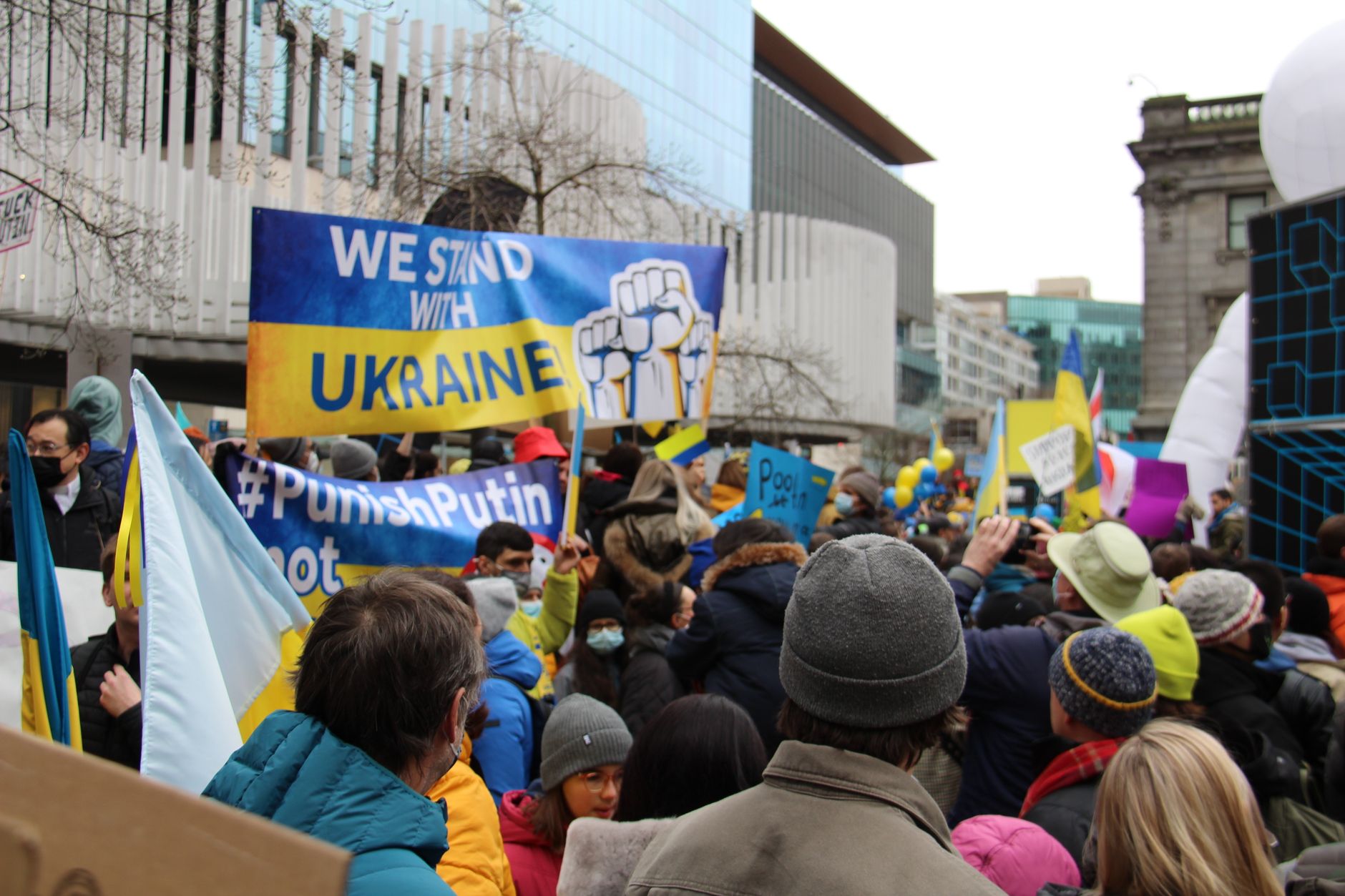
The initial recovery, however, was quickly overshadowed by the emergence of new geopolitical flashpoints. The conflict in Ukraine, for instance, dramatically reshaped global energy markets and exacerbated food insecurity, leading to a surge in commodity prices. This event highlighted the fragility of interconnected global supply chains and the profound impact that regional conflicts can have on worldwide economic stability. Policymakers were forced to pivot from post-pandemic recovery strategies to crisis management, grappling with energy security and inflation control simultaneously.
More recently, the escalating tensions surrounding the Iran war have introduced another layer of complexity and uncertainty. This conflict threatens to disrupt vital shipping lanes, particularly in the Middle East, and could lead to further spikes in oil prices, impacting global transportation and manufacturing costs. The cumulative effect of these successive crises has pushed the global economy into a precarious state, where traditional policy tools are being tested, and the need for adaptive and coordinated international responses has become more critical than ever.
Who Is Affected
Every segment of the global population is, directly or indirectly, feeling the ripple effects of the current economic climate. Consumers are experiencing the immediate impact through higher prices for everyday goods, from groceries to fuel, eroding purchasing power and increasing the cost of living. This inflationary pressure disproportionately affects low-income households, who spend a larger percentage of their income on essential items, pushing many closer to financial precarity and exacerbating existing inequalities within and between nations.
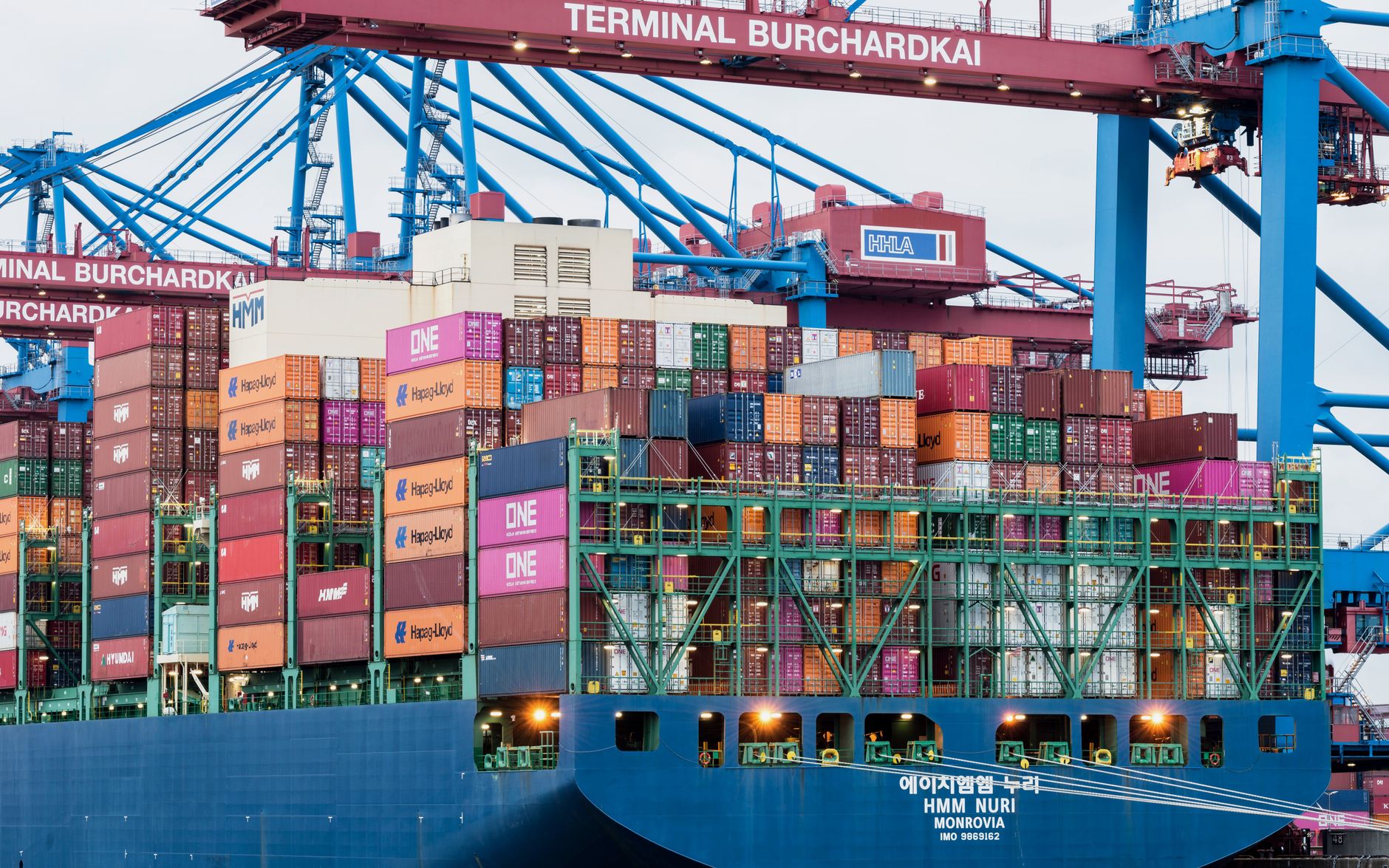
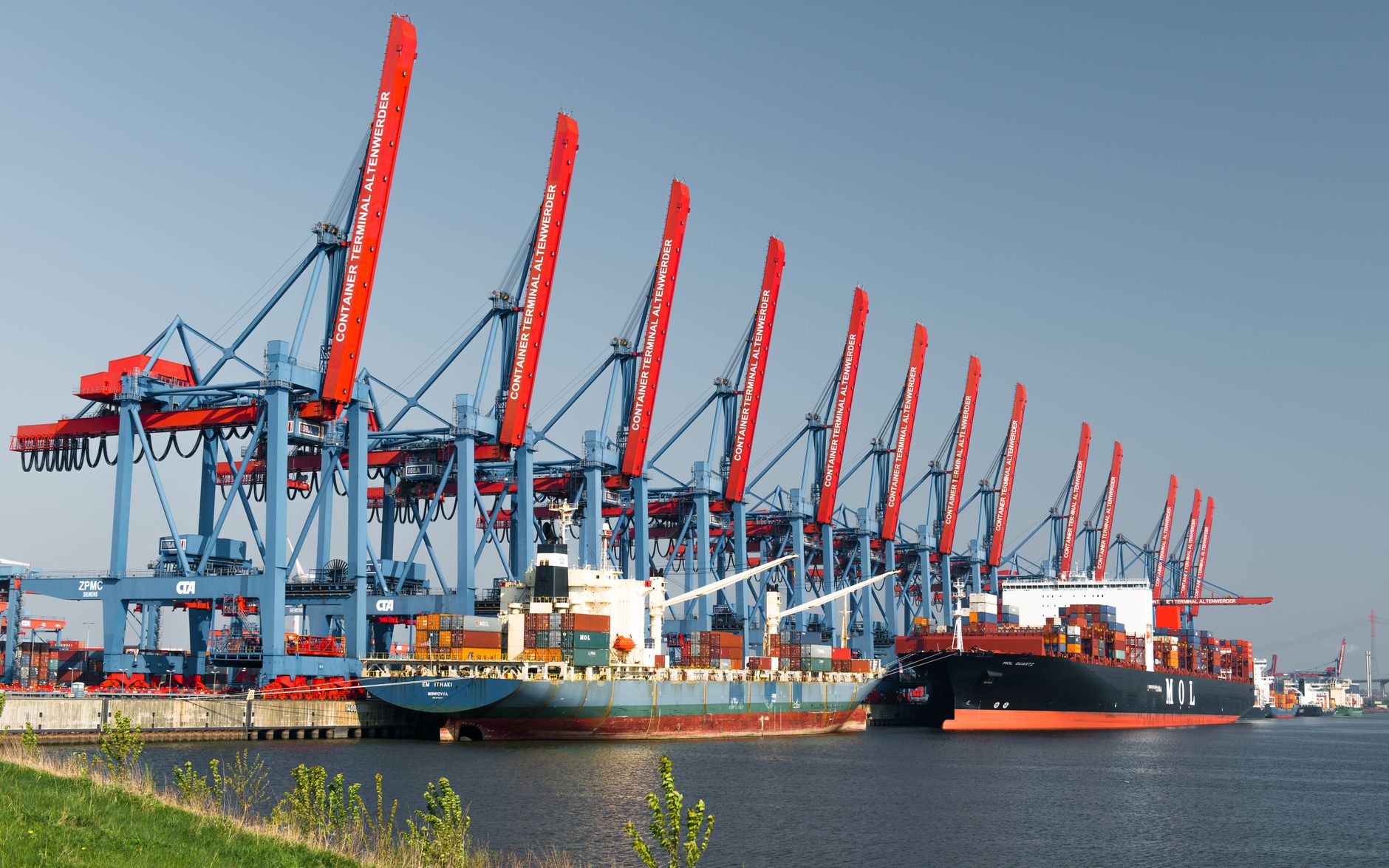
Businesses, particularly those with extensive international supply chains, are facing significant operational challenges. Increased shipping costs, raw material price volatility, and potential disruptions in key trade routes are squeezing profit margins and forcing companies to rethink their sourcing strategies. Small and medium-sized enterprises (SMEs) are often the most vulnerable, lacking the financial buffers and logistical flexibility of larger corporations to absorb these shocks, leading to potential closures and job losses in various sectors.
Governments and central banks are also profoundly affected, tasked with the unenviable challenge of balancing economic stability with growth. They must navigate the tightrope of controlling inflation without triggering a recession, while simultaneously addressing social welfare needs and managing national debt. The geopolitical landscape further complicates their efforts, as foreign policy considerations increasingly intertwine with economic decisions, demanding a delicate and often politically charged approach to international relations and trade.
The Case For
Advocates for robust, coordinated global economic policies argue that proactive intervention is essential to prevent a deeper and more prolonged downturn. They emphasize that in an interconnected world, a crisis in one region can quickly cascade, affecting economies worldwide. Therefore, multilateral institutions like the International Monetary Fund and the World Bank, alongside major economic powers, must collaborate on strategies that stabilize markets, ensure liquidity, and provide targeted support to vulnerable nations and sectors, thereby fostering collective resilience.
Furthermore, proponents highlight the importance of diversifying energy sources and strengthening supply chain resilience as critical long-term investments. Reducing reliance on single points of failure, whether in energy supply or manufacturing, can buffer economies against future geopolitical shocks and commodity price volatility. This approach not only enhances national security but also creates opportunities for innovation in green technologies and localized production, potentially leading to more stable and sustainable economic growth over time.
Finally, there is a strong argument for maintaining open lines of communication and diplomatic engagement, even amidst escalating tensions. De-escalation efforts and diplomatic solutions to conflicts, such as the Iran war, are seen as paramount to safeguarding global trade routes and preventing further disruptions to energy markets. Economic stability is inextricably linked to geopolitical stability, and investing in diplomacy can yield significant economic dividends by reducing uncertainty and fostering an environment conducive to international commerce and investment.
The Case Against
Critics of overly interventionist global economic policies often argue that excessive government and central bank intervention can distort market signals and lead to unintended consequences. They contend that prolonged periods of low interest rates and expansive fiscal spending can fuel inflation, create asset bubbles, and ultimately undermine the long-term health of the economy by encouraging malinvestment. A more hands-off approach, allowing markets to self-correct, is sometimes advocated as a path to more sustainable growth, albeit with potentially painful short-term adjustments.
Another significant concern revolves around the feasibility and effectiveness of truly coordinated global responses. National interests often diverge, making it difficult to achieve consensus on policy actions, especially when countries face different economic realities and political pressures. This lack of unified action can dilute the impact of international efforts, leading to fragmented responses that are less effective in addressing systemic global challenges like supply chain vulnerabilities or geopolitical conflicts.
Furthermore, some argue that focusing too heavily on mitigating every potential risk can stifle innovation and economic dynamism. Over-regulation and protectionist measures, while intended to build resilience, can inadvertently reduce competition, limit trade, and slow down technological progress. There's a delicate balance between safeguarding against future shocks and fostering an environment where businesses can thrive through open markets and efficient resource allocation, a balance that is often difficult to achieve in practice.

Policy Questions Answered
Implementation Watch
Monitoring the actual implementation of proposed economic policies and geopolitical de-escalation strategies is paramount. While many governments and international bodies have announced measures to combat inflation, strengthen supply chains, and promote diplomatic solutions, the real test lies in their execution and tangible impact. For instance, promises of energy diversification need to translate into concrete infrastructure projects and investment, rather than remaining aspirational targets, to genuinely reduce reliance on volatile regions.
The effectiveness of central bank actions, such as interest rate hikes, will be closely watched for their ability to cool inflation without tipping economies into recession. Similarly, fiscal stimulus packages designed to support vulnerable populations must be delivered efficiently and without excessive bureaucratic hurdles to provide timely relief. Any delays or missteps in these areas could exacerbate economic hardship and erode public trust, making future policy interventions even more challenging to implement successfully.
Furthermore, the success of diplomatic efforts to de-escalate conflicts, particularly the Iran war, will be a critical indicator for global economic stability. Observing whether ceasefires hold, negotiations progress, and international agreements are respected will provide crucial insights into the future trajectory of oil prices, trade routes, and overall market confidence. The gap between policy pronouncements and on-the-ground realities will ultimately determine the global economy's ability to navigate these turbulent waters.












Comments
No comments yet. Be the first to comment!