

Key Takeaways
- The Middle East conflict is not merely a regional issue; its economic ramifications are global, particularly impacting the most vulnerable segments of society through increased costs and reduced stability.
- Rising energy prices, a direct consequence of geopolitical instability in oil-producing regions, translate into higher transportation and utility costs, disproportionately burdening low-income households with limited disposable income.
- Food security is severely threatened as supply chain disruptions and increased energy costs drive up the price of essential foodstuffs, pushing more families into food poverty and exacerbating existing humanitarian crises.
- Inflation, fueled by these supply-side shocks, erodes the purchasing power of wages, making it harder for low-income families to afford basic necessities and save for the future.
- Government responses, while crucial, often fall short of adequately protecting the most vulnerable, necessitating more targeted and robust social safety nets to prevent widespread economic hardship.
- The long-term economic consequences include potential reductions in global trade, decreased investment, and increased national debt, creating a challenging environment for economic recovery and growth, especially in developing nations.
Background
The Middle East has long been a geopolitical flashpoint, and recent escalations in conflict have once again cast a long shadow over global economic stability. This region, critical for its vast energy resources and strategic trade routes, plays an outsized role in the world economy. Any significant disruption, whether through direct conflict, sanctions, or blockades, sends immediate and profound ripples across international markets, affecting everything from oil prices to shipping costs. The current situation is particularly concerning due to its timing, coinciding with a period of already high global inflation and lingering economic vulnerabilities from recent global health crises. The interconnectedness of modern economies means that a localized conflict can quickly become a global economic challenge, especially for those least equipped to absorb the shocks.
Historically, conflicts in the Middle East have consistently led to spikes in crude oil prices. This is not merely a matter of supply disruption from the region itself, but also includes speculative trading and increased risk premiums applied to oil futures. When the price of oil rises, it has a cascading effect: transportation costs for goods increase, manufacturing expenses climb, and utility bills for households surge. These increases are not absorbed equally. Low-income households, who spend a larger proportion of their income on essential goods and services like food, fuel, and housing, feel the pinch much more acutely than wealthier segments of society. Their budgets are often already stretched thin, leaving little to no room for unexpected price hikes, pushing them closer to financial precarity.
Beyond energy, the broader economic landscape is shaped by investor confidence and supply chain resilience. Heightened geopolitical tensions deter foreign direct investment, leading to capital flight from perceived riskier markets. This can stifle economic growth and job creation, particularly in emerging economies that rely on external funding. Furthermore, crucial shipping lanes, such as the Suez Canal and the Strait of Hormuz, are vital arteries for global trade. Any threat to these routes necessitates longer, more expensive alternative paths, increasing freight costs and delivery times. These additional costs are inevitably passed on to consumers, further fueling inflation and reducing the purchasing power of already struggling households. The cumulative effect is a significant drag on global economic recovery and a direct threat to the livelihoods of millions.
Why It Matters
The economic fallout from the Middle East conflict is not an abstract concept; it translates directly into tangible hardship for millions, particularly low-income households already teetering on the brink. When energy prices surge, it's not just about filling a gas tank; it means higher costs for heating homes, powering businesses, and transporting food from farms to markets. For families living paycheck to paycheck, these increases can mean choosing between essential utilities and putting food on the table. This erosion of purchasing power can quickly spiral into a broader economic crisis for vulnerable communities, leading to increased debt, reduced access to healthcare, and diminished educational opportunities for children. The stability of entire communities is at stake, making this a critical issue that demands immediate and sustained attention.
Food security, a cornerstone of societal stability, is profoundly jeopardized by ongoing conflicts. The ripple effect of higher energy prices and disrupted supply chains directly inflates the cost of food production, processing, and distribution. Fertilizers, often energy-intensive to produce, become more expensive, impacting agricultural yields and farmer profitability. Transportation costs for bringing food to urban centers or across borders also skyrocket. For low-income families, who allocate a significant portion of their budget to food, these price hikes can be catastrophic. It can lead to reduced nutritional intake, increased rates of malnutrition, and a surge in food bank reliance, creating a humanitarian crisis within an economic one. The long-term implications for public health and social cohesion are severe and far-reaching.
Beyond immediate financial strain, the prolonged economic instability fueled by the conflict risks widening the already significant gap between the rich and the poor, both within nations and globally. Wealthier individuals and corporations often have the resources to hedge against inflation or invest in assets that appreciate during times of crisis, while low-income households lack such buffers. This exacerbates social inequalities, potentially leading to increased social unrest and political instability. Governments, grappling with inflationary pressures and the need for increased social support, may find their fiscal capacities strained, limiting their ability to invest in long-term development and poverty reduction programs. Addressing the economic impact on low-income households is therefore not just an act of compassion, but a strategic imperative for global peace and stability.
Ground Reality
On the ground, the reality for low-income households is stark and increasingly desperate. In many urban centers, families are reporting dramatic increases in their monthly utility bills, sometimes by as much as 20-30% in just a few months. This surge is directly attributable to the rising global energy prices, which local providers are forced to pass on to consumers. For a family earning minimum wage, an extra $50-$100 on their electricity or heating bill can mean the difference between paying rent on time or facing eviction. Many are forced to make impossible choices, cutting back on essential medical care, children's educational supplies, or even reducing the quantity and quality of food they consume, leading to widespread nutritional deficiencies and increased stress within households.
The grocery store has become a battleground for household budgets. Staples like bread, milk, and cooking oil have seen significant price increases, often by double-digit percentages. In some regions, fresh produce has become a luxury item, with families opting for cheaper, less nutritious processed foods. This shift in dietary habits has long-term health implications, particularly for children, affecting their development and academic performance. Moreover, local markets, which are often the primary source of income for small farmers and vendors, are struggling as consumers reduce their spending. This creates a vicious cycle where reduced demand impacts local economies, leading to job losses and further exacerbating poverty in already vulnerable communities.
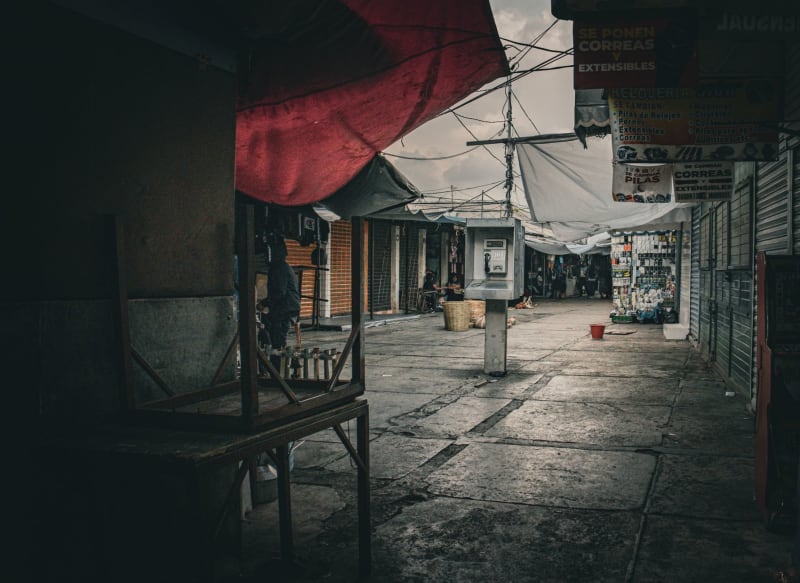
The informal economy, a lifeline for many low-income individuals, is also taking a severe hit. Street vendors, day laborers, and small-scale service providers are experiencing a significant drop in demand as overall consumer spending tightens. With fewer people able to afford non-essential goods and services, these workers find their already precarious incomes dwindling, pushing them deeper into poverty. Access to credit becomes harder, and interest rates on small loans often skyrocket, trapping families in cycles of debt. The cumulative effect is a palpable sense of anxiety and despair among these communities, as they face an uncertain future with diminishing resources and little governmental safety net to fall back on, highlighting the urgent need for targeted interventions.
What Experts Are Saying
Economists worldwide are sounding the alarm, emphasizing that the current Middle East conflict presents a unique challenge due to its confluence with existing global economic fragilities. Dr. Elena Petrova, a senior analyst at the Global Economic Institute, recently stated, "We are witnessing a perfect storm: persistent post-pandemic inflation, supply chain vulnerabilities, and now a major geopolitical shock in a critical energy-producing region. This combination is particularly devastating for emerging markets and low-income households, who lack the fiscal buffers to absorb such shocks. The risk of widespread social unrest due to economic hardship is escalating rapidly across multiple continents." Her analysis underscores the interconnectedness of global economies and the immediate transmission of regional instability.
According to a recent report by the International Monetary Fund (IMF), the conflict could shave off an additional 0.5% from global GDP growth in the coming year if it escalates further, with a disproportionate impact on developing economies. "The primary transmission channels are clear: higher oil and gas prices, increased shipping costs, and a general decline in investor confidence," explains Dr. Kenji Tanaka, lead author of the IMF report. "While wealthier nations might implement subsidies or strategic reserves to cushion the blow, many low-income countries simply do not have that luxury. Their populations will bear the brunt directly through higher food and fuel costs, potentially reversing years of poverty reduction efforts." This highlights the severe setback to global development goals.
Social policy experts, such as Professor Anya Sharma from the University of London, are advocating for immediate and robust social safety nets. "Governments must prioritize targeted cash transfers, food subsidies, and energy assistance programs to protect their most vulnerable citizens," Professor Sharma argues. "Without these interventions, we risk seeing a sharp increase in extreme poverty, malnutrition, and a breakdown of social cohesion. The economic costs of inaction will far outweigh the costs of proactive support. Furthermore, international cooperation is essential to stabilize global markets and ensure humanitarian aid reaches those most affected by both the conflict and its economic repercussions." Her insights emphasize the need for a multi-faceted approach, combining economic stabilization with direct social support.

Frequently Asked Questions
What Happens Next
The immediate future hinges precariously on the trajectory of the conflict in the Middle East. Any further escalation, particularly involving major oil-producing nations or critical shipping lanes, could trigger another sharp surge in global energy prices, exacerbating inflationary pressures and deepening the economic crisis for low-income households. Conversely, de-escalation or a diplomatic breakthrough, however unlikely it may seem at present, could provide some much-needed relief to global markets and help stabilize prices. However, even in a best-case scenario, the economic scars of the current instability will likely persist for an extended period, requiring sustained policy interventions and international cooperation to mitigate the damage.
Governments worldwide are under increasing pressure to formulate robust and effective responses. This will likely involve a delicate balancing act between fiscal prudence and providing essential support to vulnerable populations. Expect to see continued debates around energy subsidies, food assistance programs, and targeted financial aid packages. The challenge will be to implement these measures without further fueling inflation or accumulating unsustainable levels of national debt. International organizations like the IMF and World Bank will play a crucial role in providing financial assistance and policy guidance to developing nations particularly hard-hit by the economic fallout, emphasizing the need for coordinated global action.
Looking further ahead, the current crisis may accelerate global shifts towards greater energy independence and more resilient supply chains. Nations may redouble efforts to invest in renewable energy sources, diversify their trade partners, and strengthen domestic production capabilities to reduce their vulnerability to geopolitical shocks. While these are long-term strategies, the urgency created by the current conflict could provide the impetus for faster adoption. For low-income households, the path forward will remain challenging, underscoring the critical importance of sustained social protection measures and policies aimed at reducing inequality, ensuring that the burden of global instability is not disproportionately borne by those least able to withstand it.














Comments
No comments yet. Be the first to comment!