
The Story in Brief
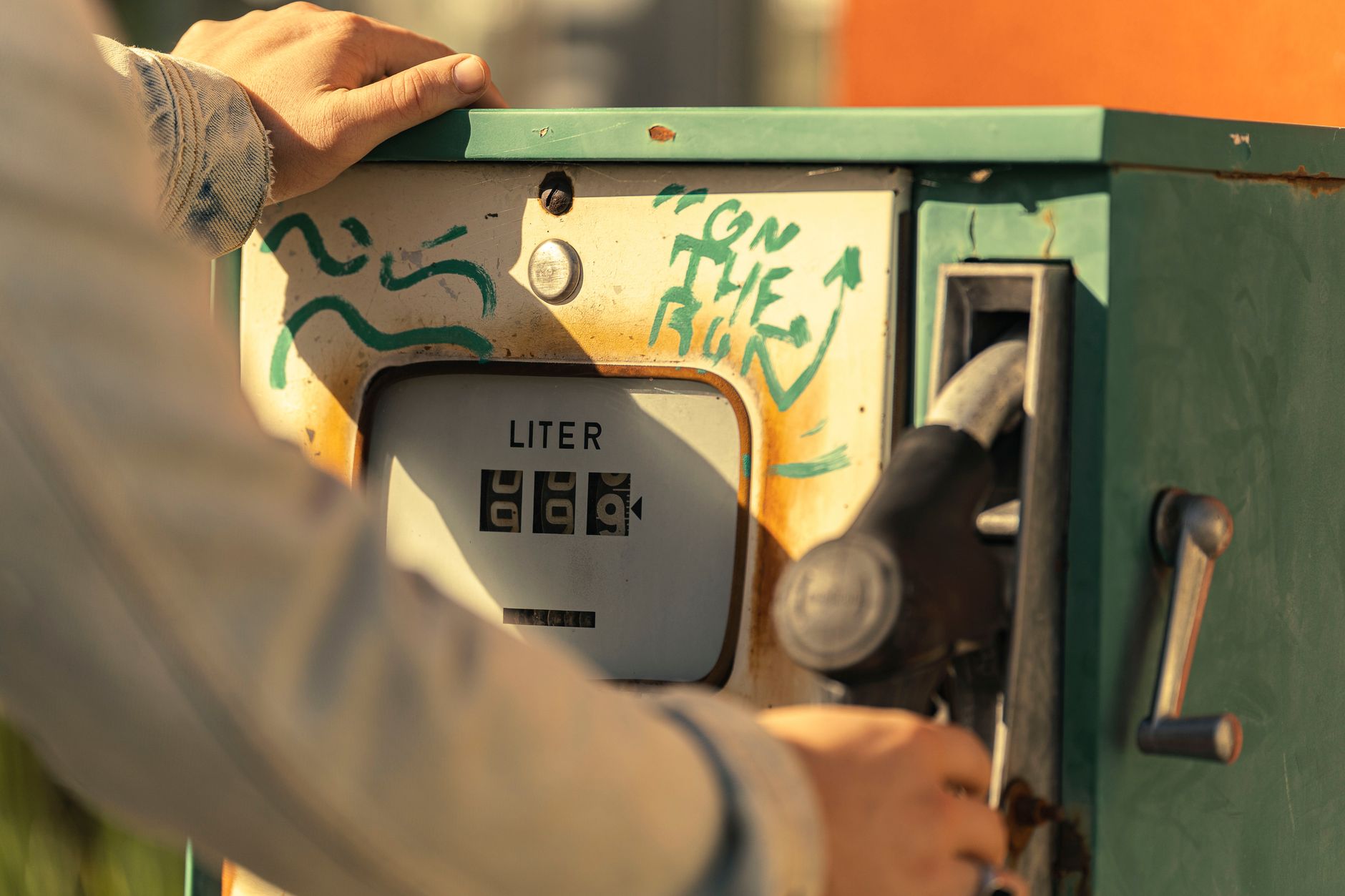
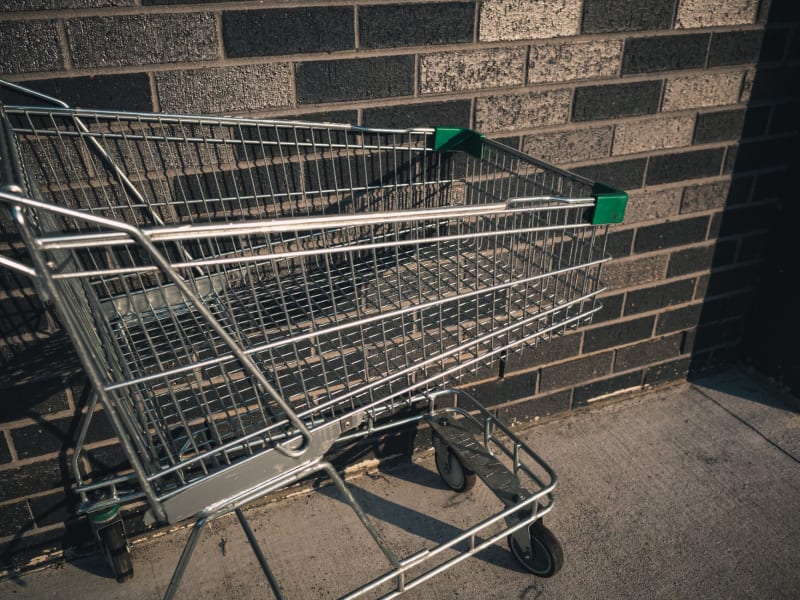
- A recent exclusive poll has uncovered a distressing reality: nearly half of all Americans, specifically 48%, are currently struggling significantly to afford essential groceries and the necessary fuel for their vehicles, indicating a widespread and deepening economic challenge.
- The survey data meticulously illustrates that this financial strain is not uniformly distributed; lower-income households are disproportionately affected, bearing the brunt of rising costs with profound and often devastating consequences for their daily lives.
- This economic pressure is forcing a substantial portion of the population to make difficult, often painful, trade-offs, such as cutting back on other crucial expenses or even sacrificing the quality and quantity of food they purchase, directly impacting their health and well-being.
- Experts are increasingly concerned that the persistent inflation, particularly in staple goods and energy, is eroding the purchasing power of average Americans at an alarming rate, pushing more families into precarious financial situations and exacerbating existing inequalities.
- The implications of this widespread struggle extend beyond individual households, posing significant challenges to broader economic stability and potentially leading to reduced consumer spending in other sectors, which could further dampen economic growth.
- Policymakers are now facing intensified pressure to address these escalating affordability issues with concrete and effective measures, as the current situation threatens to undermine public confidence and create long-term social and economic repercussions if left unaddressed.
The Human Face
The cold statistics of economic hardship translate into tangible struggles for millions of American families. Consider Sarah, a single mother of two in Phoenix, Arizona, who recently recounted her agonizing decision to skip a meal so her children could eat adequately. "It's not just about tightening the belt anymore," she explained, her voice heavy with fatigue. "It's about choosing between gas to get to work and fresh vegetables for dinner. Every trip to the grocery store feels like a punch to the gut, watching the prices climb higher and higher while my paycheck stays the same." Her story is not unique; it echoes the silent battles fought in households across the nation where the rising cost of living has become an unbearable burden.
For many, the dream of financial stability has been replaced by a daily scramble for survival. John, a retired factory worker in rural Ohio living on a fixed income, shared his dismay. "I worked hard my whole life, paid my taxes, and now I'm rationing my gas usage just to make it to doctor's appointments. I used to enjoy a nice steak once a month; now, it's a luxury I can't even dream of. The dignity of being able to provide for myself is slowly eroding." This sentiment highlights a profound sense of betrayal and vulnerability, particularly among seniors and those on fixed incomes, who find their carefully planned budgets decimated by forces beyond their control. The emotional toll of constant financial anxiety is immense, impacting mental health and overall quality of life.
These personal narratives underscore the critical need to look beyond aggregate economic indicators and understand the lived experiences of those most affected. The struggle to afford basic necessities like food and transportation isn't merely an inconvenience; it's a fundamental threat to human dignity, health, and social cohesion. When families are forced to choose between feeding their children nutritious meals or ensuring they can commute to essential jobs, the fabric of society begins to fray. Recognizing and amplifying these individual stories is crucial for policymakers to grasp the true depth and urgency of the current economic crisis and to formulate compassionate, effective solutions that genuinely address the human cost of inflation.
How We Got Here
The current economic predicament, where nearly half of Americans struggle with basic necessities, is a confluence of several powerful and interconnected factors that have been building over recent years. A primary driver has been the sustained period of elevated inflation, particularly in the post-pandemic era. Supply chain disruptions, initially triggered by global lockdowns and exacerbated by geopolitical events like the war in Ukraine, severely constrained the availability of goods. This scarcity, coupled with robust consumer demand fueled by government stimulus measures, created a classic inflationary environment where too much money chased too few goods, pushing prices upwards across the board, especially for energy and food.
Compounding the issue, the energy sector has experienced significant volatility. Global oil prices, influenced by geopolitical tensions, OPEC+ decisions, and fluctuating demand, have seen dramatic swings. These price hikes at the pump directly impact household budgets and ripple through the entire economy, increasing transportation costs for goods and services, which ultimately translates to higher prices for consumers at the grocery store. Furthermore, extreme weather events, which are becoming more frequent and severe, have disrupted agricultural production in key regions, leading to reduced yields and higher costs for essential food items, further squeezing household budgets already strained by other inflationary pressures.
Moreover, wage growth, while present in some sectors, has largely failed to keep pace with the accelerating cost of living for a significant portion of the workforce. This disparity means that even with slight increases in income, many households find their real purchasing power diminishing, making it increasingly difficult to cover rising expenses. The cumulative effect of these factors—persistent inflation, volatile energy markets, supply chain vulnerabilities, and stagnant real wages—has created a perfect storm, eroding the financial resilience of millions of Americans and pushing them to the brink, as evidenced by the alarming findings of this recent poll.
Why This Cannot Be Ignored
The fact that nearly half of all Americans are struggling to afford basic necessities like groceries and gas is not merely an economic statistic; it represents a profound societal crisis that demands immediate and sustained attention. This widespread financial distress has far-reaching implications, extending beyond individual household budgets to impact public health, social stability, and the very fabric of democratic trust. When a significant portion of the population is constantly worried about where their next meal will come from or how they will get to work, it creates an environment ripe for increased stress, anxiety, and a decline in overall mental well-being, leading to broader public health challenges and increased healthcare costs.
Economically, this situation poses a severe threat to long-term growth and stability. Households under such intense pressure are forced to cut back on discretionary spending, which can stifle economic activity and lead to a slowdown in various sectors. Furthermore, the inability to afford nutritious food can lead to poorer health outcomes, reducing productivity and increasing reliance on social safety nets. Children growing up in food-insecure households face developmental challenges and educational disadvantages, perpetuating cycles of poverty and hindering the nation's future human capital development. This erosion of purchasing power for essential goods also signals a deeper structural issue within the economy that needs urgent policy intervention.
Beyond the immediate economic and health impacts, this crisis carries significant social and political risks. A population struggling with basic needs is more likely to feel disenfranchised, leading to increased social unrest, political polarization, and a loss of faith in institutions. The widening gap between those who can comfortably afford necessities and those who cannot fuels resentment and division, making it harder to address collective challenges. Ignoring this pervasive struggle is not an option; it risks undermining the fundamental stability and equity of American society, necessitating a concerted effort from policymakers, businesses, and communities to forge sustainable solutions that ensure basic dignity and economic security for all citizens.
Possible Paths Forward
Addressing the widespread struggle to afford groceries and gas requires a multi-pronged approach that tackles both immediate relief and long-term structural issues. One immediate path involves targeted financial assistance programs, such as expanding food stamp benefits or implementing temporary fuel subsidies for low-income families. These measures, while not permanent solutions, can provide crucial breathing room for households on the brink, preventing deeper dives into poverty and ensuring basic needs are met. Additionally, exploring mechanisms for direct cash transfers or tax credits specifically aimed at offsetting the increased cost of living could offer rapid relief, though careful consideration of inflationary impacts is essential to avoid exacerbating the problem.
In the medium term, policy interventions should focus on strengthening supply chains and fostering greater competition in key sectors. Investing in resilient domestic food production and energy infrastructure can reduce vulnerability to global shocks and enhance local availability, potentially lowering costs. Furthermore, scrutinizing corporate practices for price gouging and implementing anti-monopoly measures in the grocery and energy sectors could help ensure fair pricing for consumers. Encouraging and incentivizing local food systems, such as farmers' markets and community-supported agriculture (CSA) programs, can also provide more affordable and fresh options, bypassing some of the larger supply chain complexities and associated costs.
For long-term sustainability, a comprehensive strategy must include robust wage growth initiatives and investments in renewable energy. Policies that support living wages and collective bargaining can help ensure that incomes keep pace with the cost of living, providing a more stable foundation for families. Simultaneously, accelerating the transition to renewable energy sources will reduce reliance on volatile fossil fuel markets, leading to more predictable and potentially lower energy costs over time. Furthermore, investing in public transportation infrastructure can reduce individual reliance on personal vehicles and the associated fuel expenses. These systemic changes, while requiring significant political will and investment, are crucial for building an economy where basic necessities are genuinely affordable for all Americans.

Questions People Are Actually Asking
What to Watch
- Keep a close eye on the Federal Reserve's monetary policy decisions, particularly interest rate adjustments, as these directly influence inflation rates and the broader economic environment, impacting everything from borrowing costs to consumer purchasing power.
- Monitor global oil prices and geopolitical developments, especially in major oil-producing regions, as these factors have a direct and immediate effect on gas prices at the pump, which in turn affects transportation costs and overall household budgets.
- Observe legislative debates and proposals in Congress regarding economic relief packages, food assistance program expansions, or potential fuel tax holidays, as these policy decisions could offer direct financial support to struggling households.
- Track agricultural commodity prices and weather patterns in key farming regions worldwide, as adverse conditions or supply disruptions can significantly impact the cost and availability of essential food items in the coming months.
- Pay attention to corporate earnings reports from major grocery chains and energy companies, looking for insights into their pricing strategies, profit margins, and any indications of how they are responding to inflationary pressures and consumer demand.
- Watch for new reports and analyses from economic think tanks and government agencies that provide updated data on consumer spending, inflation rates, and household financial stress, offering a clearer picture of the ongoing economic challenges.











Comments
No comments yet. Be the first to comment!