
At a Glance
- US-Iran nuclear negotiations have reached an alarming impasse, with both sides expressing deep skepticism and a lack of immediate progress towards reviving the 2015 Joint Comprehensive Plan of Action (JCPOA).
- The ongoing stalemate directly fuels heightened tensions across the Middle East, particularly impacting maritime security in critical shipping lanes and increasing the risk of proxy conflicts.
- Global energy markets are experiencing significant volatility, with crude oil prices reacting sharply to geopolitical uncertainties stemming from the stalled talks and potential supply disruptions.
- Iran continues to advance its nuclear program, exceeding enrichment limits set by the original JCPOA, which raises serious proliferation concerns among international observers and rival nations.
- Key regional actors, including Saudi Arabia and Israel, are closely monitoring the situation, expressing profound concerns about Iran's nuclear trajectory and advocating for more robust international pressure.
- Diplomatic efforts are now focusing on de-escalation strategies and exploring alternative pathways to dialogue, as direct negotiations appear to have hit a fundamental roadblock, requiring creative solutions.
The Record
The diplomatic landscape between the United States and Iran has deteriorated significantly, with efforts to revive the 2015 nuclear accord, formally known as the Joint Comprehensive Plan of Action (JCPOA), grinding to a halt. Initial optimism surrounding the potential for a renewed agreement has evaporated, replaced by a palpable sense of frustration and distrust on both sides. This impasse is not merely a procedural delay; it represents a fundamental breakdown in communication and a widening chasm of expectations that makes any immediate breakthrough seem increasingly remote. The core disagreements revolve around the scope of sanctions relief, the sequencing of compliance steps, and Iran's ballistic missile program, which Tehran insists is non-negotiable.
This protracted deadlock has far-reaching consequences, extending well beyond the immediate diplomatic arena. It has demonstrably intensified geopolitical tensions across the Middle East, a region already grappling with a complex web of rivalries and conflicts. Maritime security in vital waterways like the Strait of Hormuz, through which a significant portion of the world's oil supply passes, remains a critical concern. Incidents involving naval forces and commercial shipping have become more frequent, raising fears of miscalculation and accidental escalation. The absence of a clear diplomatic path forward emboldens hardliners in both Washington and Tehran, making compromise even more challenging.
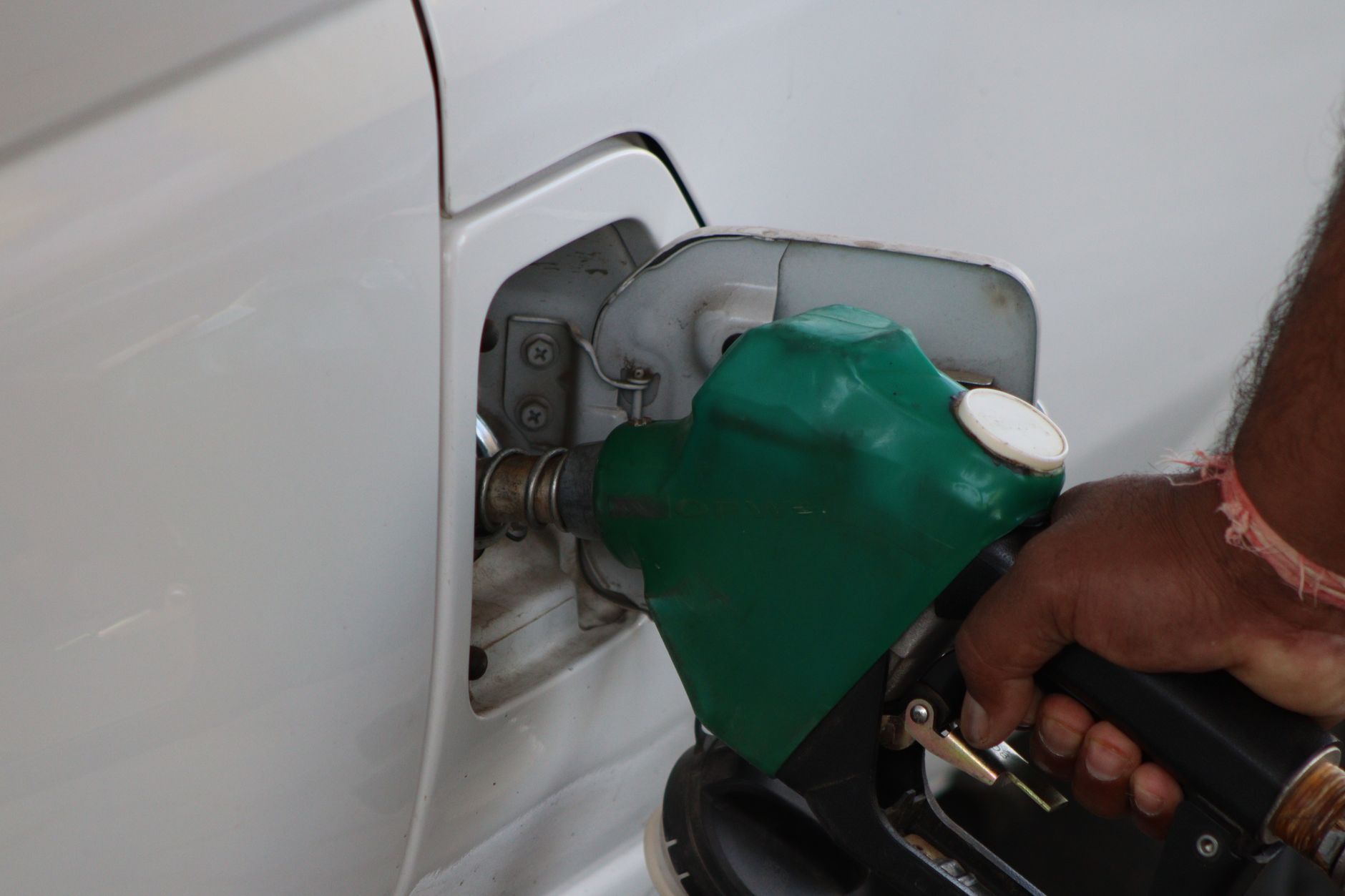
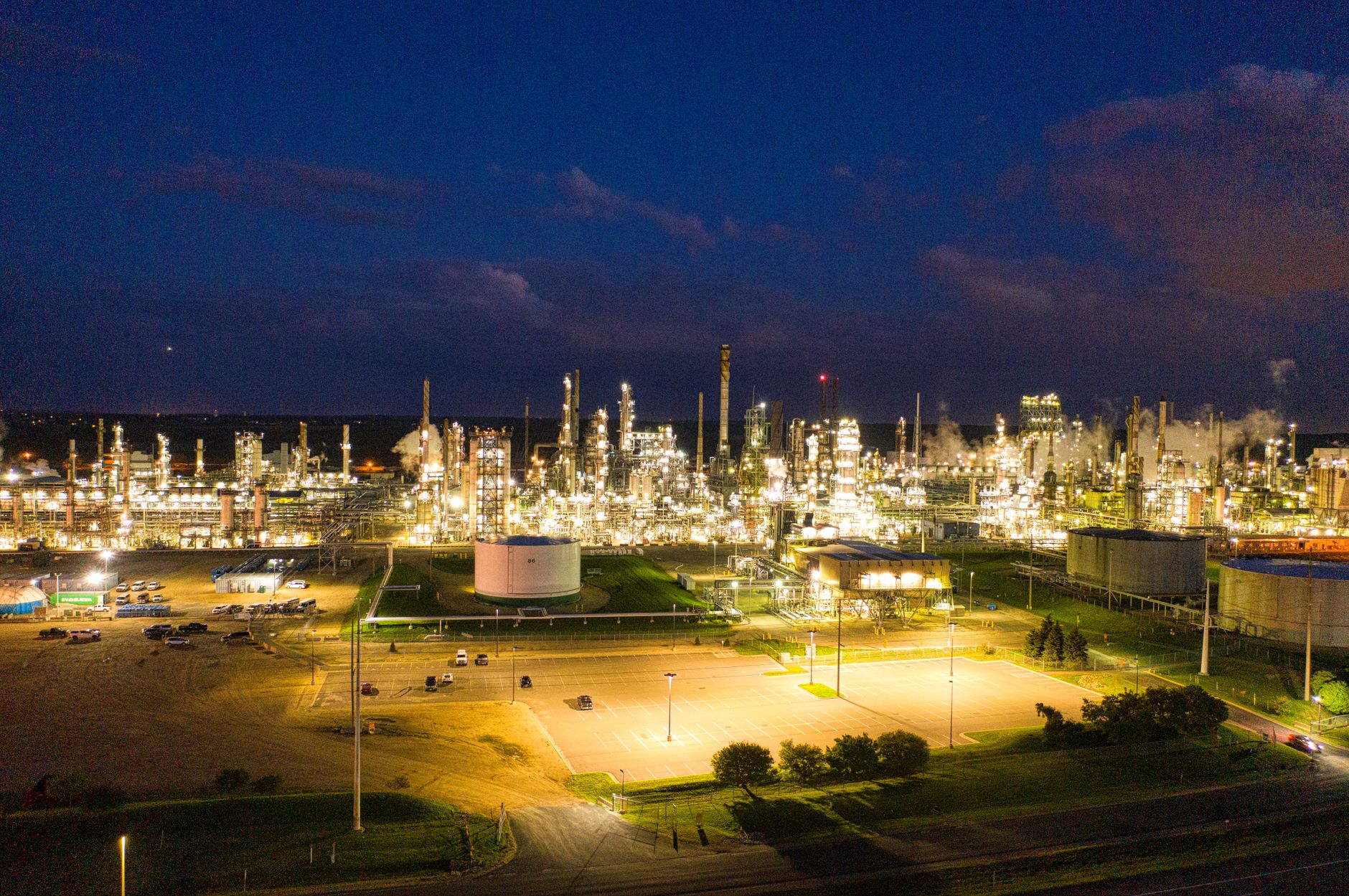
Economically, the stalled negotiations are casting a long shadow over global energy markets. Crude oil prices have reacted with heightened volatility, reflecting the market's sensitivity to supply uncertainties and geopolitical risks. Any perceived threat to oil production or transit routes in the Persian Gulf can trigger immediate price spikes, impacting consumers and industries worldwide. Furthermore, the continued imposition of stringent sanctions on Iran's oil exports, coupled with the lack of a nuclear deal, prevents a significant volume of crude from entering the global market, exacerbating supply concerns and contributing to inflationary pressures. The longer this stalemate persists, the greater the potential for sustained economic disruption and market instability.
Who Knew and When
From the outset of the Biden administration's push to re-engage with Iran, there were clear indications of the immense challenges ahead. Seasoned diplomats and intelligence analysts had consistently warned that reviving the JCPOA would be an uphill battle, given the deep-seated mistrust cultivated during the previous administration's 'maximum pressure' campaign and Iran's subsequent advancements in its nuclear program. Experts in early 2021 already noted that Iran's negotiating position had hardened considerably, demanding comprehensive sanctions relief upfront and guarantees against future US withdrawal, which the US found difficult to concede without reciprocal commitments.
By late 2021 and early 2022, as multiple rounds of indirect talks in Vienna yielded little substantive progress, it became increasingly apparent that the window for a swift resolution was closing. European intermediaries, who played a crucial role in facilitating dialogue, began to express public frustration over the slow pace and the widening gaps between the parties. Reports from the International Atomic Energy Agency (IAEA) detailing Iran's accelerating uranium enrichment activities, including to near weapons-grade levels, served as stark warnings that time was running out and that Iran was leveraging its nuclear advancements as a bargaining chip.
The definitive shift towards a 'stalled' status was largely acknowledged by mid-2022, when senior US officials openly stated that the negotiations were no longer progressing and that the focus was shifting towards containment and deterrence. This public acknowledgment signaled a significant policy pivot, moving away from active pursuit of a deal to managing the consequences of its absence. Regional allies, particularly Israel and Saudi Arabia, had been vocal about their skepticism regarding a revived deal for years, consistently arguing that any agreement must address Iran's broader regional behavior and ballistic missile program, concerns that ultimately proved to be significant obstacles to the talks.
Voices from the Ground
The human cost of the stalled US-Iran negotiations and the accompanying sanctions regime is profound, particularly for ordinary Iranians. "Life under sanctions is a daily struggle for dignity," shared Sarah, a 35-year-old teacher in Tehran. "The prices for basic necessities like food and medicine are skyrocketing, and our currency is almost worthless. We just want stability, a chance to live without constant fear of economic collapse or war. The political games between Washington and Tehran feel so far removed from our daily realities, yet they dictate every aspect of our lives." Her sentiment reflects a widespread weariness among the Iranian populace, who bear the brunt of geopolitical tensions.
In neighboring Gulf states, the apprehension is palpable. "Every headline about Iran's nuclear program or a naval incident in the Gulf sends shivers down our spines," stated Abdullah Al-Khalifa, a business owner in Dubai. "Our economy, our security, everything is intertwined with regional stability. The lack of a clear path forward with Iran creates immense uncertainty for investment and tourism. We need a diplomatic solution, not just for us, but for the entire region to avoid a catastrophic conflict that no one truly wants." His perspective highlights the regional anxieties stemming from the diplomatic vacuum.
International aid organizations and humanitarian groups have also voiced serious concerns. "The sanctions, while aimed at the regime, inevitably impact the most vulnerable segments of Iranian society," explained Dr. Lena Hansen, a medical aid worker. "Access to critical medical supplies, spare parts for infrastructure, and even essential foodstuffs becomes complicated, often delayed, and significantly more expensive. We see firsthand the deteriorating health outcomes and the increasing desperation. A diplomatic resolution is not just about nuclear weapons; it's about alleviating immense human suffering." This underscores the humanitarian dimension often overlooked in high-level political discourse.
The Debate
The debate surrounding the stalled US-Iran nuclear negotiations is fiercely polarized, with proponents of a deal arguing that diplomacy remains the only viable path to prevent Iran from developing nuclear weapons. They contend that the original JCPOA, despite its flaws, successfully constrained Iran's nuclear program and provided an essential framework for international oversight. Advocates for reviving the deal emphasize that walking away entirely would remove all transparency and verification mechanisms, leaving the international community blind to Iran's nuclear advancements and significantly increasing the risk of proliferation. They often point to the current situation as proof that a vacuum of diplomacy leads to escalation, not de-escalation, and that a flawed deal is preferable to no deal at all, especially when considering the alternatives of military confrontation.
Conversely, critics of the JCPOA and the current diplomatic efforts argue that the deal was inherently weak, failing to address Iran's ballistic missile program or its destabilizing regional activities. They believe that Iran cannot be trusted to adhere to any agreement and that the regime has consistently exploited diplomatic overtures to advance its own strategic interests. These voices advocate for a much tougher stance, including maintaining and even increasing sanctions pressure, to force Iran to capitulate to more stringent demands. They often suggest that the current impasse is an opportunity to negotiate a 'better deal' that comprehensively addresses all aspects of Iran's threatening behavior, rather than rushing back to an agreement they deem insufficient and ultimately dangerous. Some even suggest that the current sanctions, while painful for the Iranian populace, are the only leverage the international community truly possesses.
A third perspective, often found among European allies and some international relations scholars, emphasizes the need for creative, multi-track diplomacy that extends beyond the strict confines of the original JCPOA. This approach suggests exploring interim agreements, de-escalation frameworks, or regional security dialogues that could build trust and create pathways for broader engagement, even if a full return to the JCPOA proves impossible. They argue that a complete breakdown of communication is the most dangerous outcome and that even limited, confidence-building measures could prevent a slide into open conflict. This nuanced view acknowledges the complexities and aims to find pragmatic solutions in a highly volatile environment, recognizing that both extreme positions carry significant risks.
Your Questions Answered
What Accountability Looks Like
Accountability in the context of the stalled US-Iran nuclear negotiations is a multifaceted and challenging concept, primarily because both sides attribute blame to the other. For the United States and its allies, accountability for Iran would entail a verifiable return to full compliance with the JCPOA's nuclear restrictions, including rolling back its advanced enrichment activities and allowing unfettered access for IAEA inspectors. Beyond nuclear commitments, many in the international community also seek accountability for Iran's support of proxy groups, its ballistic missile program, and its human rights record. The expectation is that Iran should demonstrate a tangible commitment to de-escalation and regional stability, not just nuclear compliance.
From Iran's perspective, accountability primarily rests with the United States for its unilateral withdrawal from the JCPOA in 2018 and the subsequent imposition of crippling sanctions. Tehran demands that Washington provide concrete guarantees against future withdrawals, lift all sanctions imposed after 2018, and compensate for economic damages incurred. Iran views its nuclear advancements as a legitimate response to the US breach of the agreement and argues that its regional activities are defensive in nature. For Iran, true accountability would mean the US honoring its commitments and respecting Iran's sovereignty and security interests without external interference or additional demands.
Internationally, accountability also extends to the P5+1 nations and the broader global community. There is an expectation that all signatories to the original JCPOA should uphold their commitments and actively work towards de-escalation and diplomatic resolution. The International Atomic Energy Agency (IAEA) plays a crucial role in verifying Iran's nuclear activities, and its reports serve as a key measure of accountability for Iran's compliance. Ultimately, achieving a sense of accountability will require both sides to acknowledge their roles in the current impasse and demonstrate a willingness to make concessions, backed by transparent actions and verifiable commitments, to rebuild trust and pave the way for a sustainable diplomatic solution.




Comments
No comments yet. Be the first to comment!