
The Story in Brief
- The Iran War, a conflict of immense scale and complexity, dramatically reshaped the geopolitical landscape of the Middle East, leading to a significant rebalancing of regional power structures and alliances.
- It catalyzed the rise of new, non-state actors and significantly empowered existing ones, fundamentally altering the nature of conflict and governance in several affected nations.
- Economically, the war triggered unprecedented volatility in global energy markets, leading to sustained periods of high oil prices and significant shifts in international trade routes and supply chains.
- Humanitarian consequences were catastrophic, with millions displaced, widespread infrastructure destruction, and a profound loss of life, creating a long-term crisis that continues to challenge international aid efforts.
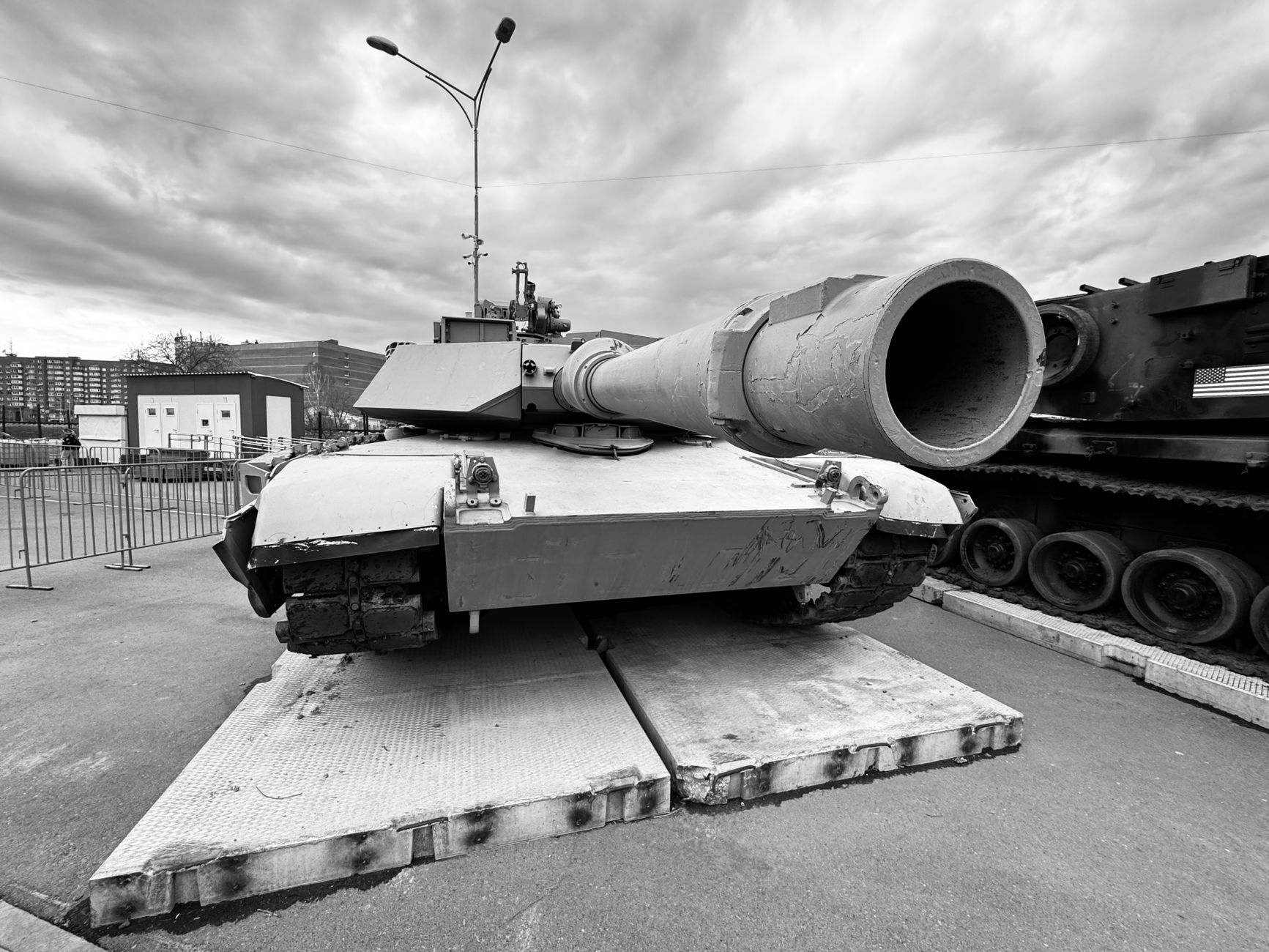
- The conflict also accelerated a global arms race, particularly in the Middle East, as nations sought to bolster their defenses and project power in an increasingly unstable environment.
- Diplomatically, the war exposed deep divisions within the international community, hindering unified responses to humanitarian crises and complicating efforts to forge lasting peace agreements in the region.
The Human Face
The human cost of the Iran War is an indelible scar on the collective conscience, manifesting in millions of lives uprooted, shattered, or tragically lost. Families, once stable and thriving, found themselves torn apart by violence, displacement, and the relentless march of conflict. Children, in particular, bore an unbearable burden, witnessing horrors no child should ever endure, their formative years marred by the constant threat of danger and the absence of basic necessities. Their education was disrupted, their psychological well-being severely compromised, and their futures cast into profound uncertainty.
Beyond the immediate casualties, the war's legacy includes an unprecedented refugee crisis, with neighboring countries and even distant continents struggling to accommodate the vast influx of displaced populations. These individuals, often fleeing with only the clothes on their backs, faced immense challenges in their search for safety and a semblance of normalcy. The psychological trauma of war, including PTSD, anxiety, and depression, became a silent epidemic, affecting not only combatants but also civilians who survived bombings, sieges, and the loss of loved ones. Access to adequate mental health support remains woefully insufficient in many affected areas.
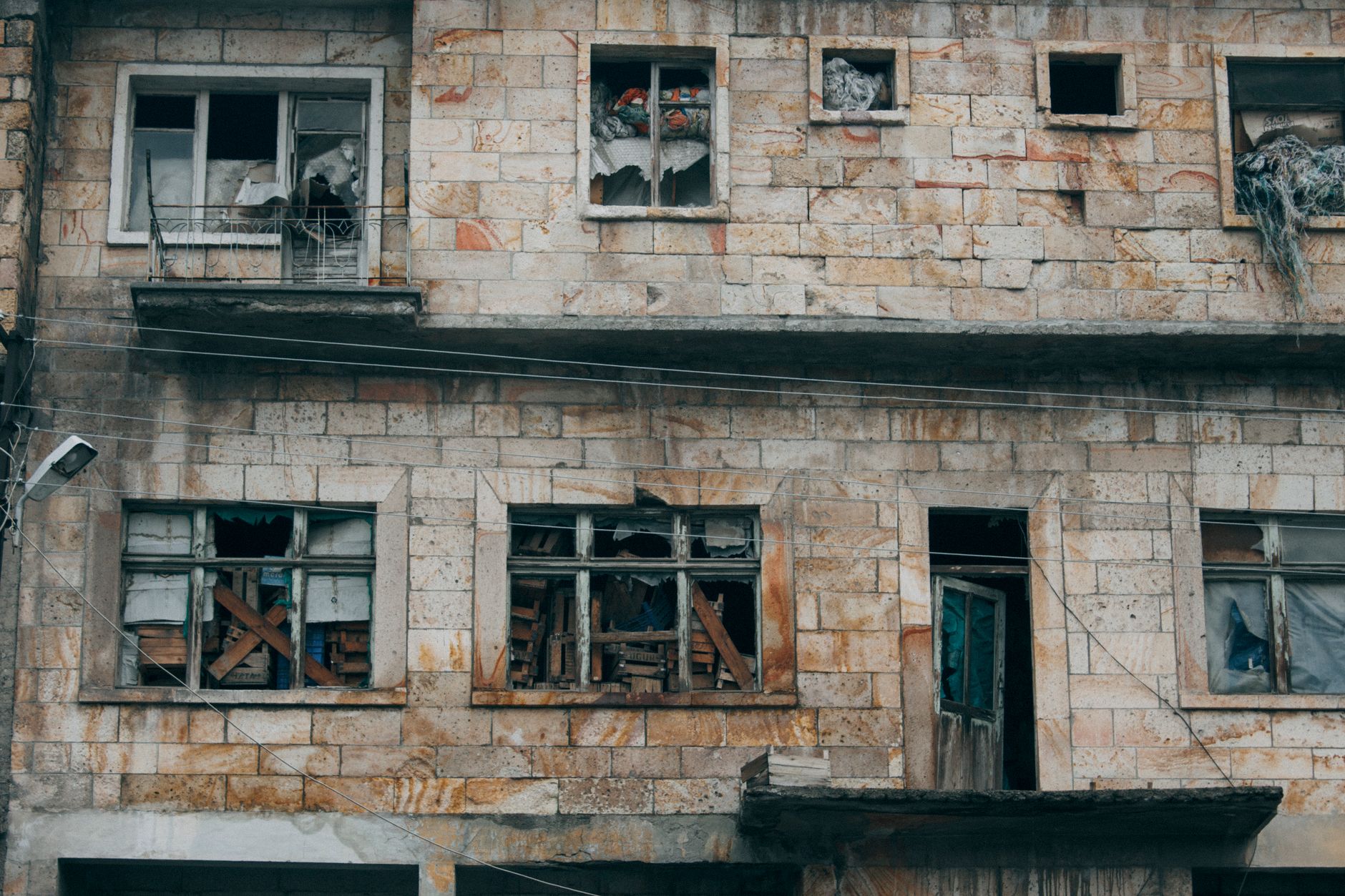
The destruction of critical infrastructure, from hospitals and schools to water treatment plants and power grids, further exacerbated the humanitarian catastrophe. Basic services collapsed, leading to outbreaks of preventable diseases and widespread food insecurity. The fabric of society was torn, with communities fragmented and trust eroded. Rebuilding lives and livelihoods in the aftermath of such devastation is a monumental task, requiring not just financial aid but also sustained international commitment to peace, reconciliation, and the restoration of human dignity. The echoes of suffering from the Iran War will resonate for generations.
How We Got Here
The path to the Iran War was paved with decades of escalating geopolitical tensions, rooted in a complex interplay of historical grievances, ideological clashes, and a fierce competition for regional hegemony. The initial spark was ignited by a series of contentious events, including disputed territorial claims and perceived breaches of international agreements, which steadily eroded diplomatic trust between key regional players and their international allies. This period was characterized by a dangerous arms buildup, with nations acquiring advanced military capabilities, ostensibly for defense, but inadvertently fueling a climate of suspicion and pre-emptive posturing. The international community, despite numerous attempts at mediation, found itself increasingly unable to de-escalate the burgeoning crisis, often due to conflicting national interests and the deep-seated mistrust among the primary antagonists.
Internal political dynamics within the region also played a pivotal role in accelerating the slide towards conflict. Hardline factions gained significant influence in several nations, advocating for more aggressive foreign policies and rejecting diplomatic overtures. These internal shifts were often driven by a combination of nationalist fervor, religious extremism, and a desire to consolidate power domestically. Economic pressures, including resource scarcity and uneven development, further exacerbated social unrest and provided fertile ground for populist leaders to exploit existing grievances, channeling public discontent towards external adversaries. The rhetoric became increasingly bellicose, making a peaceful resolution seem ever more remote as each side entrenched its position.
The final trigger was a series of cross-border skirmishes that quickly spiraled out of control, demonstrating the fragility of the regional security architecture. What began as localized confrontations rapidly escalated into a full-scale military engagement, drawing in a multitude of state and non-state actors. International efforts to impose ceasefires or initiate peace talks were consistently undermined by the rapid pace of military operations and the deep-seated animosities that had been brewing for years. The war, therefore, was not an isolated incident but the culmination of a protracted period of political maneuvering, strategic miscalculations, and a failure of diplomacy to bridge profound divides.
Why This Cannot Be Ignored
The Iran War's repercussions extend far beyond its immediate battlefields, fundamentally altering global power dynamics and creating a blueprint for future conflicts. Its legacy of instability in the Middle East continues to fuel proxy wars, refugee crises, and the proliferation of extremist ideologies, directly impacting international security. The conflict demonstrated how regional disputes can quickly globalize, drawing in major world powers and testing the limits of international law and diplomacy. Ignoring these lessons risks repeating historical mistakes and underestimating the interconnectedness of global peace and stability.
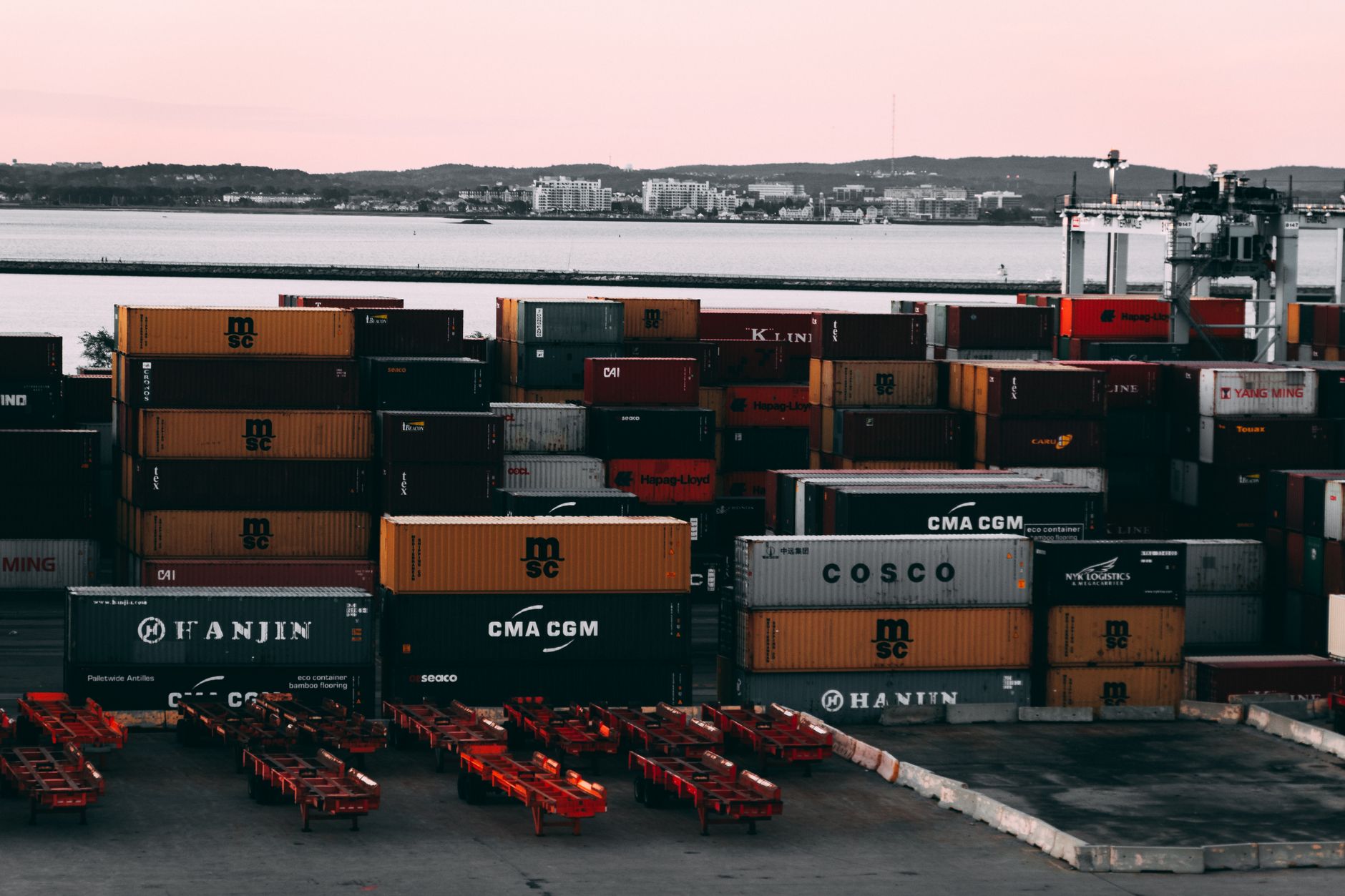
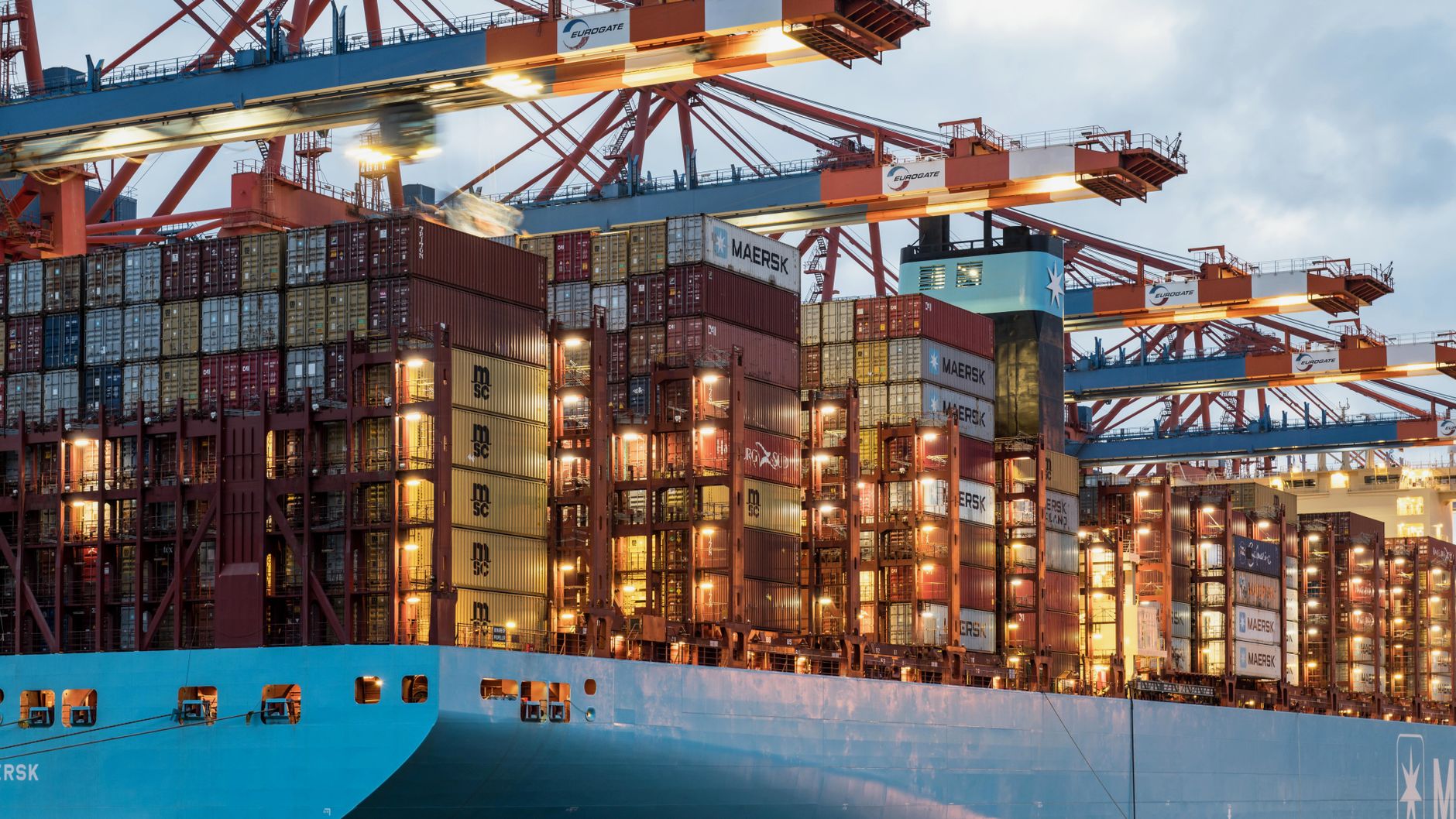
Economically, the war sent shockwaves through global markets, particularly in the energy sector. The disruption of oil supplies and critical trade routes highlighted the fragility of global supply chains and the profound dependence of the world economy on regional stability. This economic fallout, including inflationary pressures and increased defense spending, affected nations far removed from the conflict zone, underscoring the interconnectedness of global finance and trade. Understanding these economic vulnerabilities is crucial for developing resilient international economic policies and mitigating future shocks.
Furthermore, the conflict profoundly reshaped international norms regarding sovereignty, intervention, and humanitarian responsibility. The debates surrounding the war's legality, the effectiveness of sanctions, and the protection of civilians continue to influence contemporary international relations and the development of international humanitarian law. The rise of new forms of warfare, including cyber warfare and the weaponization of information, also emerged as significant challenges. Analyzing these shifts is essential for strengthening international institutions, promoting conflict resolution, and ensuring accountability for atrocities committed during wartime. The lessons of the Iran War are not merely historical footnotes; they are urgent warnings and critical guides for navigating our complex present and uncertain future.
Possible Paths Forward
Navigating the post-Iran War landscape demands a multifaceted approach, prioritizing robust diplomatic engagement and sustained international cooperation. One crucial path involves establishing inclusive regional security frameworks that bring together all relevant state and non-state actors to address shared threats and foster mutual trust. These frameworks must move beyond traditional power blocs, focusing instead on common interests such as counter-terrorism, economic development, and environmental protection. This requires a willingness from all parties to compromise and to recognize the legitimate security concerns of their adversaries, moving away from zero-sum thinking towards collaborative solutions. The international community must facilitate these dialogues, providing neutral ground and expert mediation to bridge deep-seated divides and build consensus on critical issues.
Another vital avenue is the massive investment in post-conflict reconstruction and humanitarian aid, coupled with targeted development programs designed to address the root causes of instability. This means not just rebuilding infrastructure, but also investing in education, healthcare, and economic opportunities, particularly for youth and marginalized communities. Such efforts must be locally driven, empowering affected populations to shape their own recovery and fostering a sense of ownership over the peace process. Without addressing the underlying socio-economic grievances that often fuel conflict, any peace will remain fragile. International donors and organizations have a critical role to play in coordinating these efforts, ensuring transparency and accountability in the allocation of resources.
Finally, strengthening international law and institutions is paramount to preventing future conflicts and ensuring accountability. This includes reinforcing the authority of the United Nations, enhancing the effectiveness of international criminal justice mechanisms, and developing clearer guidelines for humanitarian intervention. The international community must also work collectively to curb the proliferation of conventional and unconventional weapons, particularly in volatile regions. This requires a renewed commitment to arms control treaties and robust verification mechanisms. By pursuing these interconnected paths—diplomacy, reconstruction, and institutional strengthening—the world can aspire to build a more stable, equitable, and peaceful future, learning from the devastating lessons of the Iran War.
Questions People Are Actually Asking
What to Watch
- The ongoing negotiations for regional security pacts: Observe how major powers and regional actors engage in dialogue to establish new security architectures, particularly focusing on the inclusion of all relevant parties and the enforceability of any agreements.
- Economic recovery and reconstruction efforts: Monitor the scale and effectiveness of international aid and investment in war-torn regions, paying close attention to job creation, infrastructure rebuilding, and the return of displaced populations, as these are critical for long-term stability.
- The evolution of non-state actors: Track the shifting influence and capabilities of various armed groups and militias that gained prominence during the war, as their continued presence or transformation will significantly impact regional governance and security.
- Global energy market stability: Keep an eye on oil prices, supply routes, and the development of alternative energy sources, as the war highlighted the vulnerability of global energy supplies to regional conflicts and political instability.
- International legal and accountability mechanisms: Follow developments in war crimes investigations, international court proceedings, and efforts to establish accountability for atrocities committed during the conflict, which are crucial for justice and deterrence.
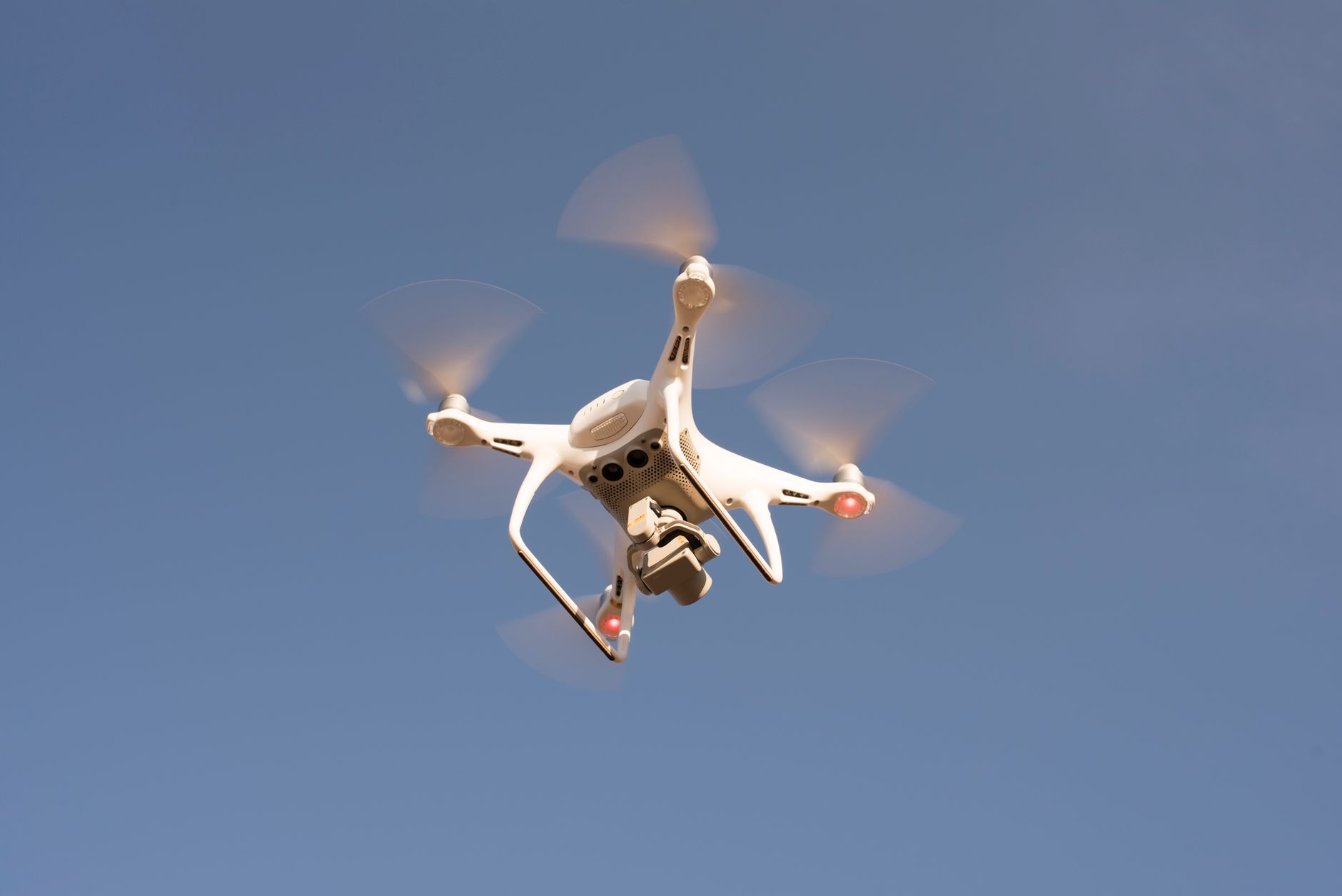
- The role of emerging technologies in conflict: Observe how cyber warfare, drone technology, and disinformation campaigns continue to evolve in post-conflict environments, shaping future security challenges and the nature of international relations.





Comments
No comments yet. Be the first to comment!